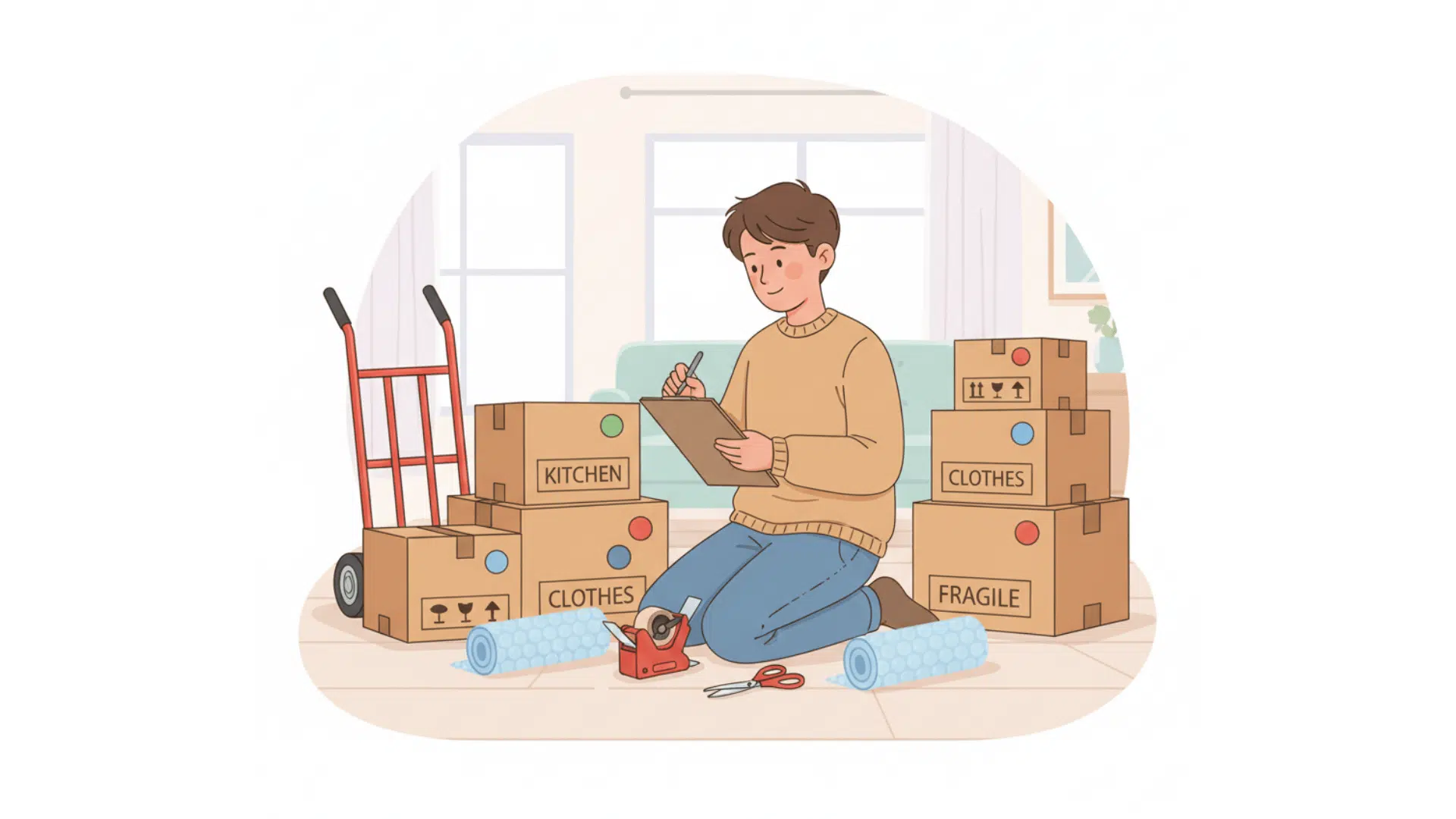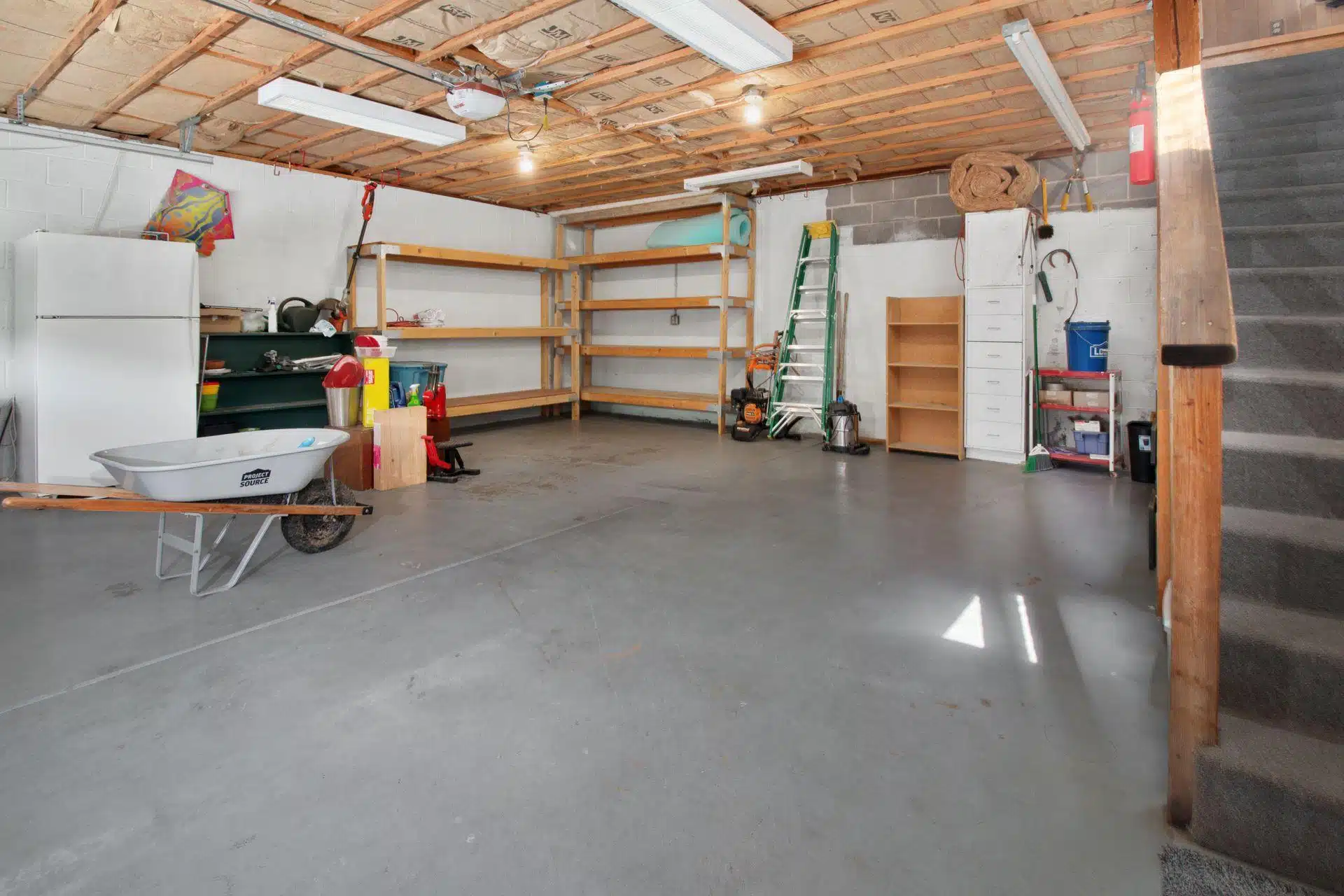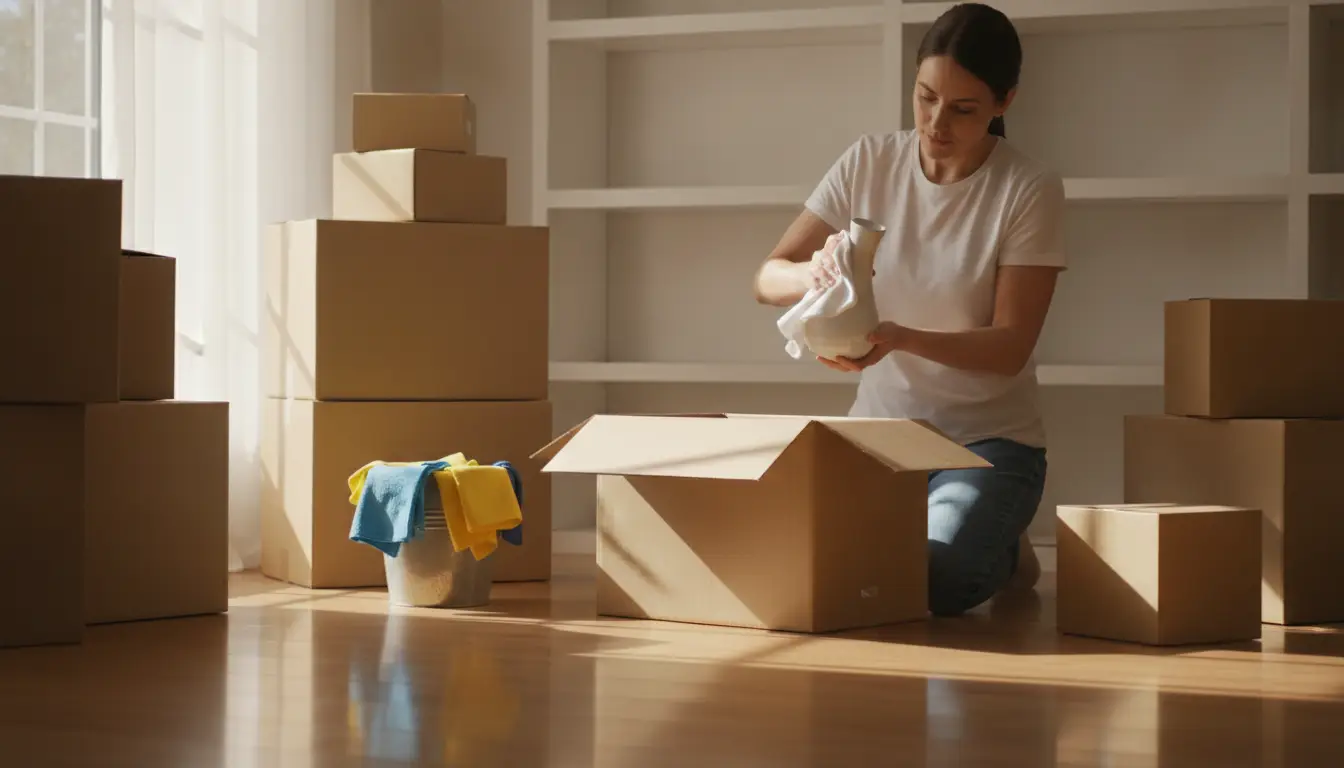
Moving is rarely just about carrying boxes from one place to another. It is a full reset of daily life. Furniture gets shifted, closets are opened, forgotten items reappear, and every room suddenly has to be sorted, packed, cleaned, and prepared for what comes next. When moving and cleaning are planned together, the process feels less chaotic and the new space feels easier to settle into.
A clean move does not happen by accident. It comes from timing, preparation, and knowing which tasks should happen before packing, during loading, and after the last box is carried inside. The goal is not perfection. The goal is to avoid dragging old clutter, dust, and unfinished chores into a fresh chapter.
Cleaning Before the Move Makes Packing Easier
A move is the perfect time to stop treating cleaning as a final step and start using it as part of the packing strategy.
Working with a cleaning service in Austin can be helpful because cleaning before a move is different from regular weekly upkeep. Closets, storage corners, shelves, baseboards, guest rooms, laundry areas, and forgotten surfaces often need attention before packing begins. When these spaces are cleaned first, it becomes easier to see what is worth keeping, donating, storing, or throwing away.
Packing dusty items straight into boxes creates more work later. Books, decor, small appliances, lamps, framed art, and storage bins can carry old dust into the new home. A quick wipe before packing helps protect belongings and makes unpacking feel less unpleasant.
Pre-move cleaning also helps reveal what has been hiding in the background. A stack of unused items in a hallway closet may not seem like a big deal until it has to be boxed, labeled, loaded, transported, and unpacked. Cleaning creates a natural pause. It gives homeowners a chance to ask, “Do I actually want this in the next place?”
Decluttering Is the Cheapest Move You Can Make
Every item that goes into a moving truck takes space, time, and energy. Some items are worth it. Others are simply being relocated because no one decided on moving day.
Decluttering before the move can reduce the number of boxes, shorten loading time, and make unpacking much simpler. It also prevents the new home from becoming crowded too quickly. Instead of filling fresh rooms with old uncertainty, homeowners can start with items that still serve a purpose.
The easiest way to declutter is by category. Clothing, books, decor, papers, tools, toys, linens, office supplies, and storage items can each be reviewed separately. This keeps the process from feeling like the whole house has to be solved at once.
A practical rule is simple: if an item has been stored, ignored, or moved from room to room without being used, it deserves a second look. Some things are sentimental and worth keeping. Others are only taking up space.
The less unnecessary weight a household carries into the move, the lighter the entire process becomes.
Packing Works Better When Rooms Have a Reset Plan
Packing often begins with good intentions and then turns into a rush. Boxes get filled quickly, labels become vague, and random items end up together because time is running out.
A room-by-room reset plan can prevent that. Before packing each area, clear surfaces, remove trash, group similar items, and clean what can be cleaned. Then pack items in a way that matches where they will go in the new home.
This approach makes unpacking much easier. A box labeled “living room shelves” is more useful than a box labeled “miscellaneous.” A box of clean, dust-free items is more pleasant to open than one filled with items that still need wiping. Small decisions before the move save energy afterward.
It also helps to create a “first week” box. This can include basic cleaning supplies, paper towels, trash bags, chargers, a few tools, toilet paper, hand soap, simple dishes, pet items, medications, and anything needed immediately. Moving is tiring, and no one wants to search through ten boxes for the one thing they need on the first night.
Moving Day Is Easier When the Space Is Ready
Moving day can feel hectic, but a prepared home helps everything move faster and more safely. Clear pathways, clean floors, open access points, and organized boxes all make a difference.
Before movers arrive, the home should be easy to walk through. Hallways should be clear. Loose rugs should be moved if they create tripping risks. Fragile items should be separated. Boxes should be labeled and placed where they can be carried efficiently.
This is also a good time to protect surfaces. Door frames, floors, corners, and stair areas may see heavy activity. A little planning helps reduce scuffs and damage. Furniture pads, careful lifting, and clear communication can protect both the home being left and the home being entered.
When planning a move, it can be helpful to consider movers in colorado springs while evaluating options for loading, transport, packing assistance, and larger relocation needs.. The key is to choose moving help that fits the size of the job, the timeline, and the level of care required for the belongings involved.
A smoother moving day starts before the truck arrives. The better the preparation, the fewer surprises appear when everyone is already tired.
The Empty Home Deserves One Last Look
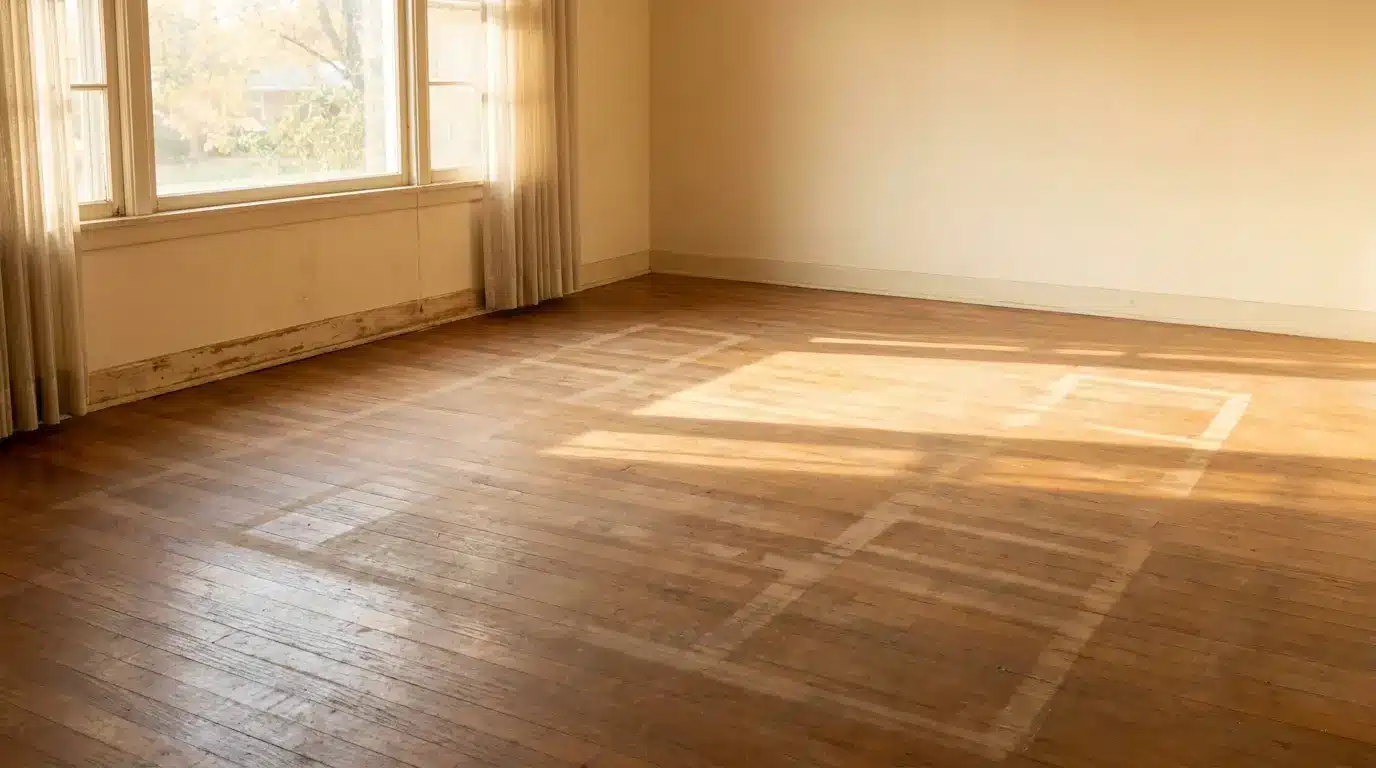
Once furniture and boxes are removed, the old home looks different. Dust lines appear where furniture sat. Corners that were hidden for years become visible. Floors show marks, and closets may reveal forgotten debris.
This final stage matters, especially for renters, sellers, or anyone handing the space to someone else. An empty-home cleaning can leave the property in better condition and reduce stress after the move.
The focus should be on areas that were hard to reach before: behind furniture, inside closets, along baseboards, around doors, on shelves, and under appliances that can be safely moved. Floors should be vacuumed or mopped, trash should be removed, and surfaces should be wiped.
Even when no one requires a perfect handoff, leaving a clean space feels better. It closes the chapter properly and keeps the move from feeling unfinished.
The New Home Should Be Clean Before the Boxes Take Over
Cleaning a new home is much easier before furniture and boxes fill every room. Once belongings arrive, access becomes harder, and motivation drops quickly.
If possible, the new space should be cleaned before move-in day. Floors, shelves, closets, drawers, window ledges, doors, trim, and high-touch surfaces are easier to handle when rooms are empty. This also gives homeowners a chance to notice small repairs, odors, dust buildup, or areas that need extra attention.
A clean new home changes the emotional tone of the move. Instead of unpacking into someone else’s dust or leftover mess, the household begins with a fresh baseline. Boxes can be opened with less frustration, furniture can be placed with more confidence, and the space feels more like home from the start.
This step is especially useful for families with children, pets, allergies, or tight schedules. A clean starting point reduces the number of tasks competing for attention during the first week.
Unpacking Should Not Become a Second Move
Many people move everything into the new home and then spend months stepping around boxes. This creates a strange feeling: the move is technically over, but life has not fully restarted.
Unpacking works better when it follows priorities. Set up sleep areas first, then basic clothing, daily supplies, work essentials, pet needs, and common living spaces. Decorative items can wait. Storage boxes can wait. The goal is to make the home functional quickly without creating new clutter.
As boxes are opened, keep a donation or discard pile nearby. Moving often reveals that some items made it onto the truck but still do not belong in the new home. It is normal to make a second round of decisions during unpacking.
Breaking down boxes as they are emptied also helps the home feel less chaotic. A pile of empty boxes can make progress feel invisible. Removing them regularly gives the new home room to breathe.
Clean Transitions Make Moving Feel Less Overwhelming
Moving will always involve effort, but it does not have to feel like total disorder. Cleaning and moving support each other when they are planned in the right order.
Clean before packing so belongings are easier to handle. Declutter before loading so unnecessary items do not take up space. Prepare pathways before moving day so the process is safer. Clean the empty old home so the handoff feels complete. Clean the new home before unpacking so the next chapter starts with less stress.
A move is more than a change of address. It is a chance to reset routines, reduce clutter, and build a cleaner foundation for daily life. When cleaning and moving are treated as partners instead of separate chores, the entire transition becomes smoother.
The best moves do not just get belongings from one place to another. They help people arrive with less baggage, fewer messes, and a home that feels ready to welcome them in.