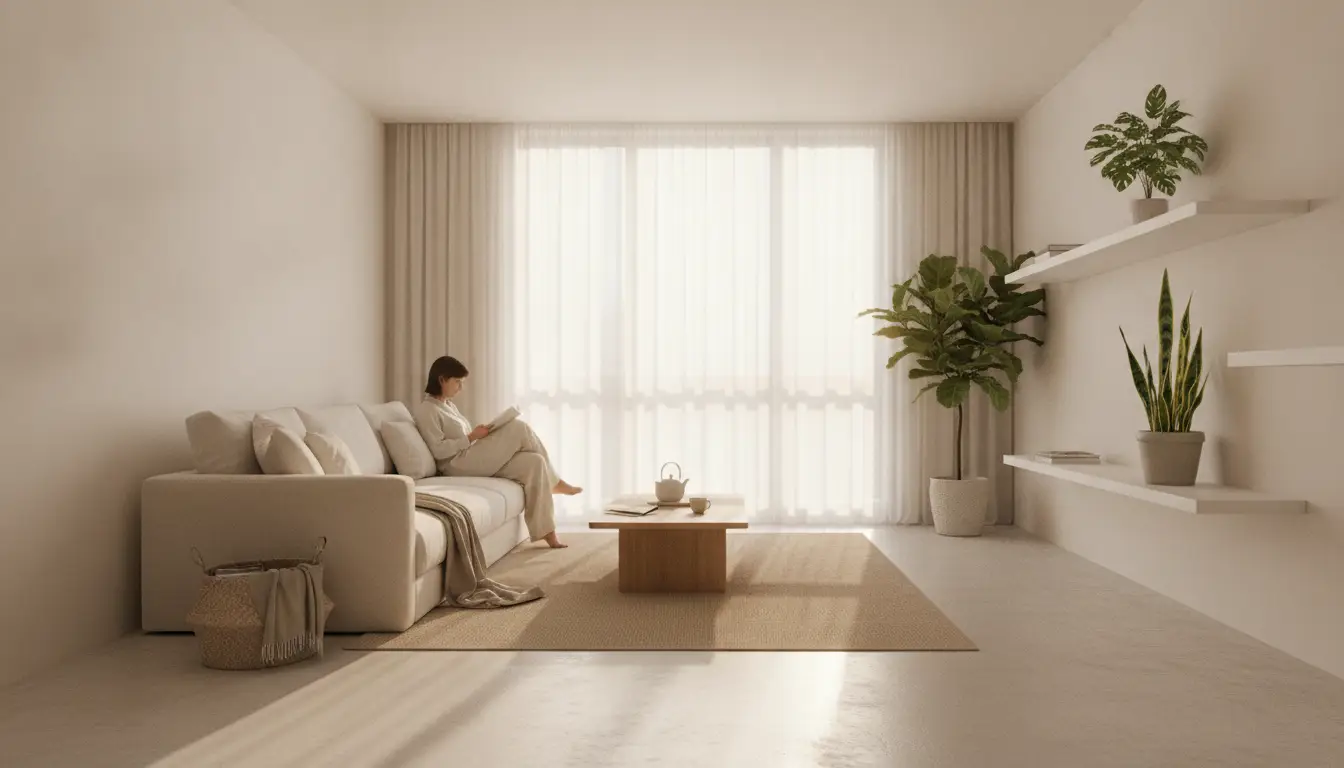
There is a reason some homes instantly make you feel at ease while others seem to create stress, even when they look beautiful. A relaxing home is rarely about expensive furniture or the latest design trends. More often, it comes down to how well the space supports everyday life.
When people plan renovations, they often focus on appearance first. While style certainly matters, companies like Boyce Design + Build understand that the most satisfying homes balance aesthetics with functionality. A home that works with your daily routine naturally feels calmer because it removes many of the small frustrations that build up over time.
The good news is that creating a more functional home does not always require a complete renovation. Sometimes, a few thoughtful changes can make a noticeable difference.
Good Design Removes Daily Frustrations
Think about the little things that interrupt your day.
Perhaps the kitchen feels crowded whenever more than one person is cooking. Maybe shoes pile up by the front door because there is nowhere convenient to store them. Or perhaps you constantly carry laundry across the entire house because the layout makes simple tasks harder than they need to be.
When these inconveniences disappear, your home begins to feel noticeably more peaceful.
Every Room Should Have a Clear Purpose
One reason clutter builds up is that many spaces try to serve too many functions.
Instead, consider whether each room has a clear role. For example:
- Create dedicated storage for frequently used items.
- Arrange furniture to allow easy movement.
- Remove pieces that no longer serve a practical purpose.
- Keep work areas separate from places designed for relaxation.
A home becomes easier to enjoy when every area supports the activities that happen there.
Natural Light Makes a Bigger Difference Than You Think
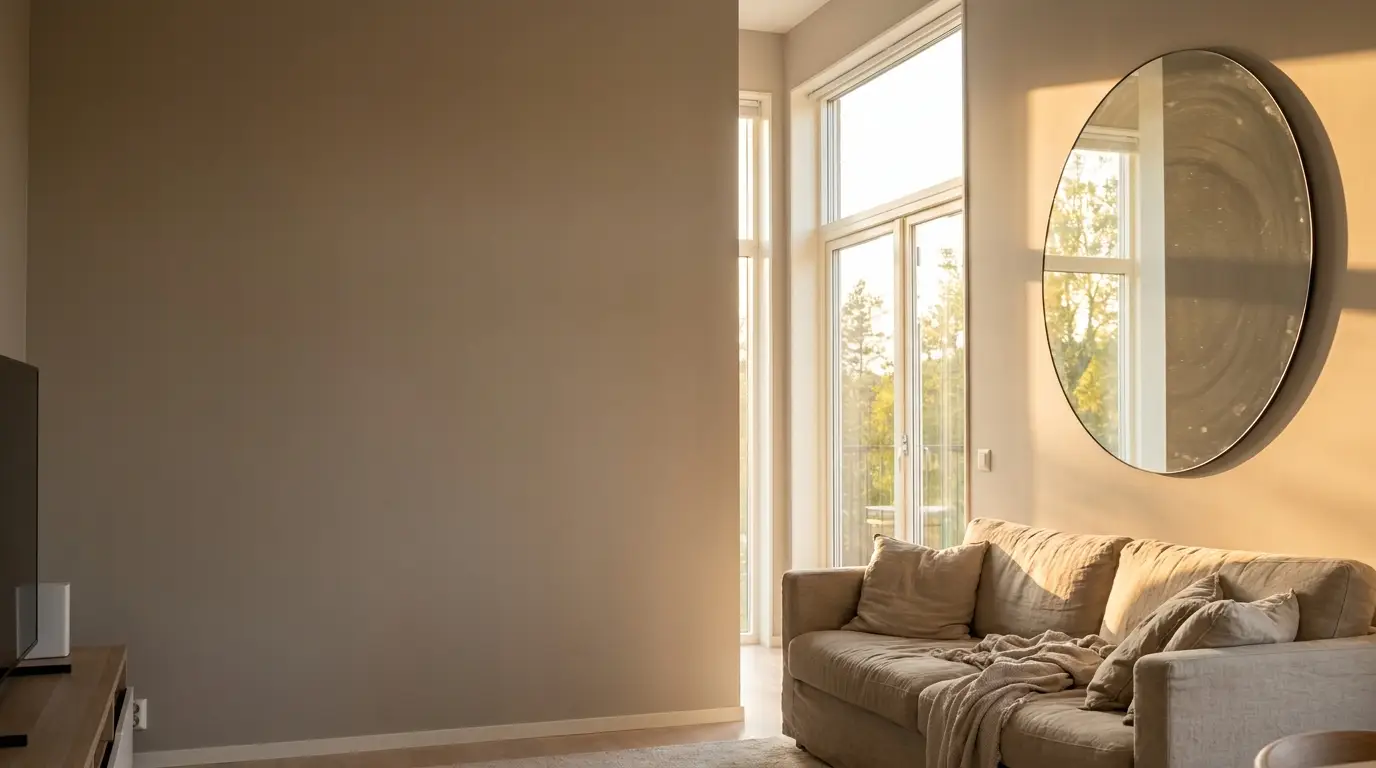
Lighting has a significant effect on how comfortable a space feels.
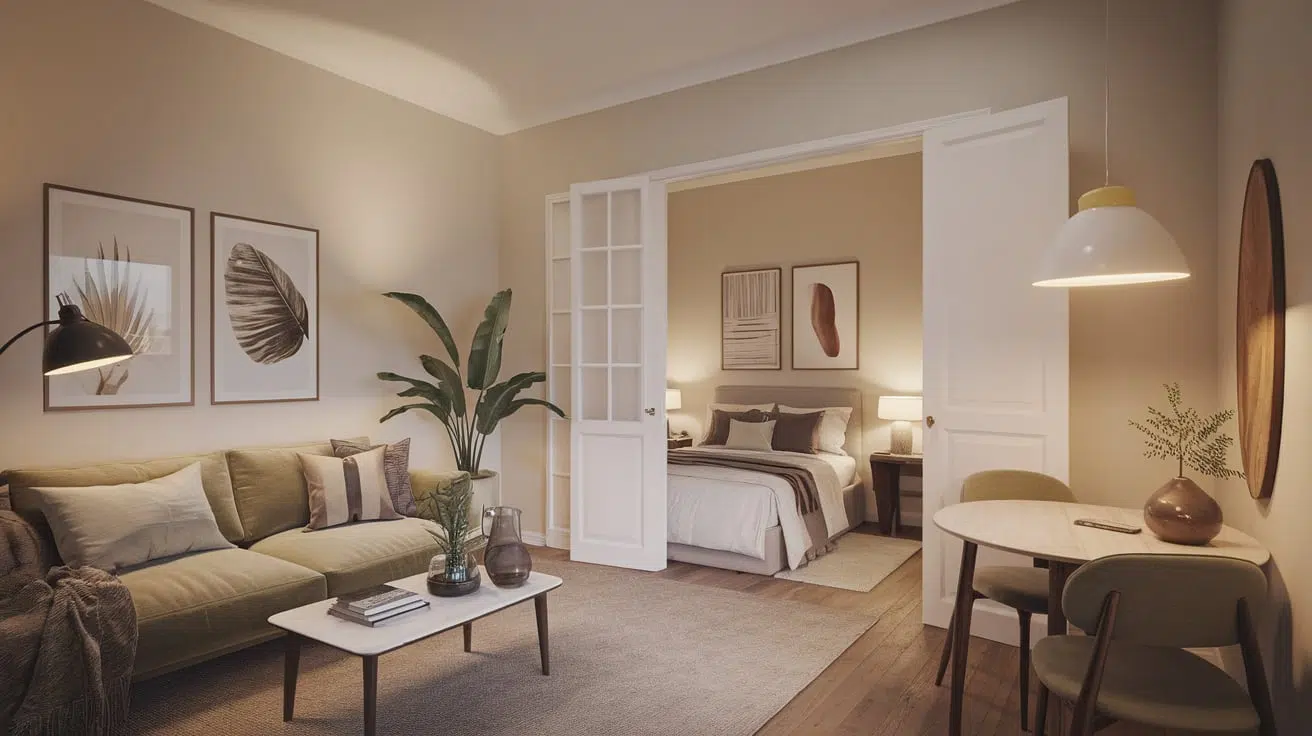
Whenever possible, maximise natural light by keeping windows clear, choosing lighter colours, and using mirrors to reflect daylight throughout the room. In the evenings, softer lighting often creates a more relaxing atmosphere than harsh overhead fixtures.
Good lighting helps rooms feel larger, warmer, and more welcoming without requiring major structural changes.
Storage Creates Peace of Mind
A well-organised home is not necessarily one with fewer belongings. Instead, it is one where everything has an appropriate place.
Useful storage can include:
- Built-in shelving
- Hidden storage benches
- Pantry organisers
- Wardrobe systems
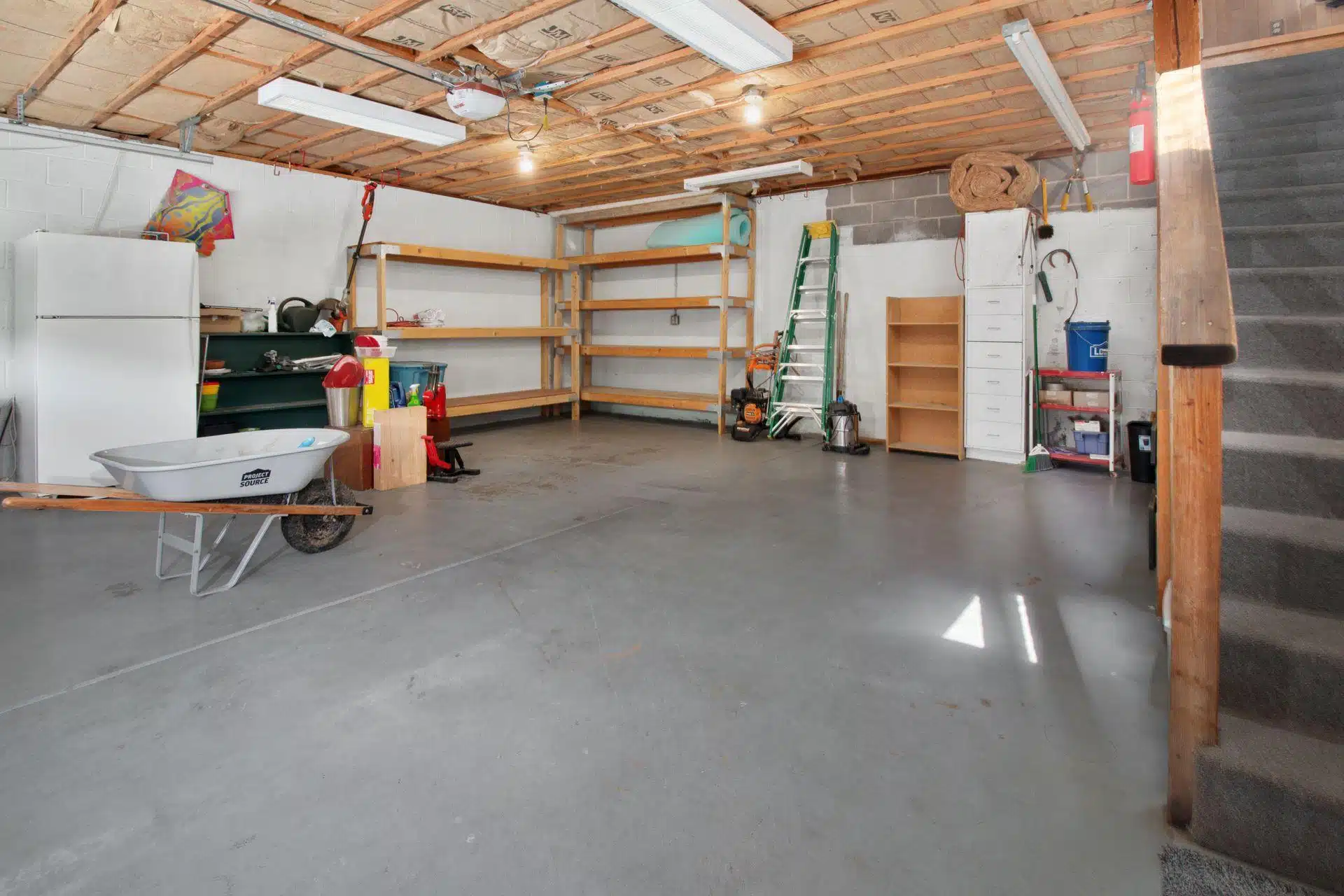
- Garage shelving
When items are easy to find and simple to put away, daily routines become much smoother.
Comfort Should Always Come First
Many people decorate their homes to impress guests, but the people who spend the most time there are usually the family members themselves.
Comfortable seating, practical layouts, durable materials, and spaces that suit your lifestyle often deliver far greater long-term satisfaction than following every new design trend.
A home should support how you actually live rather than how you think it should look.
Small Improvements Can Have Lasting Results
Creating a more relaxing home rarely happens overnight. It usually comes from making thoughtful decisions that improve everyday living one step at a time.
Whether it is improving storage, allowing more natural light inside, simplifying your layout, or choosing practical design over unnecessary complexity, functional spaces naturally reduce stress. When your home works with you instead of against you, it becomes easier to unwind, enjoy your surroundings, and appreciate the place you spend the most time.