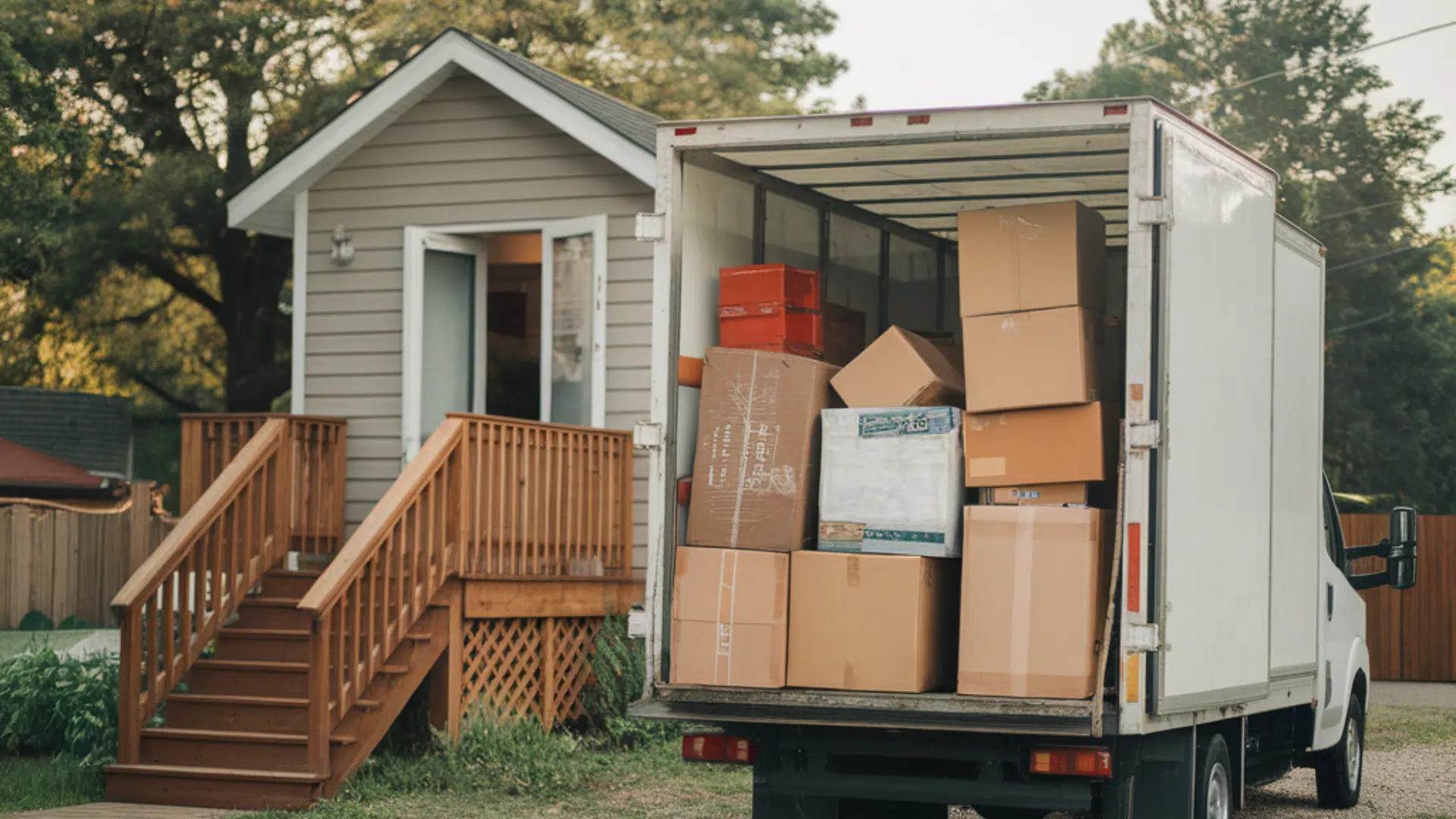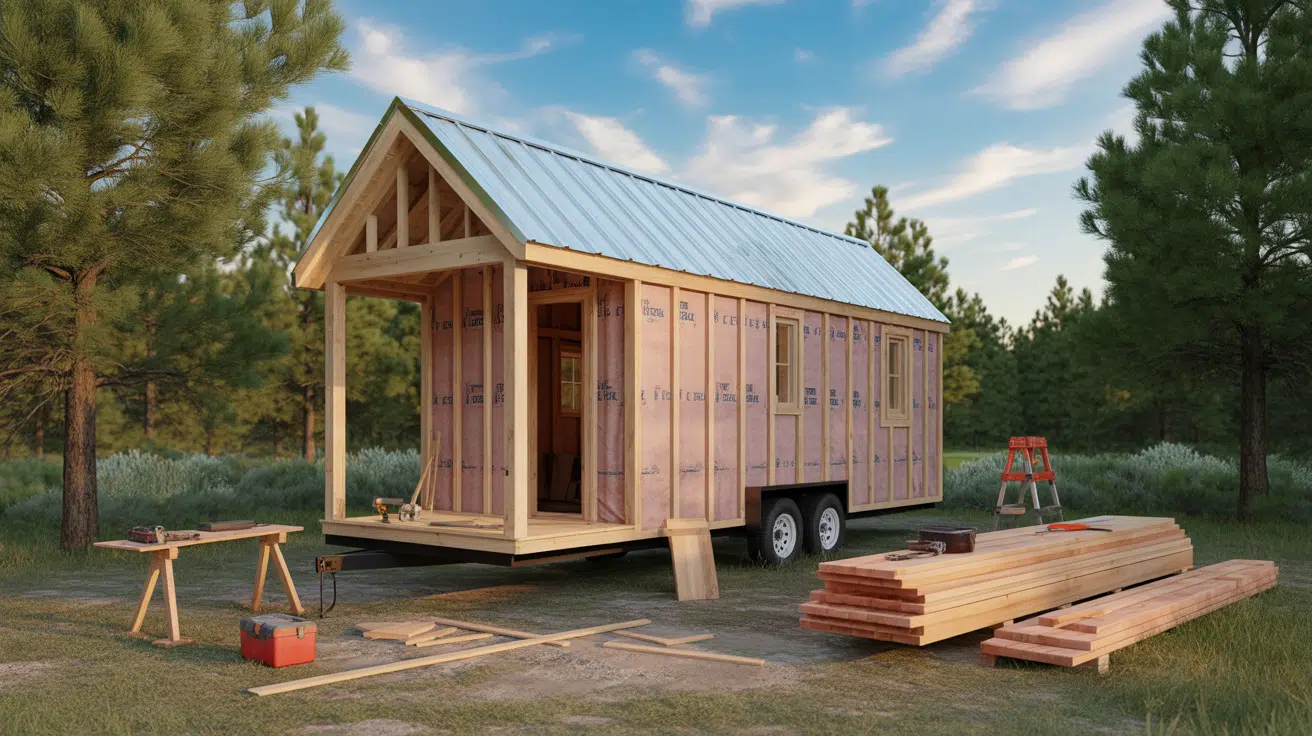
Preparing a tiny home for transport starts with careful planning, thorough inspections, and securing every component that could shift during the move. Taking the time to address permits, weight distribution, and removable features can help protect both the structure and the people involved in transporting it.
Moving a tiny home is more complex than towing a standard trailer. Road regulations, oversized loads, and delicate exterior elements all require attention before the first mile is traveled.
Being organized makes the process much smoother. A detailed checklist and a clear understanding of transportation requirements can minimize delays and reduce the risk of costly damage in transit.
Plan Exterior Features With Transport in Mind
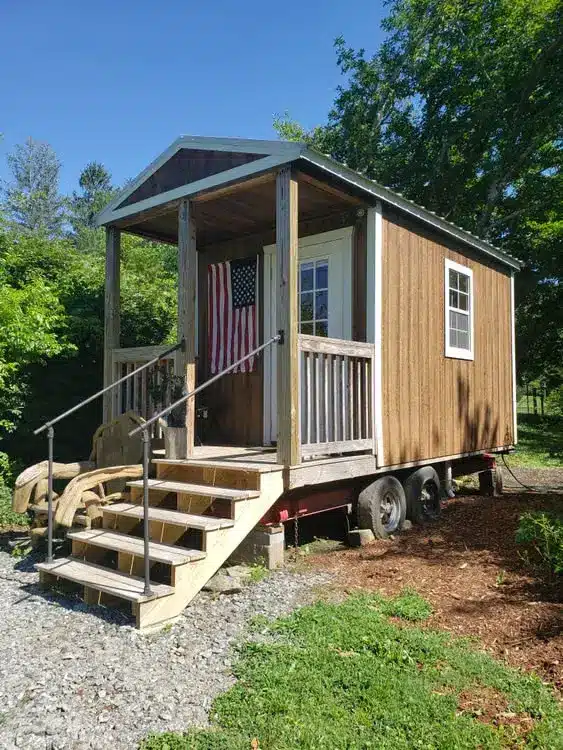
Outdoor additions can enhance everyday living, but they may complicate relocation if they are permanently attached or difficult to remove. Homeowners designing for mobility often consider products like Wahoo residential deck drainage solutions because durable, low-maintenance deck systems and railings can be incorporated into detachable or transport-friendly designs that are easier to protect during a move.
Thinking ahead can simplify future relocations. Lightweight materials and modular construction often reduce labor when preparing a home for transport.
Helpful design considerations include:
- Detachable railings
- Modular porches
- Removable awnings
- Foldable stairs
- Lightweight decking
Planning for mobility during construction can save significant time later.
Research Permits and Transportation Regulations
Tiny homes often exceed standard vehicle dimensions, making permits necessary for legal transport. Requirements vary by state and local jurisdiction, so researching applicable regulations well before moving day is essential.
Some routes may also impose restrictions based on bridge clearances, road widths, or travel hours. Coordinating with transportation authorities can prevent unexpected interruptions during the trip.
Common permit considerations include:
- Width restrictions
- Height limitations
- Escort vehicle requirements
- Travel time restrictions
- Route approvals
Verifying requirements in advance helps avoid unnecessary delays.
Select an Experienced Carrier
Transporting a tiny home requires specialized equipment and expertise. Choosing a carrier with experience moving oversized structures can reduce risks and improve overall efficiency.
Before signing an agreement, ask detailed questions about licensing, insurance, and previous projects. Reviewing references or customer feedback may also provide additional confidence.
Factors to evaluate include:
- Industry experience
- Licensing status
- Insurance coverage
- Equipment quality
- Customer reviews
Working with qualified professionals helps protect your investment.
Review Insurance Coverage Before the Move
Insurance plays an important role in managing potential risks during transport. Existing homeowners or specialty tiny home policies may not automatically cover relocation.
Discuss coverage details with your insurance provider before scheduling the move. Additional transportation insurance may be appropriate depending on the distance and value of the structure.
Coverage topics to review include:
- Transit protection
- Liability limits
- Property damage
- Weather events
- Third-party claims
Understanding policy details before departure reduces uncertainty if an issue arises.
Balance Weight and Secure Interior Items

Proper weight distribution contributes to safer towing and improved vehicle handling. Uneven loads can place unnecessary stress on the trailer and increase the likelihood of shifting during transport.
Inside the home, unsecured belongings should be packed or fastened to prevent movement. Cabinets and drawers should also be locked before departure.
Preparation steps may include:
- Secure furniture
- Empty water tanks
- Lock cabinets
- Balance cargo
- Fasten appliances
Attention to interior details can prevent avoidable damage.
Remove or Protect Exterior Attachments
Exterior accessories are especially vulnerable during highway travel. Wind exposure and vibration may damage components that are not properly secured or removed beforehand.
Inspect every feature attached to the outside of the home and determine whether temporary removal is the safest option.
Items commonly addressed include:
- Solar panels
- Porch furniture
- Decorative lighting
- Gutters
- Satellite equipment
Protective wrapping or specialized transport coverings may also help shield sensitive materials.
Plan the Best Route Ahead of Time
Not every road is suitable for transporting a tiny home. Narrow lanes, low bridges, and steep grades can create obstacles that complicate an otherwise straightforward move.
Reviewing the route in advance allows time to identify alternate paths and coordinate with transportation providers. GPS systems designed for passenger vehicles may not account for oversized loads.
Important routing factors include:
- Bridge clearances
- Construction zones
- Sharp turns
- Road weight limits
- Fuel stops
Careful planning reduces surprises once the trip begins.
Complete a Final Walk-Through Before Departure
A comprehensive inspection provides one last opportunity to identify overlooked issues. Checking both the interior and exterior ensures everything is ready before the home hits the road.
Creating a written checklist can make the process more systematic and easier to repeat for future moves. Small details often make a big difference during transportation.
Final checks might include:
- Hitch connections
- Tire pressure
- Window locks
- Door latches
- Exterior fasteners
Completing a final review adds confidence before departure.
Build Mobility Into Every Tiny Home Project
Preparing a tiny home for transport involves more than hitching it to a truck. Smart planning, proper permits, balanced loading, and careful handling of exterior features all contribute to a safer and more efficient move.
Design decisions made long before moving day can also make relocation significantly easier. Homeowners seeking durable and adaptable outdoor building solutions may find valuable inspiration and practical products through Wahoo Building Products, especially when planning transport-friendly decks, railings, and drainage systems for future moves.