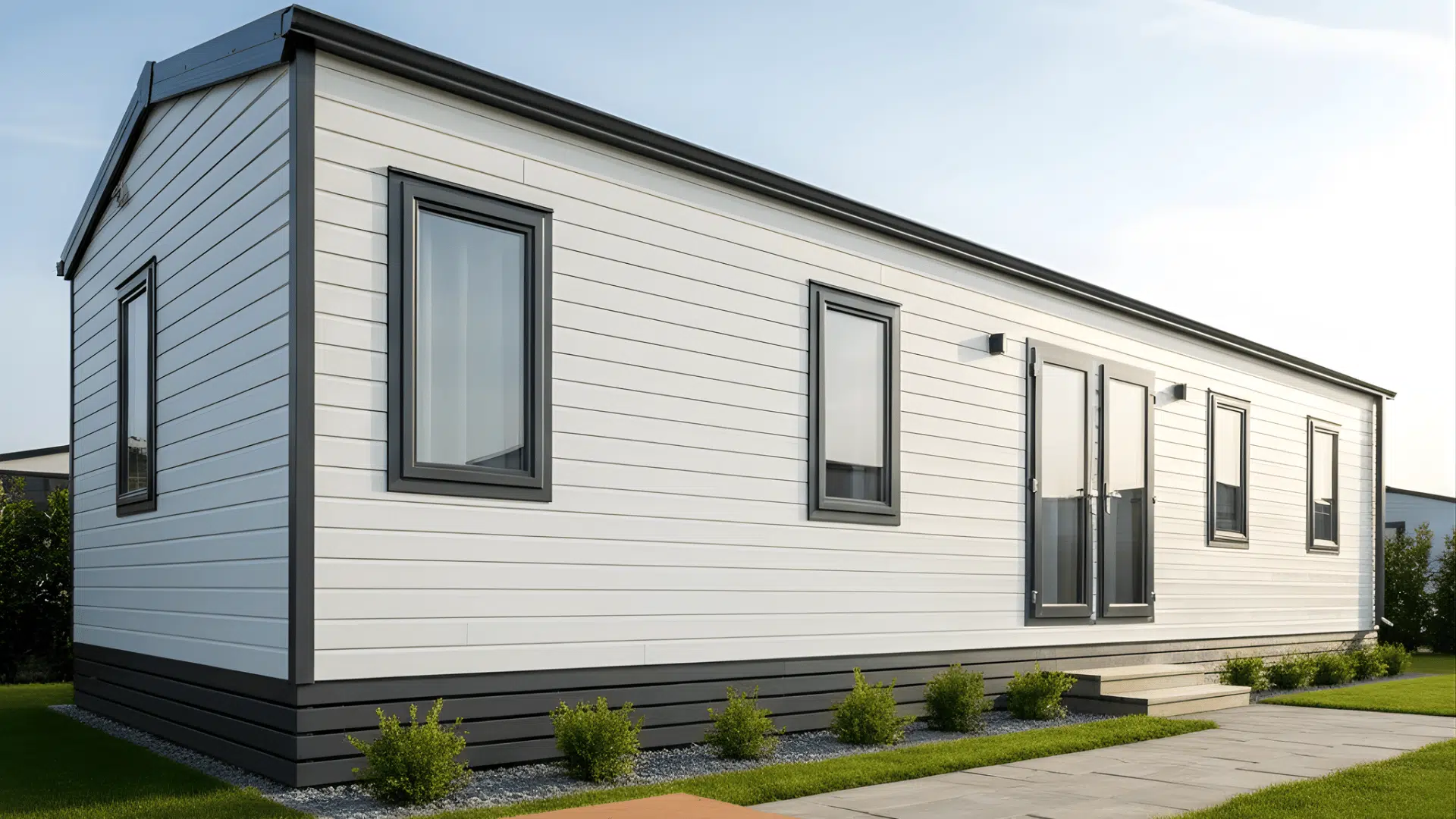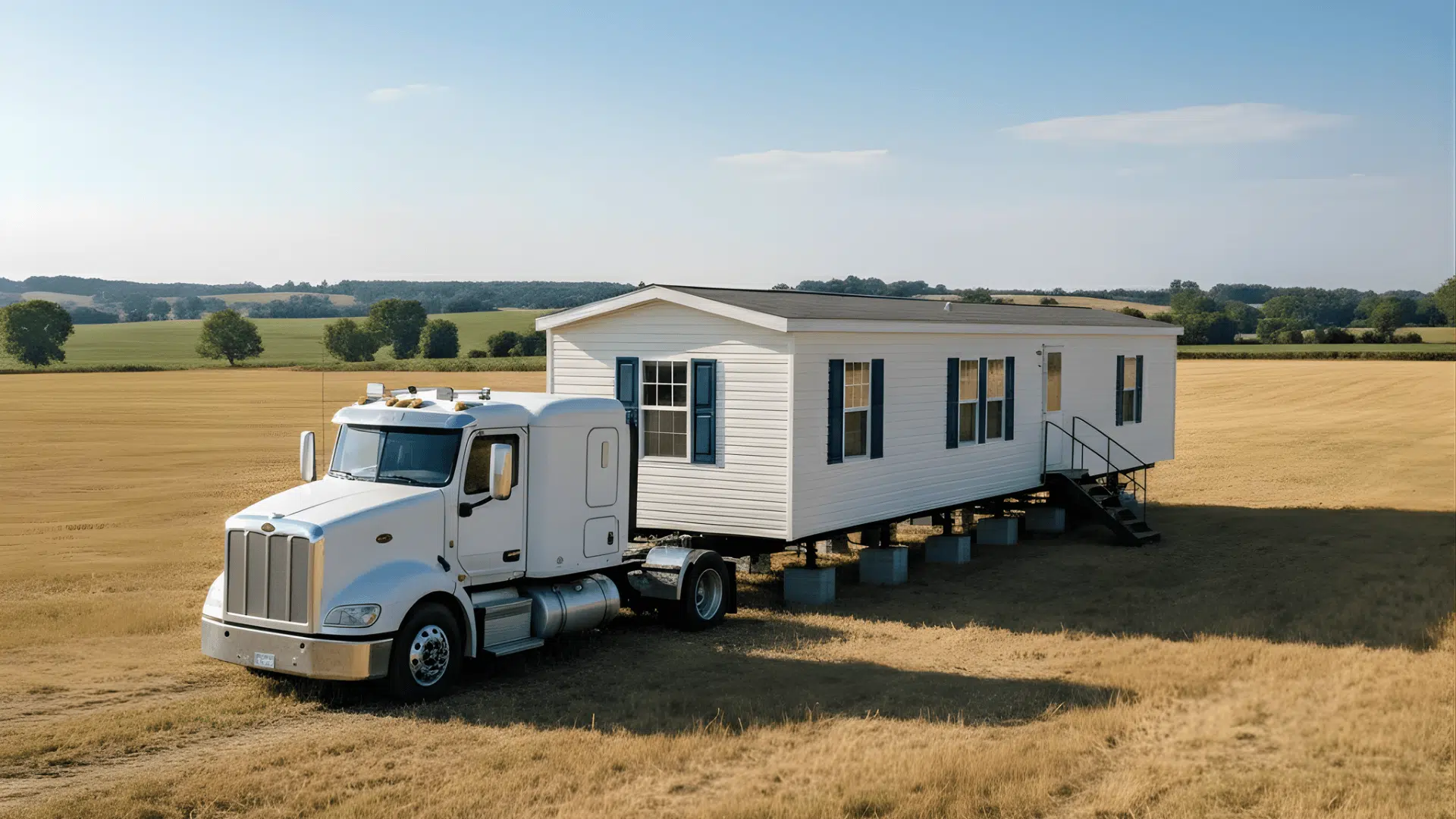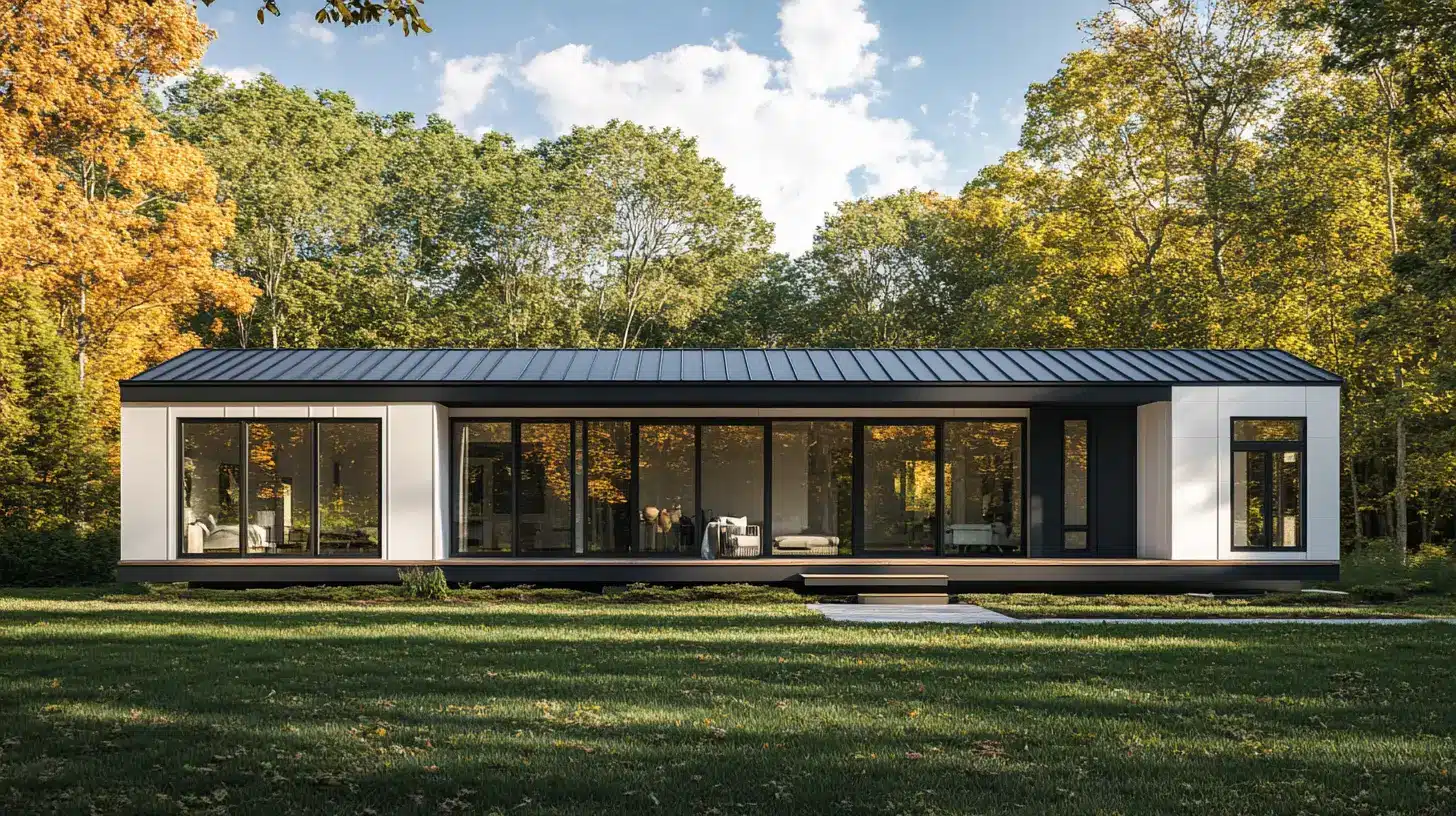
Metal Roofing for Modular and Prefab Homes in NJ
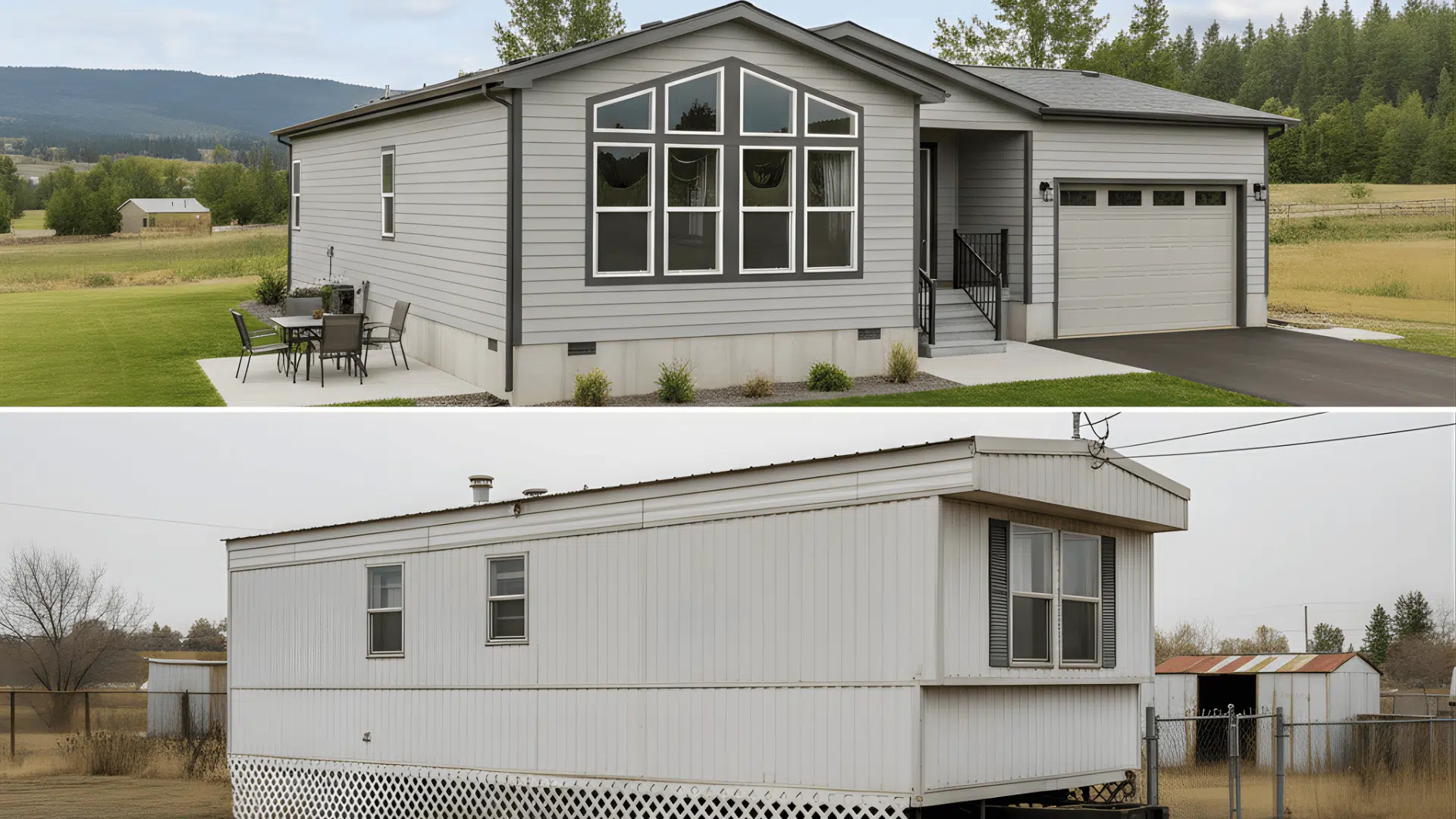
Modular and prefab homes are a growing share of new housing in New Jersey, and the roofing decision for them works differently than for a site-built house. A factory-built home arrives with a defined structure and tolerances, which narrows what a roof needs to do and how it should be installed. Treating the roof as an afterthought is where many owners go wrong.
Metal roofing and factory-built construction pair well for practical reasons. Metal’s light weight, fast installation, and panel format align with the precise, repeatable geometry of modular and prefab homes, and its long lifespan matches the long-term intent behind buying one.
Once the material decision is made, the next step for most owners is finding metal roofing NJ installers who understand both the local climate and the specifics of factory-built construction. The right installer matters here as much as the material, because a modular roof system has its own attachment requirements.
Why Metal Roofing Suits Modular and Prefab Homes
Metal aligns with modular and prefab construction through a few concrete advantages. Each one addresses a specific aspect of how factory-built homes are made and assembled.
The first is low weight. Metal panels weigh far less than tile or slate, which keeps the roof load within the limits a modular structure was engineered for and avoids the need for added support.
The second is installation speed. Metal goes on in large panels rather than piece by piece, which fits the fast assembly timeline that draws people to prefab homes in the first place.
The third is geometric fit. Modular and prefab roofs are built to consistent dimensions, and that regularity lets metal panels run in clean, predictable lines with minimal cutting and waste.
The fourth is service life. A metal roof commonly lasts decades longer than asphalt, which suits the long-term ownership that modular and prefab buyers generally plan for.
How NJ’s Climate Affects the Roofing Choice
New Jersey’s climate places specific demands on any roof, and these demands favor metal. The state’s weather combines several stresses that a roofing material has to handle throughout the year.
Nor’easters bring sustained wind and wind-driven rain, and metal’s interlocking panels resist uplift and water intrusion well when installed correctly. Winter brings snow loads and repeated freeze-thaw cycles, and metal sheds snow and resists the cracking that such cycles cause in some materials. Summer humidity and storms round out the year, and metal’s resistance to moisture and rot holds up where organic materials degrade. The result is a material whose strengths line up closely with the conditions a New Jersey roof actually faces.
Metal Roofing Options for Modular and Prefab Homes
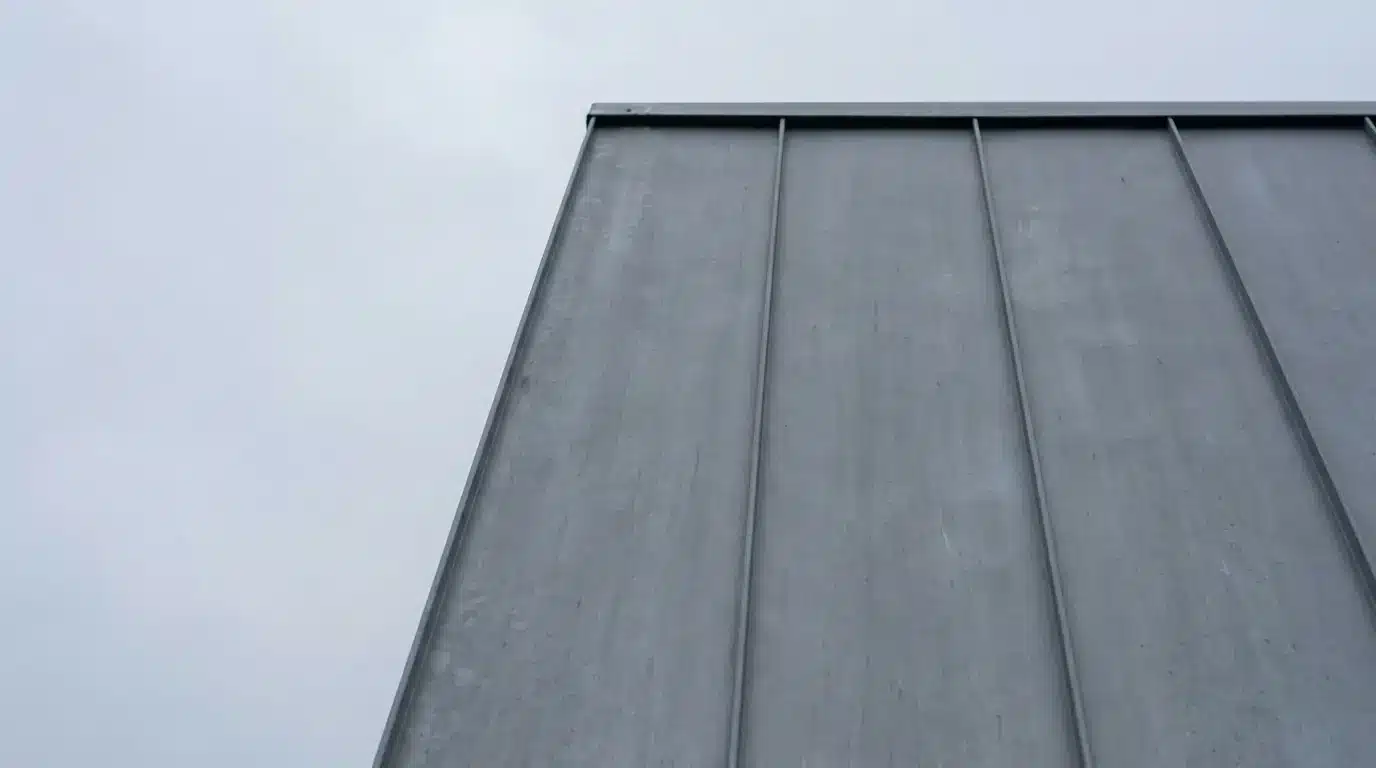
The profile of a metal roof affects both its appearance and its installation on a factory-built home. The main options below differ in look, cost, and the construction style they suit best.
Standing Seam
Standing seam is the most common choice for modern modular and prefab homes. Its concealed fasteners and clean vertical lines suit contemporary designs, and the lack of exposed fastener holes reduces long-term leak points.
Metal Shingles and Tiles
Metal shingles and tiles give a modular home a traditional roof appearance with metal’s durability. They suit owners who want the look of conventional shingles or tile without the weight and shorter lifespan of those materials.
Corrugated and Ribbed
Corrugated and ribbed panels are the most economical metal option. Their exposed-fastener design lowers cost while still delivering metal’s longevity, which suits budget-focused builds and homes where an industrial look is acceptable.
What Metal Roofing Costs on a Modular or Prefab Home in NJ
Metal roofing costs more upfront than asphalt, and the final figure depends on several factors rather than a single rate. Understanding what drives the number is more useful than any single estimate.
The main cost factors are the roof’s size and complexity, the profile chosen, and the condition of what is already there. Standing seam costs more than corrugated panels; a roof with many valleys, penetrations, or steep sections costs more to detail; and a replacement that requires tearing off an old roof adds labor that a new build does not. Access and site preparation also affect the price. For a clearer figure, owners should get an itemized quote tied to their specific home rather than a general per-square-foot range.
Installation Considerations for Factory-Built Homes
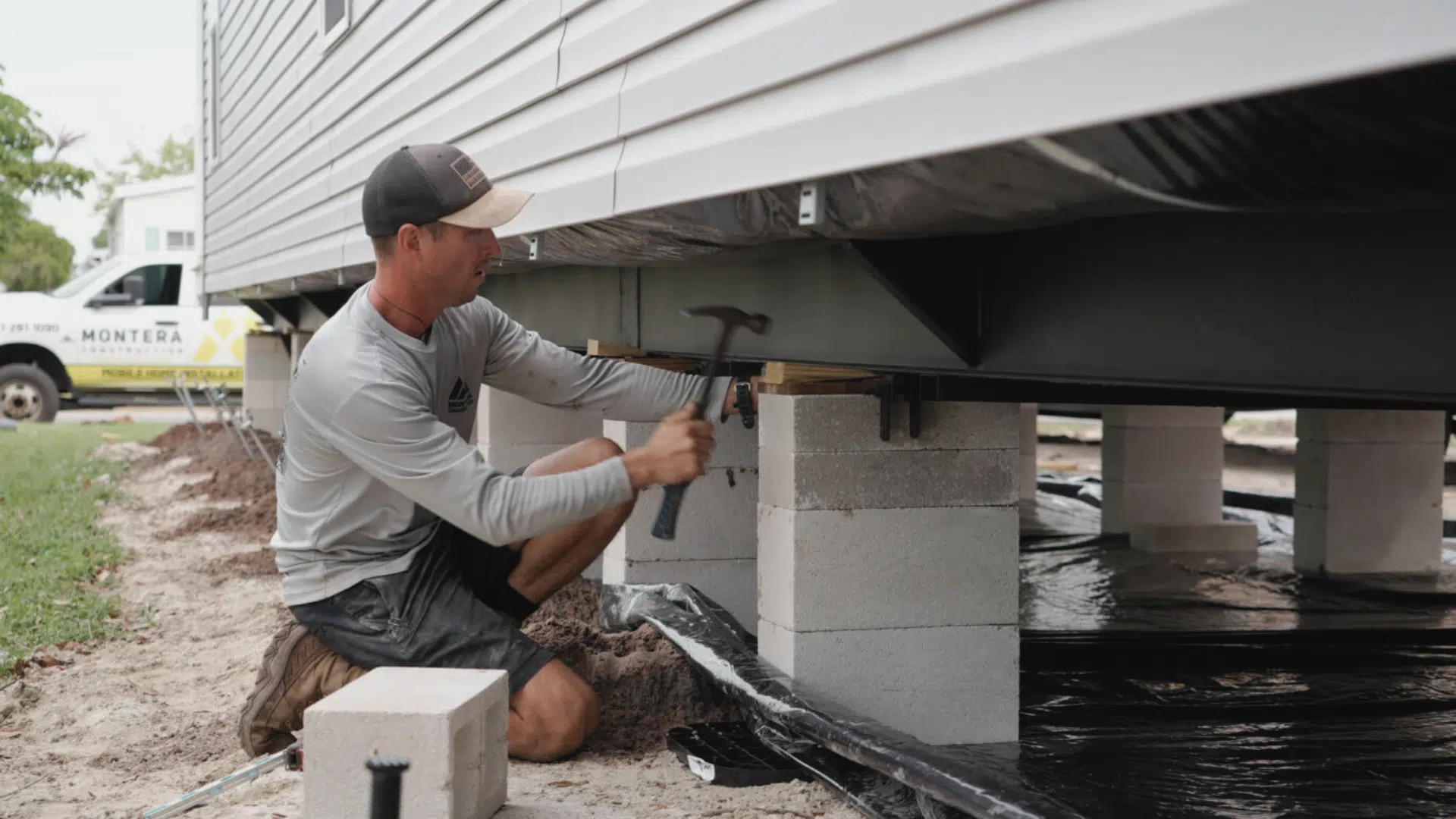
A modular or prefab home requires installation knowledge that a generic roofing job does not. The roof system arrives partly defined by the factory, and the metal roof has to work with it.
The structure’s engineered load limits and existing attachment points dictate how the metal roof can be fastened, and an installer needs to respect both. New Jersey also has permitting and code requirements that apply to roofing work, which a local contractor handles as part of the job. For these reasons, hiring an installer experienced with factory-built homes specifically — not only with site-built roofs — is the safest path to a result that holds.
Is Metal Roofing Worth It for Your Modular Home?
Metal roofing is a sound investment for most modular and prefab owners, though not an automatic one. The decision comes down to weighing a higher initial cost against long-term returns.
The case for metal rests on lifespan, low maintenance, energy performance, and resale value, which together tend to offset the higher purchase price over years of ownership. The case against it is simply the upfront expense, which matters more for owners planning to sell within a few years than for those staying long-term. For a modular or prefab home purchased as a permanent residence, metal’s durability generally aligns with the owner’s time horizon.
A metal roof is a long-term decision, and on a modular or prefab home, it depends as much on proper installation as on the material itself.American Quality Remodeling is a licensed, insured exterior remodeling company serving New Jersey and Pennsylvania, working with metal roofing, siding, and gutters, and providing free estimates for homeowners planning a project.