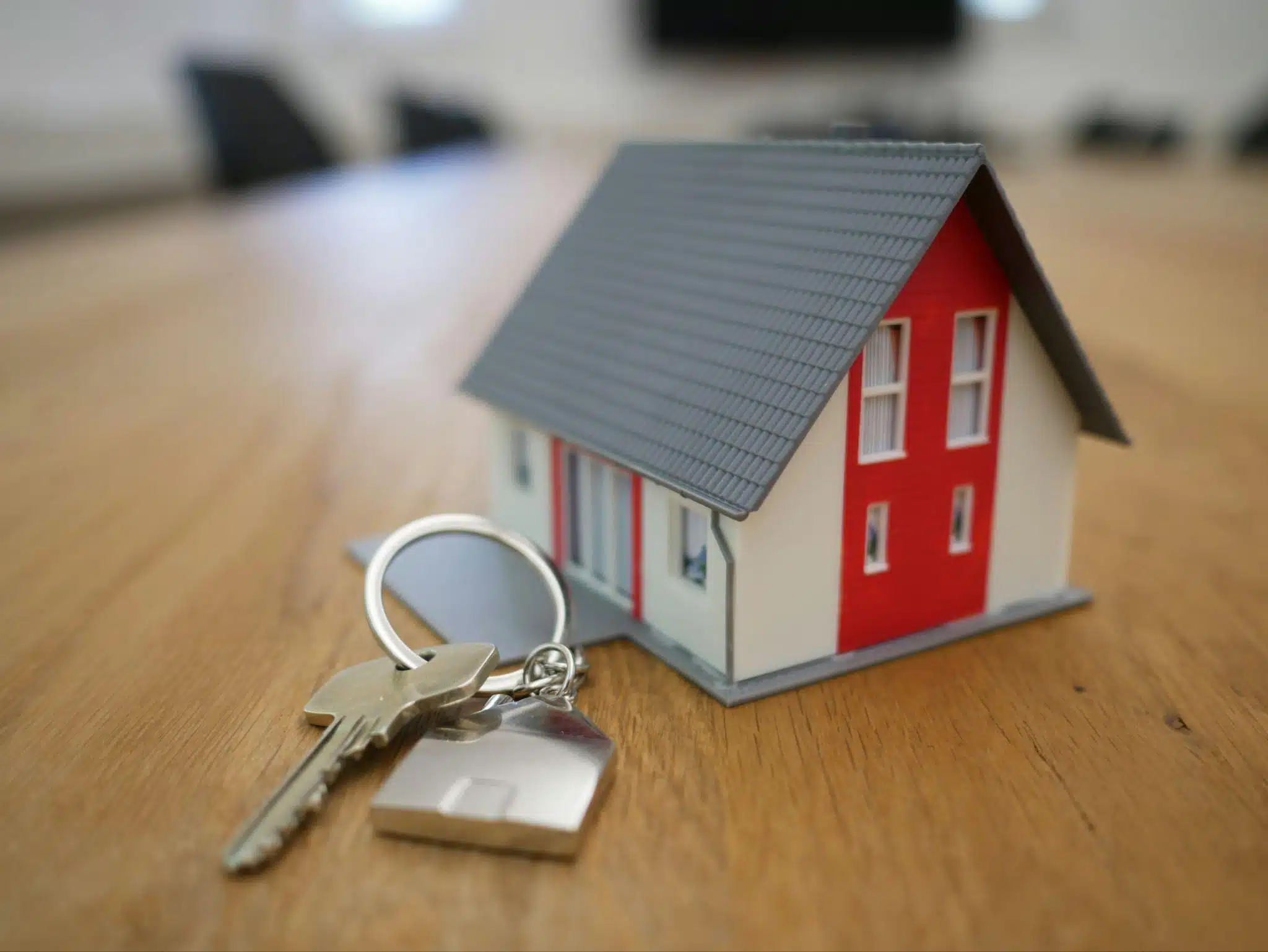
Buying a starter home is a major milestone, especially if it is your first step into homeownership. A starter home can be a smart way to build equity, gain independence, and create a more stable living situation without committing to a forever home right away. But even a modest first home comes with financial responsibilities that go far beyond the purchase price.
Before you start touring properties or making offers, it is important to understand what you can truly afford, how much cash you will need upfront, and what costs may appear after move-in day. With the right preparation, you can avoid stretching your budget too thin and feel more confident when it is time to buy.
Understand What You Can Really Afford
The first step is figuring out how much home you can comfortably afford. A lender may approve you for a certain amount, but that does not always mean you should spend the full amount. Your personal comfort level matters just as much as your loan approval.
Start by reviewing your monthly income, recurring bills, debt payments, transportation costs, subscriptions, groceries, insurance, and savings goals. Then estimate how a mortgage payment would fit into that picture. A good starter home should offer a manageable payment while still leaving room for emergencies, maintenance, and everyday living.
It is also helpful to test your future housing payment before you buy. If your rent is currently lower than your expected mortgage payment, try setting aside the difference each month. This can show whether the new payment feels realistic and help you build extra savings.
Build a Down Payment Plan
Your down payment is one of the highest upfront costs of buying a home. The amount you need depends on the loan type, the home price, and your financial profile. Some first-time buyers may qualify for low-down-payment options, while others may choose to put more down to reduce their monthly payment.
The key is to create a clear savings target. Decide how much you want to save, when you hope to buy, and how much you need to set aside each month to get there. Keeping your down payment savings in a separate account can make it easier to track progress and avoid using the money for everyday expenses.
At the same time, try not to drain all your savings for the down payment. Once you own a home, repairs and unexpected costs can come up quickly. Keeping some cash available after closing can protect you from financial stress.
Check Your Credit Early
Your credit score can affect your ability to qualify for a mortgage, as well as the interest rate and loan terms you receive. Even a small difference in interest rate can change your monthly payment and the total amount you pay over the life of the loan.
Before applying for a mortgage, review your credit reports and look for errors, late payments, or high balances that could hurt your score. Pay bills on time, reduce credit card balances, and avoid opening unnecessary new accounts before making a purchase. The earlier you check your credit, the more time you have to improve it.
Estimate the Full Monthly Housing Payment
A mortgage payment is not just the loan principal and interest. Many first-time buyers are surprised by the full monthly cost of homeownership.
Your payment may include property taxes, homeowners’ insurance, private mortgage insurance, and HOA fees if the home is in a managed community. You will also need to budget for utilities, internet, trash service, lawn care, and routine maintenance.
Before making an offer, ask your lender for a detailed estimate of the monthly payment. Then compare that number to your current budget. A home that looks affordable based on the listing price may feel very different once all monthly costs are included.
Save for Closing Costs
Closing costs are separate from your down payment and can add up quickly. These expenses may include lender fees, title services, appraisal fees, inspection costs, prepaid property taxes, and homeowners’ insurance.
Ask lenders for loan estimates so you can compare not only interest rates but also fees. Some costs may be negotiable, and in certain situations, a seller may agree to contribute toward closing costs. Still, it is best to save more than you think you will need so you are not caught off guard near the end of the process.
Budget for Moving and Setup Expenses
Financial preparation does not stop once your offer is accepted. Moving into a starter home can come with its own set of expenses, especially if you are relocating long-distance or moving from a smaller space.
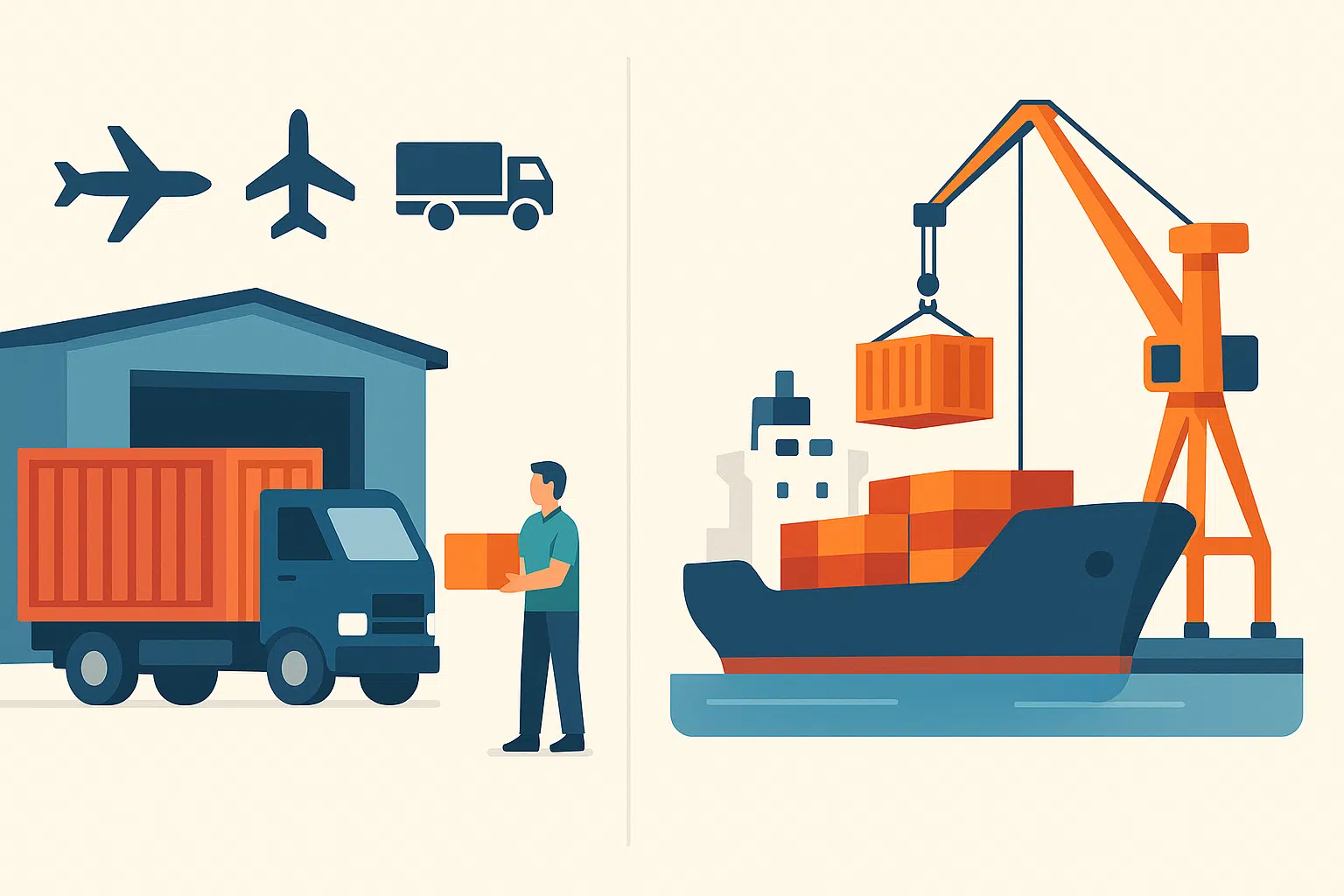
You may need to pay for a moving truck, professional movers, temporary storage, packing supplies, utility deposits, or new furniture. Some buyers may also need to coordinate vehicle transportation, appliance delivery, or repairs before the home is fully ready.
It is wise to create a separate moving and setup budget before closing. This can help you avoid putting too many post-move expenses on credit cards and make the transition into your new home smoother.
Think About Long-Term Financial Goals
Buying a starter home should support your larger financial life, not completely take it over. While saving for a down payment is important, it is also worth thinking about retirement planning, debt payoff, career changes, family goals, and future upgrades. Some buyers review employer plans, savings accounts, brokerage options, and tools such as SoFi IRA accounts as part of a broader plan for balancing homeownership with long-term financial security.
The goal is not to do everything perfectly at once. It is to make sure your home purchase fits into a sustainable plan, so you are not sacrificing every other financial priority just to get the keys.
Get Pre-Approved Before You Shop Seriously
A mortgage pre-approval can help you understand your borrowing power and show sellers that you are a serious buyer. To get pre-approved, you will usually need to provide pay stubs, tax documents, bank statements, and information about your debts.
Pre-approval is also a good time to compare lenders. Look at interest rates, loan fees, communication style, and available loan programs. Once you are pre-approved, avoid major financial changes such as taking on new debt, changing jobs, or making large unexplained deposits without talking to your lender first.
Final Thoughts
Preparing financially before buying a starter home can make the entire process less stressful. By understanding your budget, building savings, protecting your credit, estimating all costs, and planning for the move, you can make a more confident decision.
A starter home should be a step forward, not a source of constant financial pressure. With the right planning, you can buy a home that fits your needs today while still leaving room for your future goals.