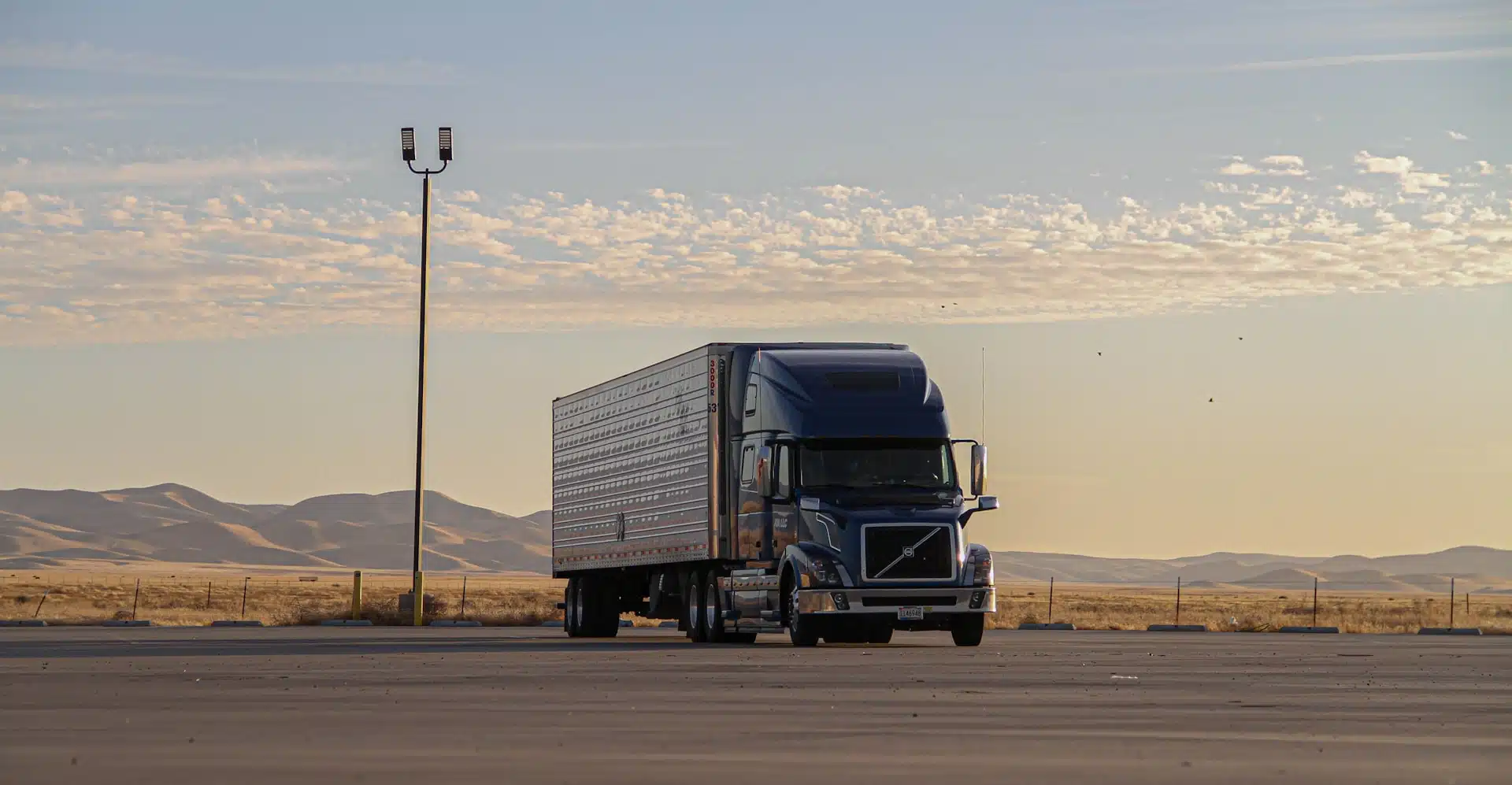
A commercial truck is more than a vehicle. It is part of the way a business keeps promises, makes deliveries, serves customers, and protects its reputation. When body damage, dents, paint problems, frame concerns, or wear and tear get ignored, small issues can quickly turn into downtime, safety risks, and a truck that no longer represents the business well.
If you are looking for support with repairs or want to understand what proper care should involve, you can visit The Truck Body Shop and learn more about what professional service can look like for hardworking vehicles. The real goal is simple: keep trucks safe, presentable, and ready for the workday.
Why Truck Body Repair Is About More Than Looks
Body damage may seem cosmetic at first, but commercial vehicles take a beating in daily use.
A dented panel, cracked fiberglass, damaged box, bent frame, or scratched paint can affect more than appearance. Damage can expose the truck to moisture, rust, vibration, and structural stress. Over time, what started as a small problem may spread into something more expensive and harder to repair.
For businesses, appearance matters too. A truck often acts like a moving first impression. When it looks clean, cared for, and professional, it sends the right message. When it looks neglected, customers may wonder whether the same lack of care applies to the service behind it.
Repairing damage early helps protect the vehicle, the brand image, and the operation behind the wheel.
Downtime Is the Real Cost of Delayed Repairs
The repair bill is only one part of the problem when a truck is out of service.
For a business that depends on its vehicles, downtime can mean missed jobs, delayed deliveries, frustrated customers, rescheduled routes, and extra strain on the rest of the fleet. One truck sitting idle can create a ripple effect across the whole operation.
That is why waiting too long to address body or structural issues can be risky. A truck with minor damage may still be drivable today, but that does not mean it will stay that way. Loose panels, weakened parts, water intrusion, and alignment issues can get worse with every mile.
A proactive repair approach helps prevent those surprises. Instead of waiting for a truck to become unusable, owners and fleet managers can plan repairs when they are more manageable. That makes it easier to control schedules, reduce disruption, and keep the business moving.
Small Dents Can Create Big Problems
Dents are common on commercial trucks, especially vehicles that spend time near loading docks, tight parking areas, warehouses, job sites, or busy traffic.
At first, a dent might seem harmless. If the truck still runs and the damage does not look severe, it can be tempting to ignore it. The problem is that dents can weaken panels, crack paint, trap moisture, or hide deeper impact damage underneath the surface.
A dent near a seam, door, panel edge, or structural area deserves extra attention. These spots can affect how parts fit, seal, or move. A door that does not close cleanly, a panel that no longer lines up, or a cracked coating can create long-term issues.
Professional dent correction helps restore both appearance and function. It also gives a trained eye the chance to check whether the damage is only surface-level or part of a larger concern.
Paint Protection Matters More Than People Think
Paint is not just there to make a truck look good. It helps protect the surface underneath.
When paint fades, chips, peels, or gets scratched, the exposed material becomes more vulnerable to corrosion and weather damage. Vehicles often face sun, rain, road debris, washing chemicals, grime, and constant outdoor exposure. Over time, that wear can break down the finish.
A quality refinishing job can make a truck look sharper while also adding a layer of protection. This is especially important for vehicles that customers see regularly. A clean, consistent finish helps the truck feel professional and well maintained.
Paint work should be handled with care because matching color, preparing the surface, and applying the finish properly all matter. A rushed paint job may look fine at first, but poor prep can lead to peeling, uneven texture, or premature wear.
Box Damage Can Disrupt the Whole Operation

For box trucks, the cargo area is one of the most important parts of the vehicle.
Damage to the box can affect security, weather protection, loading efficiency, and cargo safety. Cracks, holes, loose panels, damaged doors, leaks, and impact damage can all interfere with daily use. If the box cannot protect what is inside, the truck is not doing its job properly.
Even small leaks can be a serious issue. Moisture can damage cargo, create odors, weaken materials, and lead to hidden deterioration. Door problems can also slow down loading and unloading, especially if drivers have to fight with hardware during every stop.
Repairing box damage helps restore the truck’s usefulness. It can also prevent minor wear from turning into a larger structural issue that takes longer to fix.
Frame Concerns Should Never Be Ignored
Frame damage is one of the most serious issues a truck can face.
Unlike a scratch or small dent, frame problems can affect safety, handling, alignment, and overall vehicle integrity. A truck with frame damage may not drive correctly, may wear tires unevenly, or may place stress on connected components.
Frame issues can happen after collisions, heavy impacts, repeated strain, or certain types of loading accidents. Sometimes the damage is obvious. Other times, the truck may simply feel off, pull to one side, or show unusual wear patterns.
This is not the kind of repair that should be guessed at. It requires proper equipment, skilled evaluation, and careful repair work. Getting the frame assessed by professionals helps protect the driver, the vehicle, and everyone sharing the road.
Fiberglass Damage Needs Careful Attention
Many commercial vehicles use fiberglass components because the material is lightweight, versatile, and useful for certain body parts.
When fiberglass cracks, punctures, splits, or breaks, it needs more than a quick patch. Poorly repaired fiberglass can continue to crack or fail under vibration and weather exposure. It may also let moisture enter areas that should stay sealed.
Proper fiberglass repair involves cleaning, preparing, shaping, reinforcing, and finishing the damaged area so it looks right and holds up. When done well, the repair can restore both appearance and protection.
This is especially important on panels, roof caps, fairings, and other exposed areas. These parts help with function, aerodynamics, and presentation, so they should be repaired before the damage spreads.
A Clean Truck Works Hard for Your Image
Detailing may not seem as urgent as collision repair, but it still has real value.
A clean truck gives drivers a better work environment and gives customers a better impression of the business. Dirt, grime, road film, and buildup can make a vehicle look older than it is. Interior mess can also affect comfort, visibility, and daily pride in the vehicle.
Regular detailing can help protect surfaces, remove stubborn buildup, and keep the vehicle looking sharp. For fleets, consistent appearance across vehicles can make the business feel more organized and professional.
The truck does not have to look brand new forever, but it should look cared for. That alone can say a lot.
Choosing the Right Repair Partner Matters
Not every repair shop is built for commercial trucks, and that matters.
These vehicles have different demands than personal cars. They may be larger, heavier, more complex, and more important to daily business operations. A shop that understands commercial needs should value clear communication, practical timelines, durable repairs, and the importance of getting vehicles back to work.
The right repair partner should be able to explain the damage, outline the repair process, and help you understand what needs immediate attention versus what can be planned. This level of communication is especially helpful for fleet managers who need to make smart decisions across multiple vehicles.
Good repairs should feel organized, not chaotic. When the process is clear, the business can plan around it with more confidence.
Build Repair Care Into Fleet Maintenance
Truck body care should not only happen after an accident.
A regular inspection routine can help catch early signs of trouble. Drivers and managers should look for dents, cracks, loose panels, rust, paint damage, door problems, leaks, frame concerns, and unusual wear. These checks do not need to be complicated. They just need to be consistent.
When small issues are reported early, repairs can be scheduled before they become bigger problems. That keeps trucks safer, cleaner, and more dependable.
Commercial trucks work hard. They deal with long hours, tough routes, tight spaces, heavy use, and constant exposure. Giving them proper body care helps protect the investment and the business behind it.
Keep Every Truck Ready for the Road Ahead
A well-maintained truck does more than look good. It supports safety, productivity, customer trust, and daily operations.
From dent correction and paint refinishing to box repair, fiberglass work, frame repair, and detailing, every service plays a role in keeping these vehicles reliable and professional. Ignoring damage may feel easier in the moment, but it can create higher costs, longer downtime, and bigger problems later.
The smarter approach is to treat truck body care as part of business maintenance. When vehicles are repaired properly and cared for consistently, they are better prepared to keep working, keep representing the business well, and keep moving without unnecessary setbacks.