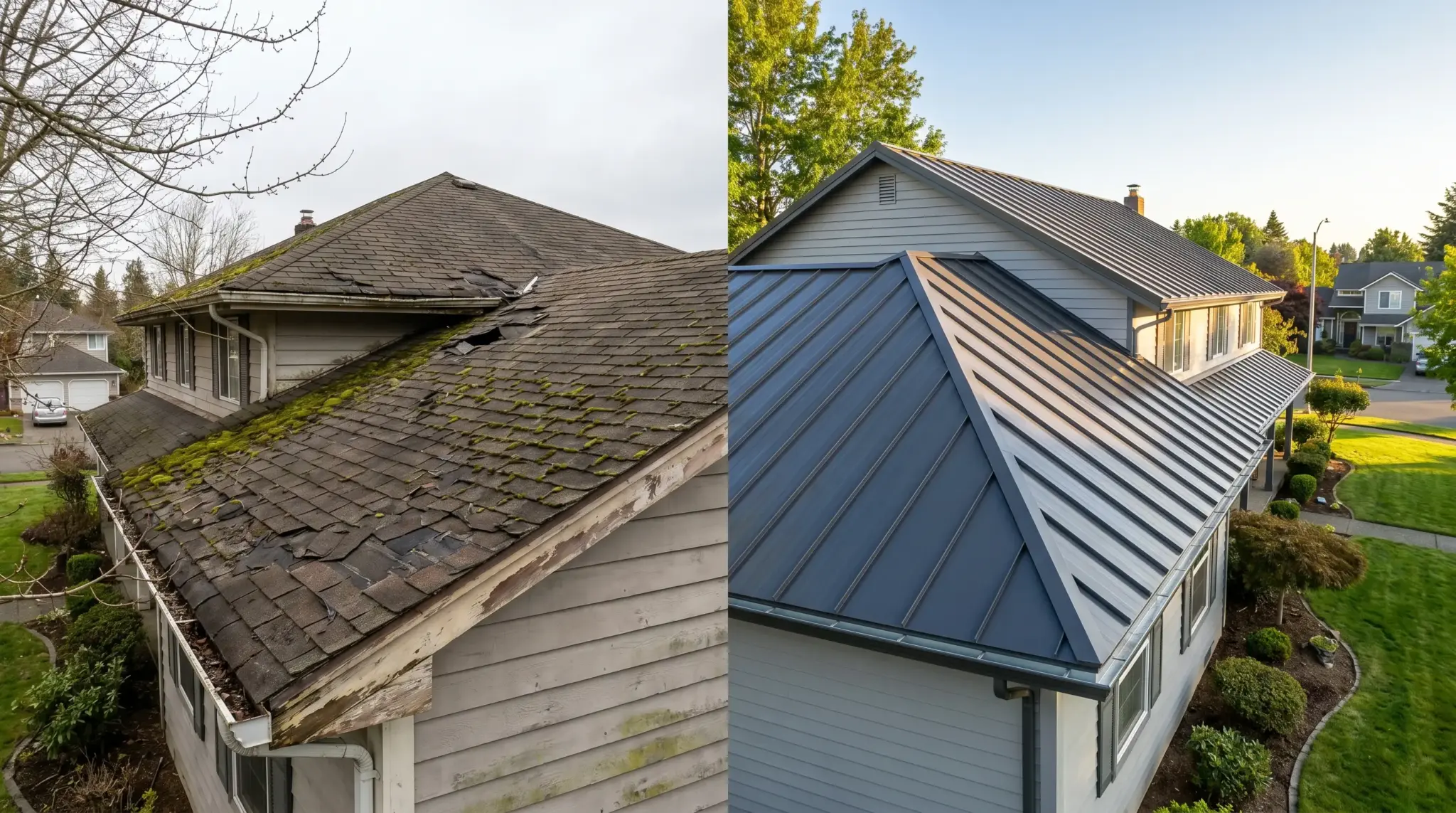
Signs That Indicate It’s Time to Upgrade to Custom Metal Roofs
A roof helps to protect a home’s structure from weather exposure and materials that begin to wear down, which can affect performance and durability. Recognizing early signs of decline helps prevent structural issues and supports better planning for long-term improvements. Paying attention to visible and functional changes ensures that roofing decisions are based on actual conditions rather than assumptions.
When repairs start to occur more frequently, it sometimes signals that the roofing system is no longer functioning as intended. In such cases, transitioning to custom metal roofs becomes a practical consideration due to their durability and structural consistency. Many property owners explore custom metal roof services to address recurring roofing concerns while improving long-term protection and energy efficiency.
Visible Damage and Structural Changes
Surface Deterioration and Material Breakdown
Shingles that curl, crack, or lose granules indicate that the roof’s outer layer is no longer providing effective coverage. These signs sometimes develop due to prolonged exposure to sunlight, moisture, and temperature changes. Once the surface begins to break down, underlying layers become vulnerable to damage.
Sagging or Uneven Rooflines
A noticeable dip or uneven section along the roofline points to structural stress or weakened support systems. This condition may result from trapped moisture, aging materials, or compromised decking. Addressing this issue requires more than surface repair, as it involves restoring structural stability.
Persistent Water Stains and Interior Impact
Water stains on ceilings or walls suggest that moisture has penetrated the roofing system. Over time, this can affect insulation, weaken interior materials, and lead to further structural concerns. A roofing upgrade helps eliminate these entry points and supports a more secure barrier.
Performance Issues That Affect Daily Function
Rising Energy Consumption
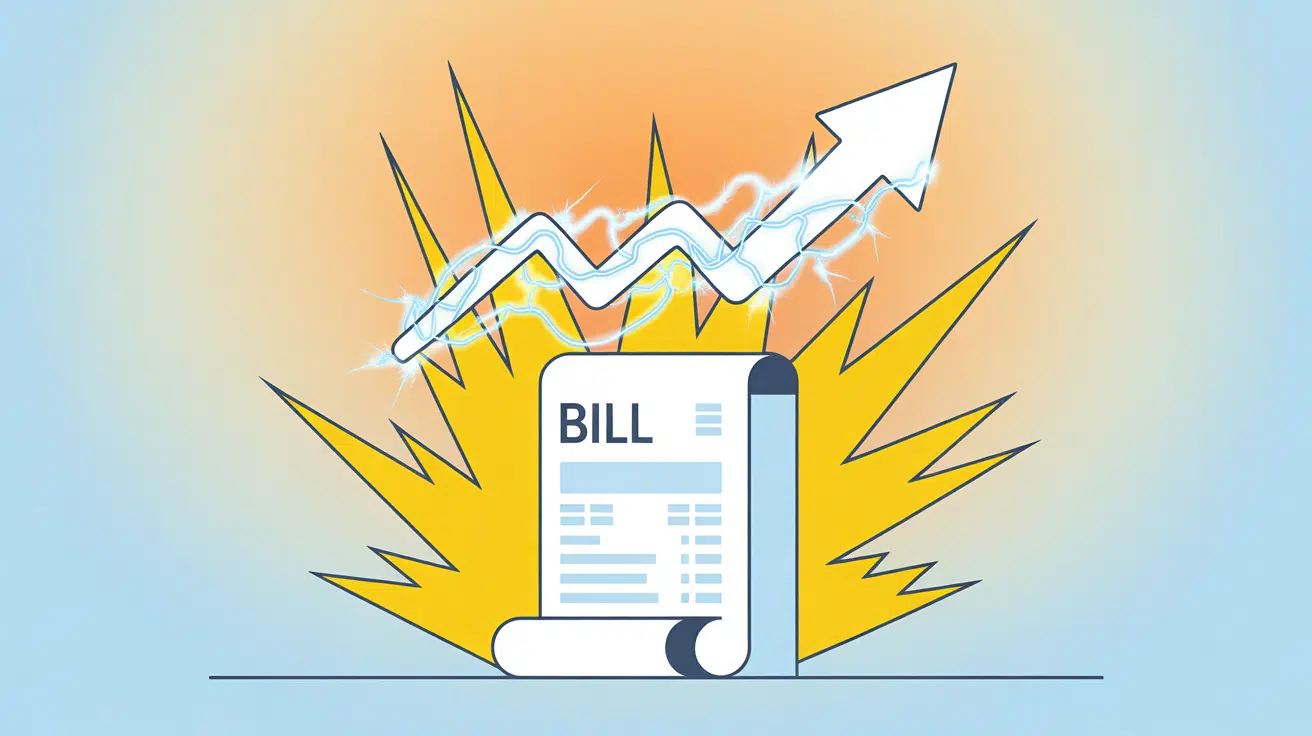
An aging roof can lose its ability to regulate indoor temperatures effectively. Poor insulation and ventilation contribute to heat buildup during warmer months and heat loss during cooler periods. This imbalance places additional strain on heating and cooling systems, leading to higher energy use.
Frequent Maintenance Requirements
Ongoing repairs, even if minor, indicate that the roof is no longer maintaining its integrity. Replacing sections repeatedly does not resolve underlying issues and can lead to inconsistent performance. Property owners usually consider custom metal roof services at this stage because they provide durable protection and reduce the need for ongoing maintenance.
Reduced Resistance to Weather Conditions
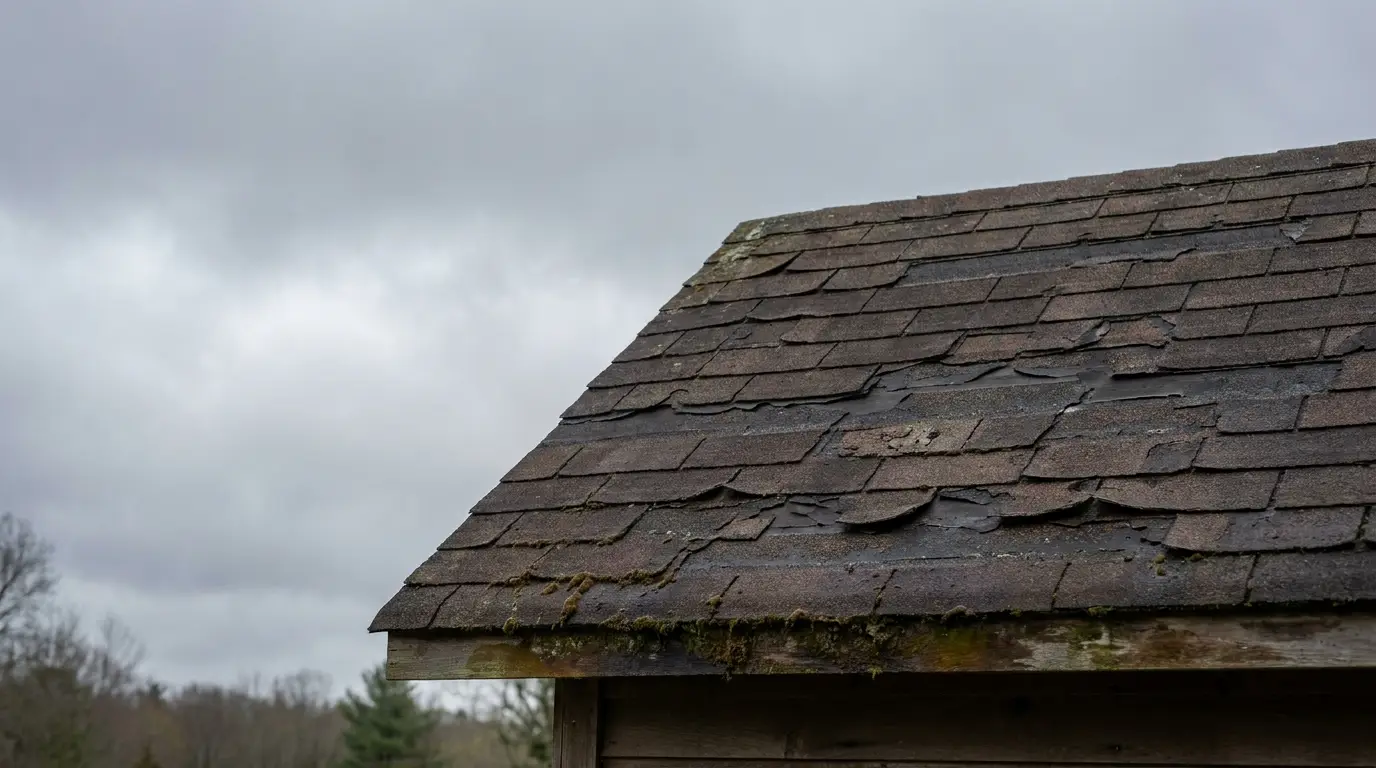
Exposure to heavy rain, wind, and seasonal changes gradually weakens traditional roofing materials. When a roof shows signs of lifting, loosening, or failing under normal weather conditions, it reflects a loss of resistance. A more durable roofing system helps restore consistent protection.
Additional Indicators Worth Attention
- Moss or Algae Growth: Trapped moisture encourages biological growth, which can accelerate material decay.
- Loose or Missing Components: Missing sections create gaps that expose underlying layers to external elements.
- Age Of The Roof: Roofing systems that have reached or exceeded their expected lifespan sometimes show multiple signs of wear simultaneously.
How to Identify Qualified Metal Roofing Contractors for Accurate Upgrades
Qualified contractors assess structural integrity, ventilation, and load capacity before recommending any upgrade, ensuring the roofing system matches the building’s actual condition. Their expertise in fabrication, panel alignment, and fastening methods supports proper installation, which directly affects drainage, weather resistance, and long-term durability. This level of precision helps prevent recurring issues and maintains consistent roof performance over time.
Recognizing the signs that indicate the need for a roofing upgrade allows for timely and effective action. Visible damage, structural changes, and declining performance all point toward the need for a more reliable solution. So, choosing an upgrade based on these factors supports long-term stability, improves energy efficiency, and reduces ongoing maintenance concerns.