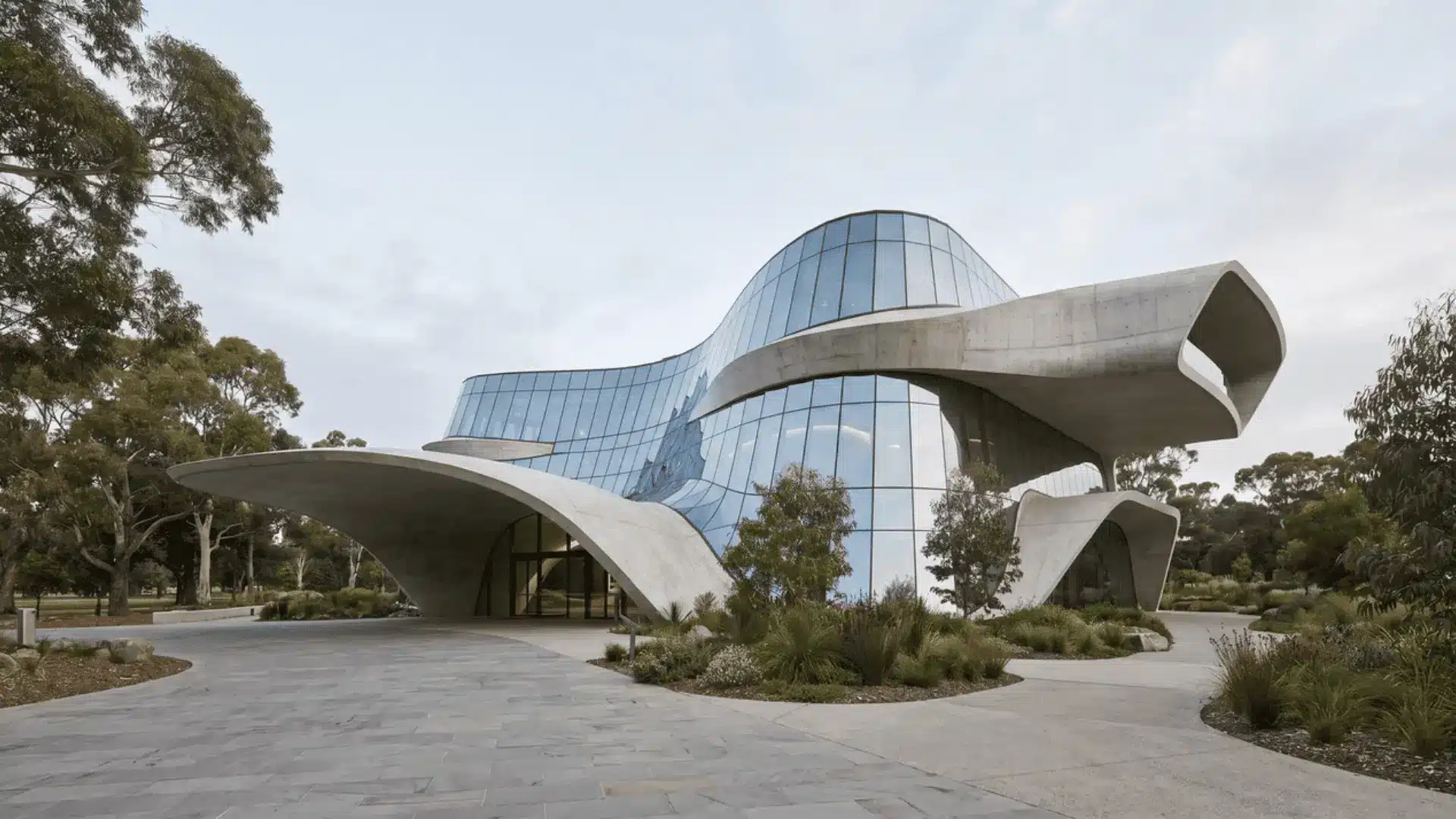
Modern architecture has changed the way buildings look and how we use them. It’s not just about tall towers or striking shapes; these designs tie style and function together in ways that still feel fresh decades after they were built.
Today, I’ll cover some of the most iconic modern buildings in the world, explain what makes modern design stand out, and share practical ideas drawn from these principles.
You’ll see how modern architecture shapes the spaces around us and why these buildings continue to draw visitors, spark debate, and inspire designers everywhere.
What is Modern Architecture?
Modern architecture is a design movement that emerged in the late 19th century and reached its peak influence in the mid-20th century. It grew out of a straightforward idea: buildings should be shaped by what they need to do, not by decorative tradition.
The phrase that defined this shift came from American architect Louis Sullivan, who wrote in 1896 that “form ever follows function.“
It became the movement’s guiding principle: a building’s shape, materials, and layout should emerge from its purpose, not be applied over it. Le Corbusier took this further, describing the house as a “machine for living,” a structure engineered around how people actually move, work, and rest.
The movement broke from the ornate historical styles that came before it: Gothic arches, baroque facades, classical columns, and replaced them with clean lines, honest materials, and open spaces.
New construction technologies made this possible. Reinforced concrete, structural steel, and large-scale plate glass allowed architects to build in ways that simply weren’t available before.
After World War II, modern architecture became the dominant approach for public and institutional buildings across Europe and North America, eventually spreading worldwide.
The movement produced distinct sub-styles: the precise geometry of the International Style, the raw concrete honesty of Brutalism, the organic expressionism of architects like Frank Lloyd Wright, but all shared a core belief: that good design solves real problems, and that beauty follows from that.
Modern Buildings Around the World
Modern architecture has redefined cityscapes and inspired design movements worldwide. Here’s a look at some of the most iconic modern buildings that have made a lasting impact:
1. Guggenheim Museum, New York
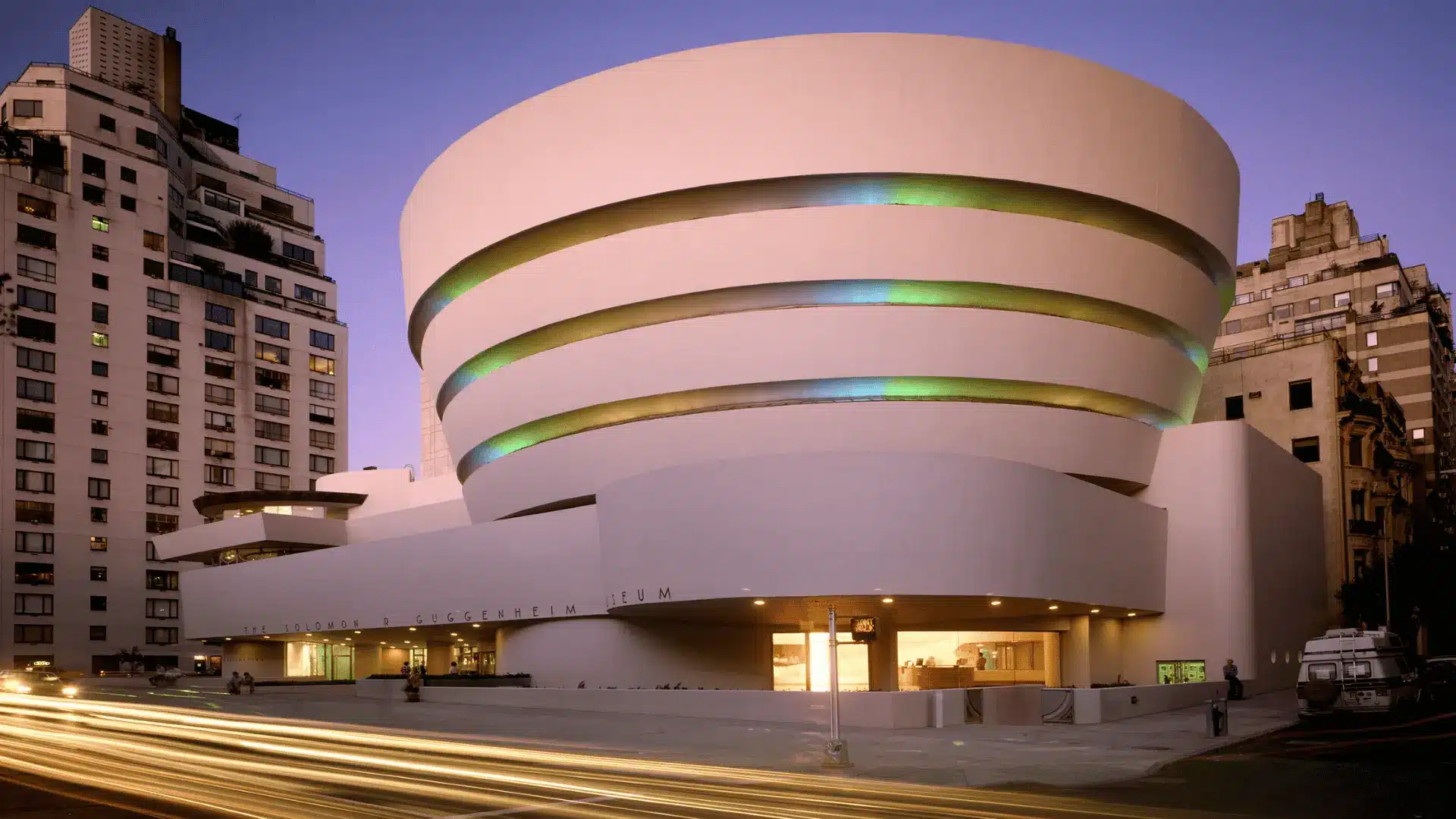
The Guggenheim Museum replaced the traditional gallery sequence, room after separate room, with a single continuous spiral ramp.
Visitors ride the elevator to the top and descend through the collection without interruption, the art always encountered in motion.
When it opened in 1959, the building itself became as discussed as anything inside it.
2. Fallingwater, Pennsylvania
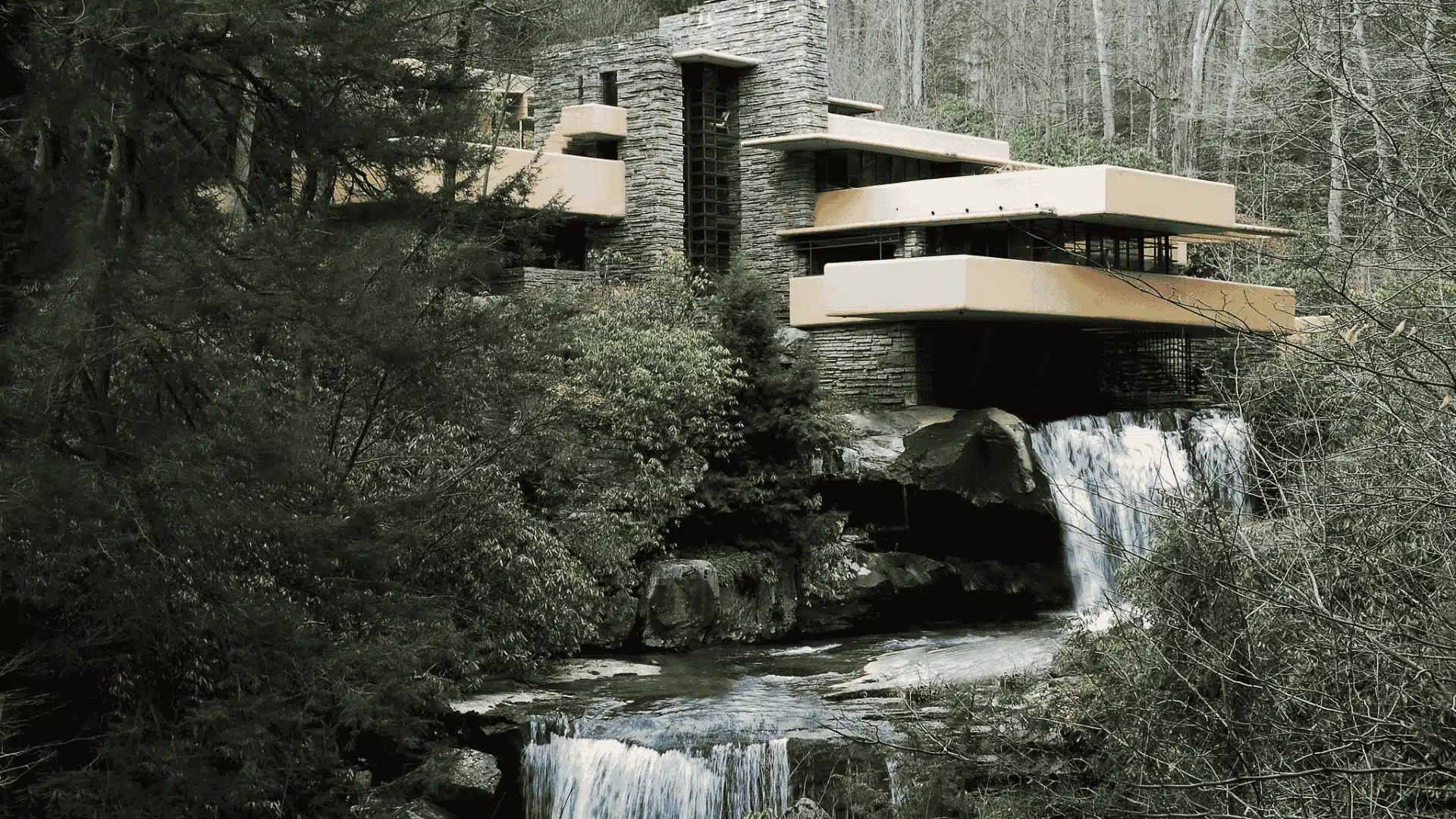
Built directly over a waterfall in rural Pennsylvania, Fallingwater is the clearest expression of Wright’s belief that a building should intensify its site rather than dominate it.
Cantilevered concrete trays extend over the water, anchored to the natural rock below, so the structure and landscape read as a single continuous experience.
3. Burj Khalifa, Dubai
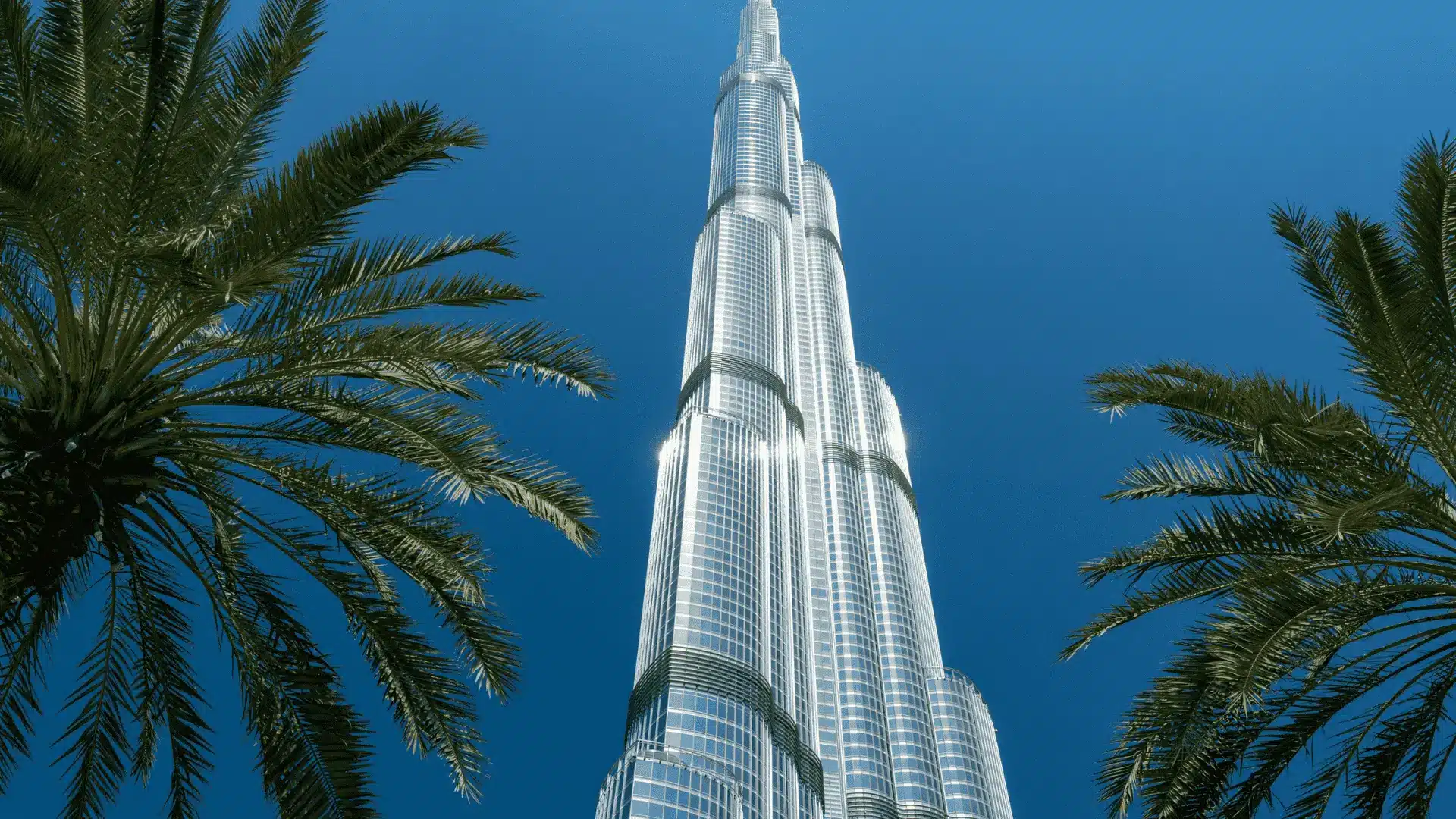
At 828 meters, the Burj Khalifa remains the tallest building in the world.
Its tapered, stepped form isn’t just visual; it was engineered to reduce wind load at height, allowing the structure to go taller than a conventional tower design would allow.
The result is a building where the engineering and the aesthetic are the same decision.
4. Sydney Opera House, Australia
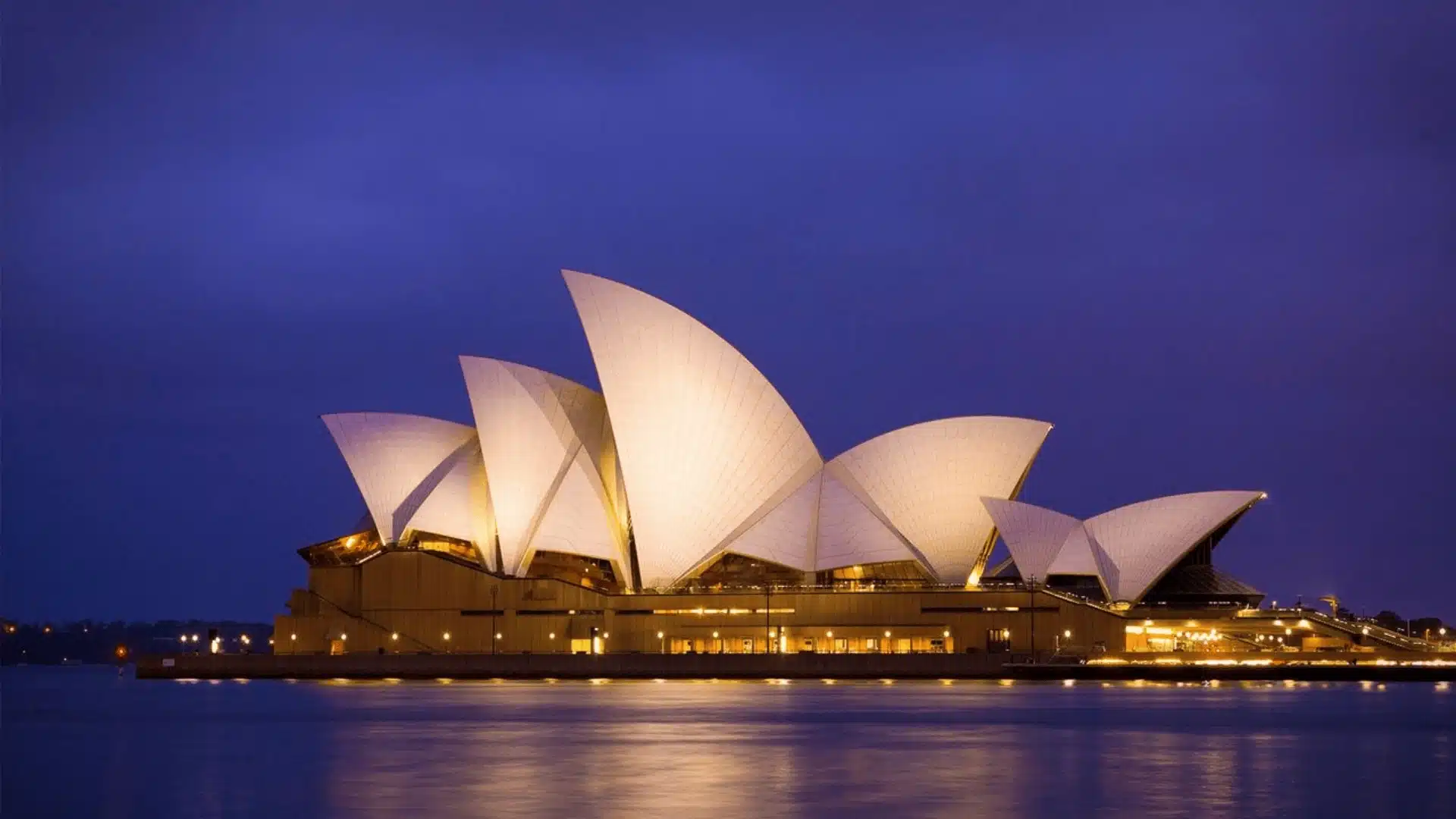
Jørn Utzon’s interlocking shell vaults made the Sydney Opera House one of the most recognized structures on earth, but the design nearly wasn’t built.
The roof geometry was considered structurally unbuildable until Utzon solved it using segments of a single sphere; a solution that made the shells both consistent in form and possible to construct.
5. The Shard, London
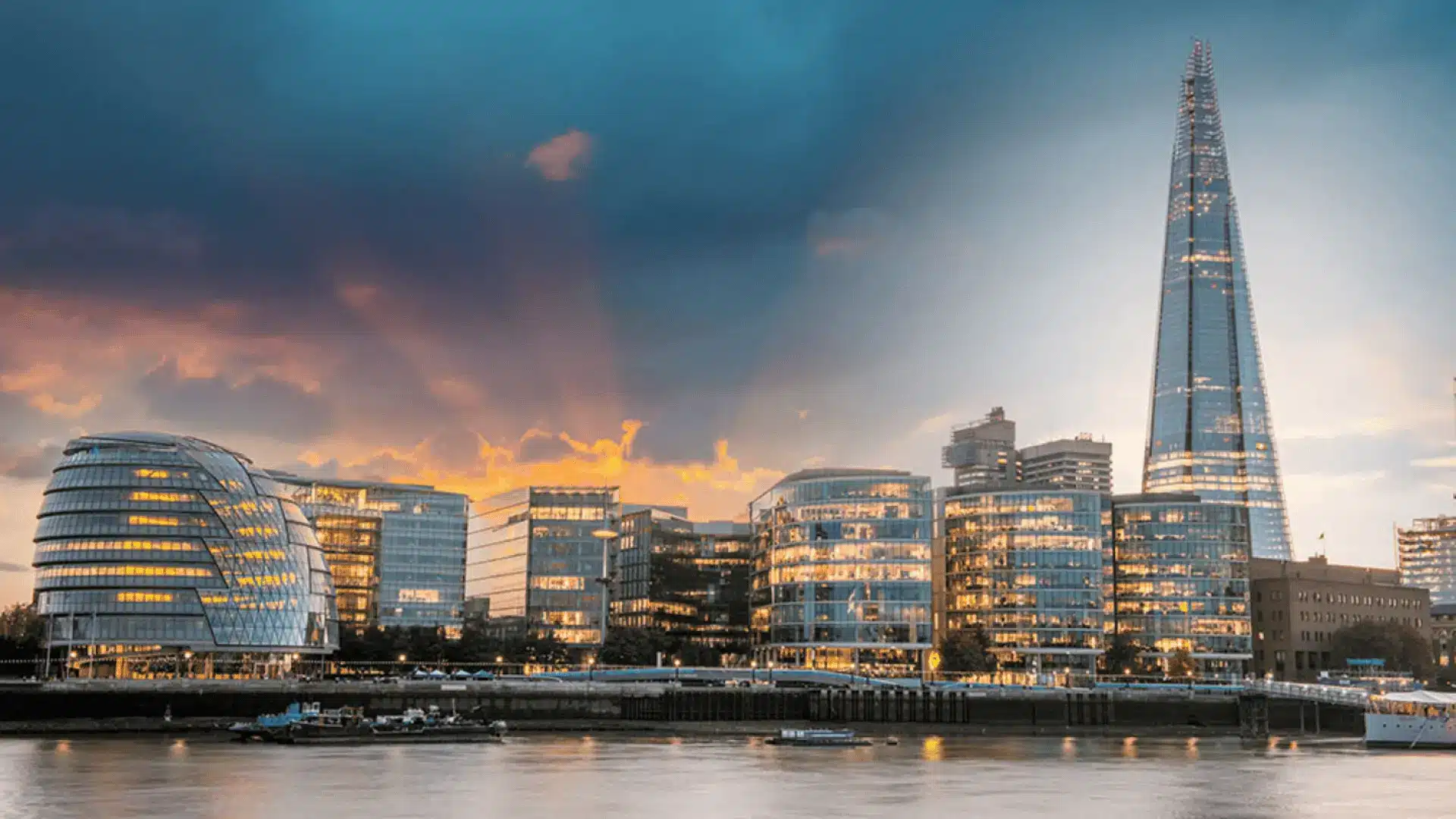
Renzo Piano designed The Shard as a vertical city rather than a conventional office tower, stacking restaurants, offices, a hotel, residences, and a public viewing gallery into a single 310-meter structure.
The fragmented glass facade was intentional: the irregular panels reflect sky and light differently throughout the day, so the building never looks quite the same twice.
Visual Characteristics of Modern Architecture
Modern architecture is immediately recognizable, but what you see on the surface reflects a clear set of principles: a building’s appearance should follow directly from what it does and how it’s built.
- Minimalism: Clean lines, open plans, and geometric forms aren’t stylistic preferences — they’re what’s left when everything non-functional is removed. Modern architecture treats decorative ornament as dishonest; structure, space, and material do the work instead.
- Honest use of materials: Glass, concrete, and steel are left visible because their appearance is the design. Glass dissolves boundaries between inside and out. Raw concrete expresses mass. Steel enables spans that masonry never could.
- The International Style: Codified in the 1920s–30s by Mies van der Rohe, Le Corbusier, and Gropius, the International Style, with flat roofs, open floor plans, undecorated facades, and floor-to-ceiling glazing, became the most widely adopted expression of modern architecture and still defines skylines worldwide.
- Integration with nature: Frank Lloyd Wright’s organic approach placed buildings in direct dialogue with their site rather than imposing on it. Fallingwater, cantilevered over a waterfall, is the clearest example: building and landscape as a single experience.
- Dynamic form: Curves, sharp angles, and asymmetric profiles give modern buildings a sense of movement. These forms typically followed structural logic, acoustic needs, or site conditions — shape as a consequence, not decoration.
Curated List of Iconic Modern Architecture Projects
Modern architecture is more than just buildings, it’s a statement of innovation and vision. Every iconic structure tells a story of boldness, creativity, and the courage to redefine design.
Here’s a look at five buildings that shaped the modern world.
1. Bauhaus Dessau, Germany
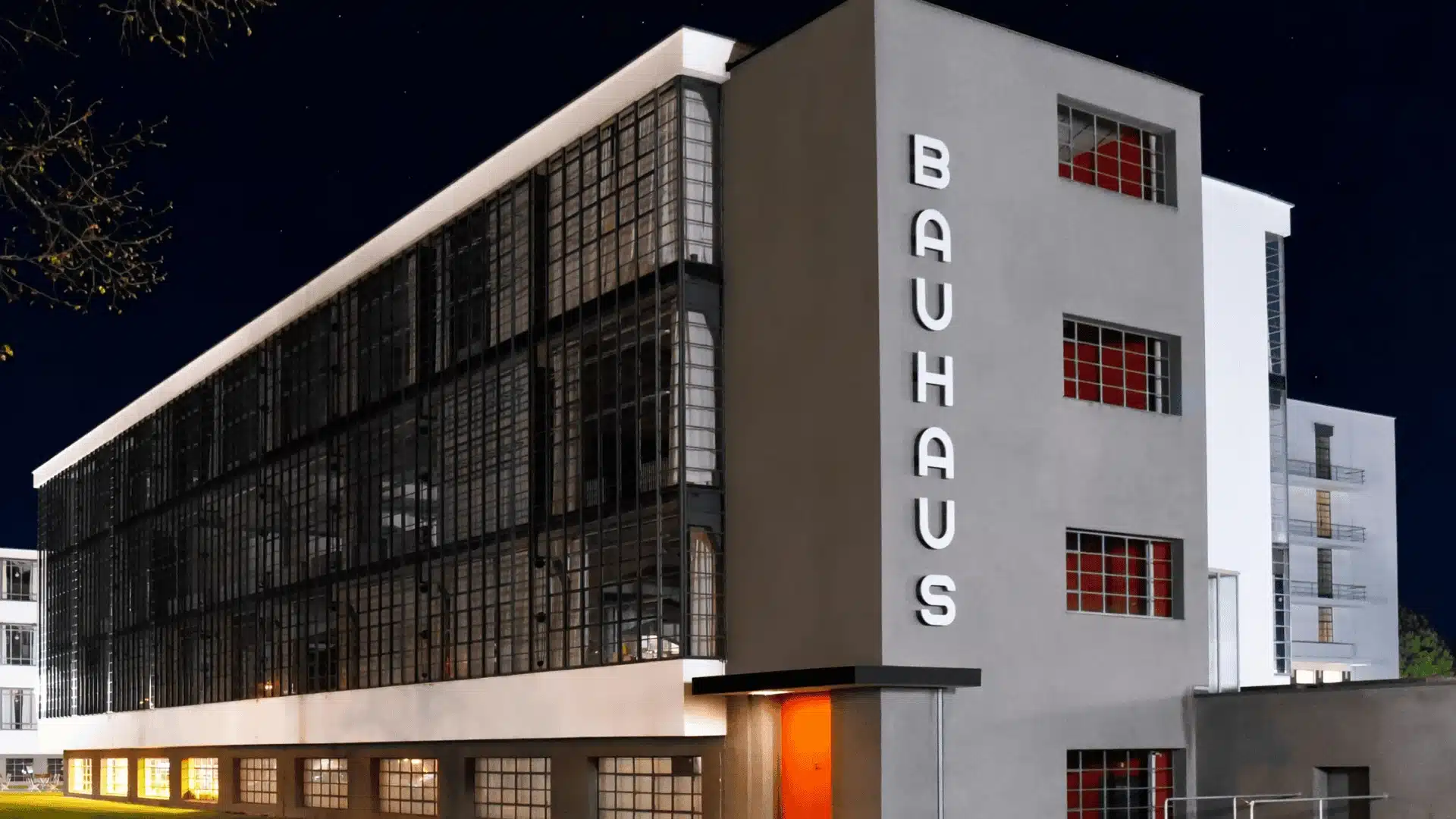
Built in 1926 by Walter Gropius, Bauhaus Dessau was designed around one core belief: form should follow function. Clean lines, flat roofs, and large glass curtain walls replaced ornate styles of the past.
Key design features that made it iconic:
- Minimalist structure with no unnecessary decoration
- Large glass curtain walls for natural light
- Flat roofs and clean geometric lines
2. Villa Savoye, France
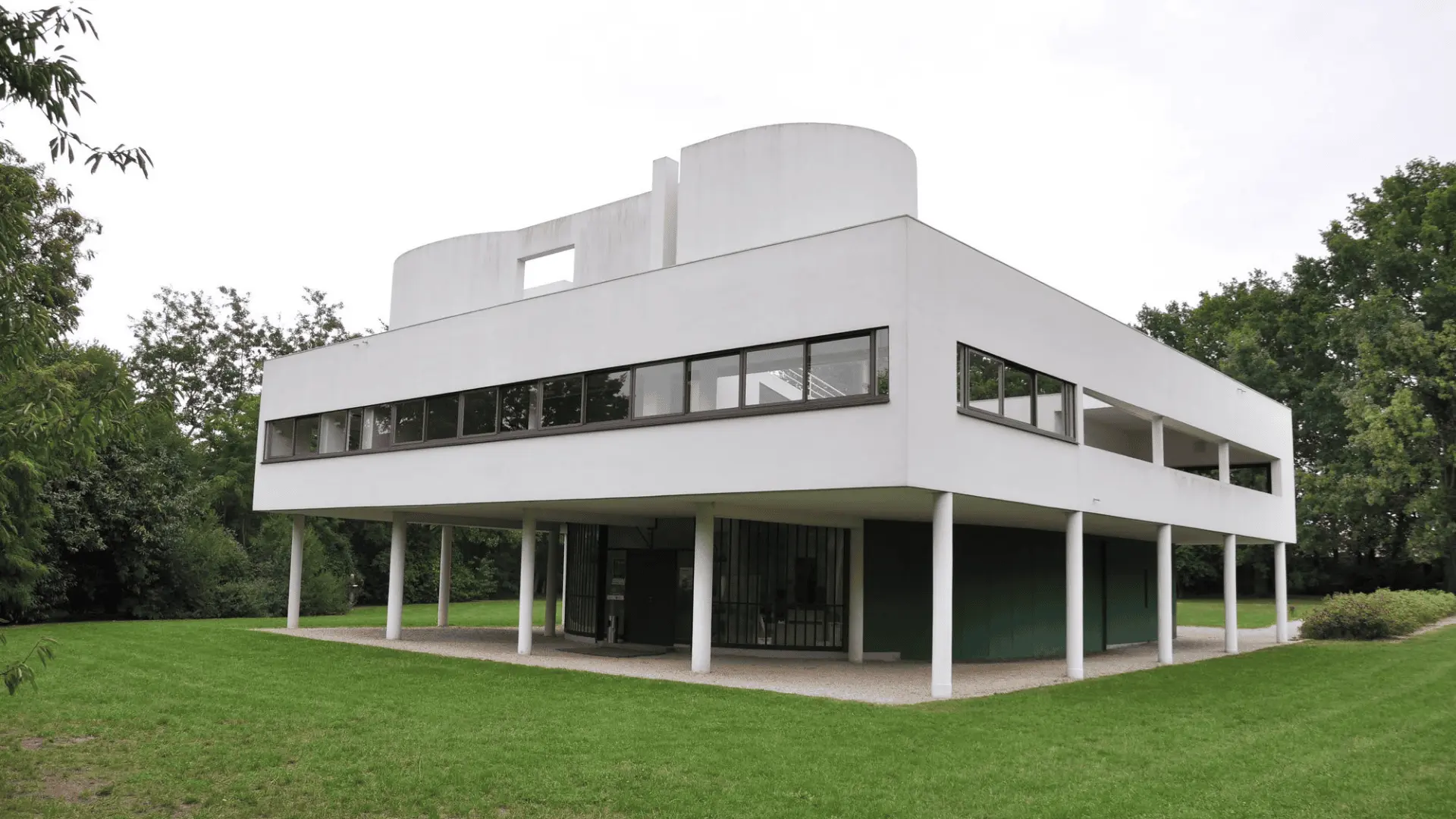
Completed in 1931, Villa Savoye by Le Corbusier is the clearest proof of his idea that buildings should be “machines for living.” Slender concrete pilotis lift the house off the ground, while ribbon windows and an open floor plan let light and air move freely.
The principles Le Corbusier built it around:
- Pilotis to free the ground floor
- Open floor plan without load-bearing walls
- Free facade design
- Horizontal ribbon windows
- A rooftop garden
3. Barbican Centre, UK
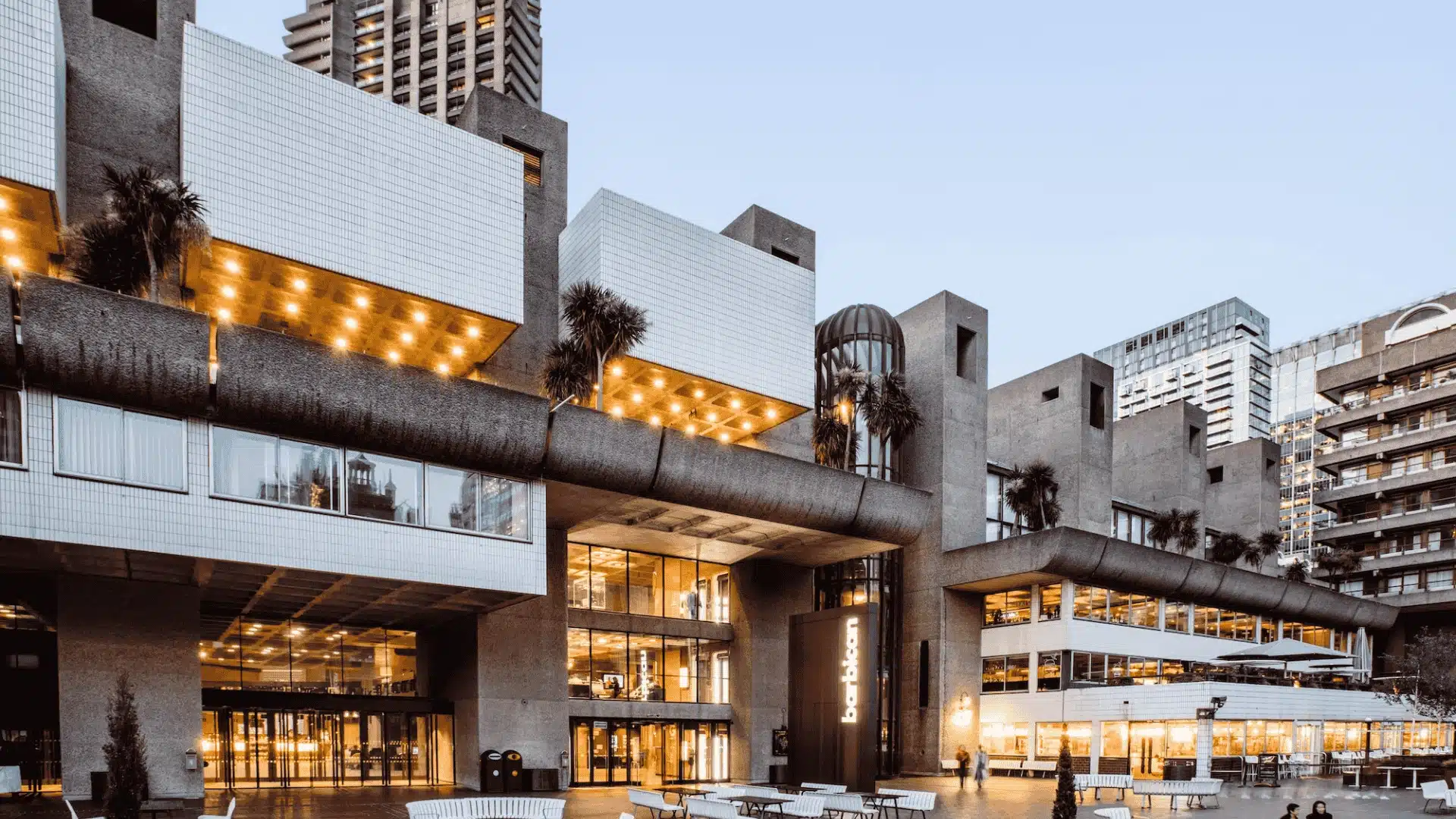
Completed in 1982, the Barbican Centre was designed as a bold post-war urban renewal project using raw concrete and striking geometric forms. What once felt cold and industrial has become one of the most celebrated Brutalist landmarks in the world.
What makes the Barbican more than just a building:
- A self-contained community with housing, arts venues, and public spaces
- Bold angular forms and elevated walkways woven into one cohesive structure
4. Walt Disney Concert Hall, USA
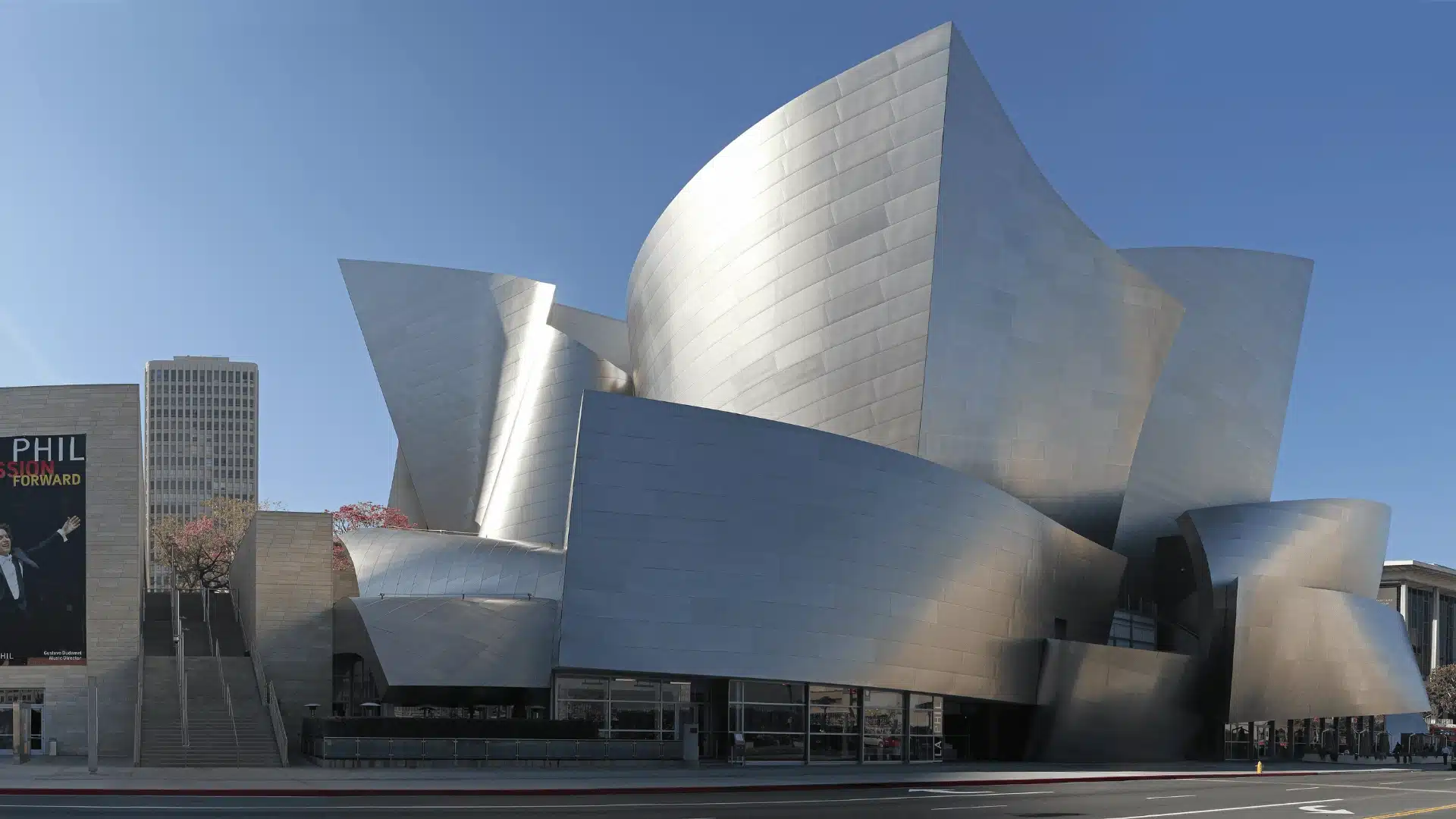
Opened in 2003, Frank Gehry’s Walt Disney Concert Hall in Los Angeles is wrapped in sweeping curves of polished stainless steel that shift and shine throughout the day. It looks like a ship in full sail, dynamic, alive, and unlike anything built before it.
What sets it apart inside and out:
- Fluid stainless steel exterior that changes with the light
- World-class acoustics paired with a warm, organic wood interior
5. Centre Pompidou, France
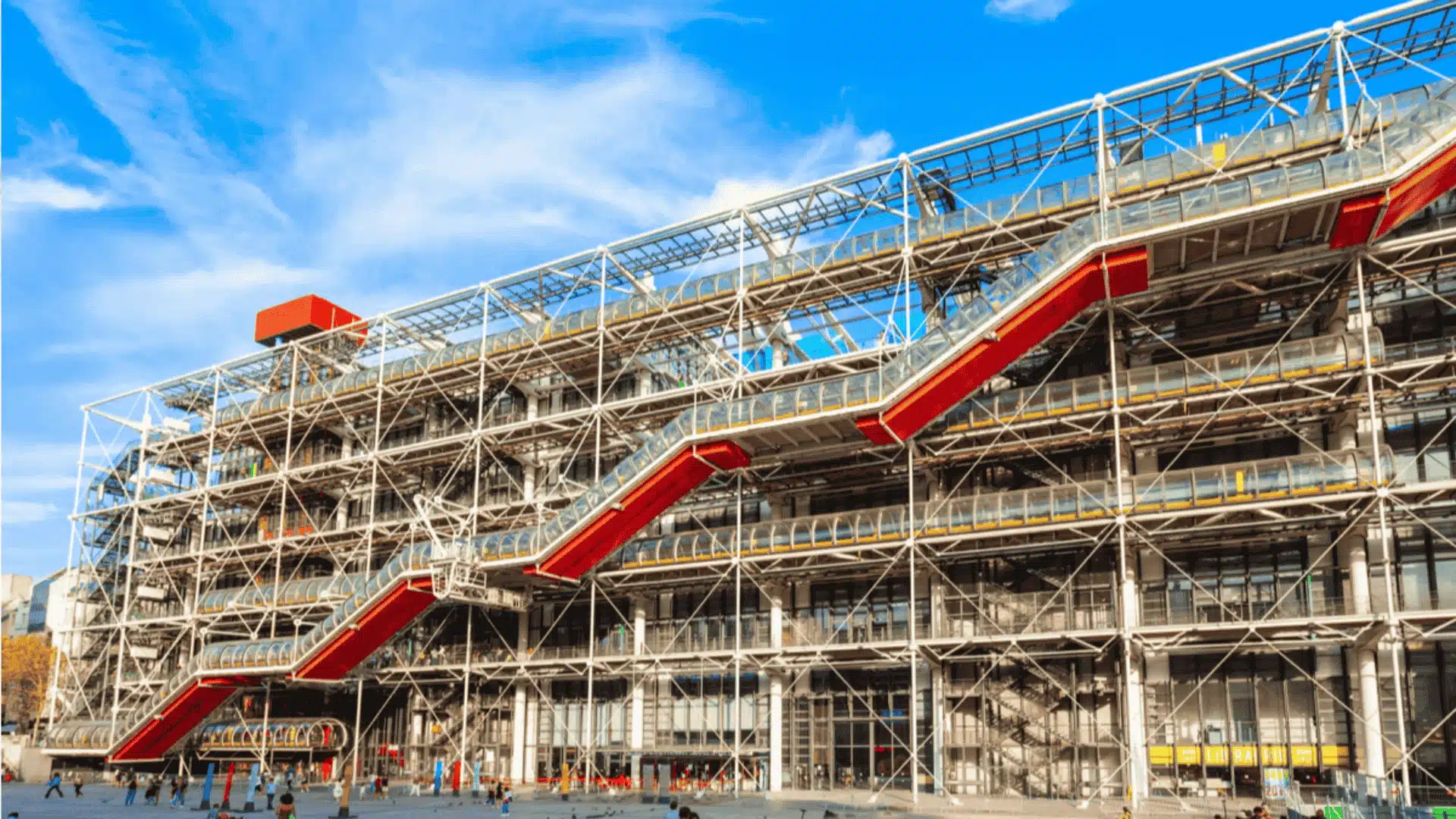
Completed in 1977 by Renzo Piano and Richard Rogers, the Centre Pompidou in Paris turned conventional architecture completely inside out.
All the structural and mechanical systems, pipes, ducts, escalators, and steel frames, were placed on the outside, leaving the interior completely open and flexible.
What makes it a bold landmark of modern design:
- Exposed structural systems on the exterior, color-coded by function
- A fully open interior that redefined how public cultural spaces could be used
Modern Architecture Design Ideas for Inspiration
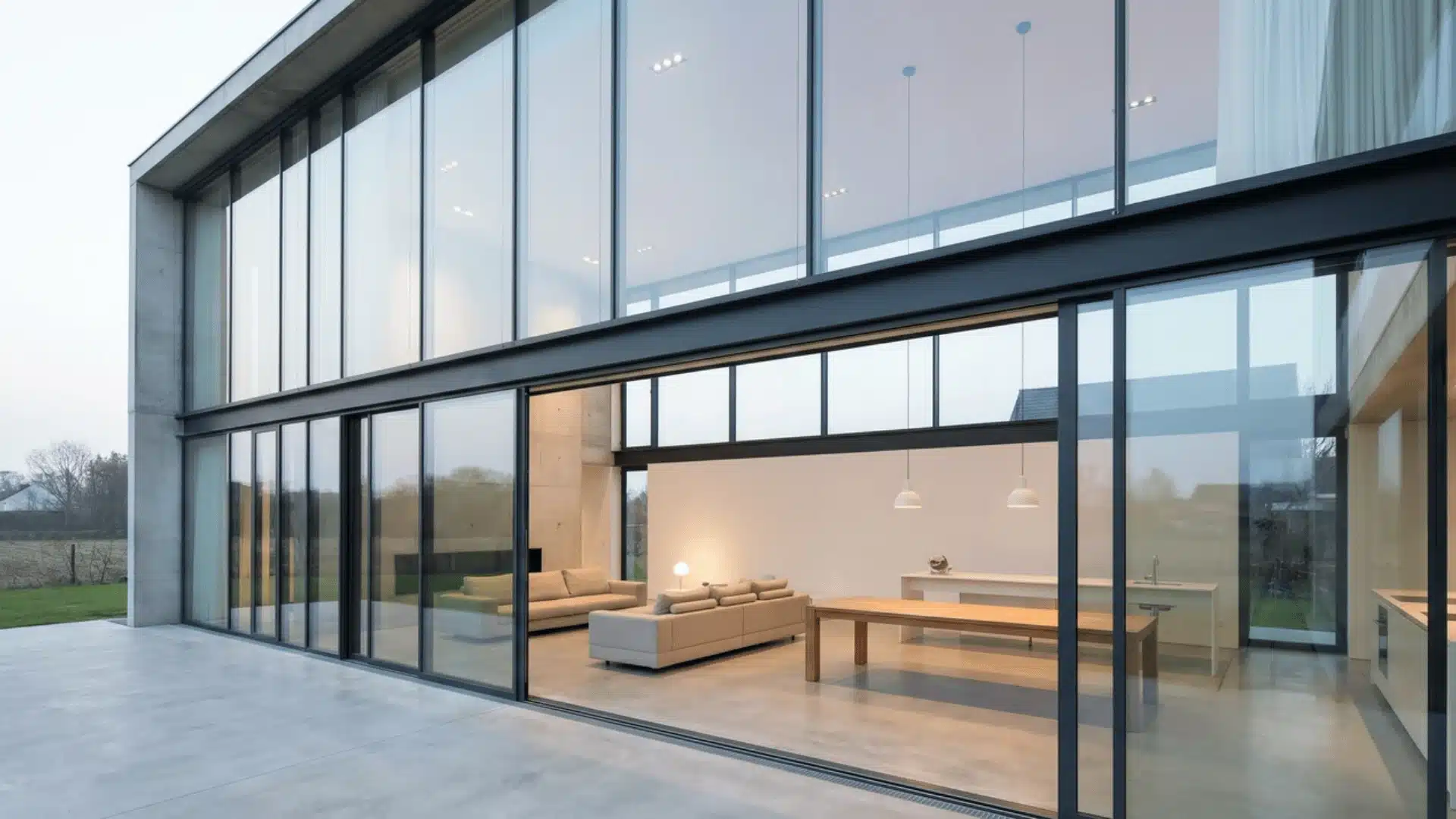
Modern architecture isn’t just for grand public buildings, its principles can inspire everyday spaces too. From open interiors to sustainable facades, these ideas blend function with striking visual appeal.
Open Concept Interiors
Open concept design is all about removing barriers and letting space flow naturally. Minimal walls, thoughtful furniture placement, and clean finishes work together to create interiors that feel airy and intentional.
- Unnecessary walls are the first thing to reconsider; their absence turns fragmented rooms into a single, connected living space.
- Use sliding or folding partitions for flexible layouts that adapt to different needs
- Choose neutral tones and natural textures to maintain a clean, uncluttered atmosphere
Glass Facades and Floor-to-Ceiling Windows
Glass changes a building’s relationship with light and its surroundings. When used boldly, it blurs the line between inside and outside, making spaces feel larger and more connected to the world beyond.
- Floor-to-ceiling glass does more than admit light, it dissolves the boundary between the room and whatever lies outside it.
- Use double or triple-glazed panels for energy efficiency without sacrificing transparency
- Combine glass with steel frames for a sleek, industrial look that feels both bold and refined
Innovative Use of Concrete and Steel
Concrete and steel are no longer just structural materials, they’re design statements. Used with intention, they add raw texture, visual weight, and an industrial character that feels both timeless and modern.
- Exposed concrete walls read as cold in isolation; warm wood accents — a shelf, a ceiling panel, a floor — pull the temperature of the room back to something livable.
- Incorporate steel beams as visible structural elements that double as design features
- Experiment with curved concrete forms to add softness and sculptural interest to a space
Sustainable Design Features
Buildings account for roughly 40% of global energy consumption, which is why sustainable design has moved from a niche consideration to a baseline expectation in contemporary architecture.
From green roofs to passive ventilation, eco-conscious choices can be both beautiful and highly functional.
- Install green roofs with native plants to improve insulation and reduce urban heat
- Integrate solar panels seamlessly into facades or rooftops for clean energy generation
- Design rainwater harvesting systems and passive ventilation to cut energy and water use
Contemporary Urban Designs
Today’s urban buildings are expected to do more than just occupy space. They need to connect with their surroundings, serve multiple functions, and respond intelligently to the people who use them.
- Blend indoor and outdoor spaces using terraces, green walls, and sky gardens
- Incorporate smart building technology for automated lighting, climate, and energy management
- Design mixed-use spaces that combine residential, commercial, and community functions in one structure
These design ideas prove that modern architecture is as practical as it is beautiful. Whether you’re designing a home, a workspace, or a public building, these principles offer a strong foundation for creating spaces that feel timeless, purposeful, and inspiring.
Aesthetic Appreciation of Modern Architecture
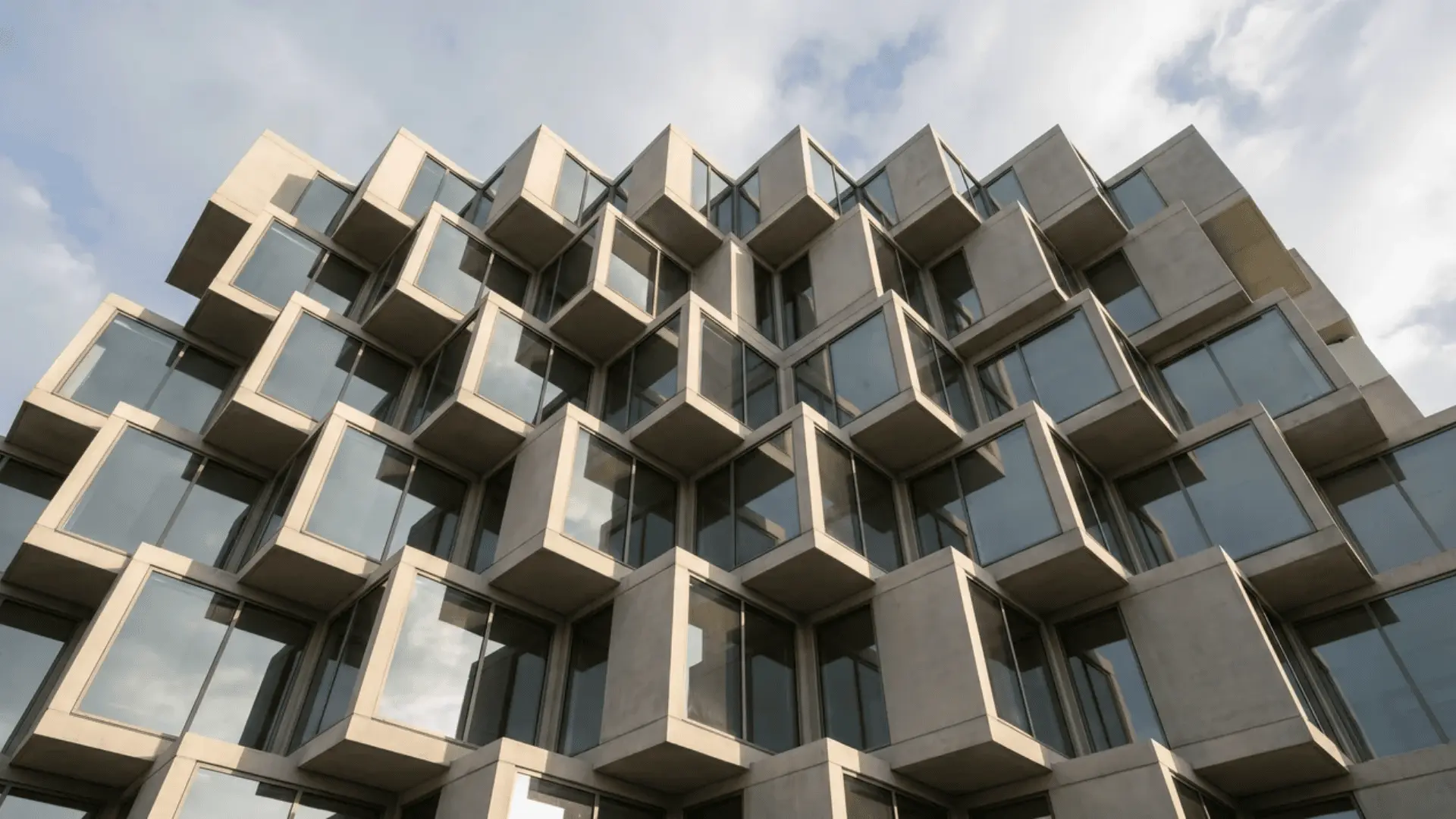
Visual Balance and Harmony
Modern architecture finds beauty through balance, a thoughtful relationship between form, space, and proportion. When these elements align, a building feels effortless and inevitable.
- Use of geometric repetition and clean lines creates a sense of visual rhythm across a facade
- Negative space is treated as intentionally as built form, giving structures room to breathe
- Symmetry is often broken deliberately to create tension, movement, and visual interest
Impact of Modern Buildings on Urban Aesthetics
A single iconic building can redefine an entire city’s identity. Modern architecture shapes skylines and creates landmarks people connect with on an emotional level.
- Bold structures like the Centre Pompidou transformed overlooked neighborhoods into cultural destinations
- Modern buildings introduce contrast against historical surroundings, creating a dialogue between eras
- Thoughtfully designed public spaces extend a building’s aesthetic impact to the street level
The Art of Structure
The finest modern buildings live on the border between architecture and sculpture. Every structural decision becomes a deliberate artistic choice.
- Structural elements like beams, columns, and trusses are increasingly celebrated rather than concealed
- Architects use material contrast, rough concrete against smooth glass, to create visual tension
- The interplay of light and shadow across a surface transforms a building’s appearance through the day
Public and Critical Perception
Architecture is one of the few art forms the public lives with daily, and opinions are rarely neutral. What critics celebrate, communities sometimes experience as imposing or out of place.
- Brutalist buildings like the Barbican were widely criticized before becoming beloved cultural icons
- Cultural context shapes perception, a celebrated design in one city may feel jarring in another
- Public opinion often shifts as buildings age and become part of a city’s shared identity
Appreciating modern architecture means looking beyond the surface and asking what a building is truly saying. When form, function, and artistic intent align, architecture stops being background, and becomes an experience.
Wrapping Up
Modern architecture is one of the most compelling expressions of human creativity. It’s a constant negotiation between beauty, function, and the world we want to build.
From iconic projects to everyday design inspiration, its principles offer something meaningful for everyone. Whether you’re a designer or simply someone who loves great buildings, there’s always more to discover.
Every structure tells a story, about the era it was born in and the community it serves. Learning to read those stories changes how you see every city you walk through.
Modern architecture rewards attention. The more you understand the ideas behind the buildings, the more you notice them working in the city, in everyday spaces, and in the structures most people walk past without a second glance.
Frequently Asked Questions
What is the difference between modern and contemporary architecture?
Modern architecture refers to a specific movement from the early 20th century, while contemporary architecture describes current designs being built today.
Which materials are most commonly used in modern architecture?
Glass, steel, and concrete are the defining materials of modern architecture, valued for their strength, versatility, and clean aesthetic appeal.
Is modern architecture suitable for residential homes?
Yes. Open floor plans, large windows, and clean finishes from modern architecture translate very well into functional, beautiful residential home designs.
How does modern architecture address climate and environment?
Through passive ventilation, green roofs, solar integration, and climate-responsive facades that reduce energy consumption while maintaining strong aesthetic standards.