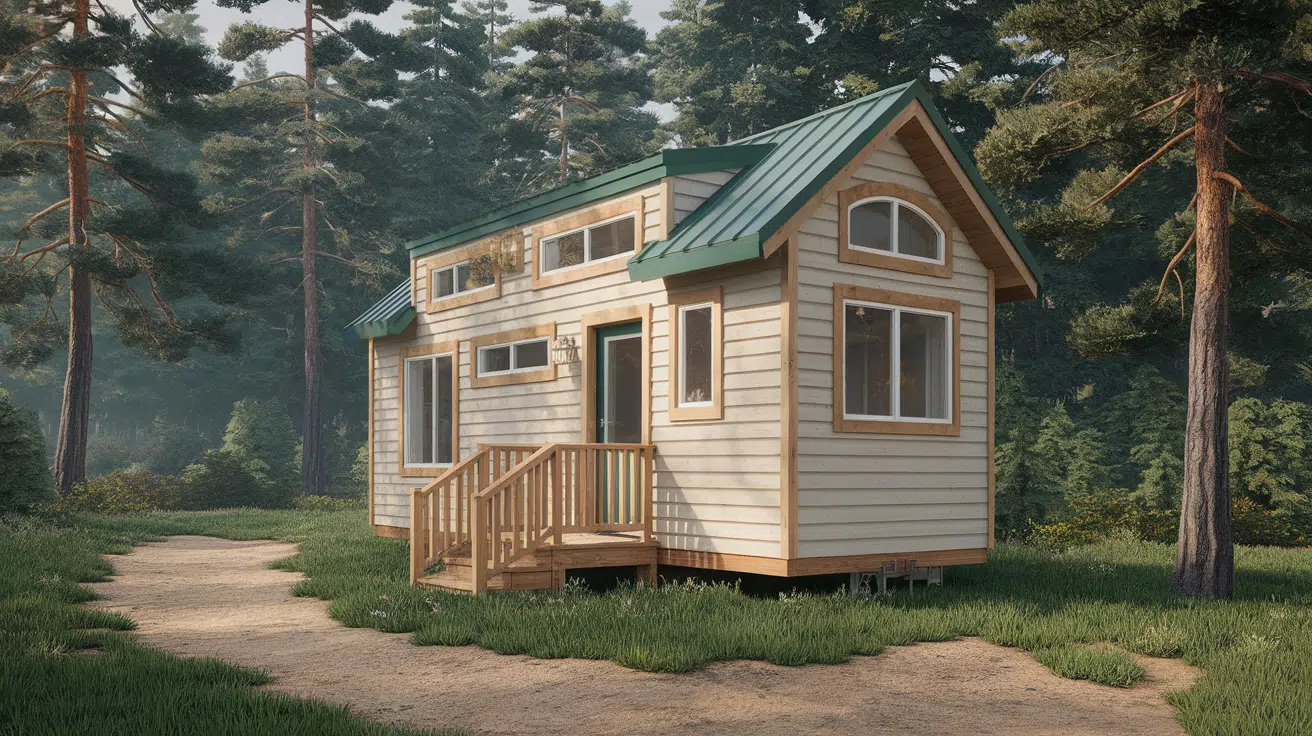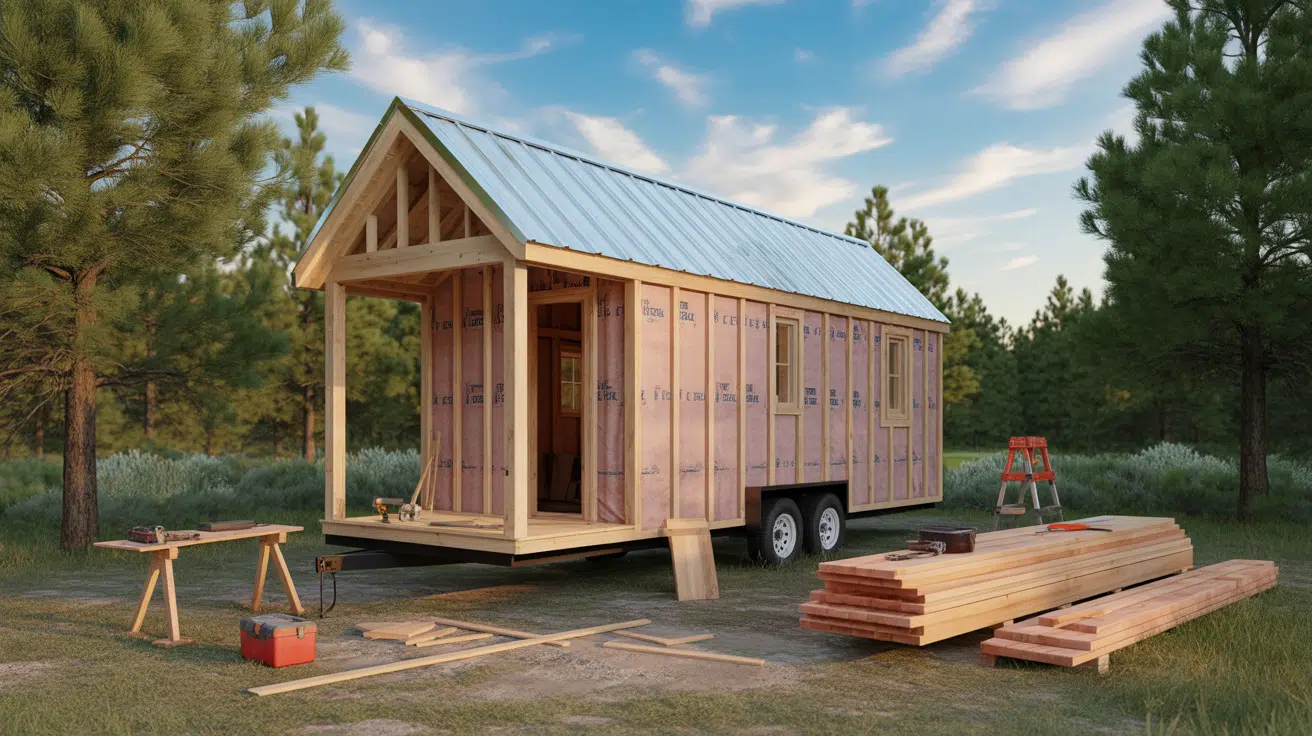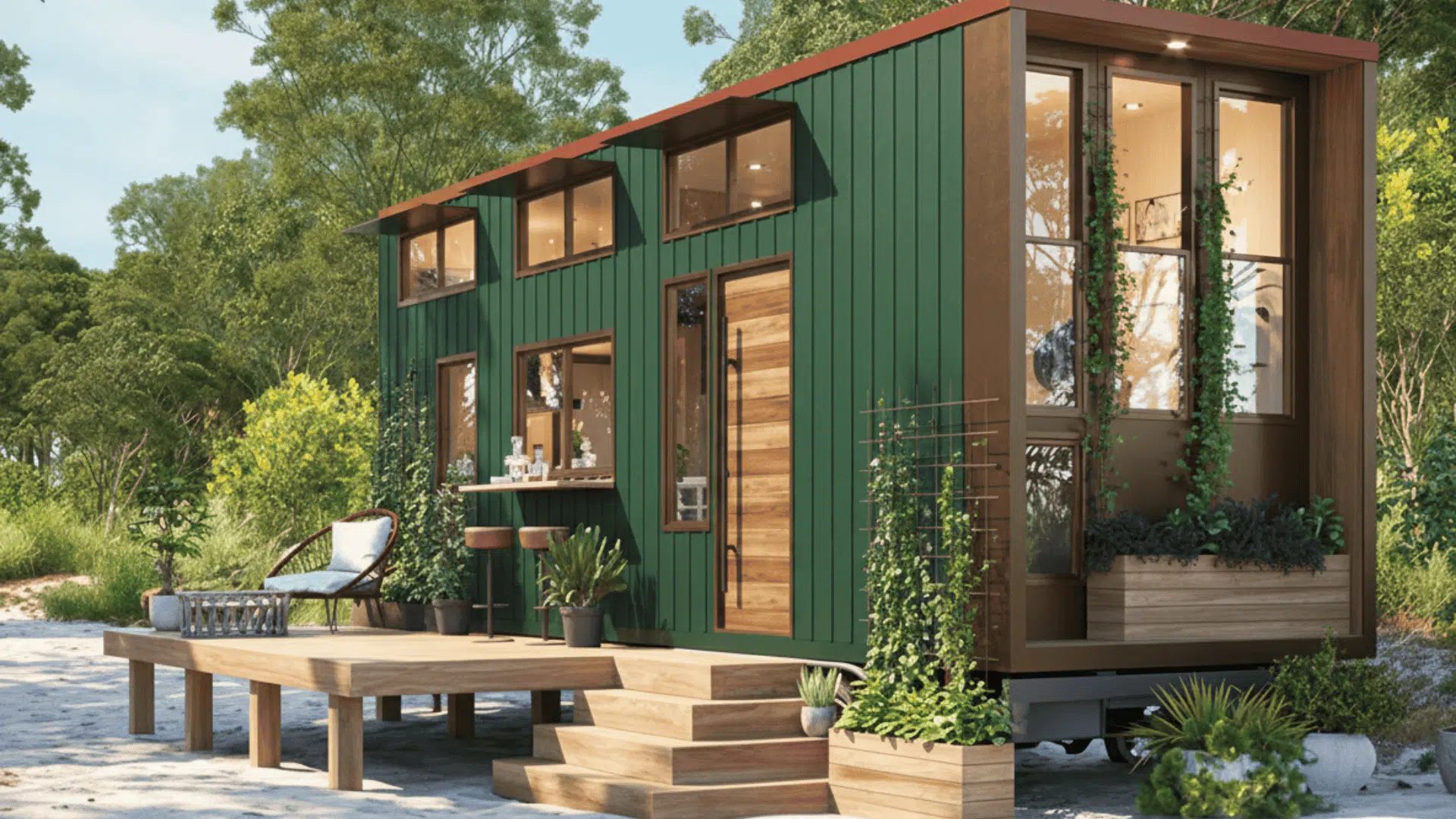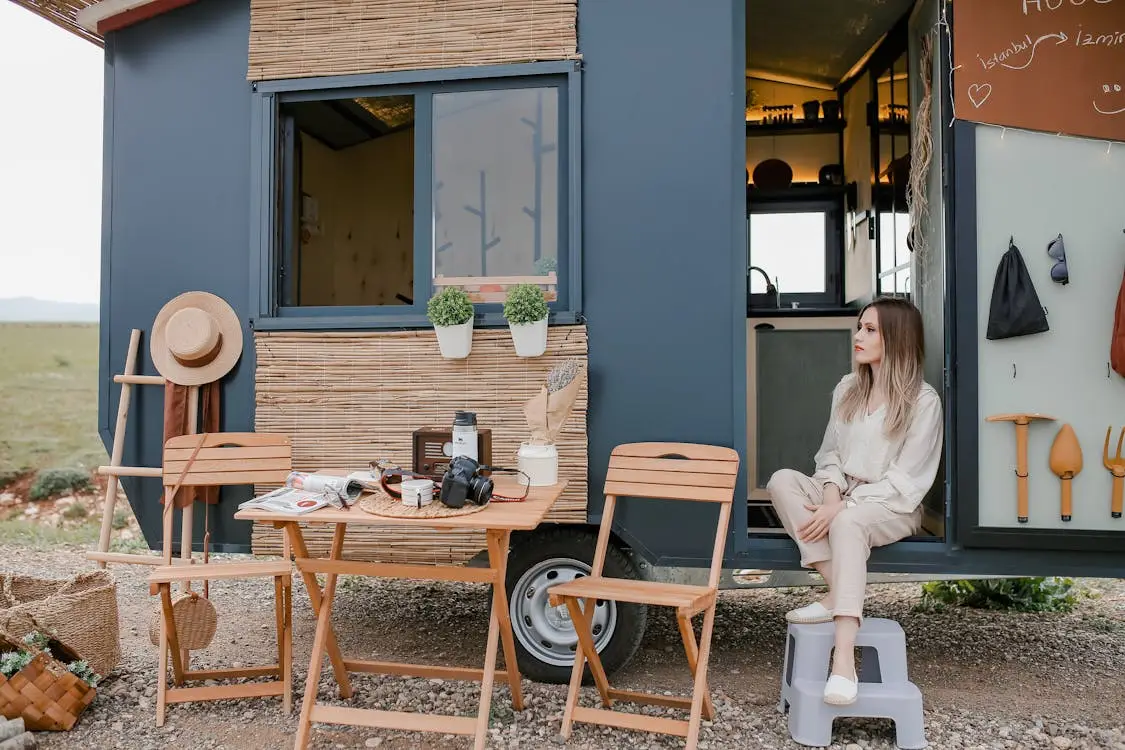
Tiny homes may be small, but the metal inside them faces big challenges. Steel frames, corrugated siding, roofing panels, and fasteners are constantly exposed to rain, humidity, road vibration, and changing temperatures.
Without the right mix of smart design, protective coatings, and routine maintenance, rust can quietly shorten the life of the entire structure.
Rust forms when iron, oxygen, and moisture combine, and tiny homes often experience all three in close quarters. Long-term protection comes from using the right materials, sealing vulnerable areas, improving drainage and airflow, and staying consistent with inspections.
Start With a Rust Inhibitor Primer
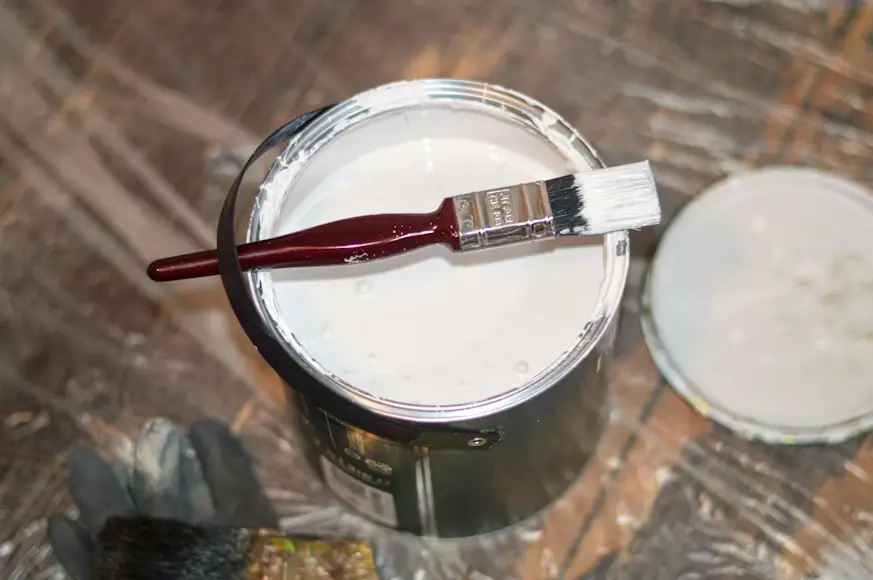
Primer is the foundation of any serious rust prevention strategy. Bare steel may look clean, but oxidation can begin almost immediately once it is exposed to air and moisture.
Applying a rust inhibitor primer creates a protective layer that bonds tightly to the metal. That first coat helps prevent corrosion from forming underneath your paint system.
Modern corrosion protection primers are tested for durability and efficiency. Strong adhesion and corrosion resistance directly protect your tiny home investment.
Choose the Right Topcoat for Your Climate
Climate plays a huge role in how metal ages. Humid coastal air behaves very differently from dry desert heat or freezing mountain winters.
According to research published byScienceDirect, advanced polyurethane coatings reduce moisture penetration and shield metal from environmental exposure. For tiny homeowners, that means fewer rust spots after heavy rain or seasonal humidity swings.
Match your coating system to where your tiny home spends most of its time. Traveling homes should use flexible coatings that resist cracking from vibration and temperature changes, for example.
Consider these climate-based factors before choosing a finish:
- High humidity calls for moisture-resistant coatings
- Coastal environments benefit from zinc-rich systems
- Cold regions need coatings that resist freeze-thaw stress
Selecting the right topcoat upfront reduces long-term maintenance.
Seal Every Cut Edge and Fastener
Factory-coated panels lose protection the moment they are cut or drilled. Every exposed edge becomes a potential rust starting point.
Corrosion accelerates when protective layers are compromised. For tiny homes, screw holes, window cutouts, and trimmed panels are common weak spots.
Touch up those areas immediately after installation. A small brush application of primer or cold galvanizing compound can stop rust before it spreads beneath the surrounding coating.
Elevate and Ventilate to Control Moisture
Rust does not require standing water. Persistent condensation under the trailer deck or behind siding can be enough to trigger corrosion.
Moisture levels strongly influence corrosion rates. Even damp soil beneath a parked tiny home can contribute to long-term metal degradation.
Elevating the home slightly above ground level and ensuring airflow underneath helps reduce trapped moisture. Adding ventilation gaps behind metal siding also limits hidden condensation buildup.
Inspect and Maintain Coatings Regularly
Protective systems are only as strong as their weakest point. Chips, scratches, and worn corners create entry points for water.
Corrosion can spread beneath intact-looking coatings once moisture enters through small defects. Tiny home owners can prevent that scenario with simple routine checks.
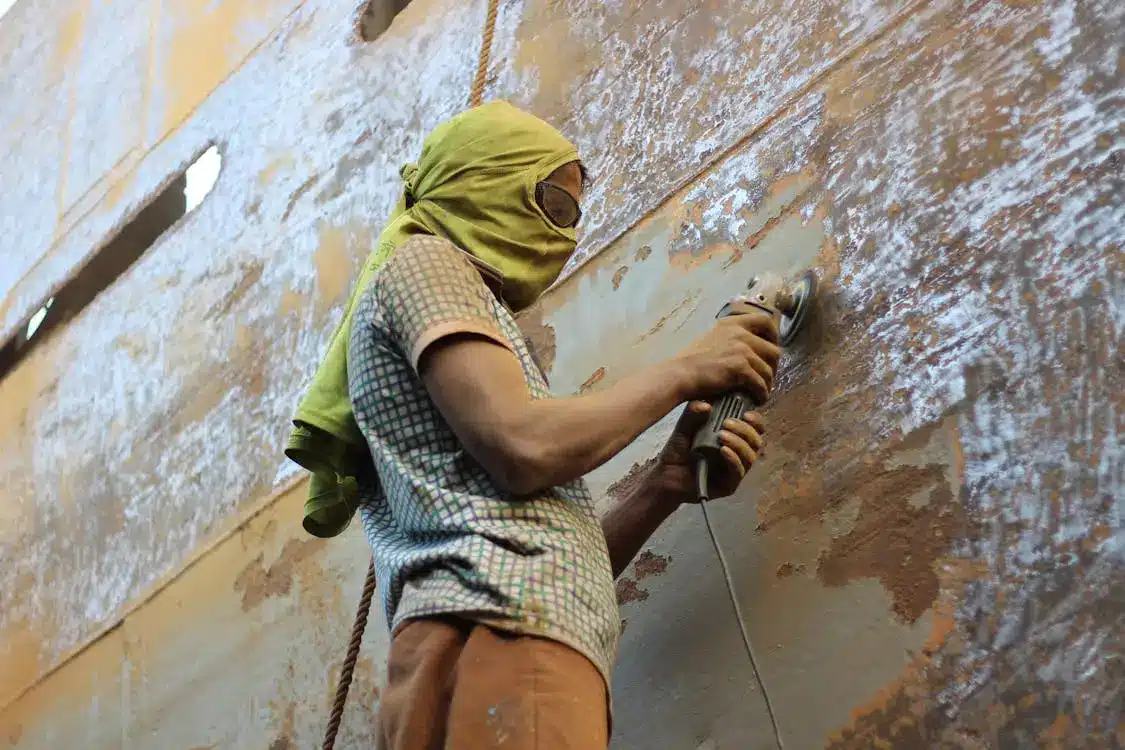
Inspect your home at least twice a year. Look for bubbling paint, rust streaks under seams, or discoloration around fasteners.
If you spot damage, take action quickly:
- Sand to remove surface rust
- Reapply primer to exposed metal
- Finish with a compatible topcoat
Small repairs today can prevent structural repairs later.
Use Galvanized or Zinc-Based Protection
Galvanized steel includes a zinc layer that acts as a sacrificial barrier. Instead of the underlying steel corroding first, the zinc coating absorbs the impact of environmental exposure.
Zinc coatings form a stable protective layer outdoors. Trailer frames, stair supports, and exterior brackets benefit greatly from galvanized components.
Even galvanized metal performs better when combined with a full primer and paint system in harsh climates. Layered protection provides extra security against long-term exposure.
Design for Drainage From the Start
Smart design reduces rust risk before coatings even come into play. Flat surfaces that trap water invite corrosion and shorten material lifespan.
Roof overhangs, drip edges, and properly angled flashing help move water away from vulnerable areas. Tight joints and horizontal ledges should be minimized whenever possible.
During planning or renovation, observe how water flows across your tiny home during heavy rain. Simple adjustments in slope and spacing can dramatically reduce moisture contact with metal surfaces.
Building Long-Lasting Protection for Tiny Home Metal
Shielding tiny home metal from rust requires more than a single product. Primer, climate-appropriate topcoats, sealed edges, ventilation, thoughtful drainage, and consistent inspections all work together as a system.
High-quality materials make it easier to build that system correctly the first time. If you are planning a new build or upgrading your current structure, explore coating options to find solutions tailored to your climate.
Protecting tiny home metal from rust today helps ensure your home stays strong and safe for years to come.
Has this post been helpful? If yes, be sure to explore some of our other relevant articles!