Running a property well is about more than keeping the lights on and the rent collected.
For managers of hotels, resorts, apartment complexes, commercial premises, and large residential developments, the condition of outdoor facilities and communal spaces directly shapes how guests, tenants, and visitors experience the property every single day.
Two areas that consistently determine whether a property earns trust or loses it are pool maintenance and physical safety infrastructure.
Getting both right requires deliberate investment in the right service providers and the right products, but when those pieces are in place, the difference in property presentation, guest satisfaction, and risk management is immediately obvious.
Why Outdoor Facility Standards Define Property Reputation
The Pool Is Never Just a Pool
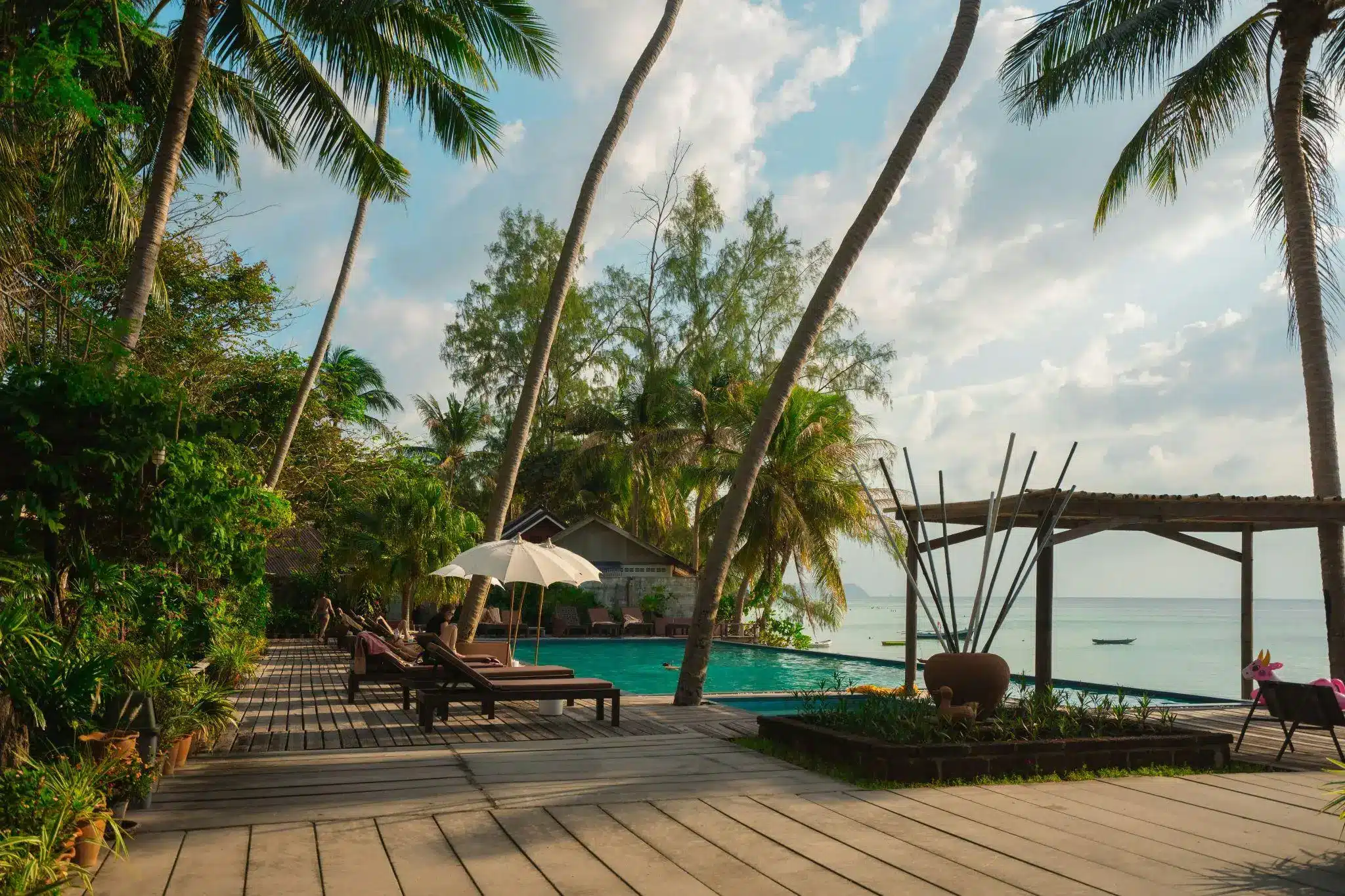
For any property with an aquatic facility, the pool is one of the most visible signals of overall management quality.
A sparkling, crystal-clear pool tells guests and residents that the property is run with care and attention to detail.
A cloudy, chemically unbalanced, or debris-filled pool communicates the opposite, and that impression tends to stick.
Maintaining a pool to a consistently high standard in Australia’s climate requires more than a weekly scoop of the surface.
Water chemistry must be tested and balanced regularly, algae must be prevented before it takes hold, and equipment, including pumps, filters, and chlorinators, must be checked and serviced to keep the system running reliably.
For commercial properties and residential complexes across Queensland, choosing to find reliable pool services Gold Coast professionals deliver takes the operational burden off property management teams and ensures the pool is always swim-ready, compliant, and safe for use by guests, residents, and hotel patrons alike.
When Pool Problems Escalate
The consequences of neglecting pool maintenance go well beyond appearance. Chemically unbalanced water poses genuine health risks for swimmers, and algae blooms can shut a pool down entirely if not treated promptly and professionally.
A green pool that sits untreated for even a week requires a full recovery treatment rather than a routine service, which costs significantly more in both time and chemicals.
According to Aussie Pool Man’s official website, their standard service covers vacuuming, brushing walls and tiles, emptying baskets, surface skimming, and water testing and balancing, all included for $88 per service.
For commercial properties, including hotels and resorts with higher usage and stricter health compliance requirements, tailored commercial pool services are available with custom maintenance plans designed around the volume and specific needs of each site.
Safety Infrastructure Is as Important as Aesthetics
The Role of Bollards in Property Management
A well-maintained pool catches the eye. A well-secured car park, loading area, or pedestrian zone prevents incidents that can have far more serious consequences.
Across Australia, properties of all types face ongoing challenges around vehicle access management, pedestrian separation, and protection of building assets from accidental or deliberate vehicle impact.
Safety bollards are one of the most practical and cost-effective tools available for addressing these challenges.
According to the Safety Sector’s official website, safety bollards effectively regulate traffic flow, safeguard pedestrians, and prevent vehicles from encroaching into restricted areas, making them essential for any premises with a mix of foot traffic and vehicle access.
Choosing the Right Bollard for Each Application
Not every bollard suits every environment, and selecting the wrong type can mean either over-engineering a simple access point or under-protecting a high-risk zone.
Safety Sector’s official product range covers surface-mounted bollards for quick installation in car parks and pedestrian zones, permanent bollards for high-risk areas like storefronts and public walkways, and removable security bollards for spaces that require controlled temporary access.
For property managers who need to restrict access at certain times while allowing vehicle entry at others, fold down bollards offer a practical and flexible solution that controls access in private driveways and restricted zones without requiring the bollard to be physically removed and stored.
Stainless steel and galvanised options are also available for outdoor environments that require durability against weather, impact, and long-term wear.
Compliance and Liability in Managed Properties
Installing appropriate safety infrastructure is not just a practical decision; it is also a compliance and liability one.
Safety Sector’s official website notes that their bollards are designed following strict Australian safety regulations to ensure reliability and long-term performance.
For property managers operating under body corporate rules, council requirements, or commercial tenancy obligations, having a compliant safety infrastructure in place is a fundamental part of responsible property management.
Protective bollards also serve as a strong deterrent against ram-raiding and unauthorised vehicle access, as noted on Safety Sector’s official website, creating a physical barrier that protects storefronts, warehouses, and restricted areas from costly vehicle intrusions.
The financial and reputational cost of a single vehicle impact incident against a building or infrastructure asset typically far exceeds the cost of installing appropriate bollard protection from the outset.
Linking Cleanliness and Safety Under One Management Standard
A Whole-Facility Mindset
The most consistently well-regarded properties in Australia share a common management philosophy: they treat every element of the facility as a reflection of the overall standard, not just the spaces that guests see first.
A pristine pool area with poor vehicle access management creates an inconsistency that attentive guests and tenants notice. An impeccably secured car park with a neglected pool sends the same mixed message.
Managing both pool hygiene and physical safety infrastructure as connected priorities rather than isolated line items produces a more coherent result across the entire property.
Guests who arrive at a property and find their car park clearly organised and their pool visibly clean are receiving two signals at once: this property is looked after by people who pay attention.
Practical Planning for Property Managers
Establishing reliable service relationships and sourcing durable safety equipment does not need to be complicated, but it does require planning.
Pool servicing frequency should match the property’s usage patterns and local climate, with higher visitation periods and Queensland’s warm summer months requiring more frequent attention to water chemistry and cleanliness.
Safety infrastructure decisions benefit from a site assessment that considers traffic volume, vehicle types, and pedestrian movement patterns across different times of day.
Properties that install safety measures reactively after an incident always spend more than those that plan proactively, and the reputational cost of an avoidable accident in a managed facility can be difficult to recover from.
Both Aussie Pool Man and Safety Sector offer expert guidance to help property managers select the right solution for their specific site before any commitment is made.
Conclusion
Investing in the Basics Protects the Whole Asset
A well-run property is not the result of one major investment but of many smaller, well-considered decisions made consistently over time.
Regular professional pool servicing and correctly installed safety bollards are two of those decisions, and both contribute to a property environment that is safer, more compliant, and more appealing to the people who use it every day.
For Gold Coast property managers, facility operators, and body corporate committees across Australia, the return on these investments shows up in guest satisfaction, reduced incident risk, stronger occupancy, and a property that maintains its value and reputation across changing market conditions.