Speed is easy to sell.
It sounds clean: faster delivery, faster restocking, faster response, faster everything. Nobody gets excited about a supply chain meeting where the big idea is “make the route shorter and less fragile.” It doesn’t have the same shine.
But when something goes wrong, speed is usually the first promise to fall apart. A delayed truck, a closed port, a missing part, a cold storage failure, a driver shortage, a bad storm across one corridor — suddenly the fastest route on paper becomes the most expensive route in real life.
Shorter supply chains don’t solve every problem. They can cost more in some places, limit supplier options, and require better planning upfront. Still, when the product is essential, perishable, heavy, time-sensitive, or expensive to replace, being closer can matter more than being quick.
Speed Hides the Weakest Link
A fast supply chain can look impressive until you ask one uncomfortable question: what has to go right for this to work?
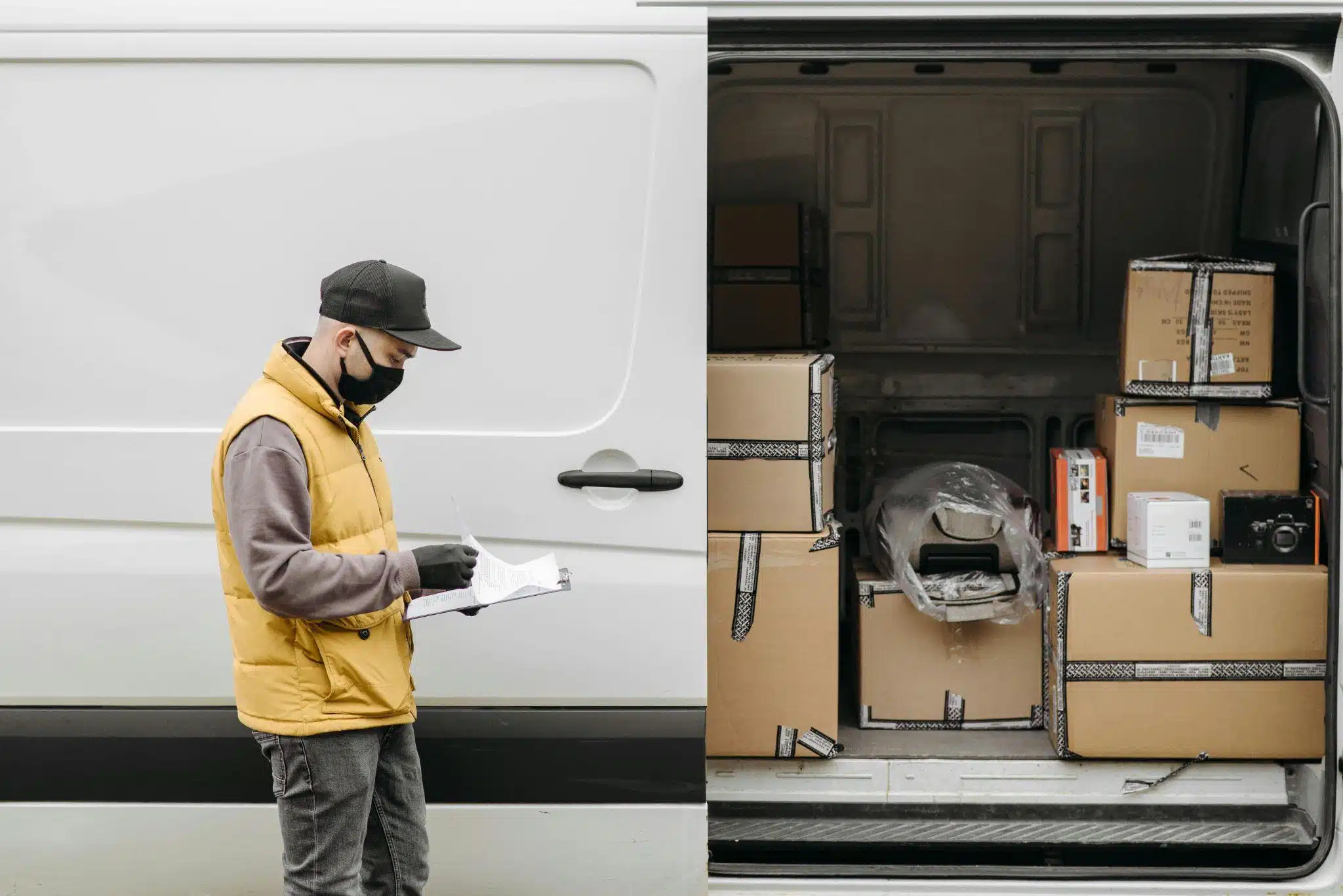
For a simple parcel, the answer may be manageable. A warehouse scan, a carrier handoff, a regional sort, a delivery route, and a front-door drop-off. If one scan is late, the customer may be annoyed, but the product is usually fine. That’s why tracking language matters so much in regular delivery. A guide to last-mile delivery tracking shows how much of the customer experience depends on visibility, not just motion.
For food, medicine, building materials, replacement parts, and seasonal inventory, the weak link gets more serious. A shipment of berries can’t sit warm for an extra afternoon and pretend nothing happened. A restaurant waiting on a regional produce delivery can’t replace Monday’s menu with an apology. A construction crew waiting on one missing component may lose an entire workday even if the supplier paid for expedited shipping.
Food is a useful example because the problem is bigger than whether enough product exists somewhere. The four pillars of food security push the question toward availability, access, use, and stability, which is closer to how supply chains fail in real life: the item may exist, but not close enough, fresh enough, affordable enough, or steady enough to solve the problem.
This is where distance starts acting like risk. Every extra handoff adds one more place for the shipment to pause. Every long route adds more weather, fuel, labor, border, and scheduling exposure. Faster transport may reduce some of that risk, but it doesn’t remove the dependencies underneath it.
The better question isn’t “How fast can it move?” It’s “How many things have to line up before it arrives in usable condition?”
Shorter Routes Can Make the Supply More Reliable
Shorter supply chains are not just about miles. They’re about fewer fragile points between production and use.
Think about a grocery distributor serving a metro area. One version of the model depends on produce hauled from far away, routed through a major regional hub, then pushed out to stores. That can work well when fuel is steady, labor is available, the weather cooperates, and inventory forecasts are clean. But if storms hit the corridor or a carrier backlog forms, the whole system starts to show stress.
A shorter model may use nearby growers for part of the volume, regional cold storage, and smaller but more frequent deliveries. It may not replace the national network. It reduces how much the buyer depends on that network for every item, every week.
The World Bank’s food security framing separates food availability from access and use, which matters because a shipment can be technically “available” and still fail the customer. A full warehouse two states away does not help a neighborhood grocer if the product can’t arrive before the weekend rush, hold temperature, and stay within a price shoppers will accept.
This also shows up outside food. A repair shop may prefer a nearby parts supplier with 85% coverage over a distant supplier with 98% catalog depth if the nearby option can deliver common parts twice a day. A furniture retailer may keep bulky bestsellers in a regional warehouse instead of relying on direct shipment from a distant facility. A hospital system may carry more regional redundancy for supplies it cannot afford to chase during an emergency.
Shorter is not automatically better. But when the cost of failure is high, a shorter path can be the difference between a delay and a disruption.
Good Execution Is Boring on Purpose
The best shorter supply chains usually don’t look dramatic. They look like better mapping, smaller buffers in smarter places, clearer handoffs, and less guessing.
Start with inventory. A business that wants more regional resilience needs to know which items deserve local protection. Not everything does. Slow-moving specialty products can often stay centralized. Daily-use items, seasonal essentials, temperature-sensitive goods, and products tied to firm appointment windows deserve closer attention.
Then look at storage. If a shipment needs temperature control, the route is only as strong as the worst handoff. Loading docks, staging areas, transfer points, and delivery windows matter as much as the refrigerated truck. Jack Cooper’s guide to cold chain logistics explains why cold storage, packaging, transport, and monitoring have to work together. A short route with bad handling can still ruin the product.
Good execution also means giving up the fantasy that one perfect supplier can handle every situation. A stronger setup often has tiers. One supplier handles normal volume. A regional partner covers urgent or fragile demand. A local backup handles short-notice gaps. That kind of redundancy can feel inefficient when everything is quiet. It feels smart the first time a shipment misses a cutoff, and the business still opens on time.
The mistake is treating regional supply as a last-minute patch. By the time a delay hits, everyone is calling the same backup vendors, asking for the same trucks, and paying the same emergency premiums. A shorter supply chain works best when the relationships are already in place.
A simple workflow can help:
- Identify the products where a late arrival creates real damage, not just inconvenience.
- Map the current route from source to final use, including storage and handoffs.
- Find the longest or least visible section of the route.
- Decide whether a regional supplier, regional storage point, or alternate carrier would reduce the biggest risk.
- Test it before peak season, not during peak season.
That last step is easy to skip. It’s also where many plans become real. A backup supplier that has never processed your specs, labels, delivery windows, or payment terms is not really a backup. It’s just a name in a spreadsheet.
The Real Decision Is What Risk You Are Buying
Every supply chain choice buys one kind of risk to avoid another.
Centralized sourcing can buy scale, consistency, and lower unit costs. It can also buy exposure to long routes, bigger disruptions, and slower recovery. Local sourcing can buy flexibility and shorter response times. It can also buy higher prices, uneven capacity, or more vendor management work.
There is no clean answer that works for every product. A small e-commerce seller shipping phone cases does not need the same regional strategy as a grocer handling fresh dairy. A manufacturer moving heavy materials has different concerns than a retailer shipping lightweight accessories. The point is to match the route to the consequence of failure.
This is where sustainability and resilience overlap more than people expect. A shorter route may reduce emissions, but only if the loads are efficient, storage is planned well, and empty return trips don’t erase the benefit. Jack Cooper’s guide to green supply chain management makes that broader point: supply chain decisions need to account for sourcing, transportation, packaging, and returns rather than treating “green” as a single shipping choice. A local supplier with poor coordination can still create waste.
The USDA’s work on local and regional food systems points to benefits such as reduced food waste, stronger local economies, and improved freshness, but the practical lesson is broader than food. A shorter chain gives businesses more options when the usual route gets expensive, crowded, or slow.
A practical way to judge the tradeoff is to stop comparing only freight quotes. Compare the total cost of a missed delivery.
For a restaurant, that might include wasted labor, menu changes, refunds, and customer disappointment. For a contractor, it may include idle crews and a delayed inspection. For a medical supplier, the cost may be service failure. For an online retailer, it may be support tickets, replacement shipments, and lost repeat orders.
Once those costs are visible, the “cheaper” long route sometimes looks less cheap. Paying slightly more for a shorter, steadier supply path can be a business decision, not a feel-good one.
That doesn’t mean speed stops mattering. It means speed should sit inside a sturdier design. Fast delivery is valuable when the network can absorb problems. When the network is brittle, speed can become a promise built on perfect conditions.
Wrap-Up Takeaway
Shorter supply chains matter most when delay changes the value of the product. Fresh food, critical parts, heavy goods, medical supplies, seasonal inventory, and scheduled-service materials all punish weak routing faster than ordinary goods do. The smartest move is not to replace every distant supplier with a local one. It is to know which products deserve a shorter path, a regional backup, or better storage closer to demand. Look at one important item in your own operation today and trace every handoff between source and use; the weakest step on that route is the first place to improve.