Most homeowners want to spend less on bills and live more comfortably. Those two goals, it turns out, go hand in hand. Making your home more energy efficient is not a complicated undertaking.
It does not require gutting walls or installing expensive technology. More often than not, it starts with small, deliberate decisions that add up over time. The payoff is real — lower costs, a more comfortable space, and a house that holds its value long into the future.
Start with an Energy Audit
Before spending a single dollar on upgrades, understand where your home currently stands. An energy audit gives you a clear picture of where heat escapes, where cooling is wasted, and which systems are working harder than they need to.
What an audit covers
A professional auditor will typically inspect insulation levels, window seals, door frames, ductwork, and appliance performance. Some utility companies offer this service for free or at a reduced rate. The result is a prioritized list of fixes — which is far more useful than guessing where to start.
If a professional audit is not in the budget right now, start with a basic self-check. Walk through your home on a windy day and hold your hand near window edges and door frames. Drafts are obvious offenders. Look at last year’s energy bills. If usage spikes sharply in summer or winter, the envelope of your home — its walls, roof, and windows — is probably not doing its job.
Small air leaks collectively waste as much energy each year as leaving a window open around the clock. Sealing them costs almost nothing.
Insulation and Air Sealing: The Foundation of Efficiency
No upgrade delivers more consistent returns than proper insulation. Heat moves toward cold — always. In winter, it pushes out through your walls, attic, and floors. In summer, it pushes in. Insulation slows that movement. Air sealing stops it entirely at the gaps where insulation cannot reach.
Where to focus first
The attic is the most impactful place to start for most homes. Heat rises, and an under-insulated attic lets it escape straight through the roof. Adding attic insulation is often one of the more affordable upgrades with one of the fastest payback periods. After that, look at basement rim joists, crawl spaces, and exterior walls.
Caulk and weatherstripping are cheap. Do not overlook them. Gaps around pipes, electrical outlets on exterior walls, and the space behind recessed lighting all contribute to air leakage. Sealing these takes an afternoon and a few dollars — and the results show up on the next utility bill.
Windows and Doors: Upgrading Where It Matters
Windows are a significant source of heat loss and gain. But replacing every window in the house is expensive, and the payback period can be long. The smarter approach is to assess each window individually and prioritize the worst performers.
Single-pane windows
If your home still has single-pane windows, those are the first candidates for replacement. Modern double-pane windows with low-emissivity (low-e) coatings dramatically reduce heat transfer. In older homes, replacing just a few problem windows can make a meaningful difference in both comfort and energy use.
What to do if replacement is not yet affordable
Interior window film, heavy curtains, and cellular shades all help reduce heat transfer at a fraction of the cost of new windows. These are not permanent solutions, but they are practical ones. Storm windows are another intermediate option that adds a second layer of protection without full replacement.
HVAC Systems: Efficiency That Compounds Over Time
Heating and cooling typically account for around half of a home’s total energy consumption. An inefficient system does not just cost more to run — it also strains components, shortens equipment life, and leads to uneven temperatures throughout the house.
Maintain before you replace
A well-maintained system runs more efficiently than a new one that is neglected. Change filters regularly. Have the system serviced once a year. Clean vents and check that ductwork is properly sealed — leaky ducts can waste 20 to 30 percent of conditioned air before it ever reaches a room.
When it is time to upgrade
If your HVAC system is over 15 years old, replacement is worth considering seriously. Heat pumps, in particular, have become significantly more efficient and affordable in recent years. They handle both heating and cooling from a single system, and in moderate climates, they outperform traditional systems on efficiency by a wide margin.
Smart thermostat
Saves 8–12% on heating and cooling costs automatically
Water heater
Heat pump water heaters use 2x less energy than standard models
LED lighting
Uses 75% less energy than incandescent bulbs, lasts 25x longer
Air sealing
Eliminates drafts that silently drain heating and cooling budgets
Financing Larger Upgrades: Using Your Home’s Value
Some efficiency upgrades — solar panels, new HVAC systems, window replacements, or full insulation retrofits — carry higher upfront costs. For many homeowners, the question is not whether to make these improvements, but how to pay for them without draining savings or delaying other priorities.
One practical route is tapping into home equity. If your home has appreciated in value over the years, that equity can be put to work. Many homeowners choose to apply for home equity loan financing to fund larger renovation or efficiency projects, since the interest rates are typically lower than personal loans or credit cards, and the returns on energy upgrades often offset a significant portion of the borrowing cost over time.
There are also federal tax credits available for certain efficiency upgrades. The Inflation Reduction Act extended and expanded credits for heat pumps, insulation, energy-efficient windows, and home energy audits. These credits reduce the net cost of upgrades substantially and are worth reviewing before deciding on a financing strategy.
Smart Home Technology: Small Devices, Real Savings
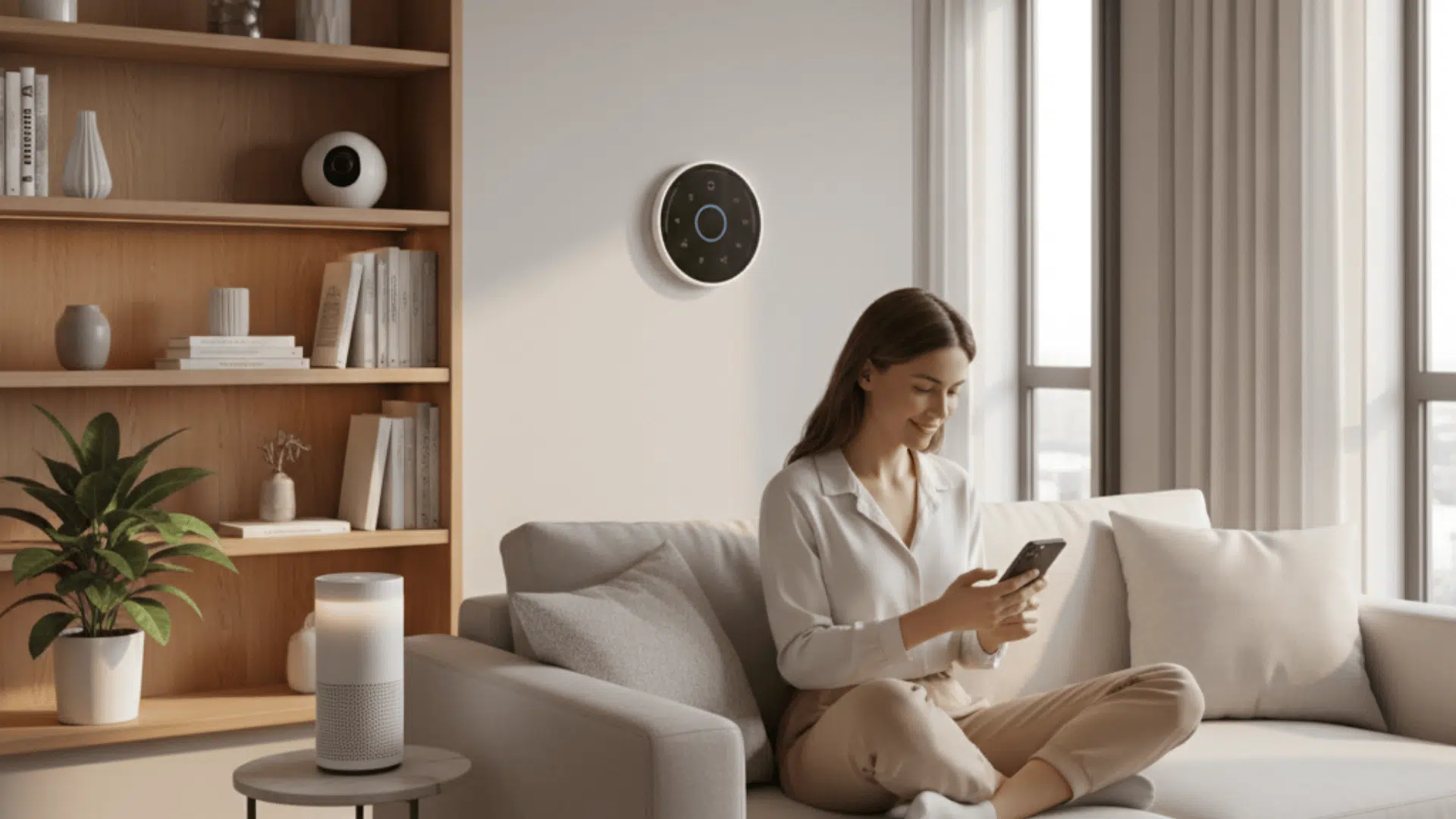
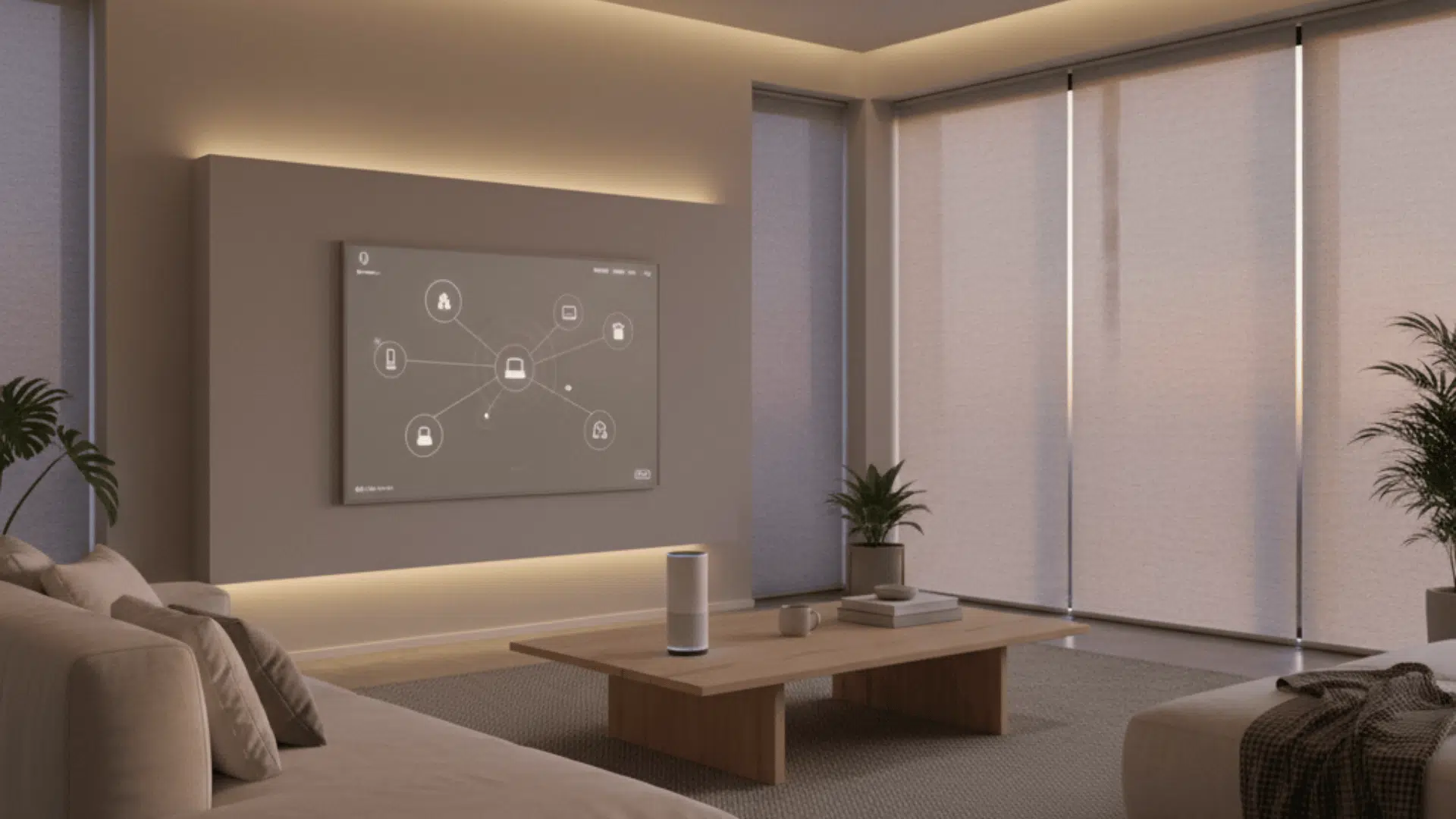
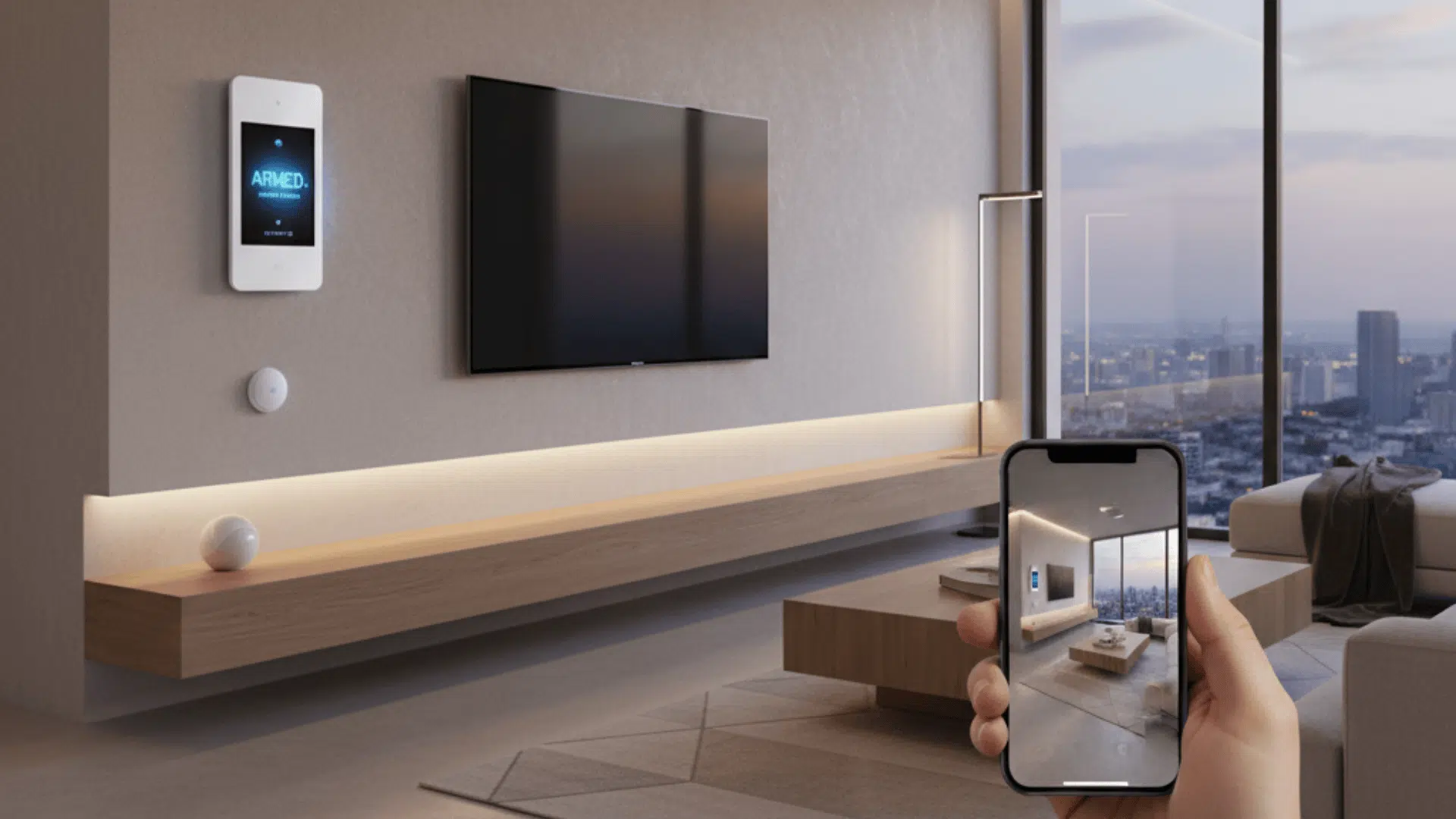
Technology has made it easier than ever to manage energy use without much effort. Smart thermostats learn your schedule and adjust temperatures automatically. Smart power strips eliminate phantom load from electronics left on standby. Whole-home energy monitors give you real-time data on which appliances consume the most power.
None of these devices replace insulation or a well-maintained HVAC system. But they layer on top of the fundamentals and help sustain savings over time. The initial investment is typically modest, and most of these products pay for themselves within a year or two of regular use.
Water Efficiency: The Often-Overlooked Category
Water heating is the second-largest energy expense in most homes, after HVAC. Simple changes here — low-flow showerheads, faucet aerators, fixing dripping taps, and insulating hot water pipes — reduce both water and energy consumption simultaneously. If your water heater is over 10 years old, a heat pump model or a tankless on-demand unit is worth evaluating.
Outdoors, a programmable irrigation timer and drought-tolerant landscaping can reduce water use significantly without any reduction in curb appeal. These changes cost relatively little but pay off steadily.
Building Habits That Stick
Upgrades matter. So do habits. Turning off lights, using appliances during off-peak energy hours, running the dishwasher with full loads, and keeping window treatments closed during peak sun hours — these behaviors do not require investment, only intention.
The most efficient home is one where the physical improvements and the daily behaviors work together. Upgrades set the ceiling on what efficiency is possible. Habits determine how close you actually get to it.
Improving your home’s efficiency is a long game. The gains accumulate quietly — lower bills each month, fewer breakdowns, a more stable indoor environment year-round. There is no single upgrade that solves everything, and no homeowner needs to do everything at once. The key is to start, to prioritize based on impact, and to build on each improvement over time. Small steps, taken consistently, produce results that compound. That is as true for home efficiency as it is for anything else worth doing well.