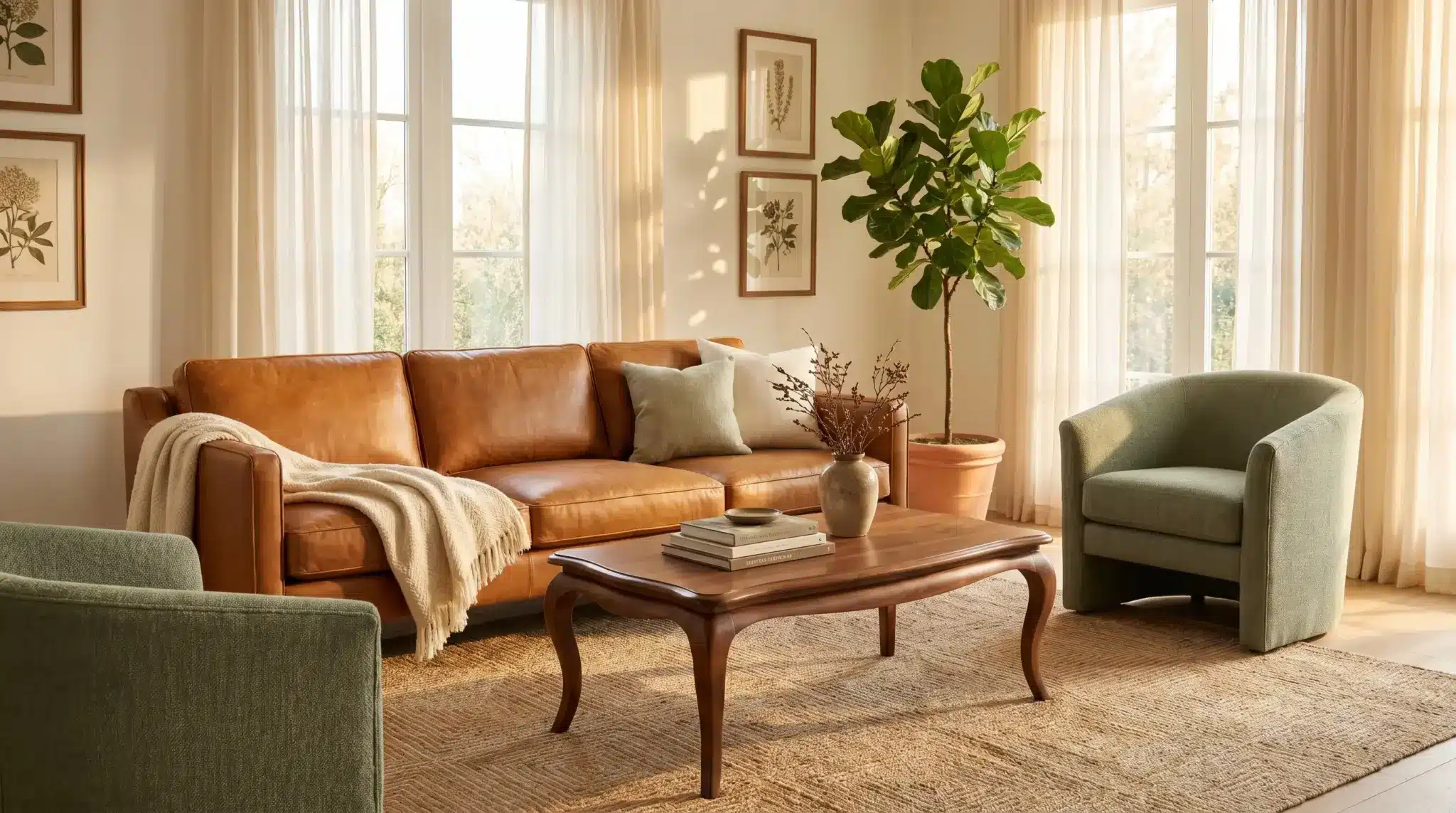
When I walk into someone’s home for the first time, the living room tells me everything I need to know about their approach to life. Is it a space that invites conversation? Does it feel like the furniture was chosen with care, or grabbed in a hurry? Most importantly—does it feel like a room that will still look beautiful in ten years, or is it already showing signs of wear?
In our fast-paced consumer culture, we’ve become accustomed to disposable furniture. But there’s a different way to approach your living space—one that values quality over quantity, craftsmanship over trends, and longevity over immediate gratification.
The True Cost of Cheap Furniture
We’ve all been tempted by the allure of affordable furniture. Why spend thousands on a sofa when you can get something that looks similar for a few hundred dollars? The answer lies in understanding the difference between price and value.
A cheaply made sofa might cost $500 upfront, but if you’re replacing it every three to five years, you’ll spend $2,500 over fifteen years. Meanwhile, a quality sofa that costs $2,000 but lasts twenty years or more is actually the more economical choice.
But the real cost goes deeper than dollars. Cheap furniture affects your daily quality of life in ways you might not immediately notice. That living room chair that makes your back ache after thirty minutes. The sofa cushions that flatten so quickly you avoid sitting in certain spots. The coffee table with finish that chips easily.
What Makes Furniture “Quality”?
Quality furniture isn’t just about expensive materials or designer names. It’s about construction methods that have been refined over centuries, attention to detail, and design choices that prioritize function alongside form.
Frame Construction
The foundation of any upholstered furniture piece is its frame. Quality sofas and chairs are built on kiln-dried hardwood frames—usually oak, maple, or beech—that are joined using time-tested methods like mortise and tenon or doweled joints. These frames don’t squeak, don’t wobble, and don’t break.
Cheaper furniture often uses softwood or particle board frames held together with staples or glue. These frames might feel solid when new, but they deteriorate quickly.
Suspension Systems
Ever wonder why some sofas stay comfortable for decades while others develop a permanent crater after a year? The secret is in the suspension system—the hidden support structure beneath the cushions.
High-quality furniture uses eight-way hand-tied springs, where craftspeople individually tie each spring to its neighbors in eight directions. This creates a web of support that distributes weight evenly and maintains its shape over time.
Budget furniture often skips the springs entirely or uses cheaper alternatives that break down quickly.
Cushion Quality
Quality furniture uses high-density foam that resists compression and maintains its shape. Many premium pieces layer different densities of foam to create the perfect balance of comfort and support, topped with down or fiber batting for that plush feel.
The best cushions use removable covers so you can flip them regularly and have them professionally cleaned when needed.
Investing in Pieces That Define Your Space
Start with your anchor pieces and build from there.
The Sofa: Your Living Room’s Foundation
Your sofa is the largest, most-used piece of furniture in your living room. It’s where you’ll sit for thousands of hours over the years. This is not the place to cut corners. Opting for versatile designs like Koala Sleeper Sofas ensures you don’t have to sacrifice style for functionality, providing a high-quality foundation that adapts to your changing needs.
When shopping for quality sofas and living room furniture, consider these factors:
Scale and Proportion: Measure your space carefully. A sofa that’s too large will overwhelm the room, while one that’s too small will look lost. Consider not just length but also depth.
Fabric Choice: If you have kids or pets, choose performance fabrics that can handle spills and wear. Leather is remarkably durable and actually improves with age.
Style Longevity: Avoid pieces that are too trendy. A classic roll arm or track arm will look appropriate for decades.
Complementary Seating
Once you’ve chosen your sofa, select chairs that balance comfort with your space constraints. A pair of quality accent chairs creates conversation areas and provides flexible seating. Consider chairs with different personality than your sofa—creating visual interest without clashing.
Tables: Function Meets Form
Coffee tables and end tables are hardworking pieces that need to be both beautiful and practical. Look for solid wood construction with quality joinery. Consider your lifestyle: a family with young children might be better served by a round coffee table with no sharp corners.
Caring for Your Investment
Once you’ve invested in quality furniture, proper care ensures it will serve you for decades.
Regular Maintenance
Vacuum upholstered pieces regularly to prevent dust and debris from working into the fabric. Flip and rotate cushions frequently to ensure even wear. For leather furniture, use a proper leather conditioner twice a year to keep it supple.
Wood furniture benefits from dusting with a soft cloth and occasional treatment with furniture polish or wax. Protect surfaces from heat and moisture with coasters and placemats.
Professional Cleaning
Even with regular maintenance, upholstered furniture benefits from professional cleaning every 12-18 months. This removes deep-set dirt and oils that household cleaning can’t address.
Buying Smart: Where Quality Matters Most
If budget constraints mean you can’t buy everything at once, prioritize strategically:
Invest heavily in: Sofas, dining tables, and beds—the pieces you use every single day.
Mid-range is fine for: Occasional chairs, side tables, and decorative pieces that see less use.
Save on: Purely decorative items like throw pillows, blankets, and accessories.
The Showroom Experience vs. Online Shopping
There’s something lost in the shift to online furniture shopping. While the convenience is undeniable, you miss the opportunity to sit on a sofa, feel the fabric, examine the construction details, and truly experience the piece before committing.
If possible, visit physical showrooms where you can see quality construction firsthand. Sales consultants at quality furniture stores are often incredibly knowledgeable about construction methods and can explain exactly what you’re paying for.
Design Trends vs. Timeless Style
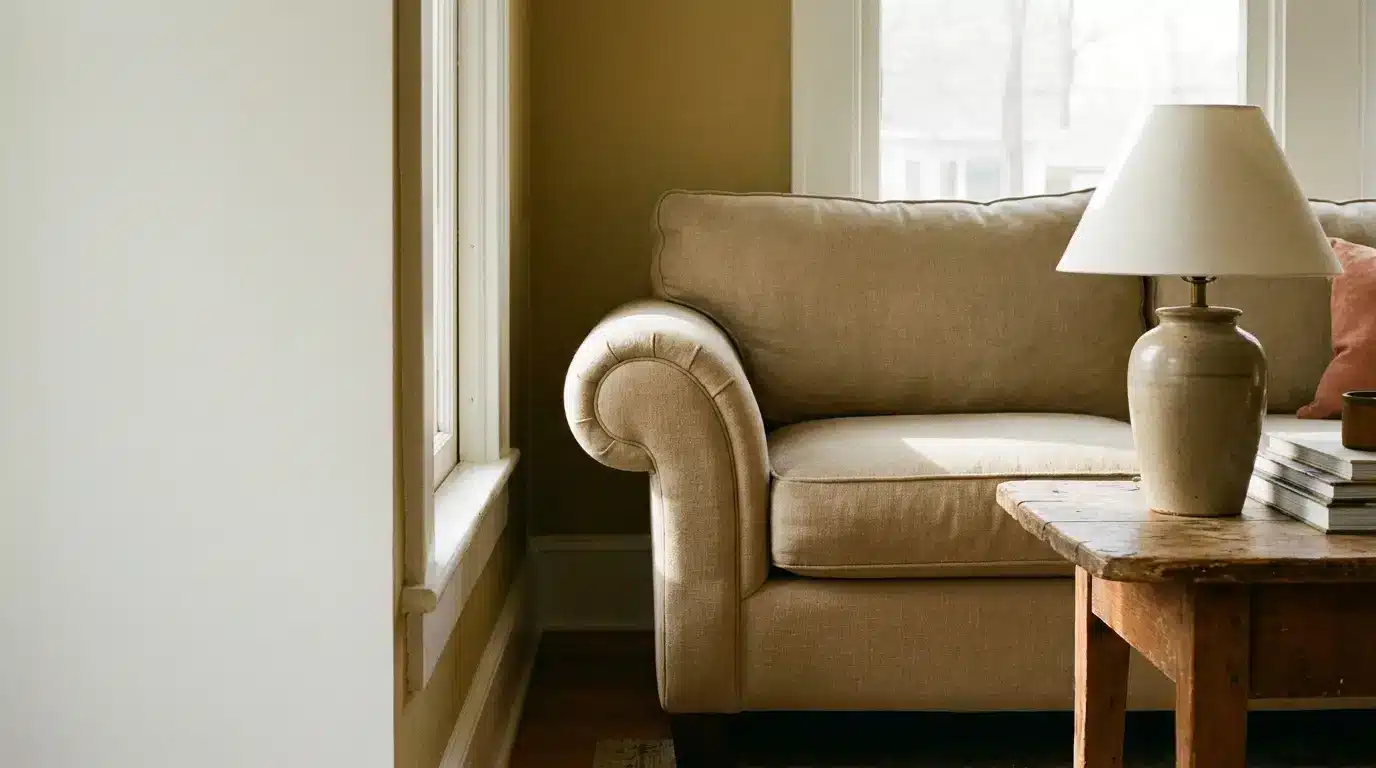
Every few years, a new “must-have” furniture style dominates design magazines and social media. But here’s the secret: truly timeless furniture exists outside these trends.
Classic designs from quality furniture makers have remained essentially unchanged for decades because they got it right the first time. These pieces work in any setting because they prioritize good proportions, quality construction, and versatile aesthetics over trendiness. To complement such enduring furniture, many homeowners choose minimalist wall decor like Nordic Park framed wall art, as their curated pieces reflect the same commitment to clean lines and lasting visual appeal.
When choosing furniture, ask yourself: “Will I still want to look at this in fifteen years?” If the answer is anything but an enthusiastic yes, keep looking.
The Sustainability Angle
Buying quality furniture is one of the most environmentally responsible choices you can make. Fast furniture—the cheap, trendy pieces designed to last just a few years—contributes enormously to landfill waste.
Quality furniture can be reupholstered when the fabric wears out, refinished when the wood gets scratched, and repaired when components break. A well-made sofa might serve three generations of a family.
Building Your Room Over Time
You don’t need to furnish your entire living room at once. In fact, it’s better to build slowly, choosing each piece thoughtfully rather than rushing to fill the space.
Start with your sofa—get that right, and everything else will fall into place more easily. Live with just the sofa for a while. Notice how you use the space. Let your actual life in the space guide your purchases.
The Joy of Furniture That Improves With Age
There’s something deeply satisfying about furniture that develops character over time. Leather that softens and develops a rich patina. Wood that takes on a mellow glow from years of polishing. Cushions that mold to your body’s unique shape.
Fast furniture doesn’t age—it just deteriorates. Quality furniture, properly cared for, actually becomes more beautiful and more valuable with age.
Making the Investment
I won’t pretend that quality furniture is cheap. A well-made sofa can easily cost $2,000-$5,000 or more. For many families, this represents a significant investment.
But consider this: that $3,000 sofa, if it lasts 25 years (and it should), costs $120 per year. That’s $10 per month—less than most streaming services—for the piece of furniture you probably use more than any other in your home.
Many quality furniture retailers offer financing options that spread the cost over time. And remember—you don’t have to buy everything at once.
Creating Your Forever Living Room
The goal isn’t perfection—it’s creating a living space that truly serves your life. A room where you actually want to spend time. Furniture that supports your body comfortably, whether you’re reading for fifteen minutes or binge-watching a series for three hours.
Quality furniture gives you this. It’s the foundation of a home that feels intentional, curated, and truly yours. It’s the difference between a house you live in and a home you love.
So yes, it costs more upfront. But what you’re really buying isn’t just furniture—it’s comfort, quality, longevity, and the daily pleasure of being surrounded by things that are genuinely well made. In a world of disposable everything, that’s something worth investing in.