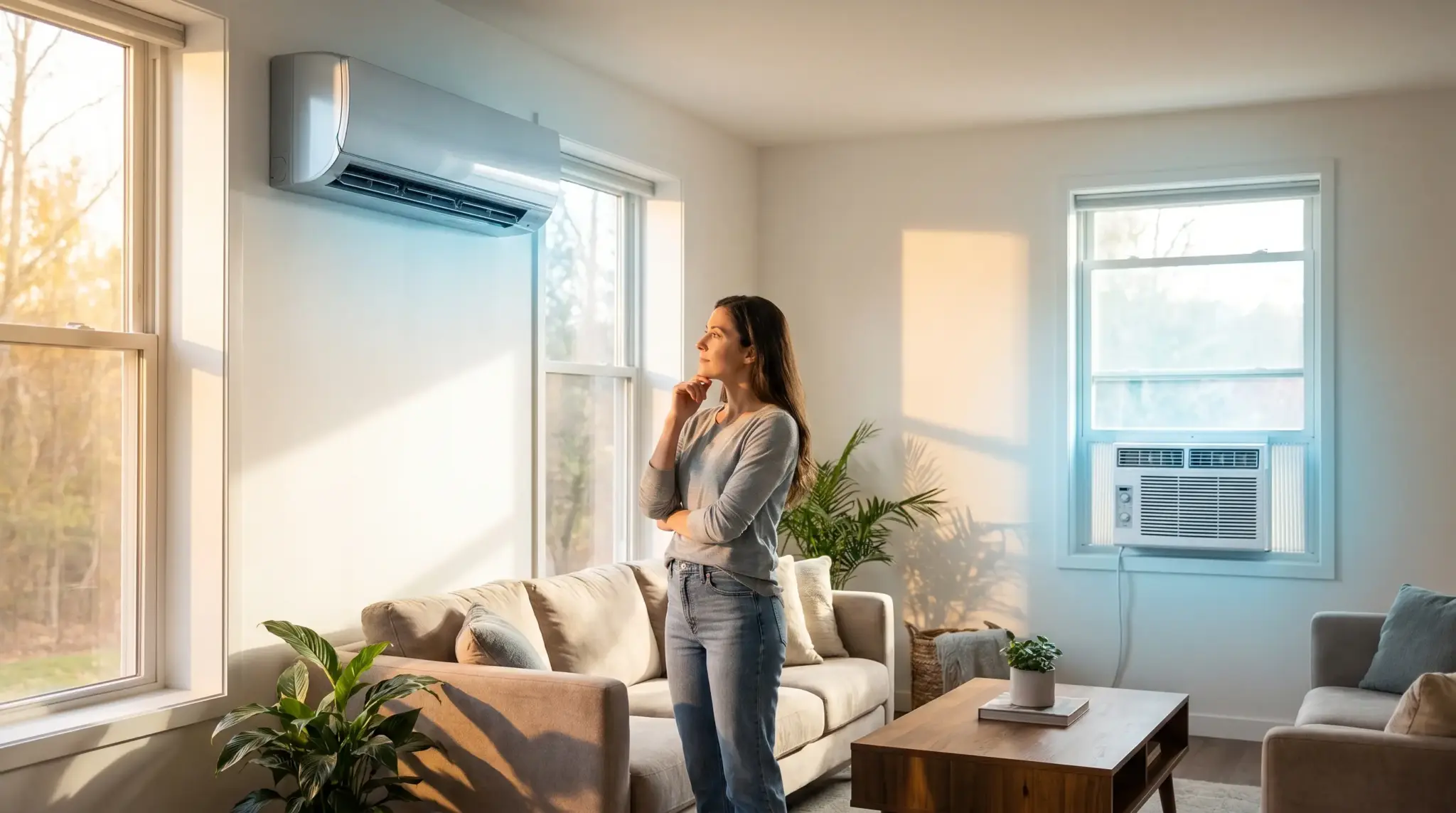
Understanding Your Cooling Needs
Selecting the ideal air conditioner starts with an honest evaluation of your home’s unique cooling demands. Every space has different requirements depending on factors such as square footage, the number of windows, ceiling height, and the direction your home faces. Understanding these variables helps you narrow down your search and avoid common pitfalls, like buying a unit that’s too small and overworked, or too large and inefficient. If you’re facing ongoing cooling issues, local experts specializing in AC repair in Barnegat Township, NJ can guide you through the sizing process and assess if your existing setup needs a professional upgrade.
The layout of your home will also play a big role in how effectively cool air circulates. Open floor plans, multi-level homes, and areas exposed to a lot of sunlight may need higher capacity or zoned cooling solutions. It is always wise to factor in insulation quality too, as well-insulated homes retain cooled air more efficiently, reducing overall demand.
Many homeowners underestimate the impact of ceiling height and the number of occupants. Higher ceilings mean a longer air volume to cool, while more people generate more heat. Before making your decision, try to calculate the total living space that needs cooling. The U.S. Department of Energy provides helpful resources on calculating the right size based on square footage and other home-specific details.
For added peace of mind, consult an HVAC professional for a detailed load calculation. This thorough evaluation considers every factor that affects indoor comfort, helping you avoid both short- and long-term cooling challenges.
Types of Air Conditioners
With cooling needs in mind, it is time to consider the variety of air conditioner types available:
- Central Air Conditioning Systems: These whole-house systems use ductwork to deliver consistent cooling throughout larger homes. Central solutions are efficient, reliable, and preferred for extensive spaces.
- Window Units: Perfect for single rooms or apartments, window air conditioners are cost-effective and widely available. Their compact installation is ideal for renters or anyone looking to target specific rooms.
- Portable Air Conditioners: These units provide flexibility and can be moved easily, but tend to be less energy efficient and require venting out a window.
- Ductless Mini-Split Systems: These solutions offer modern efficiency without ductwork. They are suitable for homes where duct installation is impractical, or for add-on areas like sunrooms and garages.
Consider each type according to your living situation and long-term plans. If you anticipate moving rooms around, a portable or window unit might suit you best, while homeowners planning significant renovations may prefer ductless mini-splits or a central system.
Energy Efficiency Considerations
Energy efficiency remains one of the most important factors when choosing a new air conditioner. High-efficiency models lower your environmental footprint and reduce ongoing utility costs. Look for the Seasonal Energy Efficiency Ratio (SEER) as a standard rating. The higher the SEER, the more efficiently the unit operates over a cooling season. Air conditioners with the ENERGY STAR label have been independently certified to meet or exceed federal efficiency standards, making them a smart choice for sustainability-minded buyers.
Utility expenses can add up over time, so energy-efficient products quickly pay for themselves through savings. The Consumer Reports Air Conditioner Buying Guide offers practical information on assessing energy ratings and understanding operational costs, helping you invest wisely for the future.
Noise Levels and Additional Features

The operational noise of an air conditioner can make a considerable difference to your comfort, especially if it is installed in a bedroom or living area. Noise ratings are typically included in product descriptions, measured in decibels. Opt for models explicitly marketed as “quiet” if you are sensitive to noise. Beyond sound, today’s units offer a range of desirable features such as smart home integration, programmable thermostats, and remote operation, all of which can elevate daily convenience.
Some advanced models even include air quality enhancements and humidity control. These features help maintain indoor comfort by ensuring that cooled air is not only at the right temperature but also clean and properly dehumidified.
Installation and Maintenance
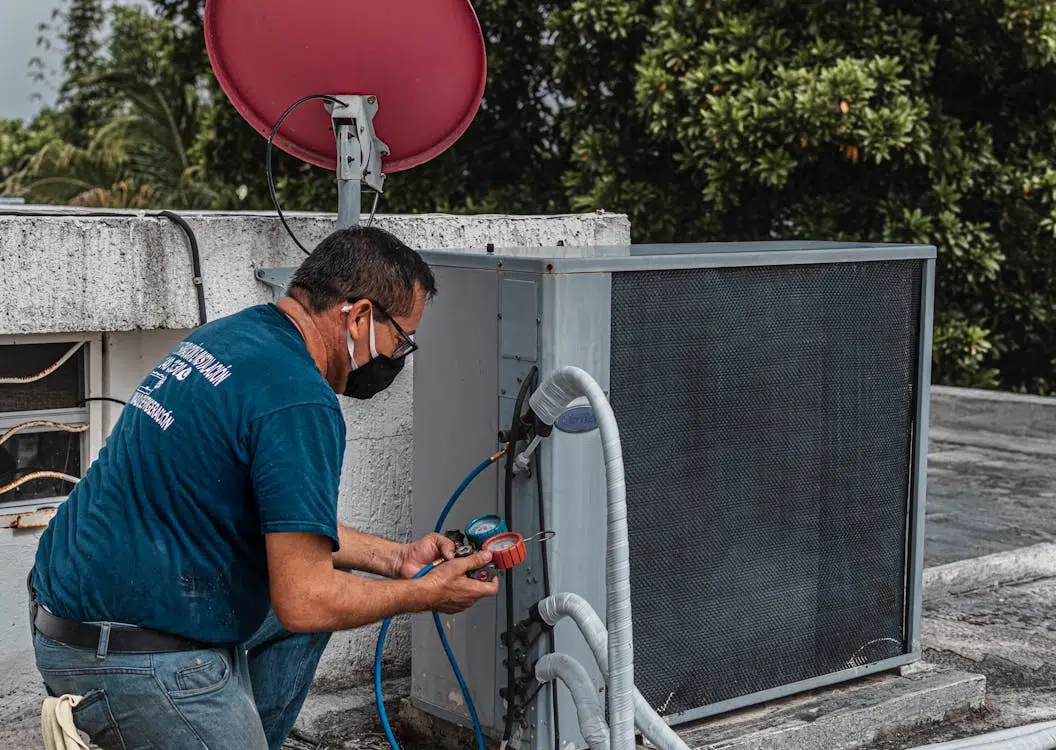
Expert installation is key to efficient and long-lasting cooling performance. Regardless of which air conditioner you select, ensure it is installed level to facilitate proper drainage and tightly sealed to prevent cooled air leaks. Simple user-accessible filters make ongoing maintenance easier, encouraging regular cleaning or replacement. Skipping regular upkeep can quickly undermine system efficiency, increase energy costs, and shorten equipment lifespan.
More sophisticated systems might require periodic check-ups from professionals. Stay ahead of issues by scheduling seasonal maintenance, especially before peak summer usage.
Cost Considerations
Upfront price is naturally an important consideration, but remember to weigh long-term costs as well. High-efficiency models and units with extended warranties may cost more initially but can deliver greater savings and enhanced reliability over time. Assess your budget realistically, taking into account not just the purchase price but also estimated energy usage and expected maintenance needs.
Financial incentives for energy-efficient appliances are also available in many regions. Investigate local, state, or federal rebates that may help offset your investment in a new, more efficient air conditioning system.
Consulting with Professionals
The process of selecting, sizing, and installing an air conditioning system can be complex. HVAC professionals bring expertise to the table, offering recommendations that prioritize efficiency, reliability, and convenience. With detailed load calculations and product knowledge, they ensure your investment brings lasting home comfort.
Reliable advice and support from a trusted professional can help diagnose any ongoing issues, align your selection with your budget, and optimize installation for maximum performance.
Conclusion
Choosing the right air conditioner involves careful assessment of your home’s specific needs, understanding the many types of available systems, and factoring in long-term energy efficiency, operational noise, and convenience features. Explore your local options, tap into the wealth of resources offered by large publications, and do not hesitate to get a professional opinion. With thoughtful planning, your investment in a new air conditioner will pay off through lower bills, improved comfort, and enhanced indoor air quality for years to come.