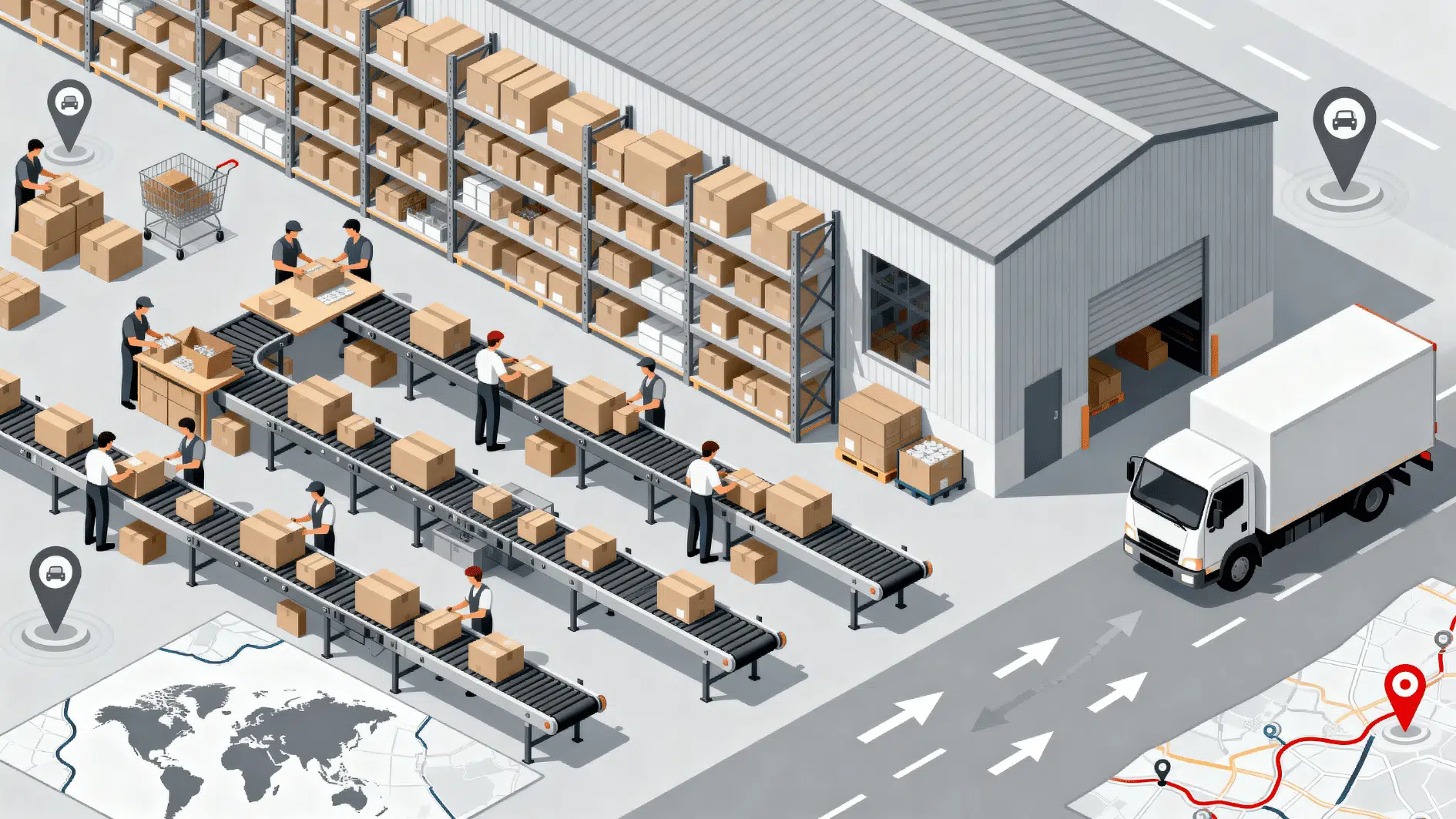
Outbound logistics plays a direct role in how your business delivers on its promises.
Many businesses focus heavily on production and sales but overlook what happens after an order is placed. That’s where delays, errors, and rising costs often begin to show up.
Understanding outbound logistics helps you see the full picture, from storage and order handling to transportation and final delivery.
In this guide, I’ll break down how outbound logistics works, why it matters, and how to improve it.
What is Outbound Logistics?
Outbound logistics is the process a business uses to store, manage, and deliver finished goods to its customers. It begins the moment a product is ready to ship and ends when it arrives at the customer’s door.
It covers a lot more than transportation, including how inventory is organized in a warehouse, how orders are processed, how items are picked off shelves and packed, how carriers are selected, and how the final delivery reaches the right address at the right time.
It’s easy to think of it as just shipping. It’s not. Shipping is one stage inside the system. The system is much bigger.
This is part of a company’s broader supply chain. It’s one of four logistics types – alongside inbound logistics, reverse logistics, and third-party logistics – but it’s the one customers feel most directly.
Key Components of Outbound Logistics
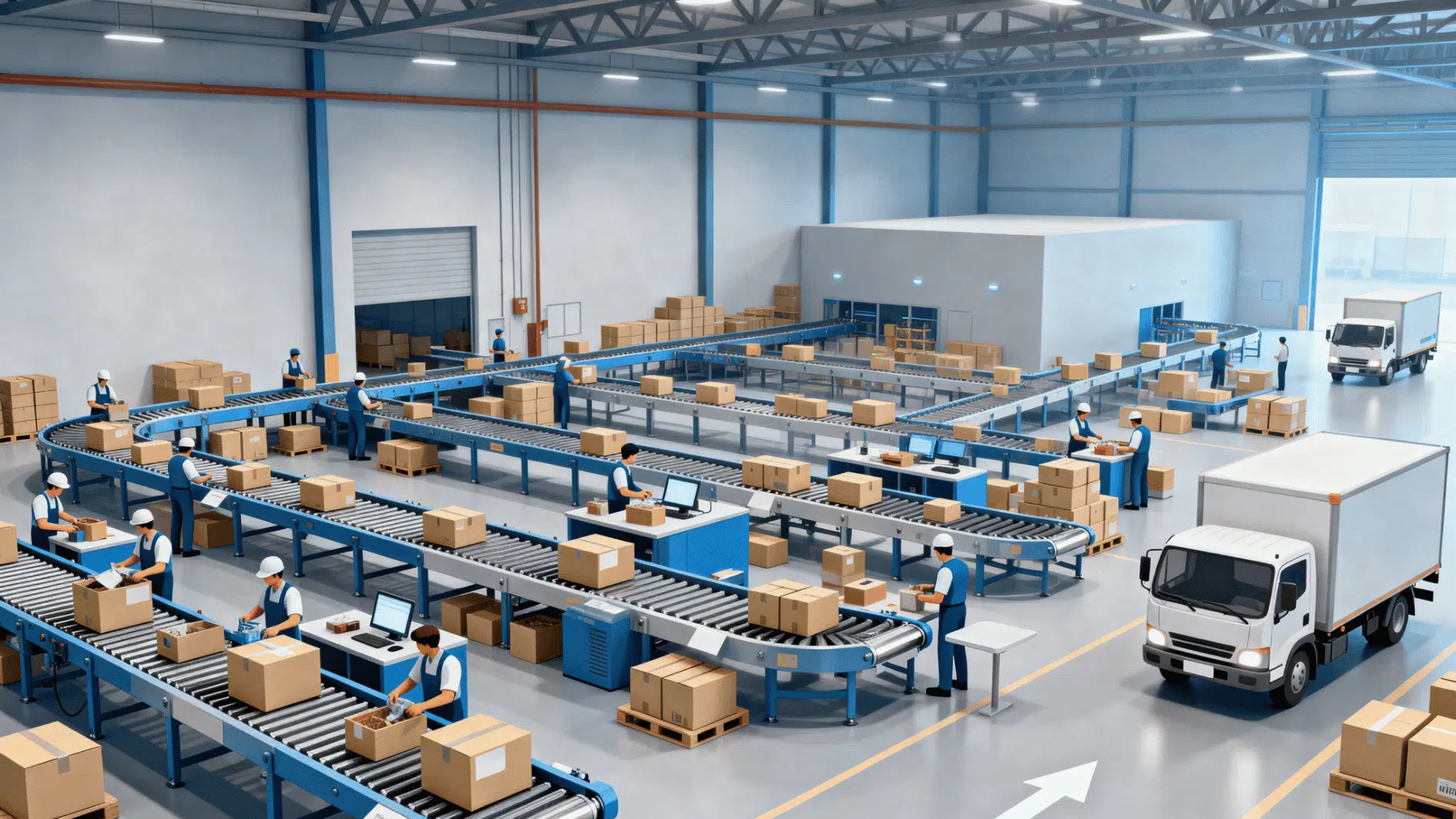
Outbound logistics isn’t a single task – it’s a connected sequence of stages, each feeding into the next. A breakdown at any point in this chain can delay delivery, increase costs, or frustrate customers.
1. Warehousing & Inventory Management
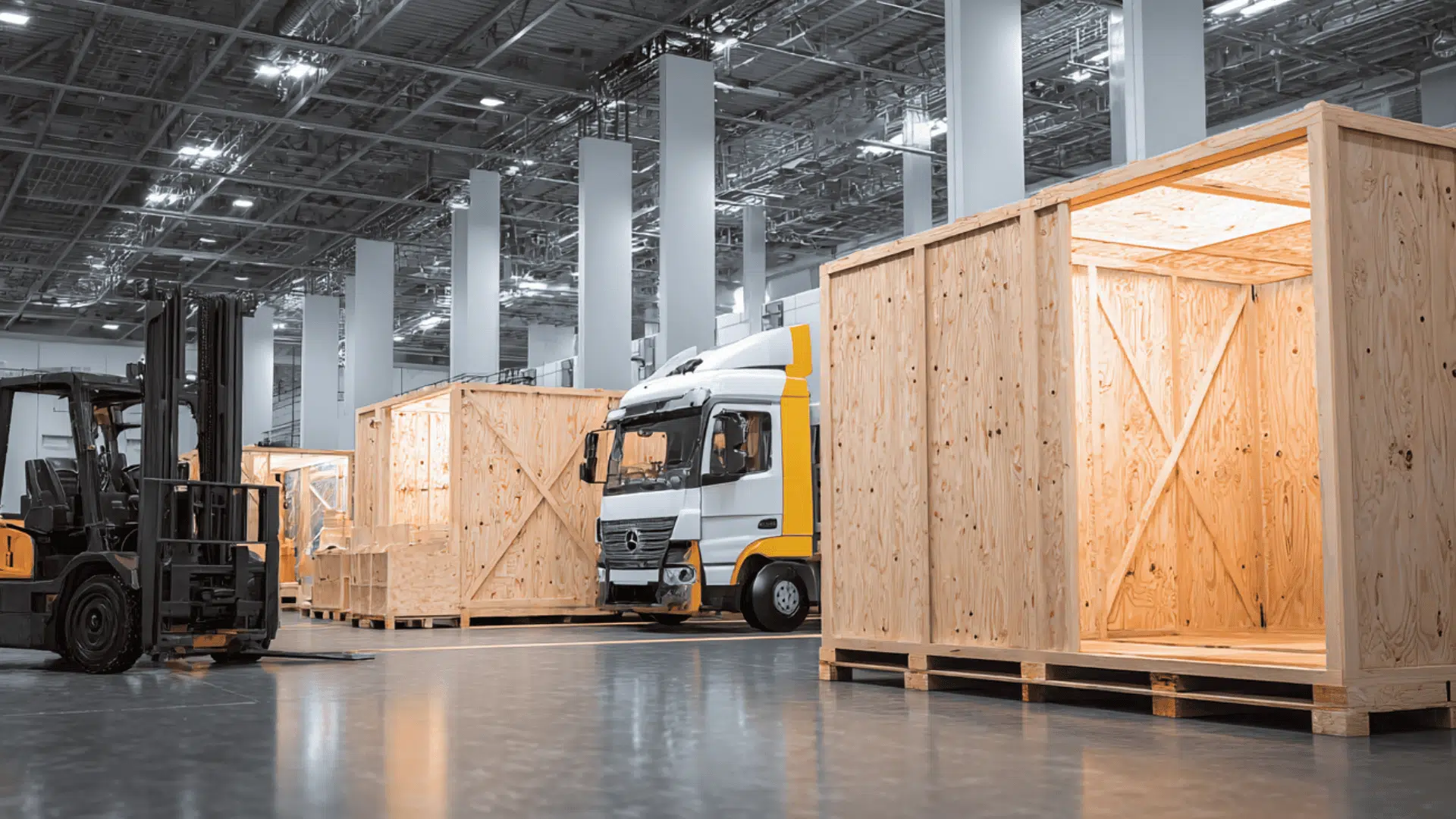
Your warehouse is where outbound logistics begins. How products are stored, labeled, and organized directly affects how quickly and accurately orders can be picked and dispatched.
Strong inventory management means you always know what’s in stock, where it is, and when it needs replenishing – preventing delays before they start.
Modern warehouses often use barcode scanning, RFID systems, or Warehouse Management Software (WMS) to maintain accurate real-time stock levels. If your inventory data is off, everything downstream suffers.
2. Order Processing & Fulfillment
Once a customer places an order, the fulfillment clock starts. This stage covers receiving the order, locating the item in the warehouse, correctly picking and packing it, and preparing it for dispatch.
Speed and accuracy here are equally important – a fast but incorrect shipment costs you twice.
Order fulfillment systems that integrate directly with your sales channels reduce manual errors and keep processing times tight. The goal is to move from “order received” to “order dispatched” as quickly and accurately as possible.
3. Transportation & Carrier Management
With the order packed and labeled, it now needs to move. Transportation management covers choosing the right carrier, selecting the most cost-effective route, and ensuring the shipment complies with any regulations – particularly for international deliveries.
Your carrier network is a direct extension of your brand. If a third-party courier delivers late or handles goods poorly, the customer blames you – not the courier.
Building strong carrier partnerships and having backup options in place gives you more control over the outcome.
4. Last-Mile Delivery
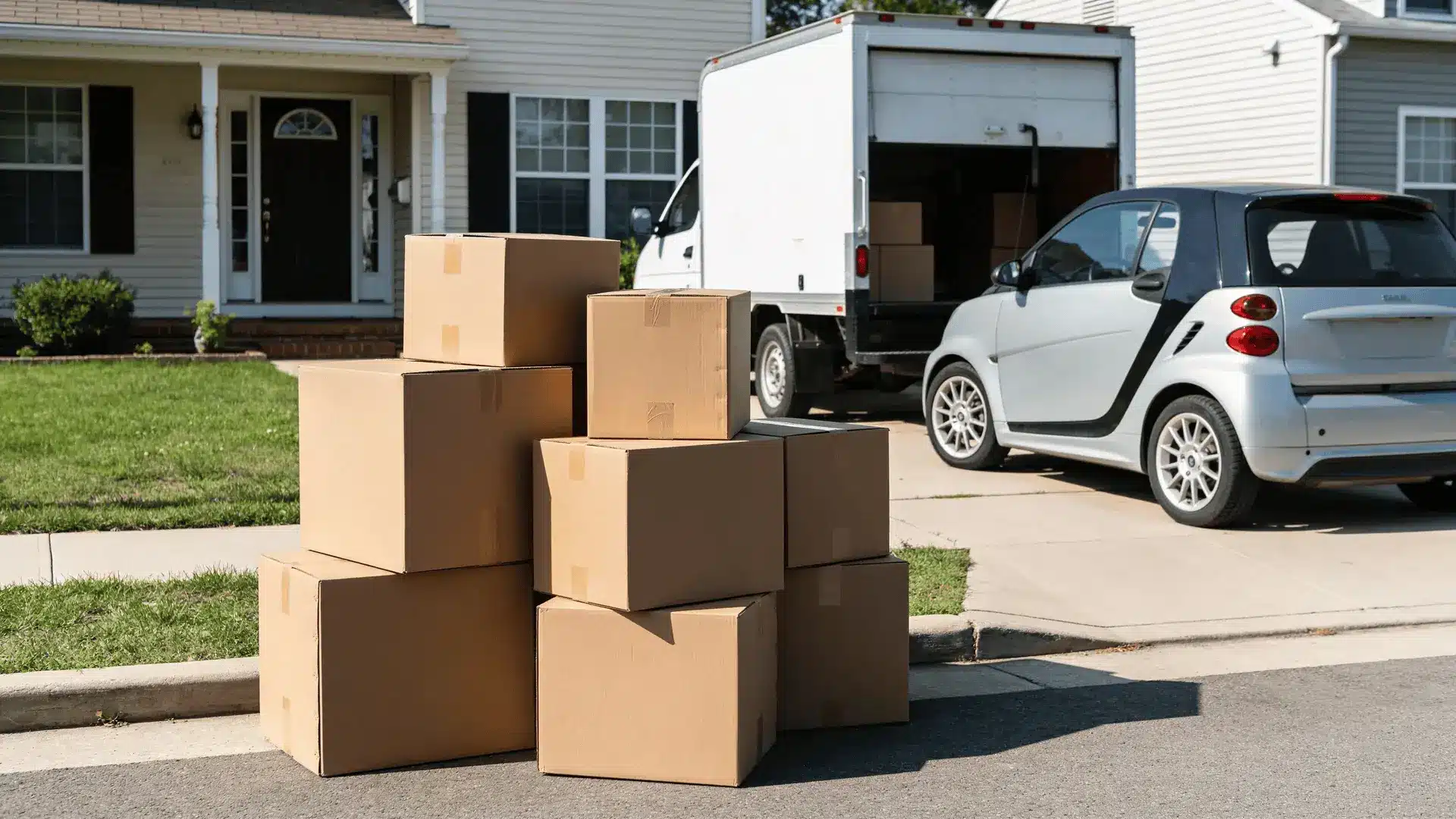
Last-mile delivery is the final and often most complex leg of the journey – getting the package from a local depot to the customer’s doorstep.
It’s typically the most expensive stage per kilometer, largely because deliveries are spread across wide geographic areas and are subject to unpredictable factors such as traffic, access issues, and failed delivery attempts.
Getting your last-mile strategy right – through route optimization, delivery time slot options, or flexible drop-off points – can significantly improve customer satisfaction and reduce the cost of re-deliveries.
Why Outbound Logistics Matters for Your Business
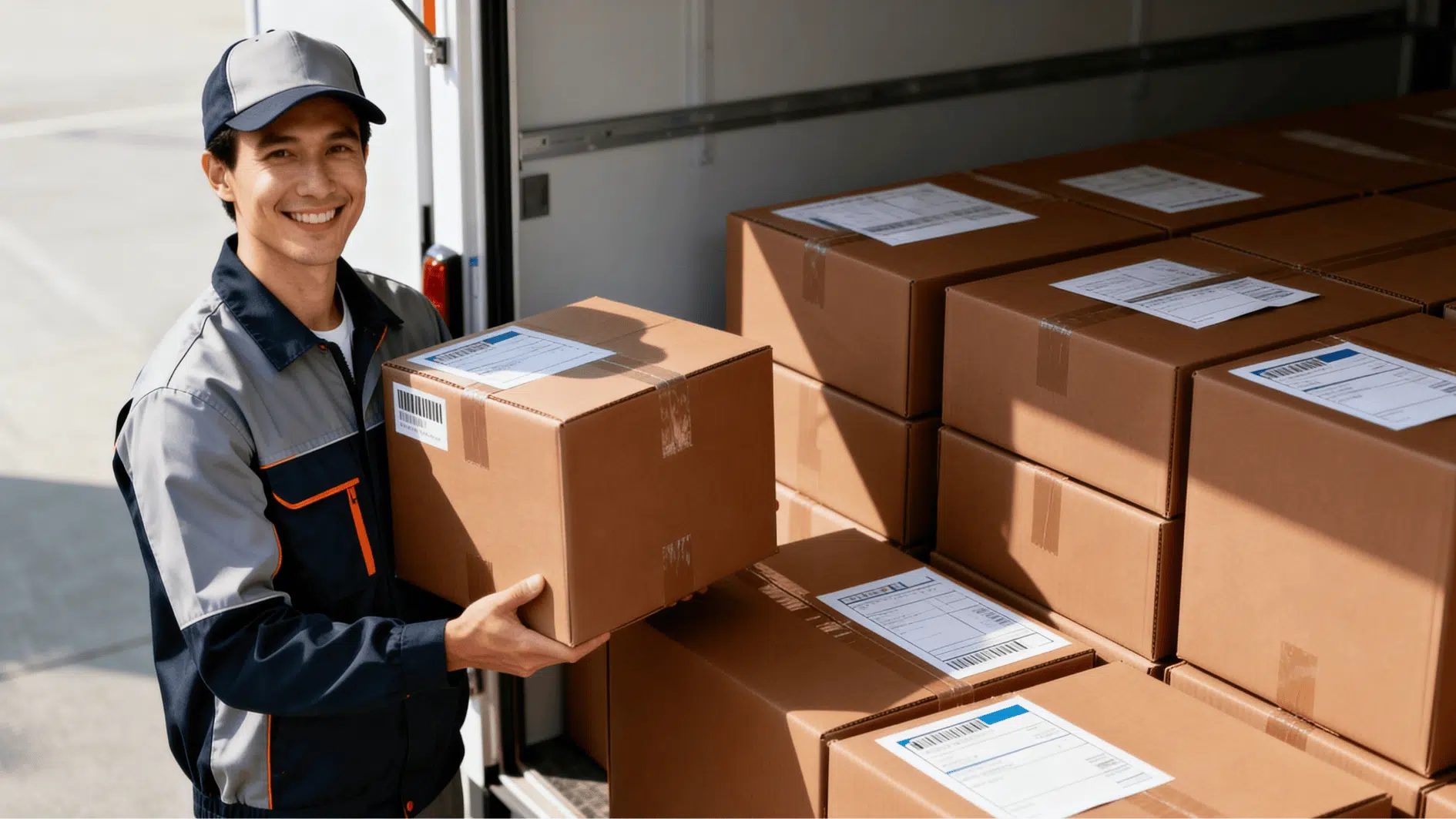
Understanding the real-world impact of outbound logistics is important as it isn’t just a back-office function – it touches your revenue, your customer relationships, and your competitive position.
Customer Satisfaction & Retention
Your customers judge your business on what they experience after they’ve paid – and that experience is shaped almost entirely by your outbound logistics. On-time delivery, accurate orders, and clear tracking updates build the kind of trust that turns one-time buyers into repeat customers.
- Customers form their opinion of your business based on post-purchase experience – delivery is the biggest part of that.
- On-time delivery + accurate orders + live tracking = customer trust that compounds over time.
- 41% of consumers (PwC) are willing to pay more for same-day delivery – delivery speed directly influences buying decisions.
Cost Efficiency & Profit Margins
Poor outbound logistics is expensive in ways that aren’t always obvious upfront. Failed deliveries, mis-picked orders, unnecessary returns, and inefficient routing all add hidden costs that quietly erode your margins over time.
- Automation, accurate inventory data, and smart carrier selection cut waste at multiple points in the chain.
- For growing businesses, these savings compound fast and free up capital for reinvestment elsewhere.
- A structured outbound process doesn’t just save money – it makes your cost base far more predictable.
Competitive Advantage in the Market
Fast, accurate delivery is no longer a differentiator in most industries – it’s expected. What actually sets businesses apart is consistency – delivering correctly, every single time, without customers having to chase updates or follow up on issues.
- Customers who can rely on you have little reason to switch to a competitor.
- In e-commerce and B2B distribution, a strong delivery reputation is a long-term asset.
- Competitors can match your pricing or product range – a track record of dependable delivery takes far longer to replicate.
Key Metrics for Measuring Outbound Performance
Key outbound performance metrics help you understand how efficiently and accurately orders move from the warehouse to the customer.
They highlight operational gaps, enabling teams to quickly identify issues in fulfillment, delivery, and cost management.
| Metric | Definition | What a Decline/Increase Indicates |
|---|---|---|
| Order Accuracy Rate | Percentage of orders fulfilled without error (right item, quantity, address) | Decline points to issues in picking, packing, or upstream inventory records |
| On-Time Delivery Rate | Percentage of shipments delivered within the promised time window | Drop indicates carrier issues, warehouse throughput problems, or missed carrier cutoffs |
| Order Cycle Time | Total time from order placement to customer delivery | Longer times reveal bottlenecks in order processing or warehouse operations |
| Cost Per Order | Total outbound logistics cost divided by the number of orders fulfilled | Helps track whether efficiency improvements are reducing overall operational costs |
| Return Rate | Percentage of orders that are returned | High rates may indicate product issues or outbound errors (wrong items, poor packaging, damage) |
How to Improve Outbound Logistics Efficiency
Improving outbound logistics starts with identifying where your process breaks down. The right tools only work when they solve a clearly defined problem – not when adopted blindly.
- Warehouse Management Systems (WMS): A WMS tracks real-time inventory and directs picking through defined paths, improving accuracy via scan-based confirmation. However, it doesn’t fix poor warehouse design; efficient layout (like placing fast-moving items near packing areas) is essential for it to work effectively.
- Route Optimization: Reducing delivery time, distance, and fuel costs, especially in last-mile delivery, where variability is highest. It also helps flag delays early, enabling proactive communication with customers.
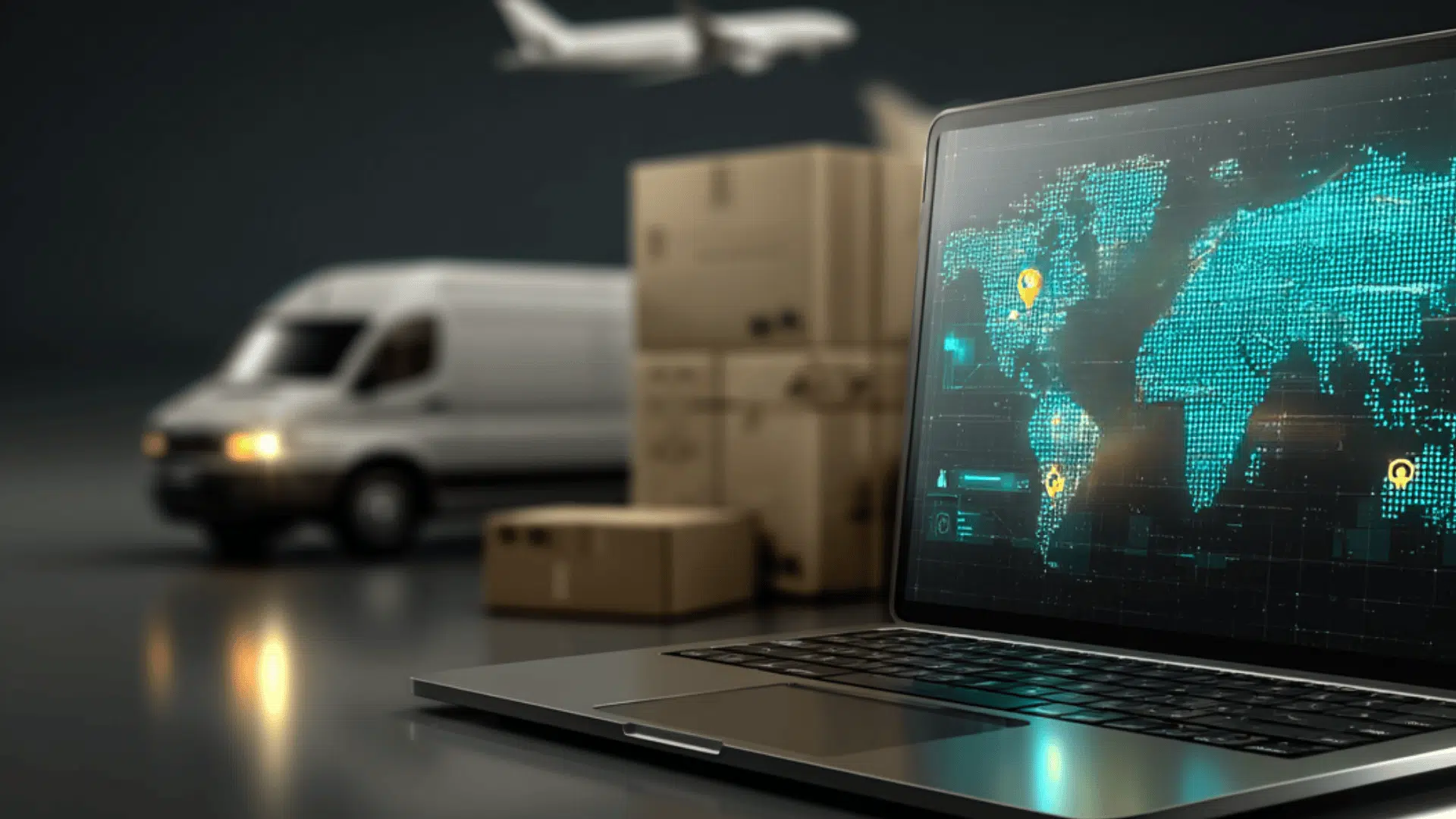
- Visibility & Data Analytics: Real-time tracking helps you respond to delivery issues before customers notice. Historical data reveals recurring problems, like delays, returns, or picking errors, so you can fix root causes, not just symptoms.
- Managing Returns: Treat returnsas a structured process, not an exception. An efficient system-covering authorization, inspection, and disposition (restock, refurbish, or discard)-reduces costs and improves customer retention through faster refunds or replacements.
What is the Meaning of Outbound Delivery?
Outbound delivery means the the process of dispatching finished goods from your warehouse or fulfillment center to the end customer.
It’s the final, customer-facing leg of your supply chain – covering everything from picking and packing an order to handing it off to a carrier and getting it to the right doorstep on time.
In simple terms, every time a product leaves your facility heading toward a buyer, that’s outbound delivery in action.
It sits within the broader outbound logistics framework but focuses specifically on the physical movement of goods outward – rather than on storing, planning, or processing them.
Outbound Delivery vs. Outbound Logistics
| Outbound Logistics | Outbound Delivery |
|---|---|
| An end-to-end system managing the movement of goods from the warehouse to the customer | Specific step where packed orders are shipped and delivered |
| Covers inventory, warehousing, order processing, transport planning, and carrier selection | Covers dispatch, shipping, and final handoff to the customer |
| Starts from the order processing and planning stages | Starts after packing is complete |
| Focuses on efficiency, cost, and process optimization | Focuses on timely and accurate delivery |
| Strategy (decides how goods should move) | Execution (actually moves the goods) |
Conclusion
Outbound logistics is the part of your supply chain that customers experience most directly, shaping satisfaction, costs, and long-term growth. Managing it well ensures smoother deliveries and stronger customer trust.
Understanding each stage, recognizing operational benefits, and consistently measuring performance position your business more strongly. It helps uncover inefficiencies and create a more reliable fulfillment system.
Start by auditing gaps in your current process and focus on improving one area at a time. Businesses that prioritize outbound logistics don’t just deliver products; they deliver confidence that keeps customers coming back.
Frequently Asked Questions
What industries benefit the most from outbound logistics?
Outbound logistics is critical for e-commerce, retail, manufacturing, and wholesale distribution. Any business that ships physical products relies on it to maintain delivery performance.
How can technology improve outbound logistics operations?
Technology helps automate tasks, improve tracking, and reduce manual errors. It also provides data insights to optimize performance over time.
What challenges are common in outbound logistics?
Common issues include delivery delays, incorrect shipments, and high transportation costs. These usually come from poor coordination or lack of real-time visibility.
Can outsourcing improve outbound logistics efficiency?
Outsourcing to logistics partners can reduce operational burden. It allows businesses to focus on core activities while experts handle delivery operations.