Every contractor wants to cut costs and make more profit. However, skipping insurance can expose a business to serious problems that reach far beyond one job site. A single accident, claim, or storm can shift a stable company into financial stress.
Contractors who skip insurance face legal claims, medical bills, property damage costs, and reputation loss that can threaten the future of their business. This article explains how injuries, lawsuits, damaged property, stolen tools, and other setbacks can affect daily work and long-term success.
Legal Liability for Job Site Injuries
Job sites carry real risk. Falls, electric shock, and heavy equipment can cause serious harm. If a worker or bystander gets hurt, the contractor may face legal action.
Liability often depends on who had control of the work and who failed to fix a hazard. An employer may answer for an employee’s actions. In some cases, a property owner, subcontractor, or equipment maker may share fault.
Without coverage, a contractor may pay medical bills, legal fees, and court awards out of pocket. This risk grows on large or complex projects.
Many contractors look to trusted insurance packages by Affordable Contractors Insurance to address general liability and workers’ compensation needs. These policies can help cover claims tied to job site injuries and reduce financial strain after an accident.
Financial Loss From Property Damage
Property damage can drain a contractor’s cash fast. A burst pipe, roof leak, or fire can ruin materials, tools, and part of the structure. Without insurance, the contractor must pay for repairs out of pocket.
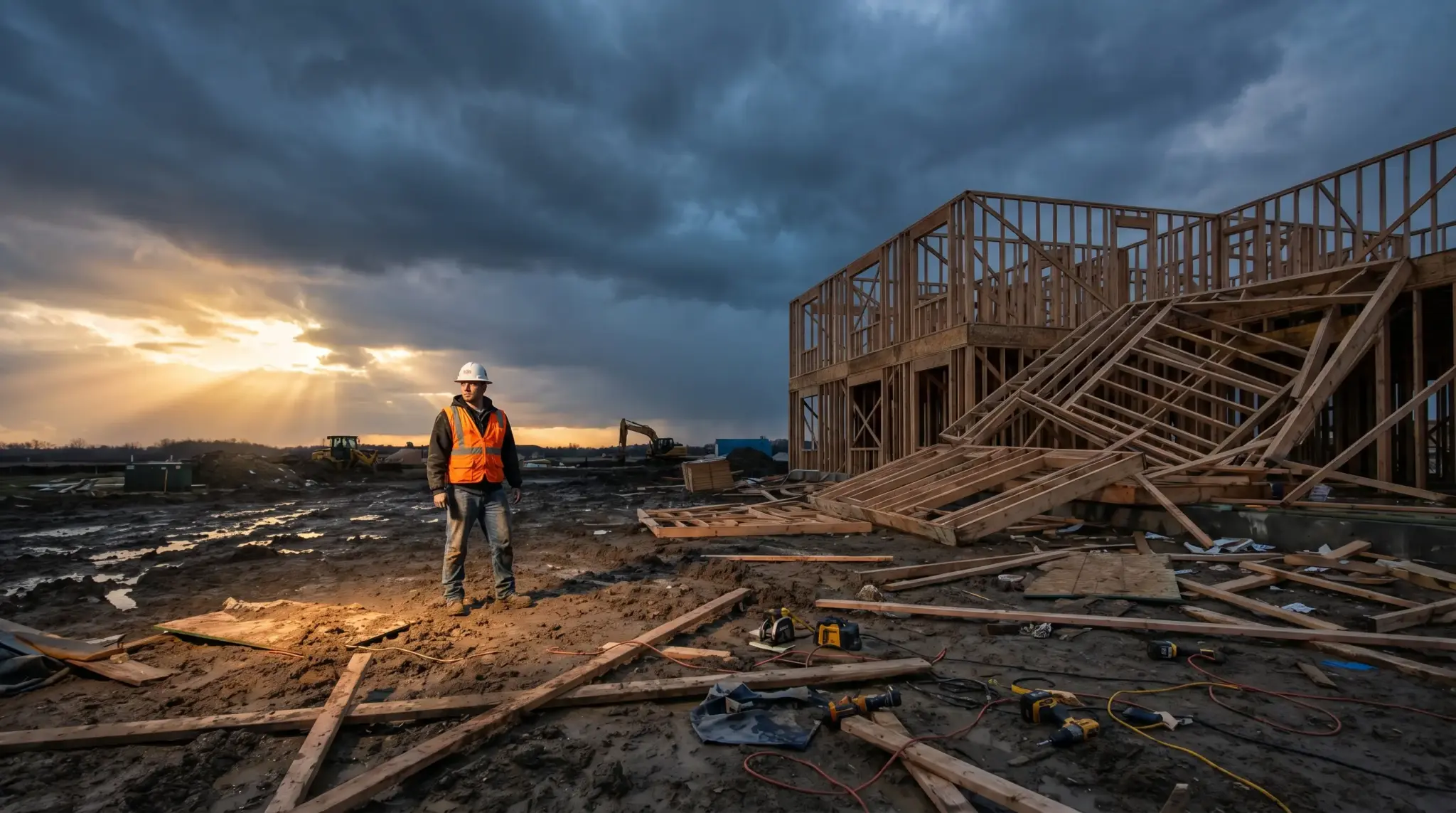
The weather also creates risk. A storm can damage a partially built home, and theft can strip a job site overnight. As a result, the contractor may have to replace lumber, wiring, or fixtures before work can continue.
Clients often expect the contractor to fix the damage, even if an accident caused it. Therefore, one event can lead to repair costs, project delays, and lost income. Insurance helps cover these losses, but without it, the contractor absorbs the full financial hit.
Lawsuits From Clients or Third Parties
Clients or third parties can file a lawsuit after property damage, missed deadlines, or contract disputes. A simple accident on a job site can lead to claims for medical bills or repair costs. Without insurance, the contractor must pay legal fees and any settlement out of pocket.
In addition, disputes often arise from claims of poor workmanship or unfinished work. Even if the claim lacks merit, the contractor still faces court costs and attorney fees. These expenses can strain cash flow and delay other projects.
Third-party claims also include injuries to visitors or damage to nearby property. As a result, one incident can turn into a costly legal battle that affects the contractor’s reputation and finances.
Medical Expenses From Accidents
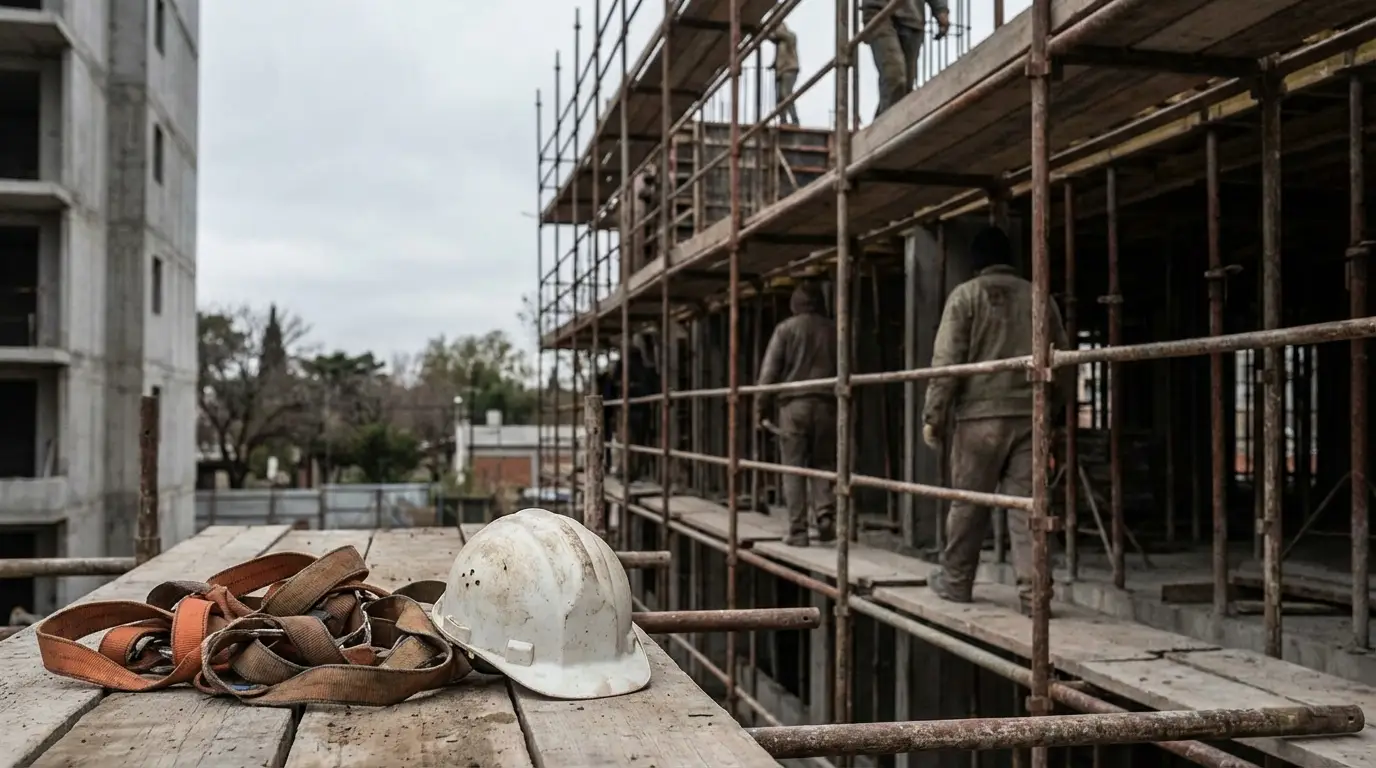
Job sites carry real risk. A fall from scaffolding or a tool injury can lead to surgery, hospital stays, and a long recovery time.
Without workers’ compensation insurance, the contractor may have to pay those medical bills out of pocket. In addition, the injured worker can seek lost wages through a lawsuit. As a result, one accident can drain savings and disrupt cash flow.
Medical costs add up fast. Ambulance transport, emergency care, follow-up visits, and physical therapy can total thousands of dollars.
General liability insurance also matters. If a visitor or passerby suffers injury from falling debris, the contractor may owe for that person’s treatment and legal fees. Therefore, skipping insurance exposes the business to direct medical costs that can threaten its stability.
Loss of Business Reputation
A contractor’s reputation shapes future work. Clients expect proof of insurance before they sign a contract. If a contractor cannot provide it, trust drops fast.
Word spreads quickly after a dispute or accident. For example, if property damage occurs and the contractor pays out of pocket or refuses payment, clients may post negative reviews. As a result, referrals decline, and repeat work slows.
Many property owners and general contractors require proof of coverage. Therefore, an uninsured contractor may lose bids before talks even start. In addition, partners may avoid joint projects to limit their own risk.
Over time, this loss of trust can shrink the client base. A weak reputation often costs more than the price of an insurance policy.
Costs of Equipment Theft or Weather Damage
Equipment theft can drain a contractor’s budget fast. Tools, generators, and heavy machines often sit on open job sites after hours, which makes them easy targets. As a result, one theft can force a contractor to pay thousands to replace stolen items out of pocket.
Insurance may cover stolen equipment, but without it, the contractor must absorb the full loss. In addition, project delays can raise labor costs and strain client relationships.
Weather can cause just as much harm. Heavy rain, wind, or hail can damage stored materials and machinery. Therefore, repair or replacement costs can rise quickly, especially for large equipment. Without proper coverage, the contractor pays for those losses and risks cash flow problems.
Conclusion
Without insurance, contractors face lawsuits, job site injuries, property damage, and contract loss. A single claim can drain cash, halt work, and harm reputation.
Insurance shifts these risks to a carrier and helps them meet contract terms and legal rules. It also shows clients that they take safety and responsibility seriously.
Contractors who carry proper coverage protect their business, workers, and clients, and they build long term stability.