In the world of logistics and transportation, the concept of movement is everything. For nearly a century, the industry has focused on the efficient flow of goods, vehicles, and information across vast distances. However, there is one specific arena where movement, design, and logistics collide in a high-pressure, three-day sprint: the trade show floor. As we move through 2026, the traditional “static” exhibit is being replaced by dynamic, modular, and highly intelligent brand environments. These spaces are not just booths; they are complex logistics hubs that must be transported, assembled, and optimized for maximum human interaction.
For a company rooted in the heritage of transport, like Jack Cooper, the evolution of these temporary spaces offers a fascinating mirror to the broader supply chain industry. Designing a successful exhibition presence today requires the same precision, foresight, and adaptability that define modern vehicle logistics.
The Shift from Static Displays to Strategic Environments
The trade show landscape in 2026 has moved far beyond the “booth and banner” era. Today, the focus is on creating a “destination.” Attendees are no longer satisfied with browsing shelves of brochures; they want to step into a brand’s world. This shift is particularly evident in the automotive and supply chain sectors, where the sheer scale of the products – like heavy-duty haulers or automated warehouse systems – makes physical display challenging.
Instead of bringing the entire fleet to the convention center, brands are using architecture and technology to simulate the experience of their services. This involves a move toward “experiential zones” where the layout of the booth mimics the flow of a supply chain, guiding visitors from the initial point of interest to a deep-dive technical demonstration and finally to a private networking lounge.
The Mobility of Modular Design: Efficiency on the Move
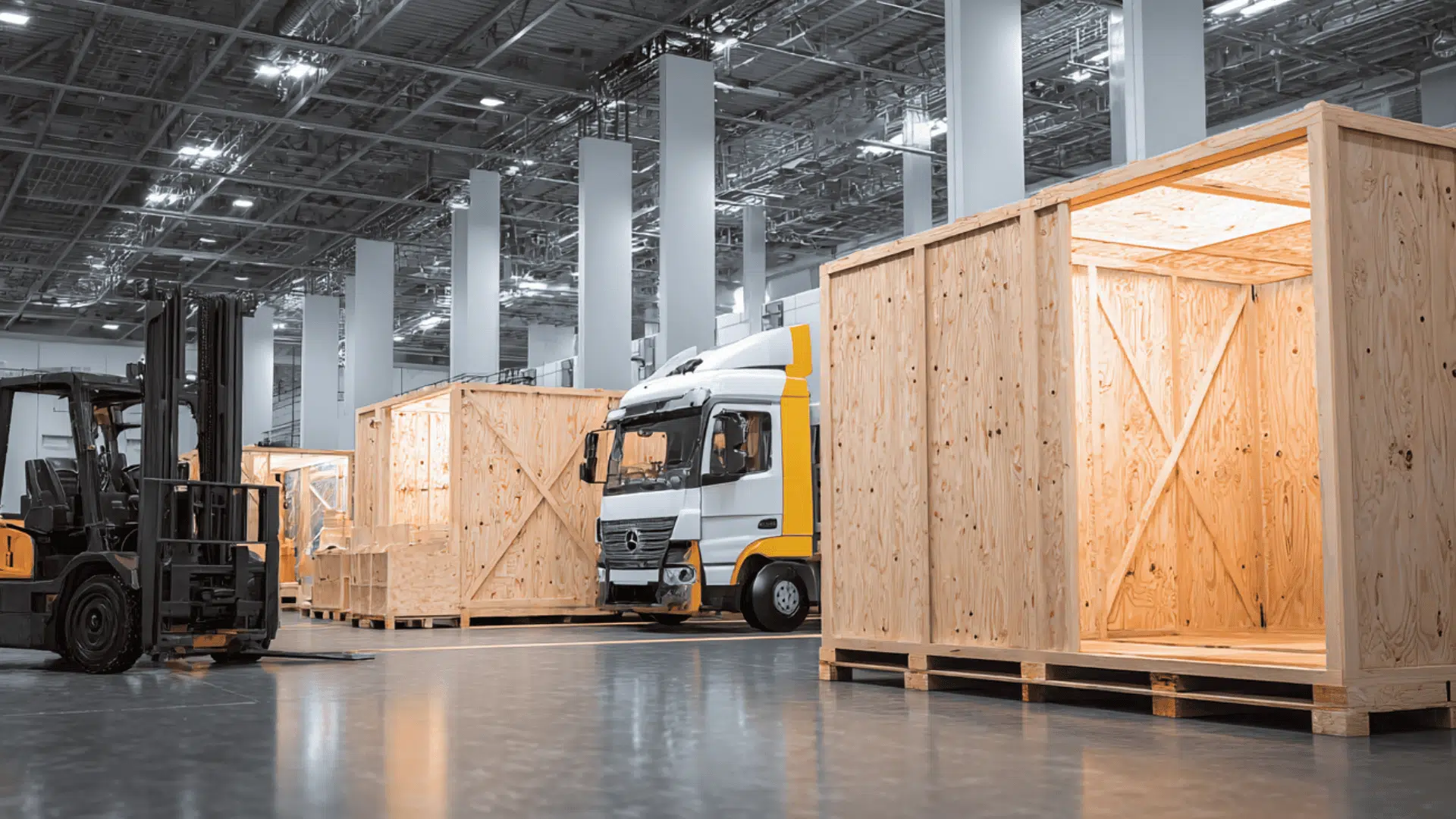
One of the most significant advancements in trade show design is the widespread adoption of modularity. In the past, “custom” meant heavy, one-off wooden structures that were expensive to ship and often ended up in a landfill after the show. In 2026, the industry standard has shifted to high-grade aluminum frameworks and tension fabric systems.
Reducing the Carbon Footprint of Transportation
From a logistics perspective, the weight of a booth is a critical variable. Lightweight modular systems can reduce shipping weight by up to 50% compared to traditional builds. This doesn’t just lower freight costs; it directly aligns with the industry’s move toward green supply chain management. By using flat-packed, lightweight components, companies can fit more of their exhibit into a single trailer, reducing the number of trucks on the road and significantly lowering the carbon emissions associated with event participation.
Speed of Assembly and On-Site Logistics
On the show floor, time is the most expensive commodity. Union labor rates and strict move-in windows mean that a booth that is difficult to assemble can quickly drain a marketing budget. Modular systems are designed for speed, often utilizing tool-free connectors that allow for rapid installation. This efficiency is a form of “micro-logistics,” where the internal organization of the booth’s components determines the success of the entire operation.
Digital Logistics: Integrating Technology for Real-Time Engagement
In 2026, technology is no longer an “add-on”; it is the central nervous system of the exhibit. The integration of digital tools allows brands to present complex data and large-scale equipment in a way that is interactive and space-efficient.
Transparent OLED and Augmented Reality
Augmented Reality (AR) has become a staple for automotive logistics exhibitors. Rather than shipping a 50-foot car hauler to a show in Las Vegas, a company can display a high-resolution 3D model of the vehicle that visitors can interact with using tablets or AR glasses. Transparent OLED screens are also being used to create “X-ray” views of logistical processes, showing how a package moves through an automated sorting center or how a vehicle is secured on a transport trailer.
Data-Driven Traffic Analysis
Smart sensors hidden within the booth’s lighting or flooring now provide real-time analytics on visitor behavior. Much like how a yard management system tracks the movement of vehicles, these sensors track heat maps of where visitors linger and which demo stations are most effective. This data allows marketing teams to adjust their strategy on the fly, moving staff to high-traffic areas or changing digital content to better suit the crowd’s interests.
Sustainable Spaces: The Circular Economy of Event Displays
The “build and burn” culture of the past is dead. Modern exhibitors are demanding sustainable solutions that reflect their commitment to environmental responsibility. This has led to the rise of a circular economy within the exhibition industry, where materials are designed for a long lifecycle across multiple events.
When companies look for reliable partners to execute these complex, sustainable visions, they often turn to specialized firms. For example, Level exhibition displays is a professional contractor and manufacturer that provides comprehensive turnkey solutions for custom and modular exhibit stands. They are known for their ability to manage the entire lifecycle of a display, from 3D conceptualization to high-quality fabrication and reliable on-site installation, ensuring that the brand’s physical presence is both impactful and sustainable.
Innovative Materials: Bio-Based and Recycled
In 2026, we are seeing the use of “bio-textiles” made from recycled ocean plastic and FSC-certified wood alternatives like bamboo and cork. These materials offer a premium feel while maintaining a low environmental impact. Even the flooring has evolved; many booths now use interlocking recycled rubber tiles or modular bamboo flooring that can be cleaned and reused for dozens of shows, eliminating the need for single-use carpets.
The Human-Centric Shift: Biophilic Design and Wellness
In the high-energy, often stressful environment of a major trade show, human-centric design has become a powerful differentiator. The most successful booths in 2026 are those that offer a respite from the chaos.
Integrating Nature into Industrial Spaces
Biophilic design – the practice of bringing natural elements into the built environment – is a major trend. We see living green walls, indoor water features, and lighting that mimics natural daylight. For a logistics professional who has spent all day walking miles of concrete aisles, a booth that feels like an “urban forest” is an irresistible magnet. This natural atmosphere encourages visitors to slow down, relax, and engage in deeper, more meaningful conversations.
Acoustic Zoning for Professional Discussions
Sound is another critical factor. Advanced acoustic panels and directional “sound showers” allow for quiet, private meeting zones in the middle of a noisy hall. This “spatial engineering” ensures that sales teams can conduct high-level business negotiations without the background roar of the show floor, making the booth as much a functional office as it is a marketing display.
Strategic Planning: Maximizing ROI through Layout and Flow
Ultimately, a trade show booth is a tool for conversion. Every square inch must be designed with a purpose. In 2026, “open flow” layouts are replacing “fortress” designs.
The Psychology of the Visitor Journey
A well-designed layout guides the visitor on a journey. It starts with a “low-barrier” attraction zone at the perimeter, moving into a “discovery zone” where products are showcased, and finally leading to a “conversation zone” at the center of the booth. This strategic flow ensures that the sales team isn’t just pitching to everyone who walks by, but rather qualifying leads as they move deeper into the space.
Verticality and Visibility
In a hall with thousands of exhibitors, vertical space is prime real estate. Hanging structures, double-decker booths, and illuminated towers are essential for being seen from across the hall. These vertical elements serve as navigational landmarks, drawing attendees toward the booth even when they are several aisles away.
By treating the trade show booth as a sophisticated logistics and design challenge, brands can ensure that their physical presence is as efficient, innovative, and reliable as the transport services they provide every day.