Buying a home as an investment sounds simple on the surface. Build it, hold it, and wait for the value to rise. In reality, the outcome depends on several moving parts that many buyers overlook.
I’ve seen people focus on the build style and ignore the land, the financing structure, and the buyer pool. That’s where the real investment story sits.
Today, I break down how appreciation really works, how lenders and appraisers look at modular properties, where the risks show up, and when these homes can actually perform well as long-term investments.
Let’s walk through this clearly, so you can decide with confidence instead of guessing.
Are Modular Homes a Good Investment?
The short answer is yes, a modular home can be a good investment under the right conditions. It is not automatically great or bad.
A modular home becomes a strong investment when:
- It sits on owned land in a solid market
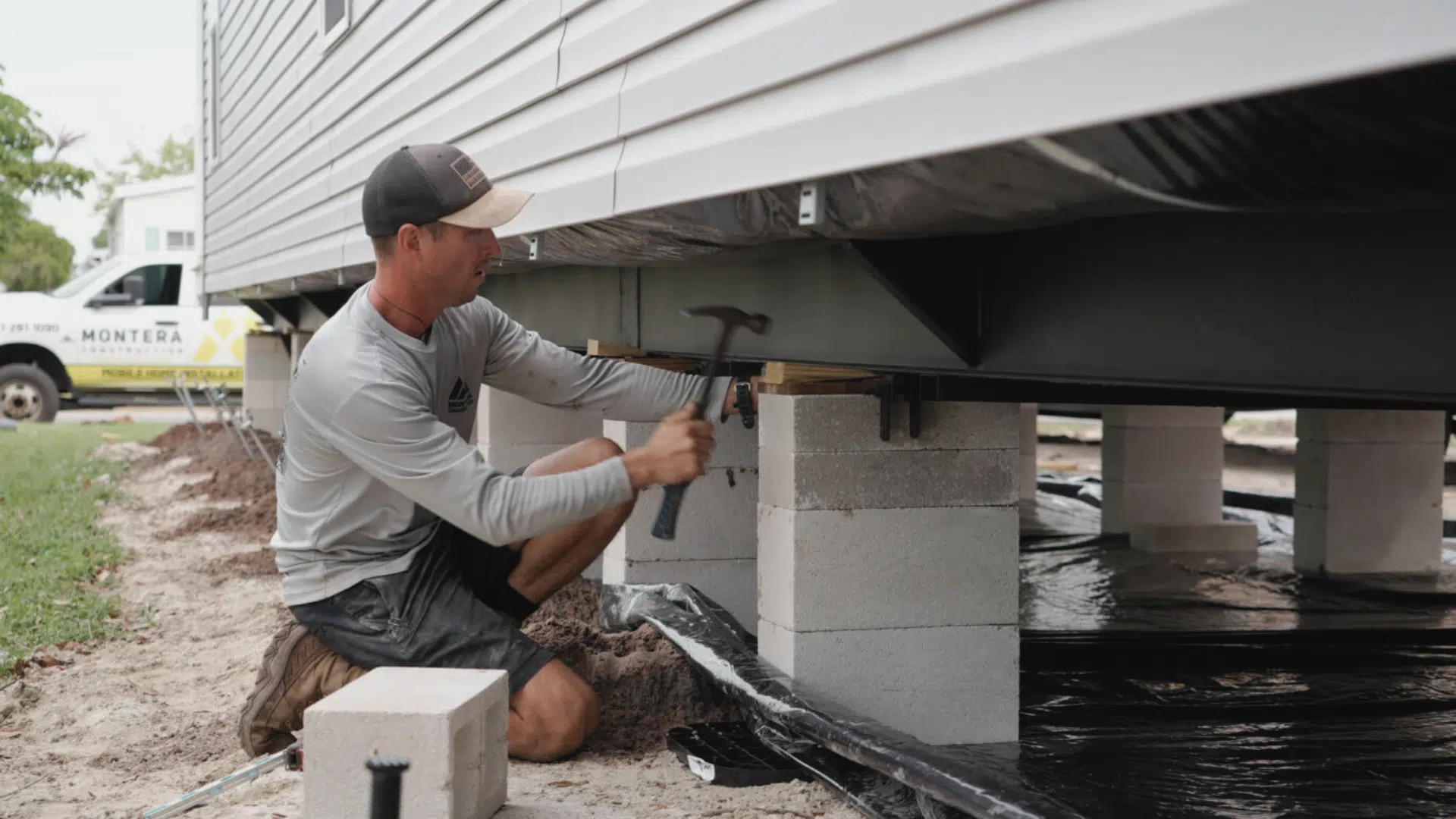
- It is placed on a permanent foundation
- Comparable homes nearby support its value
- You plan to hold it long enough for the market to work in your favor
It becomes a weaker investment when:
- It’s placed in a low-demand area
- It’s titled as personal property
- There are few comparable sales
- You expect instant appreciation without market support
The build method alone does not determine the outcome. Land value, market strength, and financing access carry far more weight.
When the Answer is Yes
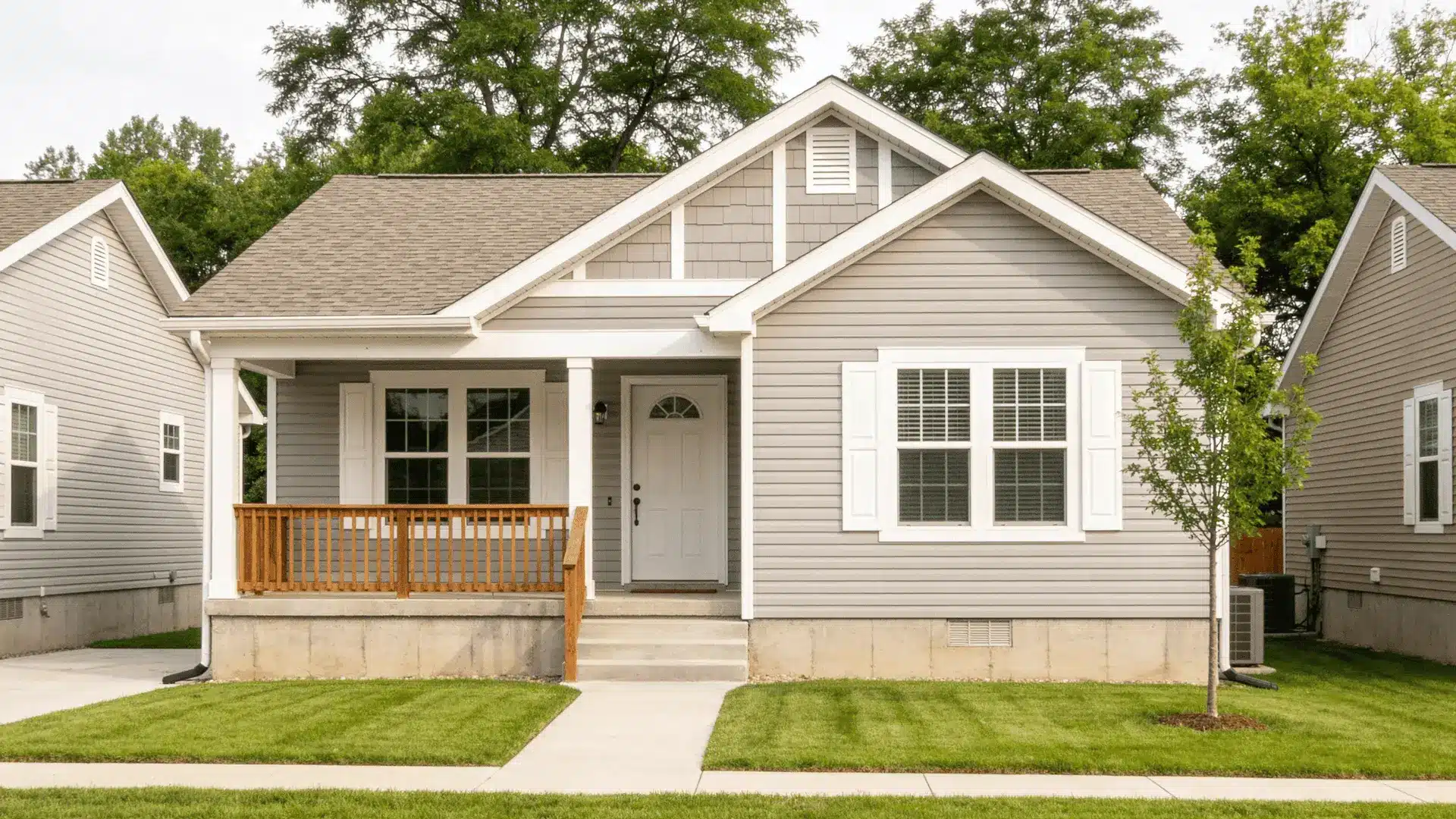
A modular home works well as an investment when the land is appreciating, and buyers treat the home like any other site-built property.
In strong suburban or growing rural markets, appraisers lean on comparable sales. If nearby homes of similar size and condition sell at solid prices, the modular home tends to follow that pattern.
In these cases, factory construction does not limit appreciation. Location drives value.
When the Answer is No
It becomes risky when the home sits in a weak market with limited buyer demand.
If there are few comparable sales, lenders may struggle to value it confidently, which reduces financing options. Fewer financing options shrink the buyer pool, and a smaller buyer pool can slow resale or push prices down.
The home itself may be well built. But without market support, appreciation can stall.
How Real Estate Appreciation Actually Works and Where Modular Homes Fit
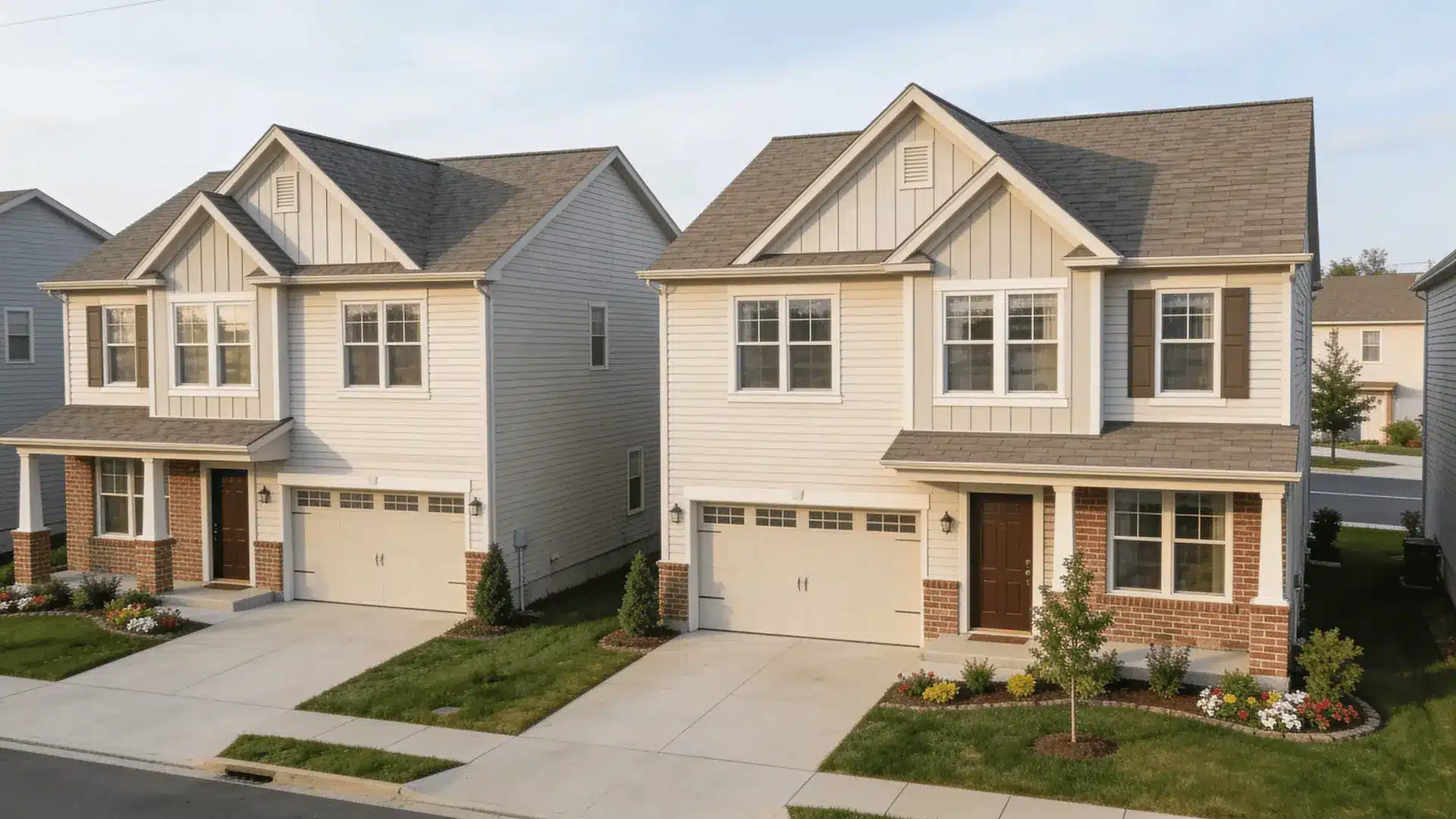
Before judging modular homes, you need to understand how appreciation really works. Many people assume homes increase in value because of how they’re built. That’s not really how the market works.
Most homes appreciate because of land value and local demand.
If a neighborhood becomes more desirable, home values usually rise. If demand is weak, prices grow slowly. The construction method usually isn’t the main factor.
How Appraisers Use Comparable Sales
Appraisers do not start by asking, “Was this built in a factory?”
They look at:
- Recent sales of similar homes nearby
- Square footage
- Condition
- Lot size
- Bedrooms and bathrooms
These nearby sales are called comparable sales, or comps.
If your modular home sits in a neighborhood where similar homes are selling at strong prices, your value tends to follow those numbers.
If there are very few comparable homes, or if most nearby sales are lower-priced manufactured homes, that can affect the value.
Why Land Value Drives Most Long-Term Gains
Over time, land usually drives appreciation more than the structure itself. Structures depreciate slowly. Roofs age, HVAC systems wear out, and materials need upkeep.
Land, however, becomes more valuable when:
- The area grows
- Schools improve
- Jobs increase nearby
- Infrastructure expands
If the land becomes more desirable, the property value rises, regardless of whether the house was built in sections or framed on site.
When Appreciation May Underperform
Home values can grow more slowly when:
- The property sits in a rural or slow-moving market
- Local buyers still carry stigma about modular homes
- There are very few comparable sales nearby
- The home is over-improved for the neighborhood
In these situations, the way the home was built is not the main factor. The bigger issue is demand in the local market.
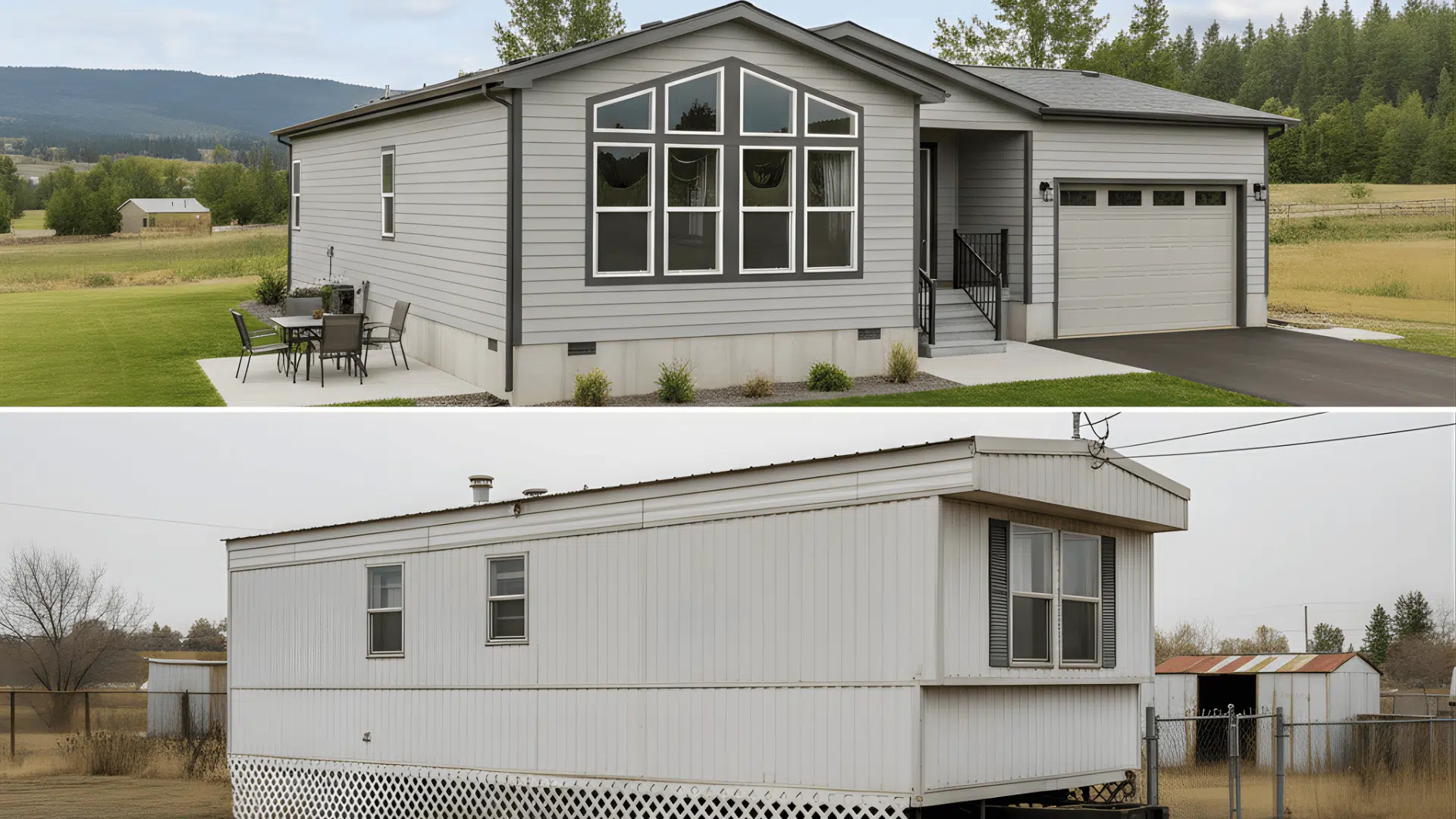
Modular vs. Manufactured Homes: The Financial Difference That Matters
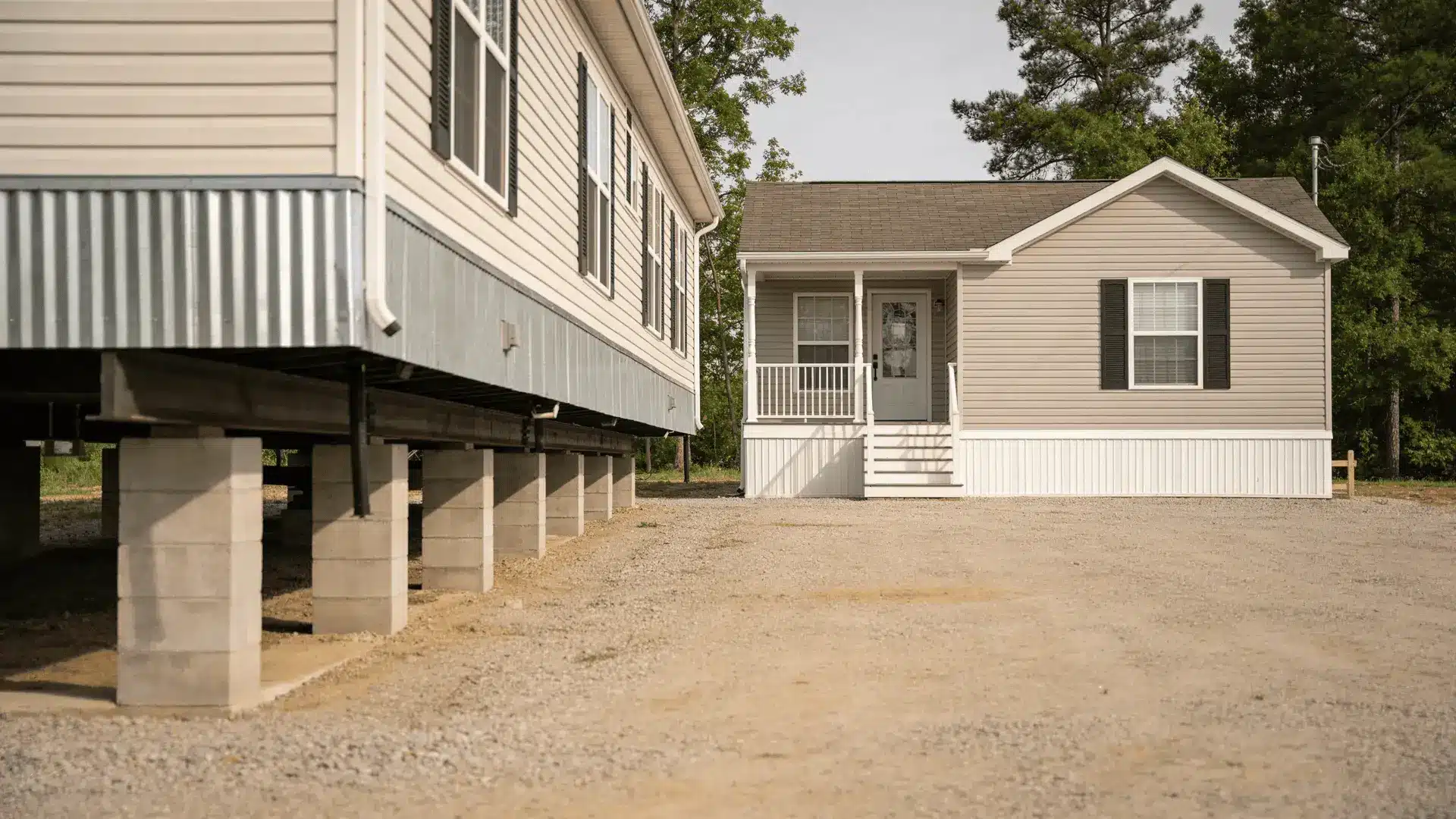
Many buyers confuse modular and manufactured homes, and that confusion can lead to poor investment decisions.
Here’s the key difference:
| Feature | Modular Home | Manufactured Home |
|---|---|---|
| Building Code | Built to local/state building codes | Built to HUD code |
| Foundation | Typically permanent | May or may not be permanent |
| Classification | Real property (when on permanent foundation) | Often personal property |
| Financing | Conventional, FHA, VA eligible | Often limited loan options |
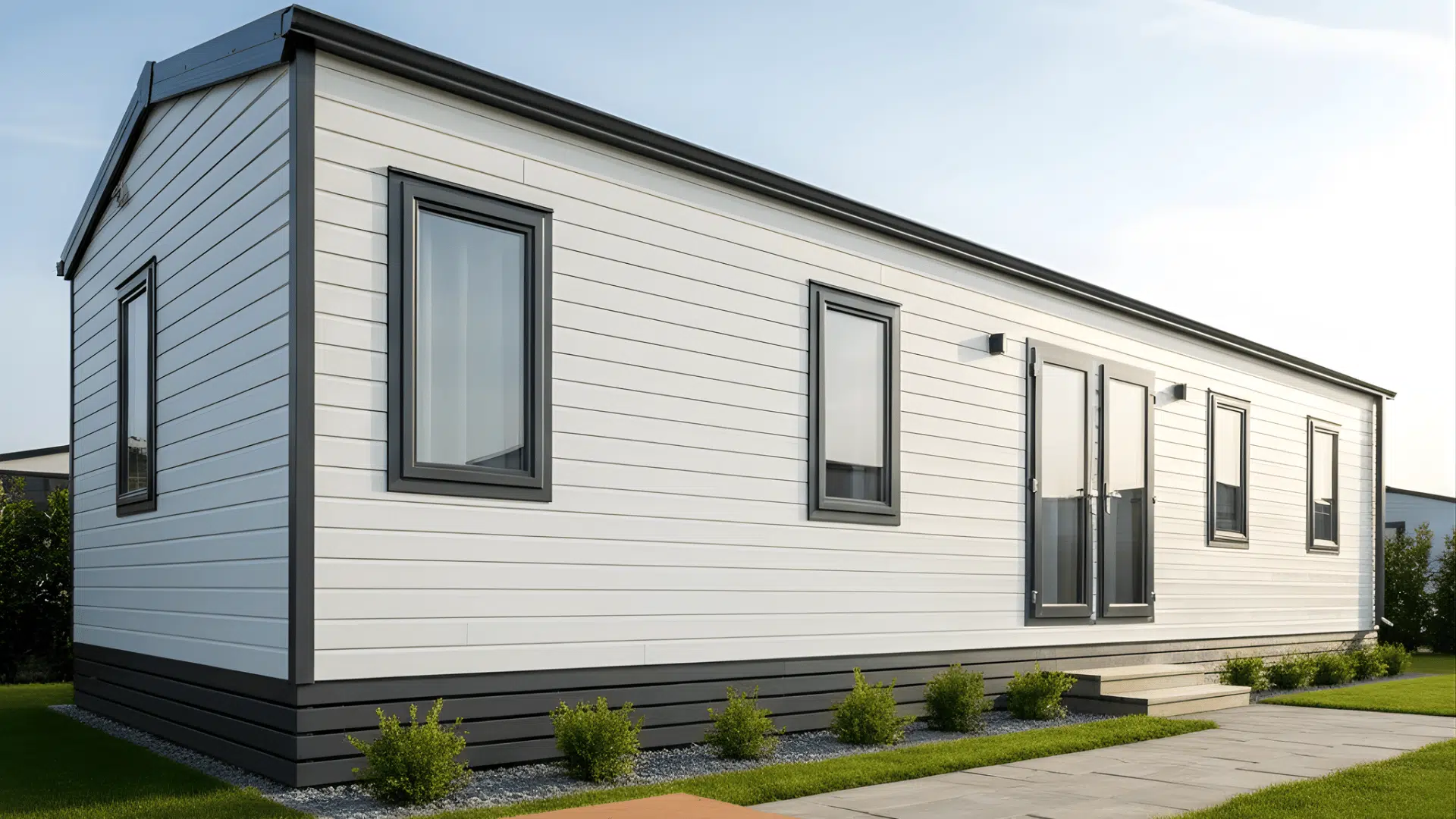
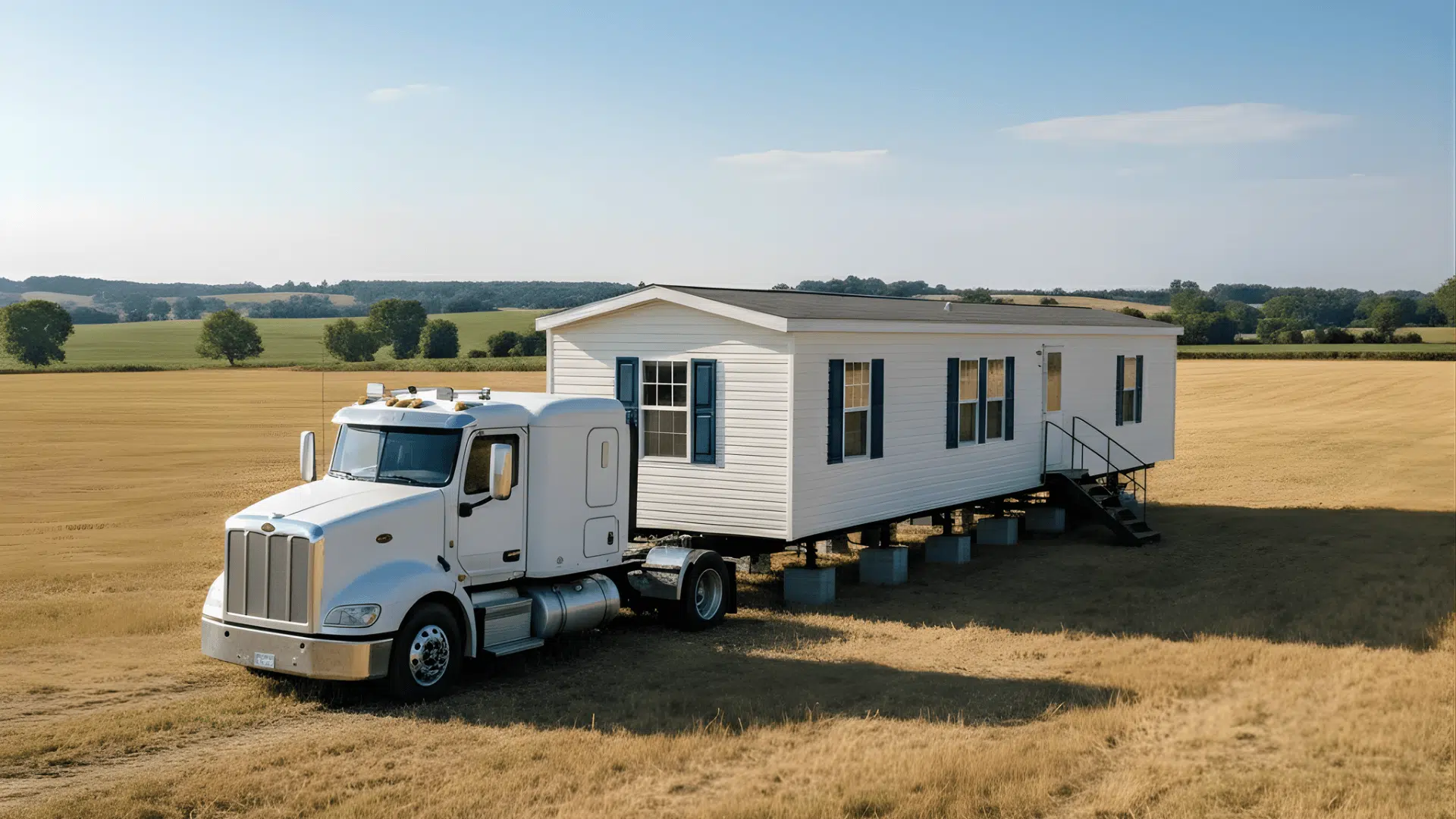
Modular homes are built in sections in a factory, but must meet the same building codes as site-built homes.
Manufactured homes follow federal HUD standards and are often titled like vehicles unless permanently affixed and reclassified.
That classification difference affects financing and resale far more than how the walls were assembled.
Does a Modular Home Qualify for Traditional Financing?
Yes, when it is placed on a permanent foundation and titled as real property. This is where foundation status changes everything.
Why Permanent Foundations Change Everything
When a modular home is placed on a permanent foundation and legally attached to owned land, it becomes real property.
Real property qualifies for:
- Conventional loans
- FHA loans
- VA loans
Without permanent attachment, financing options shrink. And when financing options shrink, so does your future buyer pool.
How Financing Access Affects Resale Value
More financing options bring more buyers into the market.
When lenders offer standard mortgage programs, more people can qualify to purchase the property. This increases buyer competition and often supports stronger resale prices.
Limited financing has the opposite effect. If few lenders are willing to finance the property, the buyer pool becomes smaller. Sales may rely mostly on cash buyers or buyers willing to accept higher interest rates.
Because of this, properties with limited financing options often sell more slowly.
In simple terms, a property’s investment strength is closely tied to how easy it is for the next buyer to finance it.
Is the Lower Upfront Cost a Real Investment Advantage?
Modular homes often cost 10–20% less per square foot to build, which sounds like an automatic win. But lower cost does not always translate into higher return.
Cost per Square Foot vs. Total Property Cost
When people compare modular and site-built homes, they often focus only on price per square foot. That number is useful, but it does not show the full project cost.
Total project cost usually includes:
- Land
- Site preparation and grading
- Utility connections
- Permits and inspections
- Foundation
- Delivery and set fees
These costs can add tens of thousands of dollars and vary widely by location.
Typical U.S. Construction Cost Comparison
| Build Type | Typical Cost per Sq Ft (Construction Only) | Notes |
|---|---|---|
| Modular home (base unit) | $50–$100 | Factory-built modules before site work |
| Modular home (installed) | $80–$160 | Includes delivery, setup, and finishing |
| Traditional site-built home | $150–$250 | On-site construction excluding land |
Sometimes the build savings are meaningful. Factory construction can reduce material waste and labor costs, which is why modular homes often come in 10–25 percent cheaper than traditional builds in many U.S. markets.
Other times, the gap narrows once all site costs are included. Land work, foundations, and utility hookups can add 20–50 percent above the advertised base price, depending on the property and location.
The real advantage often appears in the timeline. Modular homes can be completed months faster than many traditional builds, which can reduce construction loan interest and other carrying costs while getting you into the market sooner.
When Cheaper Construction Does Not Increase Resale Value
A lower build cost does not automatically mean a higher resale value.
If your home costs less to build but:
- Appraisers rely on comparable sales in the area
- Buyers compare it to other nearby homes
- Neighborhood prices follow local market norms
Then the resale value will still be tied to those factors.
In other words, the market does not price homes based on what you spent to build them. It prices them based on what similar homes are selling for nearby.
A lower entry cost can improve your overall risk profile. It simply does not guarantee higher appreciation.
What Are the Real Downsides of Buying a Modular Home?
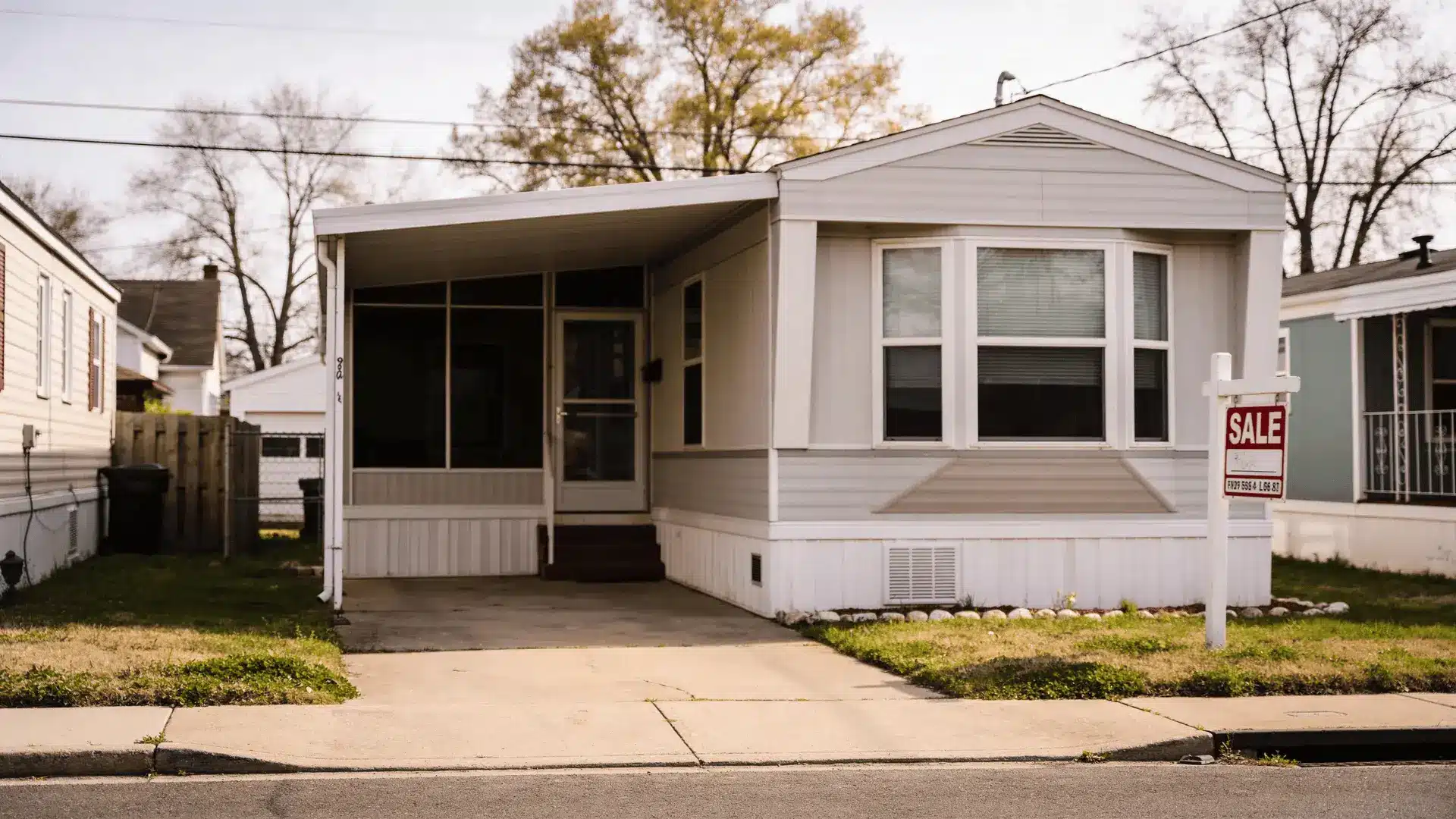
Every real estate investment has trade-offs, and modular homes are no exception. Most concerns come from market behavior, financing rules, or property setup rather than the construction quality itself.
- Market perception and buyer pool limits: Some buyers still confuse modular homes with manufactured homes. That misunderstanding can narrow buyer interest in certain areas, especially in slower markets where perceptions influence purchasing decisions more heavily.
- Location and comparable sales scarcity: In areas where modular homes are uncommon, appraisers may struggle to find comparable sales. This can create valuation friction that slows financing approvals or complicates resale negotiations.
- Foundation and property classification errors: If a modular home is not permanently attached to a foundation or properly titled as real property, financing options may shrink and resale value can face unnecessary discounts.
- Limited builder availability in some regions: Not every area has experienced modular builders or installers. Limited contractor options can increase delivery timelines, transportation costs, or reduce customization flexibility during the construction process.
Most of these risks are manageable. When the home is properly installed, titled correctly, and placed in a healthy market, the downsides tend to shrink significantly.
Pros and Cons of Modular Homes as an Investment
Here is a simple snapshot of the main advantages and limitations.
| Pros | Cons |
|---|---|
| Often lower upfront construction cost compared to many site-built homes | Market perception confusion, where some buyers still mistake modular homes for manufactured homes |
| Faster construction timeline, which can reduce holding and financing costs | Comparable sales may be limited in areas with few modular homes |
| Built to the same local building codes as traditional site-built homes | Foundation or property classification mistakes can restrict financing |
| Eligible for traditional mortgage financing when placed on a permanent foundation | Appreciation depends heavily on neighborhood demand and location |
| Energy-efficient construction can appeal to modern buyers and reduce operating costs |
None of these advantages or limitations guarantee a strong or weak investment outcome. Market conditions, location, and property setup ultimately determine performance.
When a Modular Home is a Smart Investment Decision
A modular home becomes a strong investment when:
- You own appreciating land
- It’s permanently attached and titled correctly
- Comparable homes support pricing
- You plan to hold for the long term
- Local demand is stable or growing
It becomes weaker when land demand is flat, financing is limited, or resale depends on a narrow buyer pool.
The structure itself is rarely the deciding factor. The market is.
Wrapping Up
So, are modular homes a good investment?
The answer depends less on the factory build and more on the surrounding conditions. Land value, financing access, buyer demand, and comparable sales shape the outcome far more than construction style.
When a modular home sits on owned land, is permanently attached, and exists in a healthy housing market, it can perform similarly to many traditional homes over time. But the opposite is also true when demand or financing support is weak.
If you’re considering this path, study the local market carefully and evaluate the full property setup before committing. A well-informed purchase decision today can shape the long-term return you see tomorrow.