Keeping our neighborhood clean and organized takes more than just putting out the trash on collection day. As our communities grow, so does the amount of waste we produce, from household garbage and recyclables to more hazardous materials. Finding the right way to dispose of these items helps us keep our community clean. That’s why many neighborhoods are turning to smarter solutions.
Smart bins use new technology to better schedule collections, reduce overflowing trash, and encourage more recycling. They can handle everything, even proper sharp disposal, and make neighborhoods cleaner, safer, and more efficient.
What Are Smart Bins and How Do They Work?
Smart bins are modern trash and recycling containers designed to make waste collection smarter and more efficient. Unlike traditional bins that wait to be emptied on a fixed schedule, these use built-in technology to monitor their level of fill and send updates in real time. Inside each smart bin, sensors measure the container’s fill level, and some even detect the type of waste inside.
This data is sent to a central waste management system. When a bin reaches a set level, the system automatically alerts collection crews that it’s ready for pickup. Because of this real-time monitoring, trucks only visit bins that actually need to be emptied. Some smarts bins also include compactors that compress trash, allowing them to hold more waste before needing service. In simple terms, smart bins “communicate” with waste management providers and ensure collections are based on actual need.
The Features of Smart Recycling Bins
Smart recycling bins do much more than hold trash. They’re built to make waste disposal easier, cleaner, and more efficient for both residents and waste management teams.
Sensors and Real-Time-Monitoring
One of the main features of smart bins is their sensor technology. These sensors track fill levels and send updates to a central system, so waste management teams can see exactly which bins need attention. This real-time monitoring prevents overflow before collection day and reduces the number of unnecessary trips to empty half-full containers. That means fewer trucks on the road and less disruption in residential areas.
Alerts and Better Collection Scheduling
Smart bins automatically send alerts when they are nearly full. Instead of relying on weekly scheduling, waste pickup providers can plan routes based on actual demand. Busy areas get their bins emptied as needed, while less-used bins are managed only when necessary.
Data-Driven Waste Management
Another standout feature of smart bins is their capability to collect and analyze data. Neighborhood managers can see which areas generate the most waste and which bins are getting the most use. If recycling bins fill faster than trash bins, it shows that people are improving their recycling habits. Meanwhile, if certain spots are overflowing, it’s a sign that the area needs more bins or even a dumpster rental.
Why Smart Bins Benefit Neighborhoods
Smart bins help waste collection teams do their jobs better. They provide many real-life benefits to residents, businesses, and local governments.
Cleaner Streets and Less Overflowing Waste
Overflowing trash bins can be quite a nuisance. They attract pests and create unpleasant odors, making neighborhoods feel a bit neglected. That’s where smart bins come in. These clever bins send alerts to collection teams before they get too full, helping keep our sidewalks, parks, and shared spaces clean and inviting. When our neighborhood looks well-kept, it fosters community pride and makes a great impression on visitors and potential homeowners alike.
More Efficient Waste Collection
Traditional waste pickup often follows a fixed schedule regardless of whether bins are full, which can waste time, fuel, and labor. On the other hand, if certain areas generate more waste than expected, scheduled pickups can result in early overflow.
Smart bins eliminate this guesswork by allowing collection teams to focus on emptying only the bins that need it most. This helps make the routes quicker and use less fuel, which means less traffic hassle for everyone. Residents get better service, while cities and waste providers save on costs.
Increased Recycling
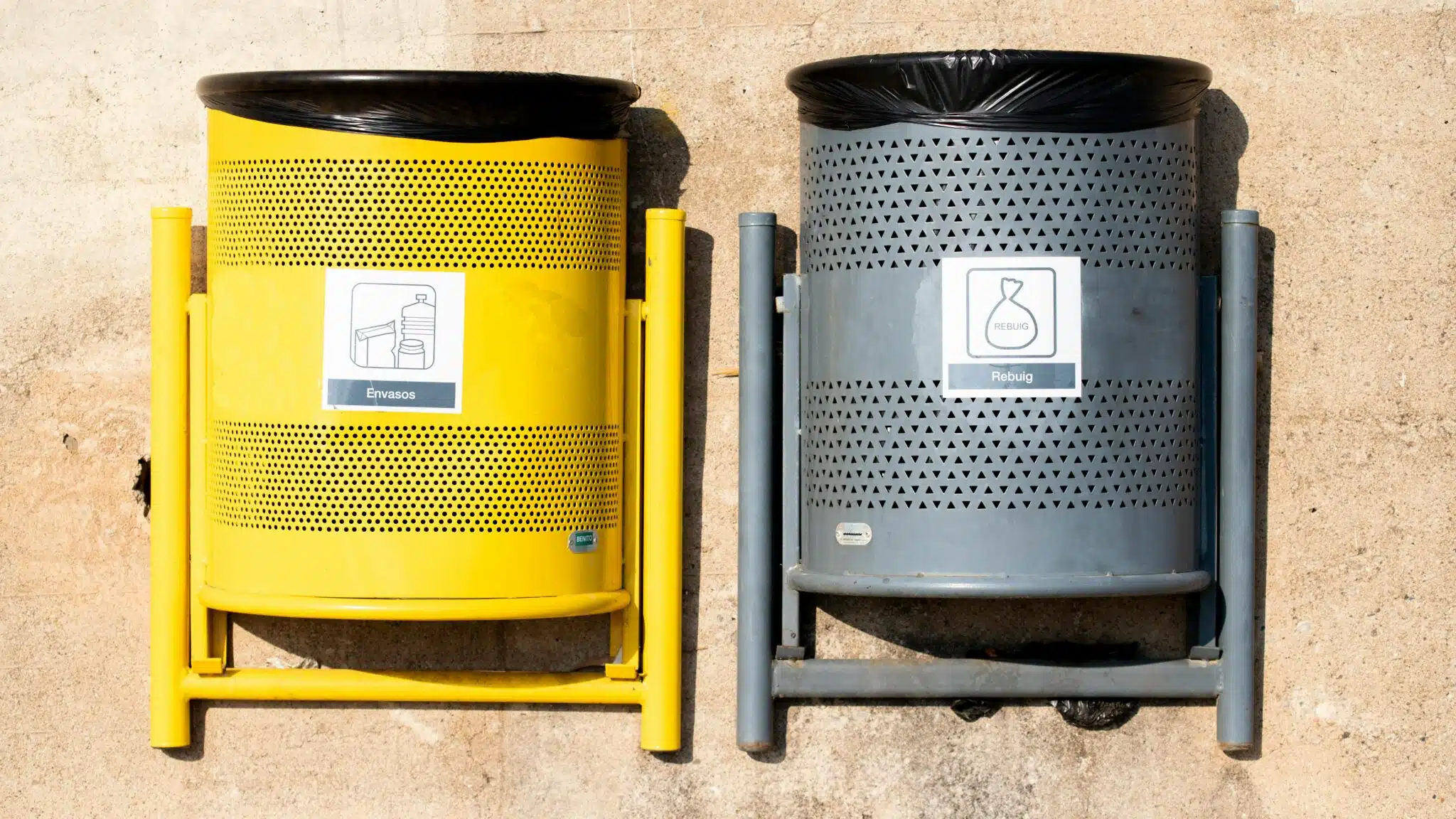
Smart recycling bins make it easier for residents to correctly separate materials. Many include clear labels, divided compartments, or digital features that guide users on what can and cannot be recycled. Because these systems collect data, waste providers can identify areas with lower recycling rates and focus education efforts there. Over time, this leads to better participation, less landfill waste, and stronger recycling habits across the community.
Smarter Habits for Residents
Technology often influences behavior. When people notice clean, tidy bins with easy-to-understand instructions, they’re much more likely to dispose of their waste properly. Plus, having smart systems in place also helps us feel a sense of responsibility towards our community. By keeping these items out of the regular trash, communities can protect their sanitation workers, maintain compliance, and make their neighborhoods healthier and safer places for everyone.
Using the Right Bins for the Right Waste
Not all waste should be handled the same way. Household recyclables, construction debris, and medical sharps each require proper management. Smart bins help categorize and monitor different waste streams, including:
- Recycling bins for paper, plastic, and glass
- General waste bins for non-recyclable materials
- Secure containers for dangerous materials
- Larger disposal units for renovations, cleanups, and large events.
By using the right solution for each type of waste, neighborhoods stay cleaner, safer, and better prepared for both everyday needs and special projects.
Make the Smart Move with Smart Waste Bins
Clean streets and efficient waste systems don’t happen by accident; they require the right technology, responsible residents, and dependable waste management partners. Smart bins bring all of this together. By using real-time monitoring and automated alerts, smart bins reduce overflow, improve collection schedules, and support better recycling habits. They help neighborhoods stay organized without relying on outdated, fixed pickup routines.
Building a waste-savvy neighborhood starts with smart choices. When communities use professional services, they can protect public health and keep sanitation workers—and their community— safe.