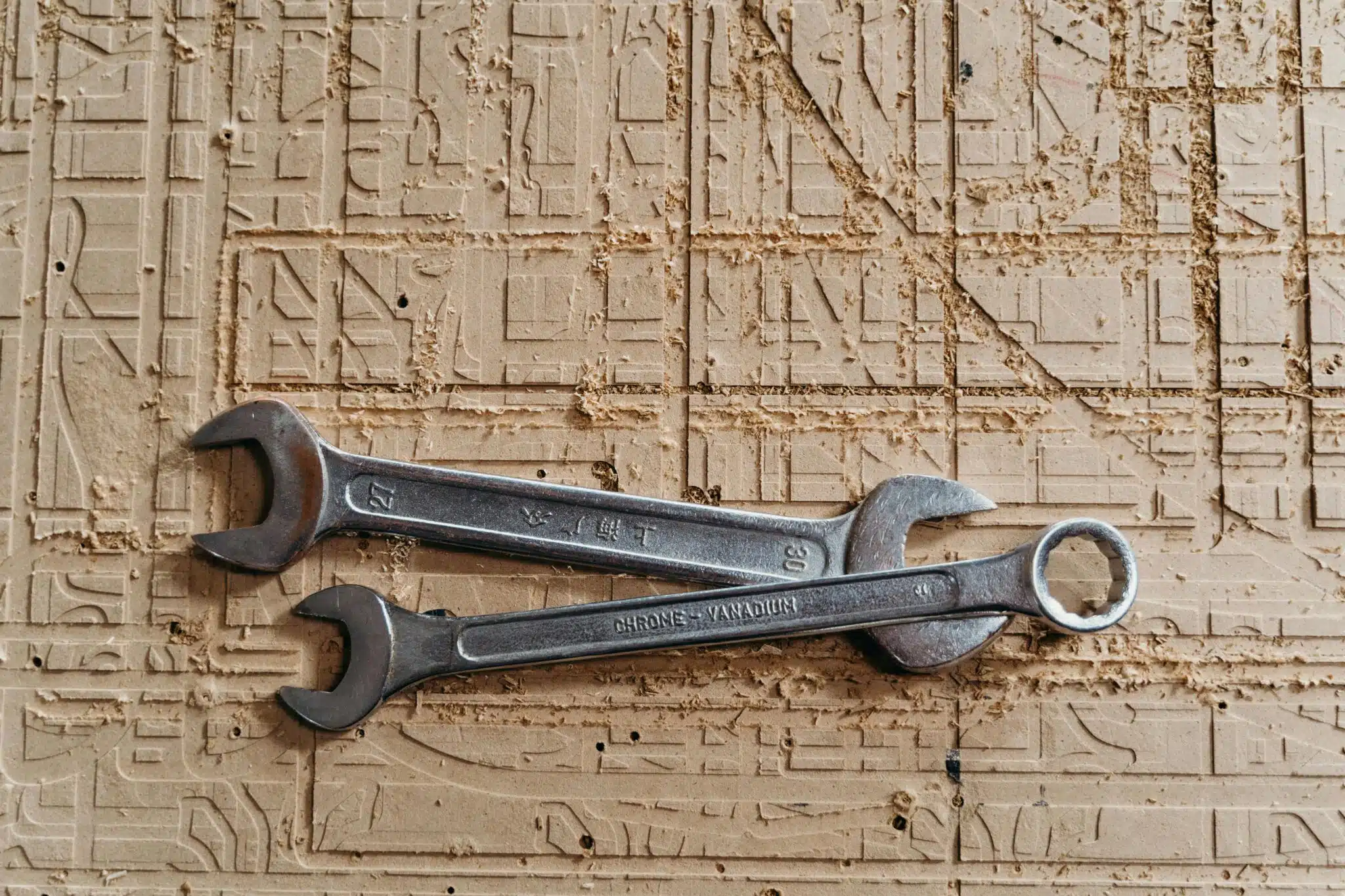
Following a renovation, it’s common to find tools scattered throughout the garage, basement, or shed. Just leaving them on the ground can invite tripping and cause mildew to thrive, not to mention rust and wear. It’s more than just looking good, though giving this panel a home on your shop wall looks wonderful and keeps it off cluttered benches.
Choosing the wrong solution can waste space or fail to protect tools from moisture. For homeowners managing renovations or financing projects through LBC Mortgage services, organized storage is essential. This piece covers four easy ways to keep your tools organized efficiently: wall racks, tool cases, vertical storage, and humidity control, and actionable advice for safeguarding your gear while leveraging office space.
Install Wall Racks
Wall racks clear floor space and keep tools visible and accessible. Metal shelves are best for heavy items, such as drills, saws, and hammers. A plastic or composite rack may work for lighter tools, like levels and clamps. Install racks near your workbench or the point of entry to limit carrying heavy tools.
And that is what’s complex: If the screws or anchors are not rated for your type of wall, the rack will fail and your tools might be damaged. If you intend to store heavy drills or circular saws up there, I’d spend more for ones that can hold 50 pounds.
Store most-used tools at eye level. Keep seldom-used items up or down. This lowers stress and cuts down on time spent in the workspace. Hooks can store cords, and hoses with no tangles. Magnetic strips are fine for screwdrivers and chisels.
Check mounts every six months. Use a light oil to clean your metal racks—this will help against rust. Wipe down wood racks, which can warp in damp basements. Racks are useless after a year due to lack of maintenance.
Use Tool Cases
Dustproof, moisture-proof, and resistant plastic toolboxes are the perfect way to keep your tools safe and secure. Power tools are best served by hard-shell cases, and soft cases are fine for hand tools and compact kits. The cases also make transportation easier and safer.
So a normal drill kept in a cushioned case will stay as good as new for well over three years, whereas if it’s stored directly in the open air, the lifespan can plummet to just six months. Here are some hints to get the most out of that protection and organization:
- Organize by type: Keep screwdrivers in one case, and wrenches in another. Label each case with tape or stickers to prevent searching and reduce the risk of dropping tools.
- Weight management: Place heavy cases on the floor and lighter ones on shelves. Avoid stacking too many cases on top of each other.
- Avoid overstuffing: Compressed foam can deform or damage tools. Leave enough room for each item to sit securely.
- Check hardware: Inspect latches, seals, and foam inserts regularly. Replace any broken parts, as one faulty latch can turn a $200 tool into scrap.
Well-kept toolboxes and cases allow you to extend the life span of your tools, protect them in transport, and make finding items easier.
Set Up Vertical Storage
Vertical storage uses height rather than floor space and is perfect for bulky tools. Shovels, brooms, and long-handled screwdrivers also mesh smoothly, while vertically mounted PVC pipes can store rods, dowels, or brushes. The trick is balance: unbalanced loads can cause racks to tip and ruin tools, walls, and floors. Store like tools with like rakes with other rakes, brooms with some other brooms, and don’t cram heavy and light pieces on the same hanger to avoid stressing the hooks and the wall.
For safety, be sure to use brackets rated for the total weight and secure them in place on wall studs (not just drywall). Store your most-used tools at chest level for quick access, and store seasonal things or things you rarely use up high. Label or color tools to aid in identification, and inspect mounts occasionally for stability. Appropriate vertical storage is a crucial factor in keeping your workspace organized, preventing accidents, and ensuring tools last as long as possible.
Control Humidity
Both metal and wood tools are susceptible to being ruined by moisture. Garages and basements are generally around 60 to 70% humidity, which is high enough to induce rust and wood warpage. Using a small dehumidifier, which can keep humidity around 40%, will greatly decelerate corrosion.
Damp silicate gel packs or rust inhibitor sprays make cheap and efficient substitutes in extremely damp areas. A hygrometer can assist with monitoring for moisture, and alerts can be triggered if the humidity exceeds 50%.
Wipe metal with light oil before storing, and for wooden handles, gel them in a little linseed oil or mineral oil so they won’t crack. After rains and in winter, check tools. Even a single forgotten drill bit can rust all the way through in just one month. Regular cleaning and periodic application of 3-in-1 oil is all it takes to [keep the tools] in shape for generations. Moisture control extends the life of your gear.