Any kind of property damage can happen in seconds, and you don’t really have much time to think about it. When water, fire, or storms hit, the very first few decisions you make can either limit the fallout or lock you into months of stress and extra costs.
Before you call a trusted restoration company, there are some things to keep in mind. Many people rush to clean up, but that can create more problems that surface later.
The right steps, however, can help prioritize safety and protect your claim and your property.
Keep reading to learn exactly what to do first, what to document, who to contact, and how to move forward without creating new issues you’ll have to fix later.
Safety Before Anything Else
Your safety comes first, even if the damage looks manageable at a glance.
Property damage often hides risks that are easy to miss when adrenaline is high. Weak floors, exposed wiring, gas leaks, and contaminated water can turn a quick check into a serious injury.
So, before anything else, you need to scan the situation. Would you say the space is truly safe not only to enter, but also to stay in?
If there is any doubt, step away and get professional help. No item or surface is worth putting yourself at risk.
Circumstances can vary, but here are some general safety checks:
- Leave the property if you notice sagging ceilings, cracked support beams, or shifting walls
- Shut off electricity, gas, and water if you can do so without danger
- Call emergency services if there is fire damage, strong gas odors, or flooding near electrical systems
Important: do not climb, pry, or move damaged structural elements on your own. What looks stable can give way without warning.
Only when you’ve confirmed that you and everyone else are safe can you move on to protecting the property itself.
Document the Damage While It’s Still Fresh
What you record now sets the baseline for every repair discussion that follows. Insurers rely on early evidence to understand scope and cause, which means gaps or vague records won’t work.
Take photos and videos that show the full extent of the damage before anything is moved or covered.
Capture room-wide views first, then close-ups that show cracks, water lines, charring, or debris. Write a brief inventory of affected items, noting what is missing, broken, or beyond use.
This step is widely recommended in state-level insurance and disaster guidance because it prevents disagreements once cleanup begins.
Don’t forget to keep damaged materials until you’re told otherwise. If you discard any items that could be important, you lose the chance to show how and where the damage occurred.
Prevent Further Damage Right Away
Once it’s safe, it’s time to prevent further damage and do it right away. Waiting too long allows moisture, soot, or debris to affect areas that were untouched at first.
Your role here is not to restore the property, but to stabilize it. It’s that temporary action now that helps you limit repair scope and avoid added costs that insurers may question later.
Here’s what you can do:
- Cover exposed openings
- Move items away from active leaks
- Ventilate affected spaces if it’s safe to do so
- Dry surfaces where possible
- Place barriers to keep water from traveling into nearby rooms
All of this will just hold the line, not finish the job.
And while it might be tempting, don’t jump into small fixes that change or hide the original damage.
Permanent work done too early can complicate inspections and approvals. You only want to focus on short-term protection, then pause until professionals guide the next phase.
Contact Your Insurance Provider
Reach out to your insurer as soon as you can with the facts, not assumptions. Share when the damage happened, what areas are affected, and whether the property is safe to occupy.
Try to keep the conversation accurate rather than speculative.
Have your documentation ready before the call — photos, videos, and your written list. Take notes during every interaction, including names, dates, and claim numbers, so nothing gets lost later.
It’s best not to authorize major work or sign repair agreements before your insurer weighs in.
Choose the Right Professionals and Plan Your Next Steps
When it’s time to bring in the professionals, make that decision wisely, because it will influence how smoothly everything moves from this point forward.
Try to find professionals who explain their process, document their work, and coordinate with insurers rather than working around them. No one wants to deal with gaps, delays, and unexpected costs.
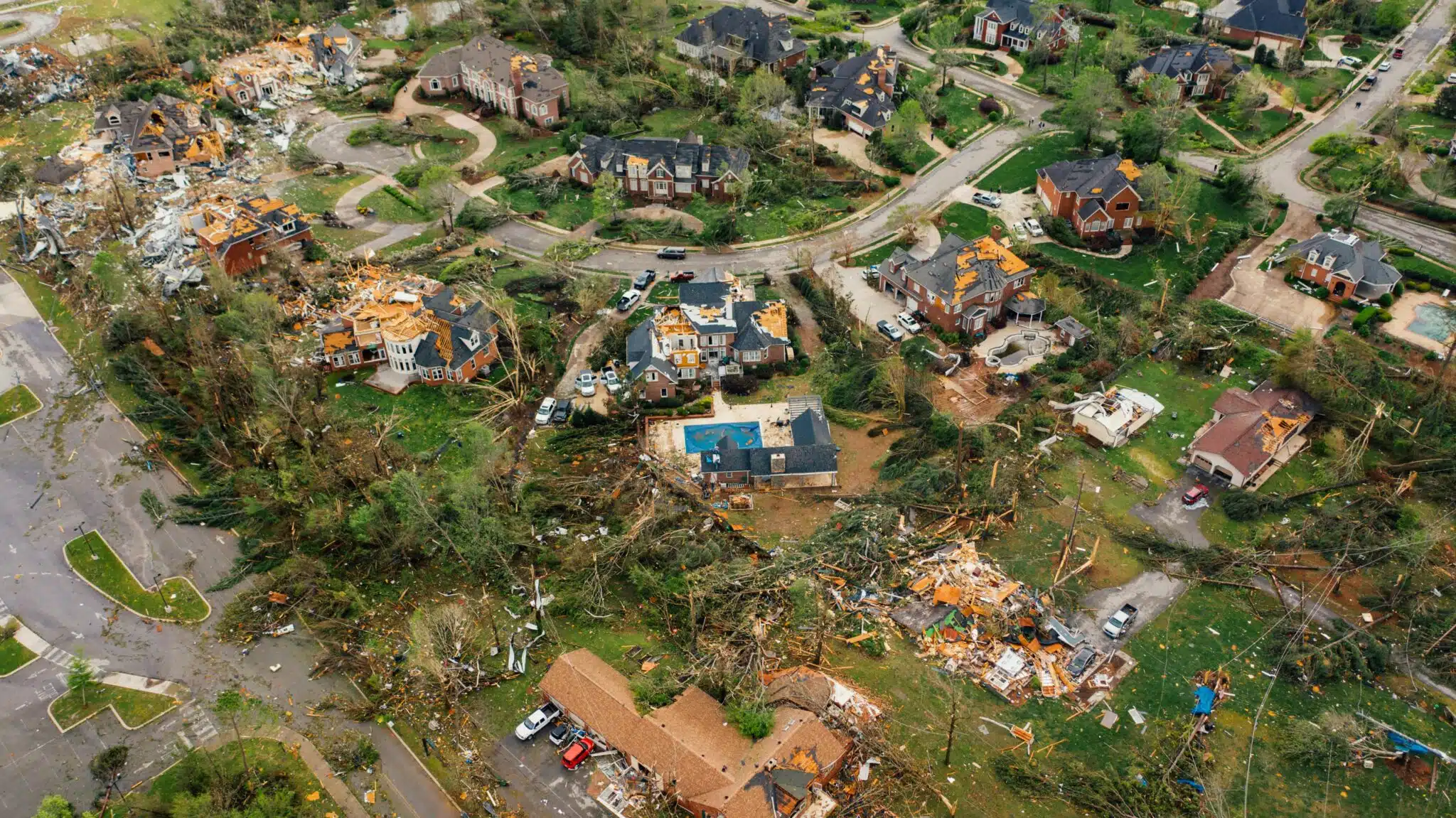
Now, you might think that serious damage is rare, especially if it’s never happened to you before (thankfully). But the fact is, in 2024 alone, the United States had 27 separate weather and climate disasters that each caused more than $1 billion in losses.
It’s a harsh reality, which is why you should always have a clear order of steps. Property damage might be sudden, but this way you’ll stay in control of such a stressful situation. Then, you can start thinking about home renovation or restoration.