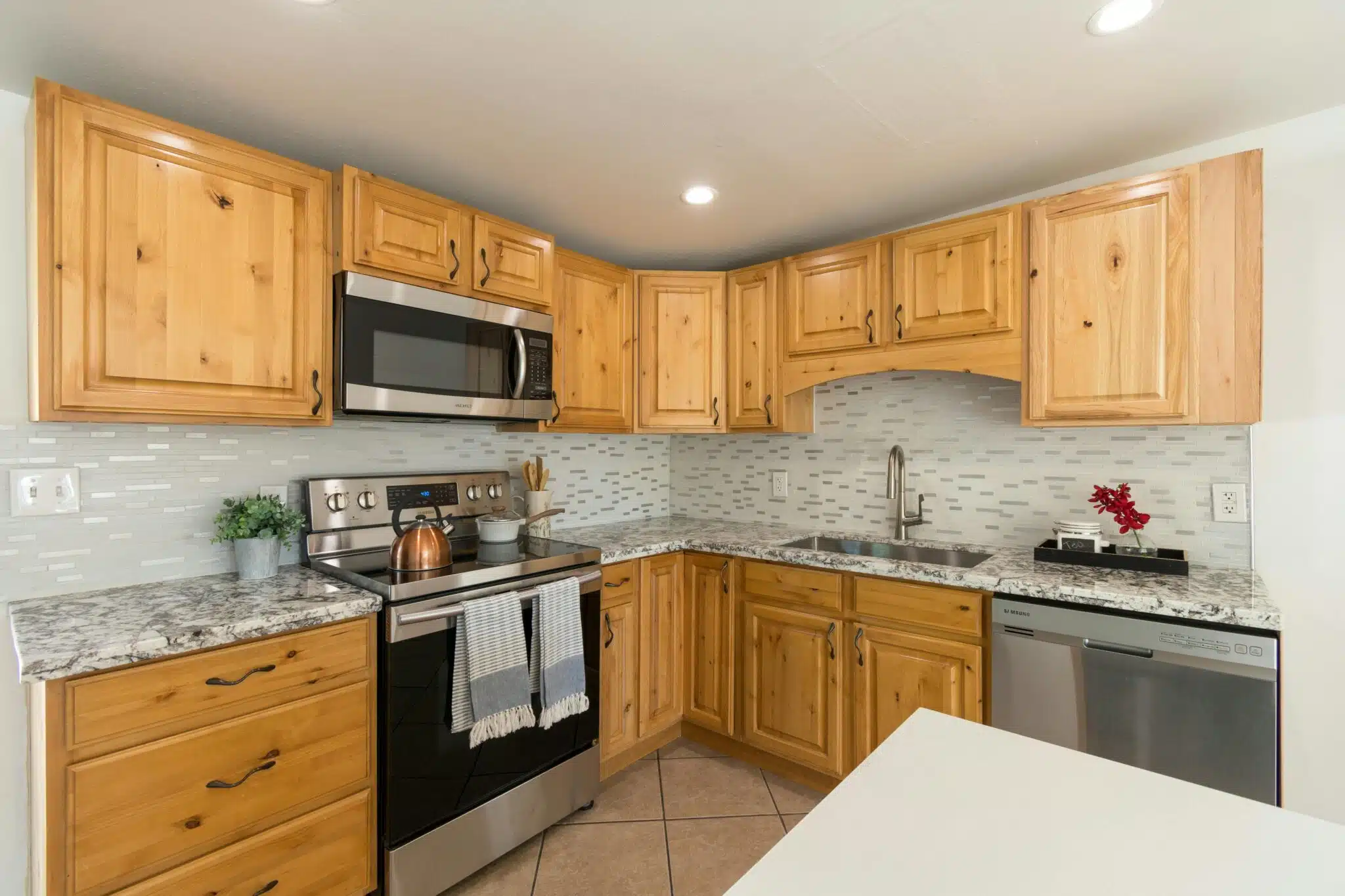
The kitchen has become the room where life piles up in the best way. Homework happens at the counter, someone is always reheating coffee, and dinners stretch longer than planned. That is why the smartest kitchen updates are not about chasing trends or flexing design muscle. They are about making the space feel better to live in every single day, five years from now included. The most successful kitchens share a few common choices that balance comfort, function, and visual calm without feeling precious or overdone.
Designing For How Kitchens Are Really Used
A good kitchen works with the rhythm of real life. That means surfaces that forgive a rushed morning, layouts that allow two people to cook without elbow warfare, and finishes that hold up when guests inevitably lean where they should not. Designers tend to focus first on flow, sightlines, and touch points before worrying about finishes. When the basics are right, the kitchen feels natural, almost effortless, even on busy days.
Storage plays a big role here, but not in the flashy way social media loves. Deep drawers that open smoothly, cabinets that reach higher without looking bulky, and pullouts that make sense for how people cook tend to age far better than novelty features. These choices do not beg for attention, but they quietly support daily routines in a way that becomes obvious once you live with them.
Rethinking The Role Of The Range
The range has become more than a workhorse. It often anchors the entire room visually, especially in open kitchens where it is visible from living spaces. That is one reason designers keep leaning toward freestanding electric ranges in projects meant to last. They offer flexibility in layout, feel substantial without being heavy, and blend easily with both classic and modern cabinetry.
There is also something refreshingly straightforward about them. They do not require custom surrounds or complicated installs, which makes future updates easier. From a design perspective, they read as intentional rather than built-in by default, which gives the kitchen a collected, confident look. Functionally, electric options have come a long way, offering consistent performance without the fuss that can come with more complex setups.
Materials That Get Better With Time
The surfaces you touch every day matter more than the ones you admire from across the room. Natural materials tend to win here, not because they are trendy, but because they wear honestly. Wood that softens slightly, stone that develops subtle variation, and metal that gains a gentle patina all tell a story over time instead of fighting it.
That does not mean everything needs to be precious. Designers often mix one material with character alongside others that are more forgiving. A durable countertop paired with wood shelving, or matte hardware against smooth cabinetry, keeps the kitchen feeling grounded. The goal is balance, not perfection, and the result usually feels warmer and more lived-in.
Lighting That Shapes The Room
Lighting does more than help you see what you are chopping. It sets the tone of the entire space. One of the most effective moves designers make is layering light so the kitchen feels flexible from morning through evening. Ambient lighting handles the basics, task lighting supports cooking, and decorative fixtures add personality.
This is where pendant lights above the island can change the entire mood of the kitchen. When chosen with care, they define the heart of the kitchen without overpowering it. Scale matters more than style here. Pendants that are too small disappear, while oversized ones can dominate the room. Designers tend to favor shapes that feel simple and materials that echo other elements in the space, creating cohesion without calling attention to themselves.
Color Choices That Do Not Date The Space
Color can be intimidating in a kitchen because mistakes feel expensive. Designers often approach it with restraint, using color where it can be easily changed and keeping permanent elements more neutral. That does not mean everything has to be white or beige. Soft greens, warm blues, and grounded earth tones have staying power when used thoughtfully.
Cabinet color, in particular, benefits from this approach. A hue that feels comfortable in different light throughout the day is more important than what is trending right now. Designers also pay close attention to undertones, making sure the color works with flooring, counters, and natural light. When those pieces align, the kitchen feels cohesive without trying too hard.
Small Details That Make A Big Difference
The difference between a kitchen that looks good and one that feels good often comes down to details. Hardware that feels solid in your hand, faucets that operate smoothly, and seating that invites people to linger all contribute to the experience of the space. These are not flashy upgrades, but they are the ones homeowners notice every day.
Designers also think about negative space, giving the eye places to rest. Open shelving used sparingly, a clear stretch of counter, or a simple backsplash can keep the kitchen from feeling visually busy. Restraint is not about doing less for the sake of it, it is about editing so the important elements can breathe.
The kitchens that age best are not the ones that chased every trend. They are the ones that respect how people actually live, cook, and gather. By focusing on function, honest materials, thoughtful lighting, and details that feel good to use, designers create spaces that remain relevant long after the newness fades. A kitchen built on those choices does not just look good, it becomes a steady backdrop for daily life, and that is the kind of upgrade that always pays off.