Home security often sounds more complicated than it needs to be. Between smart devices, cameras, lighting systems, and physical barriers, it’s easy to assume you need an elaborate setup to feel protected. In reality, the most secure homes usually rely on a handful of well-chosen, well-maintained practices that work together quietly and consistently. Logistics, visibility, and reducing points of failure go a long way. When your home is designed to discourage intrusion and make activity easy to monitor, you create a safer environment without adding daily stress or unnecessary complexity.
Strengthening Your Property’s Perimeter With Metal Fencing
Every effective security plan starts at the edge of the property. Before cameras or alarms ever come into play, the perimeter sets expectations. A clearly defined boundary signals that a home is maintained, monitored, and not easily accessible.
Metal fencing is one of the most practical perimeter solutions because it combines durability with visibility. Unlike temporary or purely decorative options, metal fencing creates a strong physical barrier that’s difficult to breach while still allowing homeowners to see what’s happening around their property. Modern metal fencing can serve both security and aesthetic purposes.
From a logistics standpoint, metal fencing requires minimal upkeep and functions continuously without relying on power, software updates, or user input. For homeowners managing deliveries, vehicles, or frequent comings and goings, it also helps control access points and guide movement around the property in a predictable way.
Monitoring High-Risk Access Areas With a Garage Camera
Garages are often overlooked in home security planning, yet they’re one of the most vulnerable areas. They frequently store vehicles, tools, packages, and provide direct access into the house. From a logistics perspective, garages are also high-traffic zones where activity can easily go unnoticed.
Using the right garage cameras allow homeowners to monitor entry and exit activity, confirm doors are closed, and receive alerts if something unusual occurs. For households managing frequent deliveries or equipment storage, this kind of visibility adds a valuable layer of oversight. It helps bridge the gap between physical security measures and real-time awareness, especially during overnight hours or when no one is home.
Securing Doors and Windows With Consistency, Not Complexity
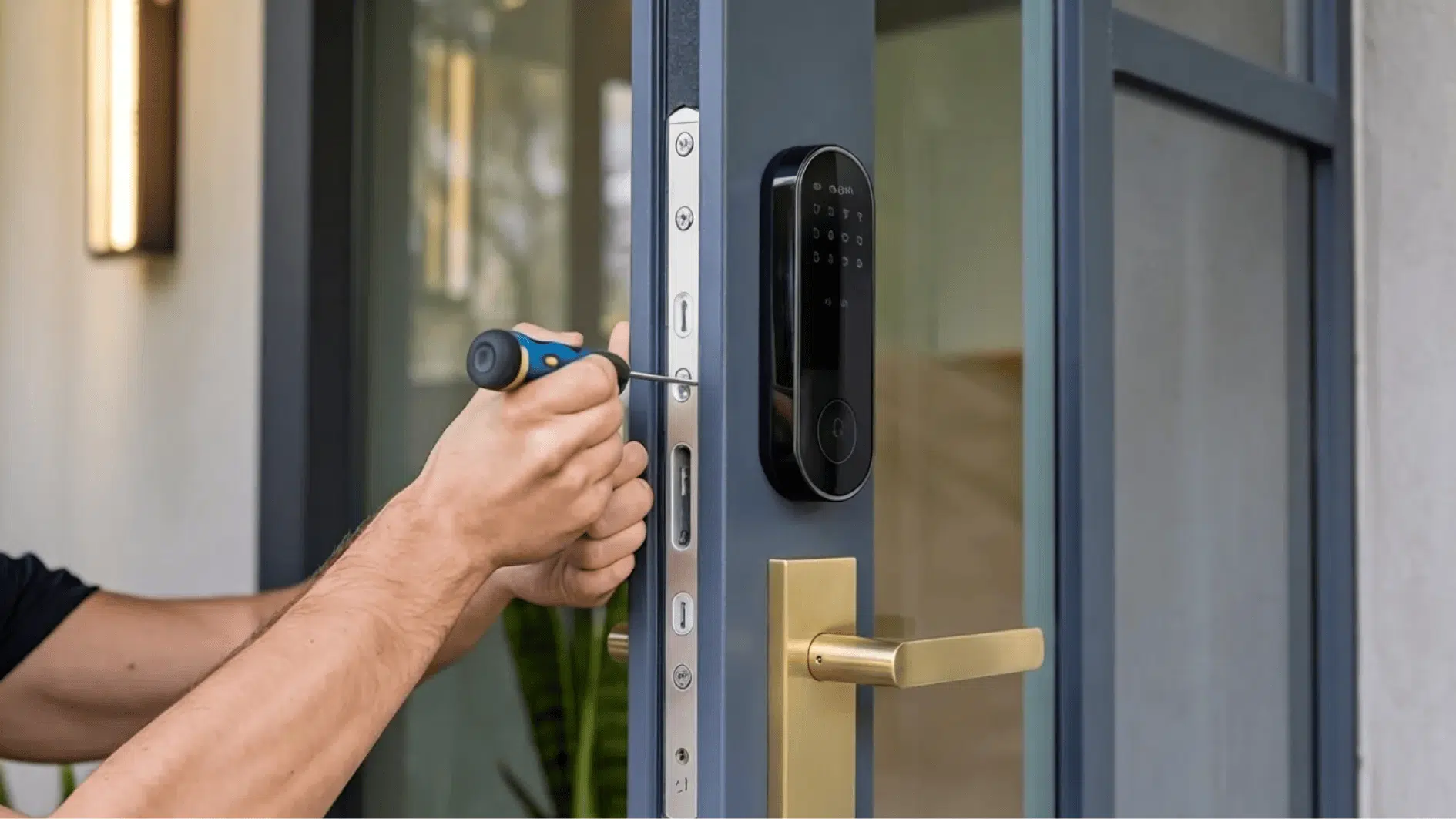
Doors and windows remain the most common entry points for unauthorized access, which is why basics still matter. Strong locks, reinforced frames, and properly functioning latches often prevent more issues than advanced systems that aren’t used consistently.
Homeowners who periodically inspect these entry points tend to catch small problems early. A loose hinge, worn lock, or misaligned window can quietly undermine the rest of a security setup. Addressing these issues promptly keeps the system intact without requiring major upgrades. Security improves most when these fundamentals are treated as routine maintenance rather than one-time fixes.
Managing Deliveries and Mail to Reduce Security Gaps
Packages and mail are an often-overlooked part of home security and logistics. Accumulated deliveries signal absence and create easy targets for theft. Managing this flow is a simple way to reduce risk without installing new hardware.
Homeowners can pause mail delivery during extended absences. For packages, coordinating delivery times, using secure drop locations, or having a trusted neighbor collect items helps maintain the appearance of occupancy.
From a logistics perspective, controlling inbound items reduces clutter, prevents loss, and minimizes visible signs that no one is home.
Using Lighting to Support Visibility and Routine
Lighting plays a subtle but powerful role in security. Well-lit homes are less attractive to intruders because they reduce concealment and increase the likelihood of being seen. Exterior lighting around doors, garages, and walkways is especially important.
Interior lighting also matters. Timers or smart lighting systems that mimic normal activity patterns create the impression of routine, even when the home is empty. This doesn’t require elaborate setups. Simple, consistent lighting schedules are often enough to make a difference. When lighting supports visibility rather than relying solely on motion response, it becomes a dependable part of the security plan.
Designing Security Systems That Fit Everyday Life
The most effective security systems are the ones people actually use. Overly complex setups often lead to skipped steps, disabled features, or forgotten routines. Simplicity encourages consistency.
Homeowners who choose systems that integrate naturally into daily life tend to maintain stronger security over time. This includes physical solutions that don’t require daily attention and technology that’s intuitive rather than intrusive. Security should reduce mental load, not add to it. When systems are easy to manage, they’re far more reliable.