There is a persistent myth that a good looking home requires either deep pockets or a reckless credit card habit. Most people know that is nonsense, yet the anxiety lingers every time a blank wall stares back or a sofa finally gives up. Decorating on a budget is less about sacrifice and more about knowing where money actually matters and where it absolutely does not. The best spaces tend to look collected, not completed, and that mindset alone saves a surprising amount of cash.
Start With What You Already Own
Before buying a single thing, take stock. This is not a moral exercise, it is a practical one. Most homes already contain more usable decor than people realize, it is just scattered or buried under years of convenience choices. A side table from one room can solve a problem in another. A lamp that feels wrong in the living room might suddenly make sense in a bedroom with lower light.
Rearranging costs nothing and often reveals what is actually missing versus what was just habit. This step also prevents impulse buys that seem necessary until you get them home and realize they solved nothing. A clear-eyed look at what you own gives you a baseline, and baselines are powerful when money is involved.
Spend Slowly, Even When Technology Is Involved
There are moments when you genuinely need a functional upgrade. A desk chair that wrecks your back or a television that finally died mid episode are not luxuries, they are life logistics. When those moments arrive, spreading out the cost can make sense, especially when paired with intentional limits.
Some retailers now offer lease to own electronics with flexible payment options like pay in four plans that allow buyers to pace their larger purchases without carrying long term debt. The value is not in buying more, it is in buying what you already planned for without the stress spike. Used carefully, this kind of option can protect cash flow while still letting a room move forward.
The key is discipline. If the payment plan exists to make something affordable, not to justify extras, it can be a tool rather than a trap.
Choose Materials That Age Well, Not Trend Fast
Budget decorating often goes sideways when trends take over. The fastest way to waste money is chasing what looks good this year but feels dated by next spring. Materials are where patience pays off. Wood, linen, stone, ceramic, and metal have staying power even when the shape or color is simple.
This does not mean everything has to be neutral or serious. It means choosing finishes that can flex with changing tastes. A solid wood table can handle ten different moods over its lifetime. A hyper specific trend piece usually cannot survive two.
Think in Layers When Decorating a Small Room
Smaller spaces are often where budget anxiety hits hardest, because mistakes feel magnified. The instinct is either to overfill the room to make it feel complete or to underdo it out of fear. Both approaches cost money in the long run.
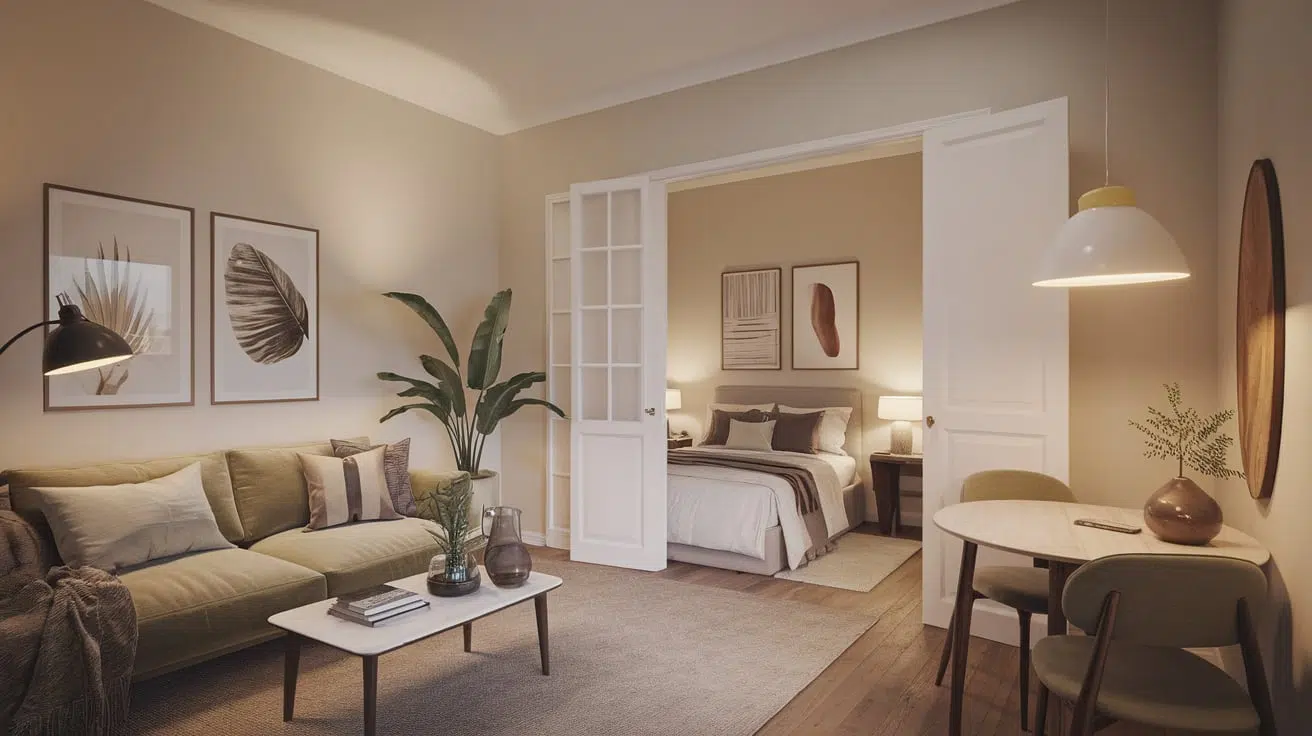
When decorating a small room, layering is the calmer path. Start with lighting that flatters the space, then add texture through textiles, then art, then one or two functional accents. Each layer should earn its place. This approach spreads spending over time and allows course correction before the room feels locked in.
Small rooms benefit from restraint, but restraint does not mean boring. It means every choice shows up with a reason, which usually looks more expensive than it actually is.
Use Secondhand Strategically, Not Randomly
Secondhand shopping can be a budget saver or a clutter factory. The difference lies in clarity. Walking into a thrift store without a plan often leads to charming mistakes that have no real home. Walking in knowing you need a mirror, a lamp, or a side chair changes everything.
Vintage and secondhand pieces also carry visual weight, which helps budget rooms feel grounded. One solid older piece can anchor a space and make newer, cheaper items look more intentional by contrast. This is not about filling rooms with old things, it is about letting one or two well chosen pieces do the heavy lifting. Patience matters here. The right piece shows up eventually, and when it does, it often costs less than expected.
Let Art and Textiles Do the Emotional Work
Paint, pillows, rugs, and art are where personality lives, and thankfully they are also where budgets stretch the furthest. Walls do not need expensive art to feel alive. They need scale, cohesion, and confidence. A few larger pieces usually work better than many small ones, both visually and financially.
Textiles are equally powerful. A good rug can change how an entire room feels underfoot and emotionally. Curtains that actually reach the floor instantly elevate a space, even if the fabric itself was affordable. These choices tend to deliver the highest impact per dollar, which is exactly what budget decorating needs.
A Room That Grows With You
The goal is not to finish a home, because finished homes tend to feel frozen. The goal is to build rooms that can adapt as life shifts. Decorating on a budget works best when it accepts that homes evolve. Pieces come and go. Needs change. Taste matures.
When spending is intentional and paced, rooms gain character instead of pressure. They start to feel lived in rather than performed. That sense of ease is often what people respond to first, and it rarely comes from overspending.
In the end, good decorating is less about money than confidence. Confidence to wait, to move things around, to say no to trends that do not fit, and to trust that a thoughtful home does not need to be rushed.