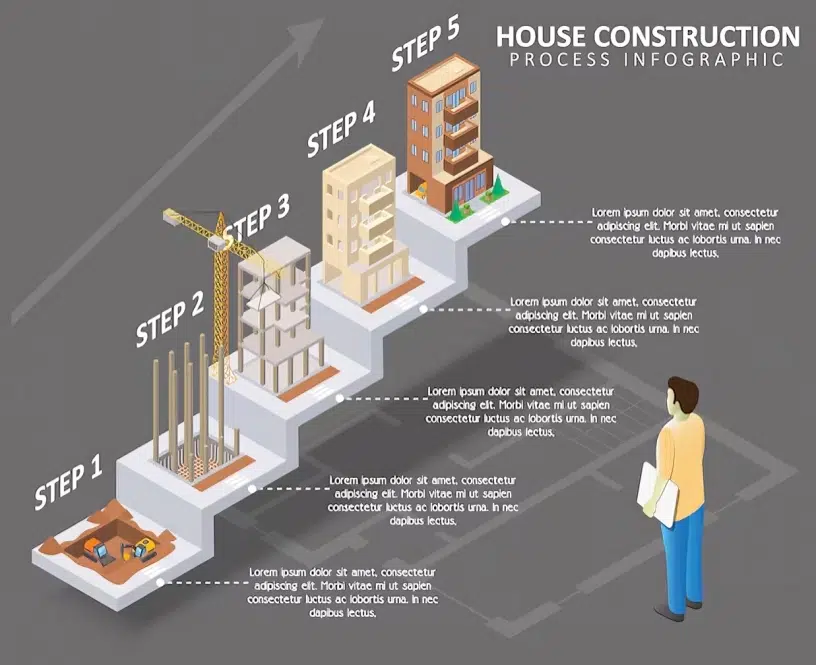
Most construction problems don’t start on-site—they begin long before the first shovel hits the ground. In fact, 79% of construction projects go over budget, while 52% experience major delays during the preconstruction phase. These numbers make one thing clear: strong early planning often determines whether a project runs smoothly or spirals into costly setbacks.
A solid construction checklist does more than organize tasks; it protects your finances and keeps expectations grounded. With luxury home remodels often lasting 12 to 18 months, preparation becomes even more critical. A complete home construction checklist with clear scope definitions can reduce change orders by 35% and encourage a contingency budget of 10–20% to handle surprises. This guide walks you through what to address before construction begins so your project stays on track and your investment remains secure.
Designing for Long-Term Durability From Day One
Building durability goes beyond just lasting—it’s about keeping a structure functional throughout its intended lifespan with proper maintenance. Your construction checklist should include durability considerations right from the start to cut long-term costs and ensure your structure remains strong over time.
Where wear and stress actually show up in a build
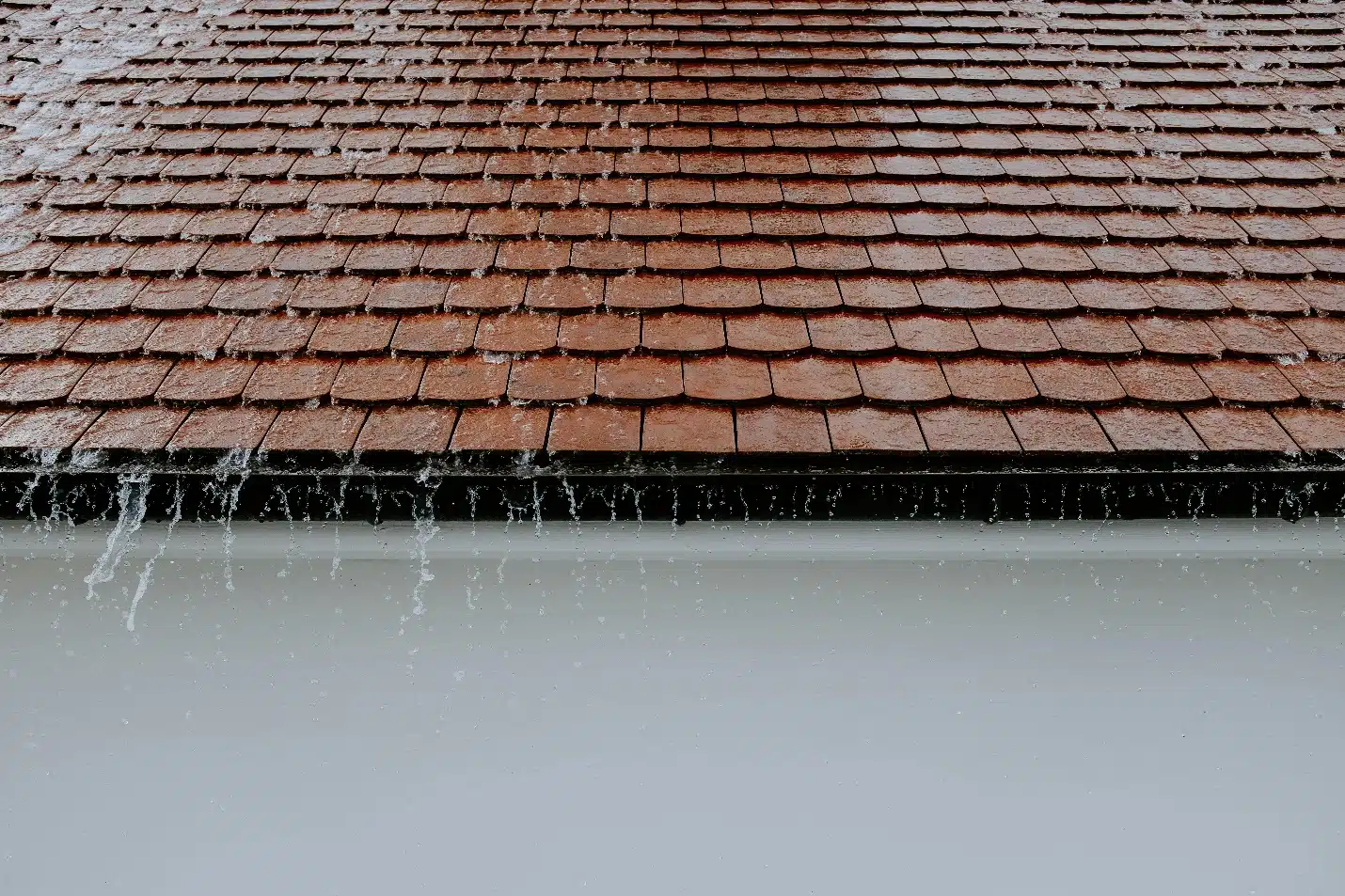
Moisture remains the biggest enemy of durability, and experts call it the “number one killer of buildings”. You need to know where these critical weak points appear:
- Foundation and structural connections where water can penetrate
- Areas subject to thermal expansion and contraction
- Load-bearing elements exposed to environmental stress
- Points where different materials meet, creating potential failure points
Proper water management through flashing details, rain screens, and adequate overhangs serves as the lifeblood of durability planning. Your specific site conditions might speed up degradation, so you need to prioritize protection strategies accordingly.
Why “future-proofing” matters more than trendy materials
65% of U.S. counties, cities, and towns lack modern building codes, which puts the responsibility on you to think about future conditions. Today’s building codes rely on historical weather data instead of forward-looking climate projections. This creates a serious gap in durability planning.
Future-proofing isn’t about following trends—you need to anticipate changing conditions. Trendy finishes might look great at first, but materials chosen for their performance deliver better value. Fiber cement siding, engineered wood, and steel framing outperform traditional options against wear and climate extremes.
When metal components need extra reliability
Metal elements often form the backbone of long-lasting structures, but they demand thoughtful planning from the start. Durability rarely comes down to the material alone—you also need the right preparation methods. For example, many builders rely on professional heat treatment services to strengthen steel components before installation, improving hardness, reducing internal stress, and helping the metal perform reliably under constant load.
Environmental exposure plays an equally important role in how metal ages. Coastal locations accelerate corrosion because salt particles cling to exposed surfaces, gradually weakening them. Stainless steel and aluminum typically perform better in these conditions since they develop protective oxide layers. In heavily industrial areas, however, metals must withstand chemical exposure, which makes specialized alloys and protective finishing far more important.
Additional safeguards can extend the lifespan of structural metal dramatically. Galvanization, advanced paint systems, and cathodic protection create barriers that slow deterioration and reduce maintenance demands over time. When paired with processes such as heat treatment, these methods help components retain their structural integrity even in challenging environments.
Your building construction checklist should reflect these durability considerations instead of focusing only on upfront cost or visual appeal. Selecting properly treated metals—and understanding how they interact with their surroundings—supports safer construction, lowers long-term expenses, and ensures the structure remains dependable for decades.
Knowing What’s Underground Before You Touch a Shovel
Unexpected finds during excavation can throw your project timeline and budget off track more than most other construction problems. A full picture of the site must be in your construction checklist well before breaking ground.
Why ever-changing cities raise the stakes for site work
Growing urban areas create unique challenges for construction projects. Cities keep expanding, and underground infrastructure gets more complex and crowded. Many old utility lines remain unmapped or poorly documented. This creates a maze of hidden hazards under the surface.
Common underground risks that cause delays and damage
Site work problems often come from unexpected finds:
- Unmarked utility lines (gas, water, electric, telecommunications)
- Buried debris from previous structures
- Unstable soil conditions or unexpected rock formations
- Groundwater problems that need extra drainage solutions
- Archeological finds that need investigation
Any of these surprises can add weeks or months to your timeline while costs spiral upward.
The smarter way to verify utilities before excavation
According to specialists in GPR scanning in Austin, you should add these verification steps to your building construction checklist:
- Get existing utility records from local providers
- Schedule professional utility locating services that use ground-penetrating radar
- Think about vacuum excavation to identify utilities in high-risk areas
Note that underground surprises are among the most expensive construction setbacks. Money spent on thorough site investigation is a fraction of what you might pay fixing problems found during excavation.
Plan Your Budget and Select Materials Early
Financial planning stands as the foundation of successful construction projects. A solid budget prevents mid-project adjustments that can get pricey, throw off schedules and drain resources.
Break down costs: labor, materials, permits
Your budget needs a complete breakdown into clear categories. Start with direct costs like labor wages, material expenses, and equipment needs. Then add indirect expenses such as permits, insurance, and site security. A Work Breakdown Structure (WBS) helps organize each component into manageable parts. This makes tracking costs work better.
Set a contingency fund for unexpected issues
Construction projects often face surprise challenges that can drain budgets quickly. You should set up a contingency fund of 5-10% of your total budget to handle unexpected costs. This financial safety net protects you from material price hikes, surprise site conditions, and design changes. Projects with high risk might need 15-20% set aside.
Finalize material selections to avoid delays
Material selection should happen early to prevent common construction delays. The Associated General Contractors of America reports that 53% of construction companies face cost-related delays or abandon projects due to material problems. Your Material Procurement Schedule should list specifications, delivery dates, and approved vendors. Buying critical materials in bulk can protect against supply chain disruptions.
Handle Permits, Contracts, and Legal Requirements
Legal requirements are a vital phase in your preconstruction checklist. Your project might get pricey delays or shut down completely without the right permits and contracts.
Apply for building permits early
The permit process needs lots of time—it could take weeks or months based on where you live. Florida requires construction projects exceeding $300,000 to be competitively awarded to licensed contractors. The same rules apply to electrical work above $75,000. Licensed design professionals must prepare and seal plans before building departments can examine them. You’ll need these documents:
- Detailed construction documents
- Evidence of workers’ compensation insurance
- Contract cost information
- Proposed construction start date
Review zoning laws and HOA rules
Property values stay protected through zoning regulations that keep neighborhoods compatible. Check what you can do with your land—residential, commercial, or industrial uses. Your Homeowners Association might have extra rules beyond local building codes.
Sign detailed contracts with clear scope and payment terms
Contracts are the life-blood of your project. These elements must be included:
- Detailed scope of work descriptions
- Clear payment schedules and milestones
- Change order procedures for modifications
- Dispute resolution provisions
- Permitting responsibilities
Payment terms should clearly state when and how money changes hands throughout the project.
Prepare the Site and Coordinate with Your Team
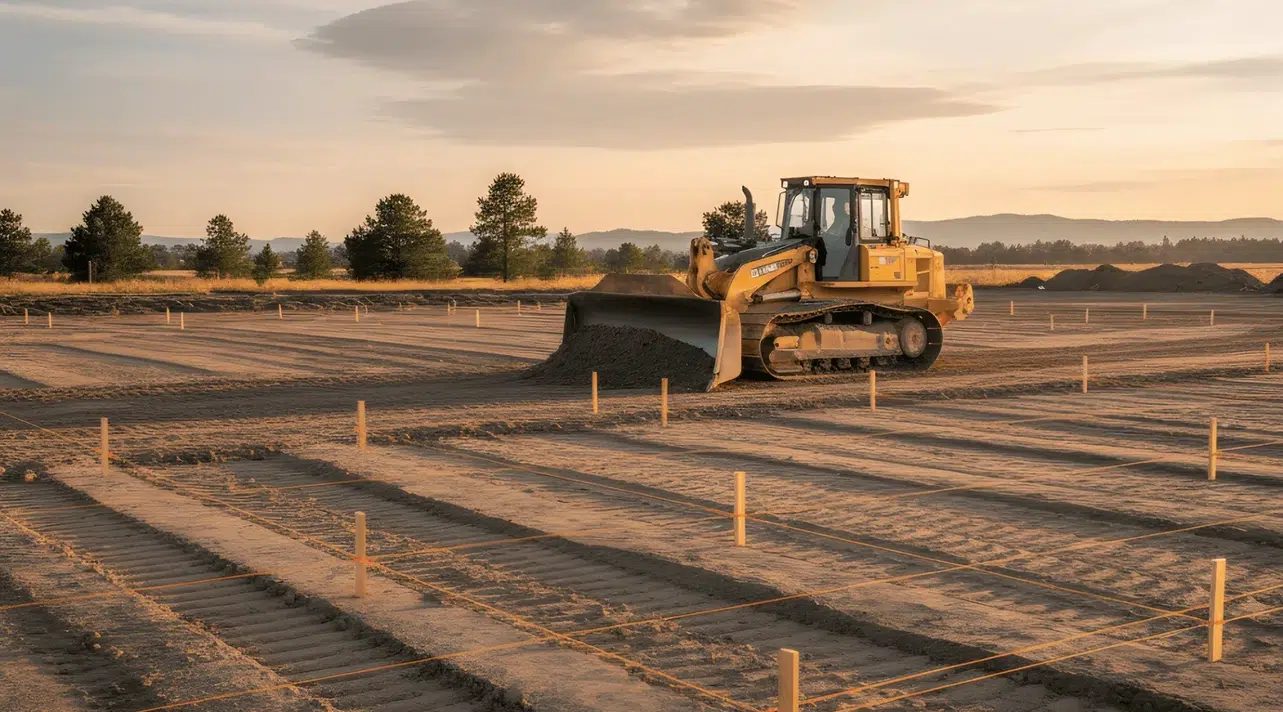
Image Source: Jack Cooper
A well-organized site lays the groundwork for smooth construction operations. Your site setup can make workflows easier and help avoid getting pricey delays when you start the project.
Clear access routes and storage zones
Site accessibility will affect how well your project runs. You need gravel construction entrances and temporary access roads that cut down on mud tracking and keep logistics flowing smoothly. Plan how trucks, cranes, and workers will move through your construction area. Make sure the pathways are wide enough for equipment.
Your construction checklist should include these designated zones:
- Material storage areas close to work zones but away from traffic
- Equipment staging spots with stable ground
- Waste collection points that reduce site congestion
Set up a construction site safety checklist
Safety protocols do more than meet regulations—they protect workers and keep productivity high. Your building construction checklist must put these safety measures first:
Start by spotting site-specific hazards. Make sure workers have appropriate personal protective equipment (PPE) like hard hats, gloves, and safety footwear. You should also set up clear emergency procedures and mark exit routes with proper signs.
Schedule a pre-construction meeting with all stakeholders
This vital meeting helps everyone involved in your project work together. The project owner, developer, contractor, architect, engineer, city staff, and all subcontractors should attend.
Create an agenda that covers site access, staging areas, security plans, material storage, and safety procedures. Pre-construction meetings help spot problems early. They show gaps in planning and let stakeholders ask questions and share ideas.
This meeting builds your project’s foundation by setting clear expectations. It creates communication channels that connect all team members.
Conclusion
Successful construction rarely comes down to luck—it comes down to preparation. A detailed construction checklist protects your budget, reduces delays, and helps you make smarter decisions from day one. When you plan for durability, verify what lies underground, and choose materials carefully, you create stability that keeps costly surprises from reshaping your timeline.
Also, addressing permits early, coordinating your team, and organizing the site builds momentum before work even begins. You see, projects often succeed or fail during preconstruction, not after. Treat your checklist as a strategic tool rather than extra work, and you’ll gain confidence, control, and a far better chance of finishing on time and within budget.