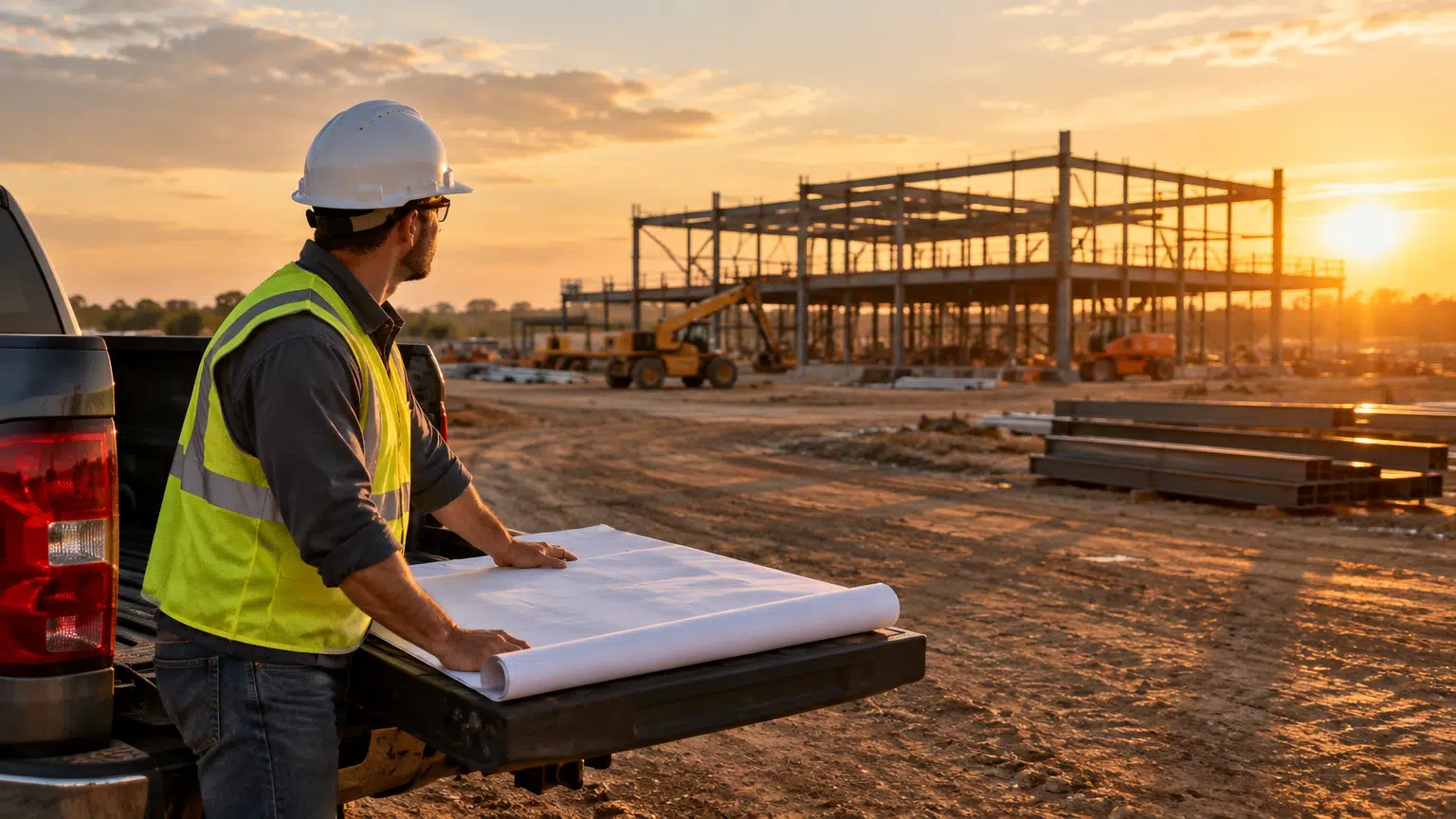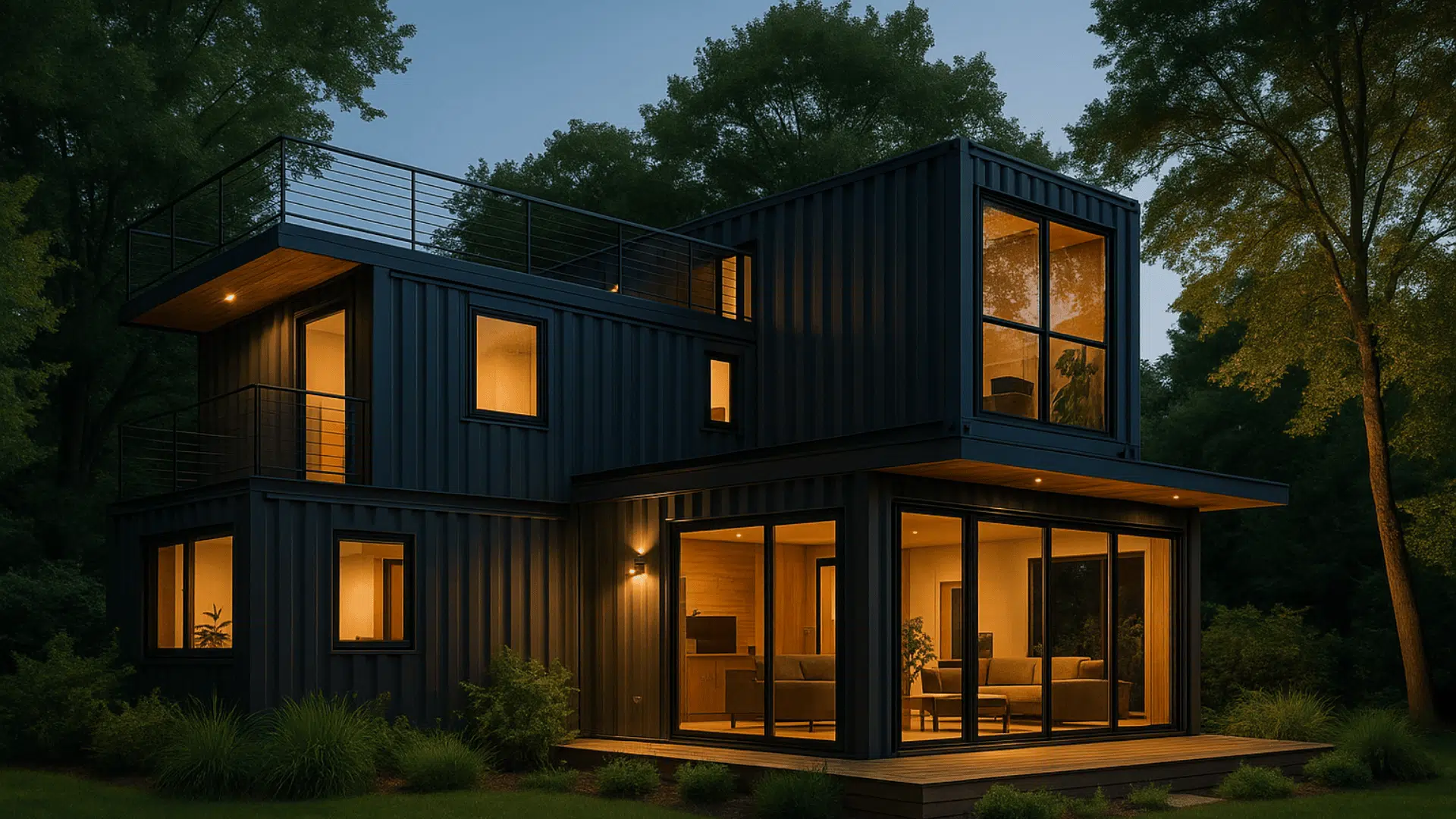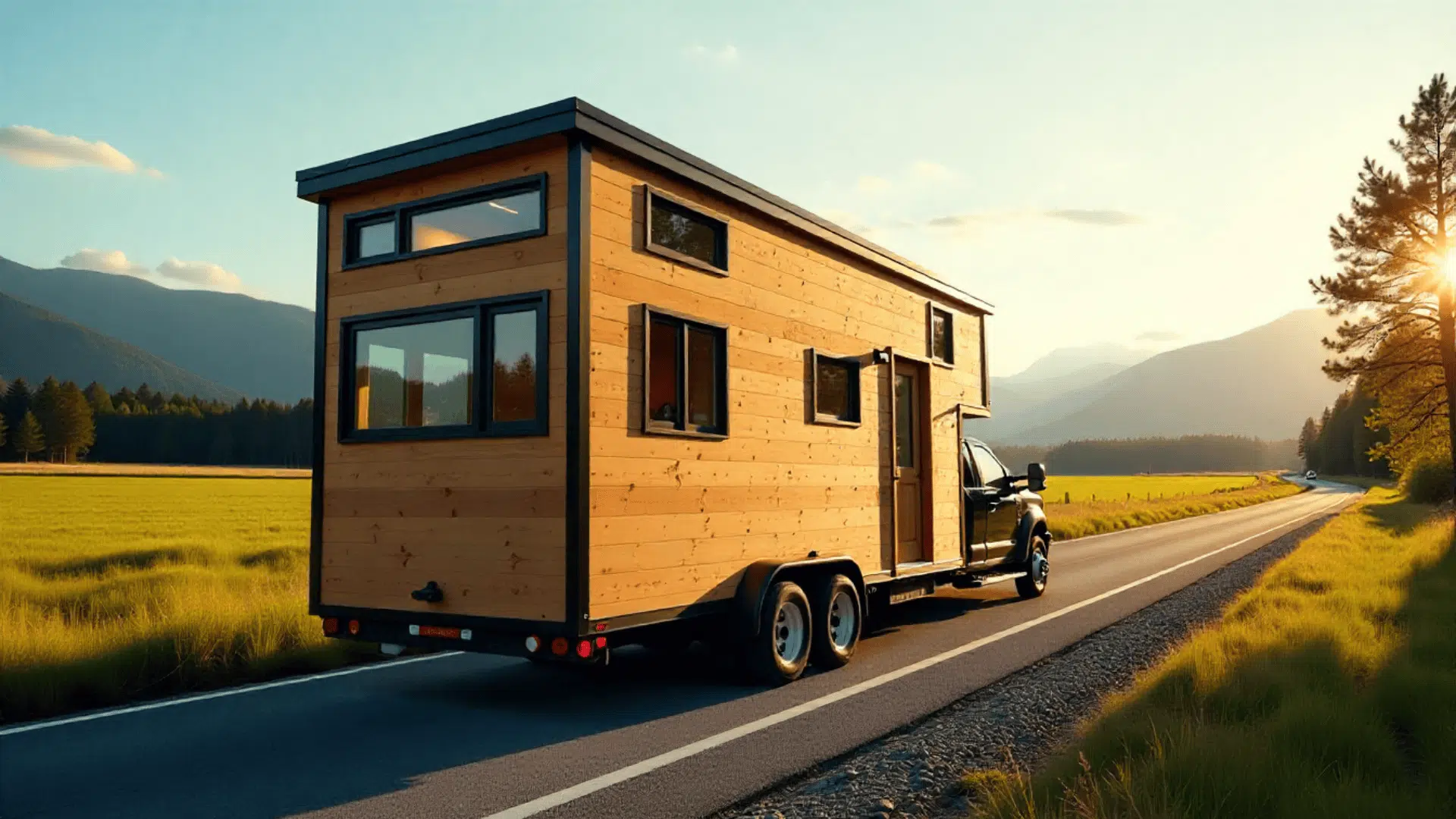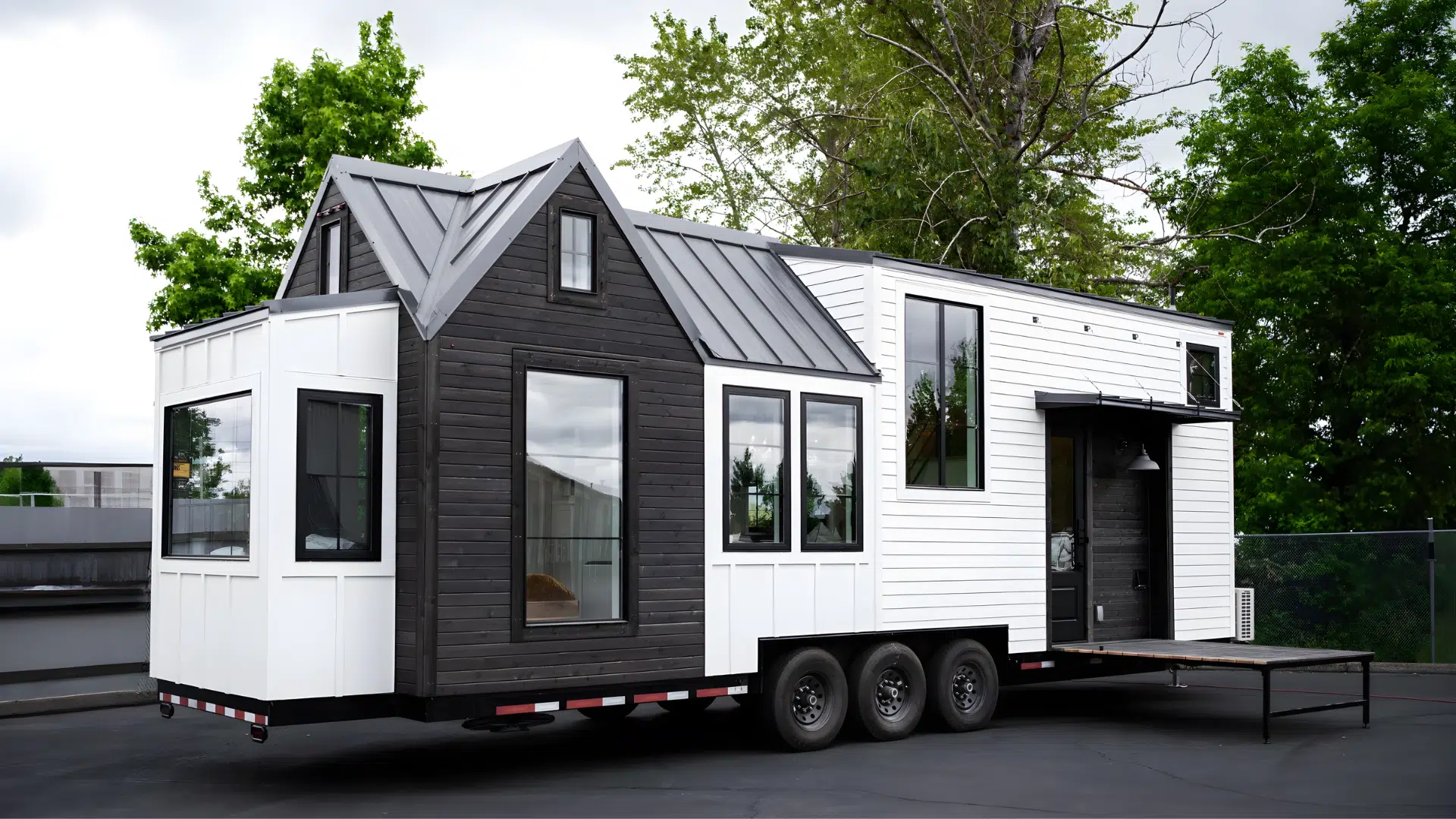
The housing market became very expensive for many people. For the past years, many Americans couldn’t afford a traditional home, so they take out and pay off the mortgage, or find something affordable. Last March, prices rose by 39% compared with pre-pandemic March. Due to the housing affordability crisis, prices are expected to rise in 2026.
Steve understood that. He was renting but saved up some money to invest in a modular. When the rental price went unreasonably high for him at 35, he decided to finally invest in his own property. He knew that modular homes are affordable and built faster than other housing. Spending $169,500, his modular home was completed in 4 months from the order, and he finally feels like he’s investing in his future rather than a landlord’s financial prosperity.
Below, we break down Steve’s story, what obstacles he faced, how much he spent, what a modular is, and what its benefits and downsides are.
What Is a Modular House and Why Is It Popular?
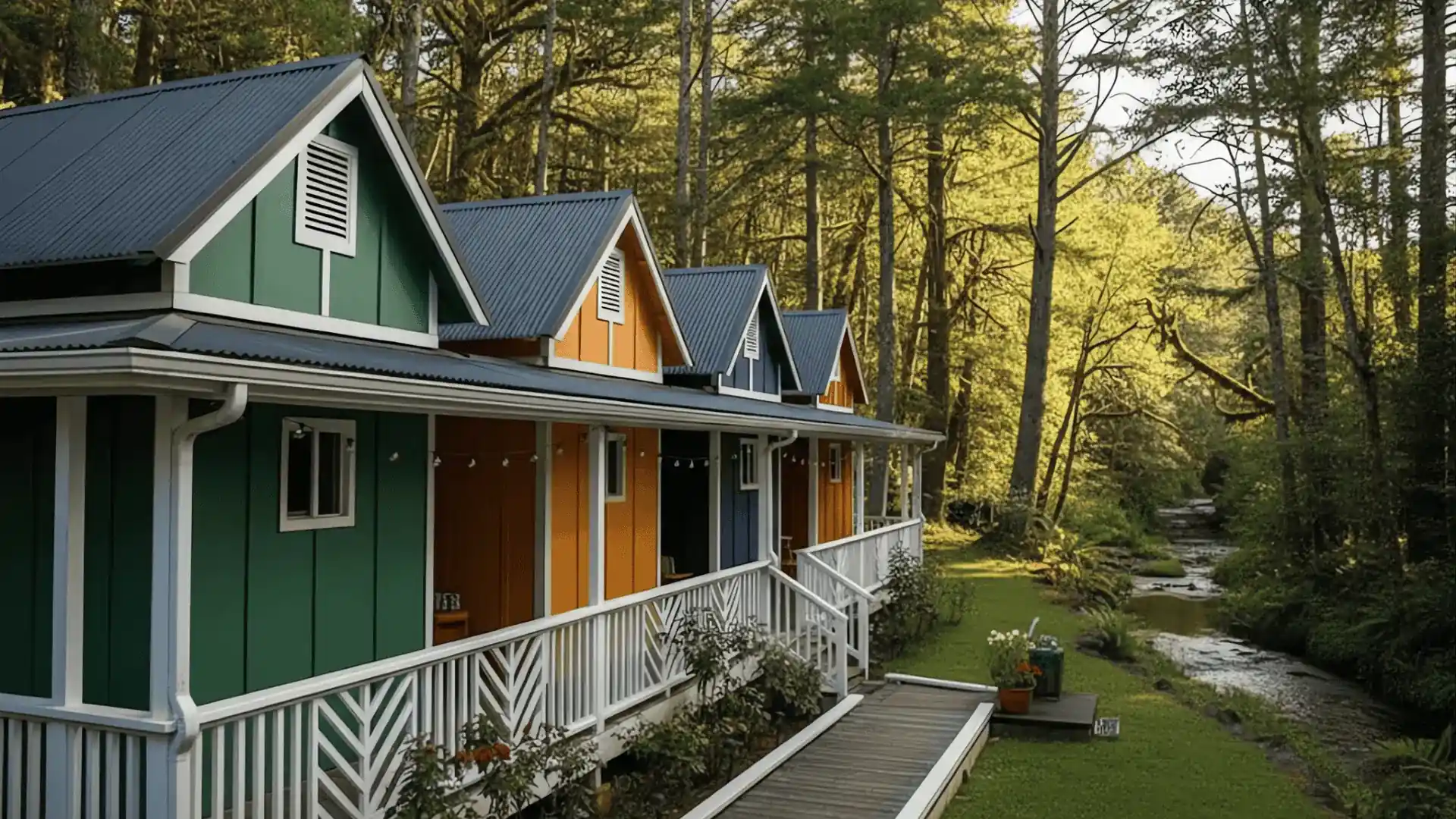
A modular house is a home that is built in special factories, transported to your land, arranged on the site, and installed with a crane on a permanent foundation or pilings. You can’t tell the difference between a modular and other types of housing once it is constructed. In the US, the number of such houses has increased from 20,902 in 2014 to 33,139 homes in 2024, and the number is still going up.
Why is it so popular? Short answer: lower costs, built in no time, and comes in different sizes and shapes. Modular homes are permanent houses, built in pieces (modules) with the same material as the traditional house, and comply with exact code requirements and fit the standards of your area.
The process of constructing a module involves several steps. When the home is ordered, it’s placed on the production schedule. The first things worked on are the flooring and electrical work. After the interior and exterior walls are constructed, the roof is built. Once the painting and texturing are done, it goes straight to cleaning the new house, moving it to the site, and installing it.
A modular home does not mean:
- Trailer or a mobile home
- A manufactured home built to comply with the HUD code (for affordable housing)
- Movable and temporary construction
Who Is It For?
There are certain groups of real people and families that usually choose to get a modular. Here’s who invests in a modular and not any other type of housing:
- First-time homebuyers looking for something affordable, still brand-new, and customized.
- Growing families that seek space, quicker construction, and energy-efficient housing.
- Older homeowners and retirees who want to make the space more convenient after kids move out have lower property taxes, resulting in lower bills.
- Remote workers and freelancers who want to have a more practical space and re-plan their housing with an office within.
- Families who have land already but don’t know how to build an affordable house.
- Buyers with a certain planned budget who want quality but are careful with money and investments.
Benefits and Downsides of a Modular Home
Investing in a property is a big financial deal and an important decision. On that will depend the quality of your life, your financial situation afterwards, other construction and money risks that may arise after the deal is closed. As with any other housing product, everything has an upside and a downside. So, is a modular home a good investment?
Pros | Cons |
|---|---|
|
|
*Note that modular homes built on permanent foundations are eligible for mortgage financing. In 2026, people can qualify for VA or USDA loans with no down payment. For instance, there are FHA loans, which start at 3.5% down, or conventional loans that typically require between 3% and 20% down. Final terms and costs will depend on credit profile, income, property location, and lender requirements.
Major Considerations in Planning
Whom to consult with? What are the risks? There are a lot of questions that arise when it comes to actual planning. However, there are some tips on how to do it stress-free:
Use the Professional Help
Use a real estate agent to help, and don’t buy a modular from a neighbour. The house may not follow the particular code requirements or any other specifications from the county attorney. If you don’t know about real estate milestones, hire a knowledgeable real estate agent to guide you through the process.
Planning and Zoning
Any land that you buy is going to have different types of restrictions, and it may be zoned differently. Go to the county attorney and consult with them on your plan, what you want to do, and ask them how you can do it so it doesn’t fall under restrictions. The authorities can either say you can do it or not, and walk you through the restrictions. This is a key thing to pay attention to before. After that, you close the deal and get down to all the inspections.
The Actual Pricing Breakdown
Steve was determined to invest the cash he’s been saving up for a long time in a modular. When the situation called for planning expenses, he felt puzzled about them, as many of us would. The construction of modular housing includes: wall construction, roof design, insulation, and a subfloor.
However, there are several main costs in modular construction that should be considered in advance:
Modular Base Cost
This is the first expense in the whole process. Here, the manufacturer charges for factory-built modules, windows and doors, exterior and interior work, and roofing materials. It does not include the unit’s delivery, installation, and other finishing work. It may cost you from $50 up to $100 per sq ft. For example, for a 1,500 sq ft home, the price may range from $75,000 to $150,000.
Labor Costs
It includes the price for joining units together, crane rental, piece assembly, plumbing, roof work, and weatherproofing. The price will also include electrical work and other finishing work connected with the interior of the house. The total might vary as well, depending on the square feet. However, on average people spend around $30-$60 per sq ft. For example, the cost of labor for a 2,000 sq ft home may reach around $110,000.
Foundation Costs
Modular houses call for a permanent foundation, and it is another expense to consider that contributes a lot to the total. It depends on your capital, and you can pick between budget, mid-range, and full basement foundation. This is all about installation costs, plumbing accesses, storage, or any extra living space. It may also include design and engineering work or any kind of inspections. Here are the approximate costs for a 1,500 sq ft house.
Budget | Mid-range | High-End |
|---|---|---|
$7-$15 per sq ft | $10-$20 per sq ft | $20-$30 and more per sq ft |
$10,500-$22,500 total | $15,000-$30,000 total | $30,000-$45,000 and more in total |
Site Preparation
When it comes to land preparation, this is where the majority of people experience the most investment. It includes brush clearing, tree removal, basic grading, even rock excavation and soil testing. Gravel driveway and asphalt are also added to the price. The average cost of this step ranges from $4,500 to $10,000. To not risk your finances and unreasonably overspend, get a licensed professional to evaluate your land before starting the work.
Costs of Utility Connection
It involves electrical, water, and sewage connections, and gas connections if necessary. Even temporary utilities used by workers during construction are included, which in some cases can reach $2,500. The average cost of utility connection may range from $2,600 to $25,000. Here, make sure you have additional financing for unexpected costs, as they add up quickly.
Delivery
Here, distance matters. The further away you are from the place where you install a house, the higher the price. You’ll pay for professional drivers, transportation permission, truck rentals, and insurance during transport. The cost per square foot will fluctuate between $5 and $10. For instance, the total price for this part for a 1,500 sq ft house may reach $15,000, and the price goes higher.
Costs on Permits
Includes not only pricing for permissions, but also for inspections and fees. The expenses cover building permits, necessary inspections, in some cases HOA fees, and “impact” fees. Now, the cost depends on your location and starts from $500, but it may exceed $5,000. Before you buy a land contract, consult a professional about potential fees. Here are the approximate costs for these fees and permits:
Building permits | Inspections | HOA (if required) | Impact fees* |
|---|---|---|---|
~$500 – $5,000 | ~$150 – $500 | ~$200 – $2,000 | ~$300 – $8,000 |
*Sewage and water connections fee, school and road impact, etc.
Modules Sales Tax
It depends on the state you live in. You pay these taxes on the modular home, but in some states you may pay for it “on home”, and in other states you pay the “full rate”. On average, this tax may cost you between $5,000 and $10,000.
Final Touches
In other words, customization and final upgrades of the house. Here, consider costs for kitchen and bathroom upgrades, flooring, and ceiling upgrades. The cost may also contain upgrades on the deck, garage, porch, and additional rooms like a bedroom. The costs vary and may exceed $150 per square foot for additional work.
Kitchen | Bathroom | Flooring and additional upgrades |
|---|---|---|
~$1,000 – $10,000 | ~$800 – $5,000 and more | ~$4,000 – $35,000 |
What’s in Total?
Steve tried to foresee as many of his possible costs as possible. With professionals, he calculated how much he’d need to cover building expenses for his 1,500 sq ft house on a budget.
The total cost included the following expenses:
Base modular unit | Site prep | Budget foundation | Utility | Delivery Cost | Permits/ fees | Installation | Sales tax |
|---|---|---|---|---|---|---|---|
$75,000 | $18,000 | $11,000 | $5,000 | $7,500 | $3,000 | $45,000 | $5,000 |
As advised by the contractor, Steve prepared $18,000 for site prep and delivery. However, additional costs arose from grading work and permit fees that he didn’t expect and didn’t have cash for. The unexpected costs added $4,000 to the total.
“I needed to cover these expenses. I didn’t want to prolong the work as it would cost me more. I wanted to have a home already and not pay rent anymore. I didn’t see grading work and permit fees contribute to the total cost that much. But I was ready to invest in my home, and I knew I had professionals who guided me in this journey.”
Steve scheduled a quick consultation with a financial advisor on a lending comparison site. After thorough research of short-term financing options and rate comparisons, Steve chose a small loan that would help him cover the exact amount he needed. He used expert advice from 1FCashAdvance to have a consultation and find the best offer that fits his budget and time resources. Within a week, he had the funds, and his project stayed on track.
“I went for a small loan because I knew I needed something fast yet legal to help me out with these $4,000. I wanted to cover my expenses myself and didn’t want to borrow from a family member. And this option helped me achieve it.”
Modular Homes Value
Modular homes actually have value after construction is complete. If your modular home stands on a permanent foundation, it appreciates at the same rate as any traditional house in your area. Location, site maintenance, and market conditions are all key players here.
For appraisers, it is not important how exactly your home was built once it’s classified as permanent foundation construction. And here we’re talking about 3-5% annual growth in growing markets.
Let’s do a quick math: you buy a $250,000 modular home that would’ve cost $300,000 built on-site. This way, you made $50,000 in instant equity (including the appraisal agreement). In 10 years, this purchase of $250,000 with 3.5% appreciation on average will become a $355,000 asset.
Not to mention that you’re looking at roughly $188,000 in net gain after mortgage payments and accounting for maintenance. Meanwhile, renting for a decade gets you zero equity and $240,000 and more down the drain.
Why 2026 Makes Sense
The market’s changed dramatically. Younger buyers grew up seeing gorgeous modular homes all over Instagram and TikTok. The stigma’s fading fast. When median home prices are pushing $400,000 in most markets, buyers are hungry for quality construction at accessible price points. Your well-maintained modular home hits that sweet spot.
The government’s helping too. States like California, Oregon, and Washington recently legalized factory-built homes in areas that used to ban them. And Fannie Mae (FNMA) and Freddie Mac (FHLMC) have updated their appraisal standards specifically for modular construction, which means fewer issues when you sell.
If you pick a decent location and maintain the home properly, your modular investment should perform just like any other real estate. And for many buyers in 2026, it is a smart move. The affordability advantage is your entry ticket. The appreciation potential is what builds wealth.