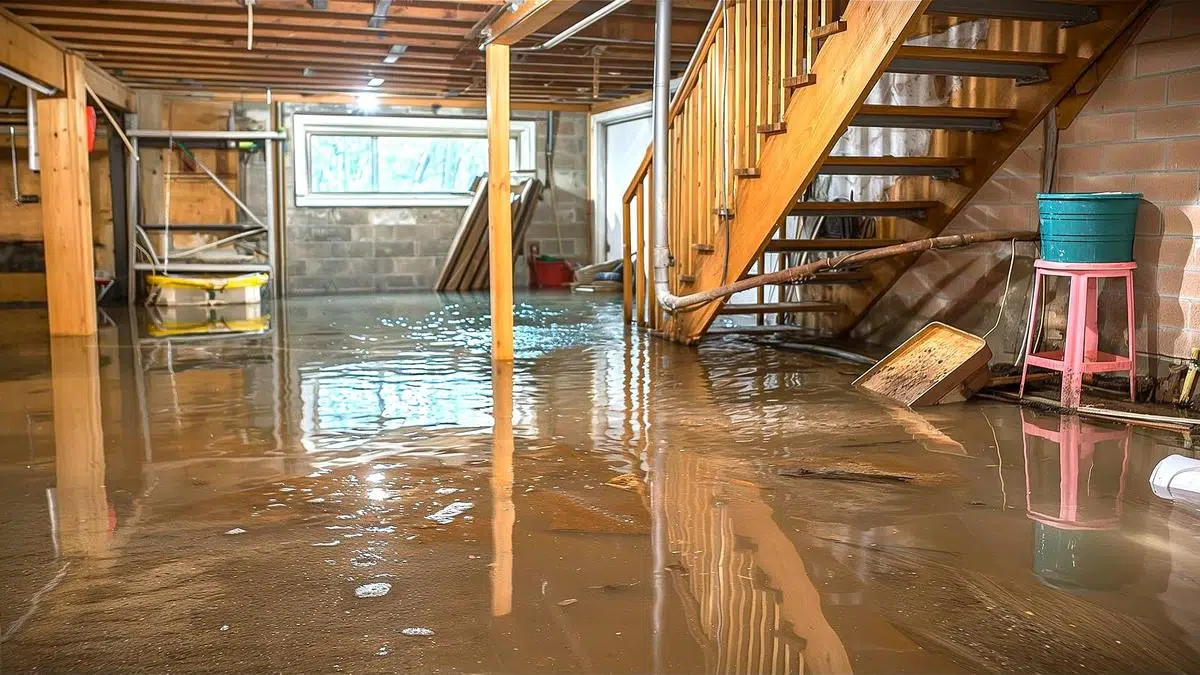
Basement flooding affects thousands of Toronto homes each year. Heavy rain and old sewers cause many of these problems. However, repeated basement flooding often points to serious plumbing issues hidden beneath the surface, such as broken sewer lines, failed drainage systems, or damaged foundation waterproofing.
A single flood might result from an extreme storm. Yet homeowners who face water in their basement multiple times likely deal with cracked pipes, blocked drains, or faulty backwater valves.
These problems do not fix themselves. They tend to worsen over time and lead to structural damage, mould growth, and expensive repairs.
This article explores how to tell if your basement flooding connects to deeper plumbing failures. It covers the most common hidden causes and explains practical solutions that protect your home for the long term. Readers will learn what steps to take next and how to stop the cycle of repeated water damage.
Is Basement Flooding in Toronto a Sign of Deeper Plumbing Problems?
Basement flooding often points to more than just surface water issues. Hidden pipe failures, sewer line defects, and foundation weaknesses can all show up as water in the basement.
Common Underlying Plumbing Issues Revealed by Basement Flooding
Several plumbing problems hide behind basement flooding events. Cracked sewer lines allow groundwater to seep into the basement through damaged sections of pipe. These cracks develop from ground movement, tree root intrusion, or simple aging of materials.
Failed weeping tiles represent another major cause. These drainage pipes surround the foundation to direct groundwater away from the home. Once they clog with soil or debris, water builds up against basement walls and finds entry points through cracks or joints.
Sump pump failures create sudden flooding during storms. A pump that runs constantly might struggle with a check valve problem or a discharge line blockage. Plumbing services in Toronto can inspect these systems for worn components or improper installation that reduces their effectiveness.
Backwater valve malfunctions let sewage flow backward into basement drains. When municipal sewers overflow during heavy rain, homes without working backwater valves face contaminated water entering through floor drains and toilets. Regular valve maintenance prevents this hazard.
How to Distinguish Between Surface Water and Plumbing-Related Flooding
The water source determines the right repair approach. Surface water enters through windows, door gaps, or foundation cracks from poor grading around the home. This type flows in from outside during rain and typically appears clear.
Plumbing-related flooding shows different patterns. Water that appears when no rain falls suggests internal pipe issues. Sewage odours or discoloured water indicate problems with drain lines or sewer connections rather than surface runoff.
Floor drain backups during showers or laundry use point to blocked or damaged drain pipes. If water rises through the basement drains when upstairs fixtures run, the main drain line likely has a restriction. Consistent dampness near walls without exterior water contact suggests foundation leaks from failed waterproofing.
Test the pattern by noting when water appears. Does it happen only during storms, or does it occur randomly? A random appearance without precipitation indicates that the internal plumbing warrants investigation. Storm-related flooding might still involve plumbing if nearby homes stay dry.
Hidden Water Damage: Warning Signs in Your Basement
Early detection saves money and prevents health hazards. Musty odours suggest mould growth behind walls or under flooring, even without visible water. These smells develop when moisture persists in hidden spaces from slow leaks.
White chalky deposits on concrete walls indicate efflorescence from repeated water exposure. Mineral deposits left behind as water evaporates through basement walls indicate chronic dampness. Peeling paint or warped baseboards also reveal moisture problems.
Rust stains on appliances, pipes, or metal supports point to regular water contact. Check water heaters and furnace bases for corrosion. Soft spots in drywall or crumbling concrete suggest long-term exposure to moisture.
Watch for increased pest activity. Silverfish, centipedes, and other moisture-loving insects thrive in damp basements. Their presence often indicates hidden water sources that need professional attention.
Why Prompt Detection of Structural and Systemic Issues Matters
Delayed repairs lead to expensive damage. Water weakens concrete foundations through freeze-thaw cycles and chemical breakdown. Small cracks expand as water seeps in, freezes, and forces the concrete apart.
Mould spreads quickly in damp conditions and affects indoor air quality throughout the home. Spores travel through HVAC systems and create respiratory problems for occupants. Professional remediation becomes necessary once mould establishes colonies in building materials.
Foundation settlement accelerates when the soil beneath the basement stays saturated. Uneven floors, stuck doors, and wall cracks develop as the structure shifts. These problems cost far more to fix than the original plumbing issue that caused them.
Property value drops when buyers discover flooding history or water damage. Insurance rates increase after claims, and some insurers deny coverage for homes with repeated basement flooding. Quick response to warning signs protects both home value and insurability.
Key Causes and Long-Term Solutions for Recurrent Basement Flooding in Toronto

Recurrent basement flooding stems from three main problem areas: overwhelmed or blocked sewer systems, equipment that fails to protect your home, and poor water management around your foundation. Each issue requires specific fixes that address both immediate water intrusion and the root cause.
Sewer Backups, Sump Pump Failures, and Drainage System Deficiencies
Sewer backups occur most often in Toronto’s older neighbourhoods, where combined sewers carry both rainwater and wastewater. Heavy storms overload these systems and force water back through floor drains. A backwater valve stops this reverse flow and protects your basement from sewage contamination.
Sump pumps remove groundwater that collects around your foundation. However, a failed sump pump leaves your basement vulnerable during storms. Power outages, mechanical breakdowns, and clogged discharge lines cause most failures. Install a battery backup system to maintain protection during power loss.
Weeping tiles direct water away from your foundation but lose effectiveness over time. Clogged or collapsed weeping tiles allow water to pool against the basement walls. Exterior drainage systems need inspection every 15-20 years. Replace damaged weeping tiles and consider foundation waterproofing for homes with chronic seepage problems.
Regular drain maintenance prevents blockages that contribute to backups. Professional inspection identifies weak points before they fail.
How Foundation and Lot Grading Problems Lead to Continuous Water Intrusion
Poor lot grading directs surface runoff toward your home instead of away from it. The ground should slope downward at least 15 centimetres over the first 3 metres from your foundation. Yard grading corrections stop water from pooling near the basement walls.
Gutters and downspouts collect roof water but need a proper extension. Position downspouts to discharge at least 2 metres from your foundation. Connect them to splash pads or underground pipes that carry water to the street or a French drain system.
Foundation cracks allow both groundwater and surface water to enter your basement. Small cracks expand over winter freeze-thaw cycles. Basement waterproofing seals these entry points and adds a protective barrier. Apply waterproof coatings to interior walls and repair exterior cracks before they worsen.
Window wells without proper drainage trap water against the basement windows. Install window well covers and verify that wells drain to weeping tile systems rather than saturate the surrounding soil.
Upgrades, Maintenance, and City Initiatives: Reducing Your Flood Risk
The Basement Flooding Protection Subsidy Program offers financial help for Toronto homeowners. The city provides rebates for sump pump installation, backwater valve installation, and other flood prevention measures. Eligible residents can recover a portion of their upgrade costs.
Preventing basement flooding requires both one-time upgrades and ongoing maintenance. Test your sump pump quarterly by pouring water into the pit. Check that the float switch activates and water discharges properly. Clean gutters twice yearly to prevent overflow.
Schedule professional drain inspections every few years. Video camera inspections reveal blockages, tree root intrusion, and deteriorated pipes. Address these problems before they cause basement water damage.
The city continues to upgrade storm sewers and separate combined systems. However, municipal improvements alone cannot protect individual homes. Homeowners must take personal action to reduce overland flooding risks.
24/7 emergency response services provide water extraction, structural drying, and basement flood cleanup after flooding occurs. Quick action prevents mold remediation costs and limits damage to building materials. Store emergency contact information where you can access it quickly during a flood event.
Conclusion
Basement floods in Toronto often point to larger problems beneath the surface. Cracked foundations, sewer backups, failed sump pumps, and broken pipes frequently cause water to enter homes. Homeowners should address these issues quickly to prevent further damage and protect their property. Professional inspections help identify hidden plumbing failures before they turn into costly disasters.