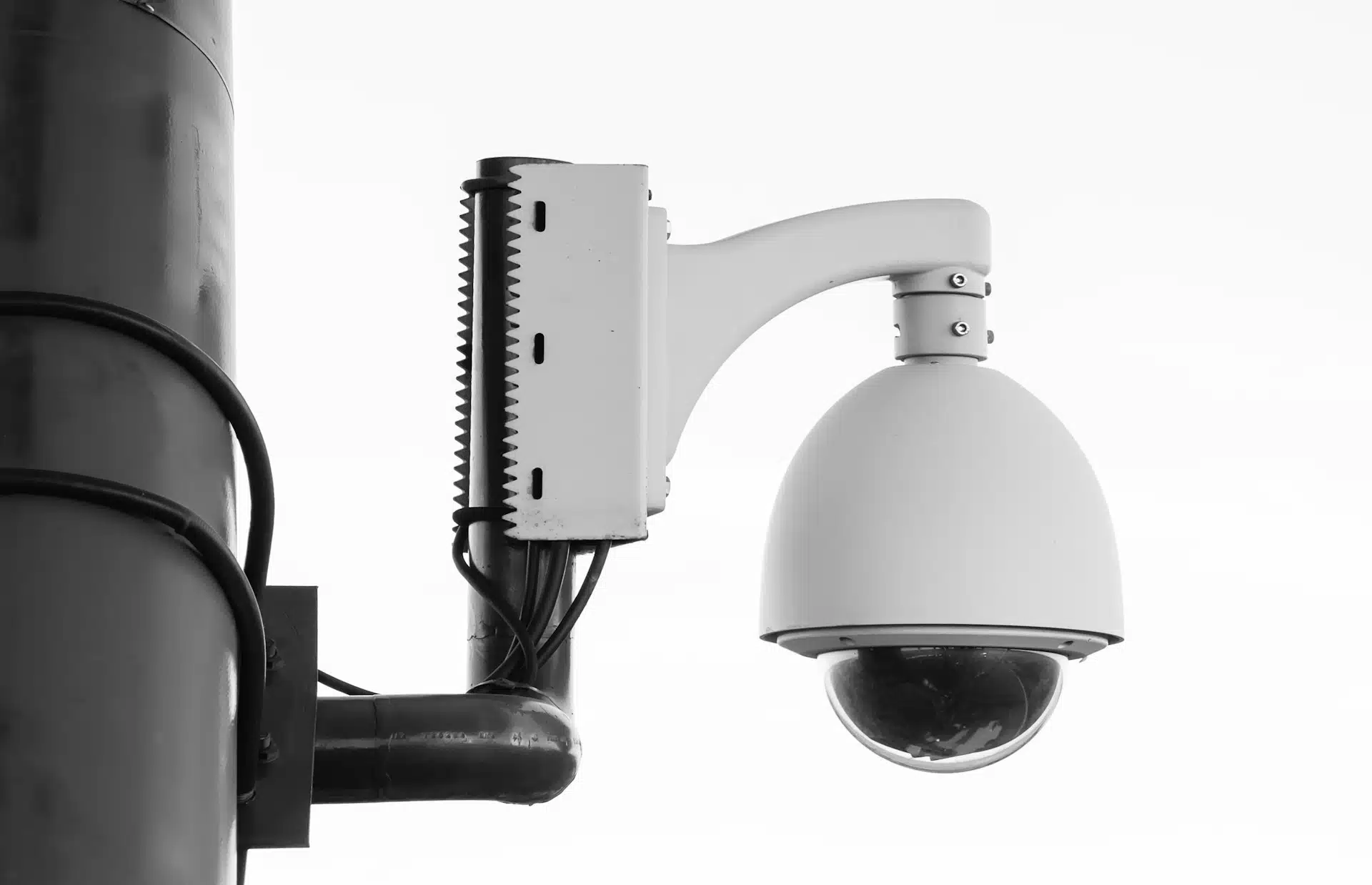
A garage camera offers the required degree of protection in home surveillance as one of the most vulnerable entry points. People who own the house ought to be aware of the activities occurring at the garage, and sophisticated functions, such as real-time alerts and remote viewing, deliver on the promise. Convenient access control and monitoring are also provided with a camera to improve surveillance.
What Is a Garage Camera?
A garage camera is a special security equipment, which is used to check the activity in and outside a garage. It is implemented to save cars, items kept in the garage, and doors to the house.
It operates in a way that captures live video imagery and transmits it to an electronic tool such as a smartphone, tablet, or computer either through Wi-Fi or a wired connection. The majority of the garage cameras available in the market today include motion detection, which automatically records the movement in the camera and sends an instant notification to the owner of the home.
A garage door opener with a camera has systems installed that allow those who use the system to manage the garage remotely. These cameras will generally be able to record footage with functions like night vision, two-way audio, and cloud and local memory to play back recorded videos.
Garage cameras enable homeowners to be more aware of the security and unwanted access, and provide a better idea of what transpires in the garage on a daily basis by providing round-the-clock monitoring and remote monitoring capabilities.
Why Is the Garage a High-Risk Area for Home Security?
The garage is considered one of the most risky points of a home’s security because it is a secondary door that is often overlooked compared to the front and internal doors. Others retain some of the valuable items (vehicles, tools, bicycles, and equipment) in the garage, which is the easiest to steal from.
The garage in certain houses is a simple access point to the living room, and this is further compromised when the intruders may get into the house without being detected.
Garages are also not locked or half-closed, and this is an easy target for unauthorized entry, where this entry is a way of life. Lack of visibility and lighting around the garage facilities would also add to the security risk, particularly during the night.
Also, the option of the old garage door systems that lack surveillance and the ability to monitor their use can be used by intruders to interfere with the entry mechanisms.
Installing a garage camera may mean that the homeowner has an accurate real-time view of what is going on in the garage. An immediate notification can have a better command of who can get into their garage, which would go a long way in eradicating any chances of security threats.
What Are the Benefits of a Garage Door Camera?
Using a garage door camera gives homeowners greater control and visibility over their homes and security for one of the most frequently used access points. Some of the key advantages of using a garage door camera as a home security system include the following.
1. Deter Theft and Break-Ins
A camera on the garage door is a powerful visual sign against potential criminals and uninvited persons. Suspicion of surveillance devices by the potential intruders will lead them to lessen the chances of engaging in theft or forced entry.
Modern cameras notify the user of movement and live images, which provide the homeowner with a chance to respond to any activity detected as suspicious. The footage that is available is a piece of evidence that can be useful in the event of something bad occurring, and investigating officers can locate and track potential threats.
2. Monitor Vehicles and Valuables
Garages also have costly cars, tools, and home items, and are the ideal targets for theft. Garage cameras will enable house owners to view these precious possessions at all times, and this way, they will be secure even when they are not at home.
It is also easy to check the garage at any time through remote viewing using mobile apps, and the recorded area allows monitoring the activity and gives an assurance that belongings are secure.
3. Monitor Garage Door Activity
With a garage door opener with a camera, homeowners are able to monitor the activity of their door in real-time when equipped with the automatic system. Users are able to check the status of the garage door, whether it is closed or open, and they are alerted when the garage door is opened. This aspect will assist in avoiding unintentional security hazards, including leaving the door open overnight, and offer convenient remote surveillance and enhanced access control.
What to Consider When Choosing the Best Garage Camera?
When choosing a garage camera, consider performance, reliability, and innovative functionality. A quality system must offer value monitoring, be simple to install, and provide reliable security solutions that secure vehicles, belongings, and access to garages. The following are key attributes to be used when making a purchase.
1. Power Options: Wired vs. Battery
Garage cameras are available in wired and battery-powered versions, each with distinct advantages. The wired cameras are more stable in terms of power and performance, whereas the battery-operated ones are more flexible in terms of placement and installable with less complexity. For instance, the wireless Reolink Argus 4 Pro is a great choice for protecting your garage.
2. High Resolution
Good video resolution is required for identifying faces, license plates, and action within the garage. High-resolution (HD or higher) cameras deliver more explicit images and better surveillance, ensuring that the most critical issues are captured accurately.
3. Built-in Siren & Spotlight
State-of-the-art garage cameras usually come with sirens and spotlights, which are activated when motion is detected. These are useful in discouraging intruders, increasing the visibility at night, and overall monitoring of security.
4. Integrated Openers
A camera-integrated garage door opener is a single system that is both a surveillance and an access control system. This is a capability that enables homeowners to keep an eye on their garage door activity and have access control outside the facility using mobile applications.
5. Durability
A long-lasting camera will provide a lasting performance, particularly in a garage that is prone to dust, moisture, or temperature variation. A powerful building ensures the stable functioning.
6. AI Vehicle Detection
The AI-based detection technology recognizes cars coming in and out of the garage, suppressing false notifications and giving more precise tracking.
Where Should You Place a Garage Camera?
A garage camera should be installed in the right position to guarantee maximum visibility, better security coverage, and proper monitoring. Blind spots can be eradicated through strategic installation, and critical activity is also well-captured. Take into account the following tips for placements:
- Near the Garage Entrance: This is where the camera should be placed so that whoever goes in or out of the garage can be seen.
- Facing the Garage Door: Helps keep a check on the garage door operation and monitors attempted illegal intrusion.
- Cover Vehicle Parking Areas: Provides all-time protection of the cars, bikes, and stored valuables.
- Mount at a Higher Angle: This will reduce tampering of the cameras and increase the viewing range.
- Avoid Direct Sunlight or Glare: Prevents distortion of the image and increases the clarity of videos.
- Ensure Strong Wi-Fi Signal Coverage: Sustains non-video streaming and real-time alerts.
- Cover Interior Access Doors: These are monitors that open up the garage to the house.
Verdict: Are Garage Door Cameras Worth It?
The garage door cameras are worth the investment to enhance convenience and security. They provide access to real-time monitoring, vehicle and stored valuables protection, and assist with access to the garage.
Smart alerts and remote viewing from a garage door opener with a camera are only a few capabilities that allow homeowners to enjoy a greater degree of safety, awareness, and peace of mind.