
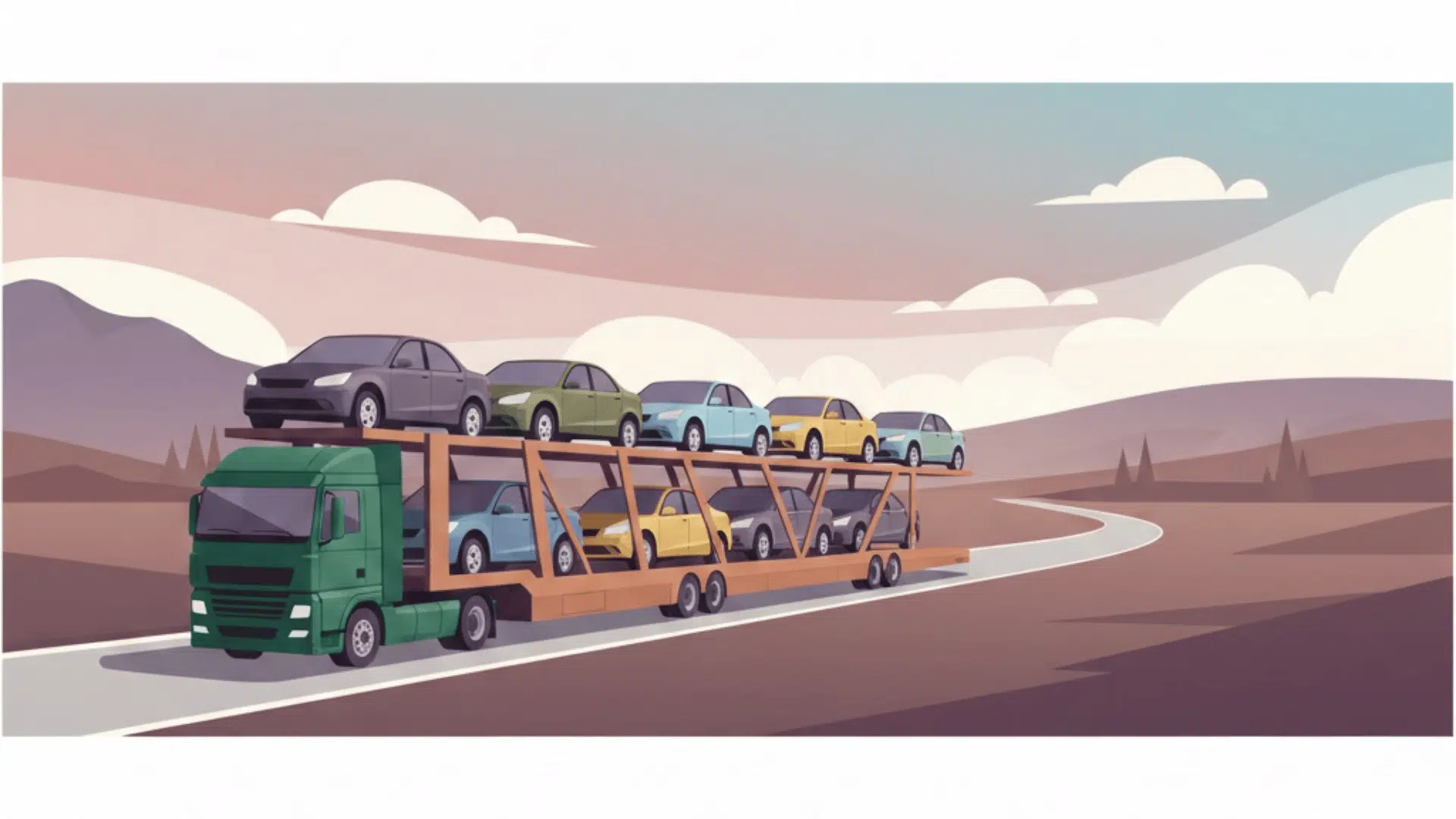
Shipping a car across the country sounds simple. You get a quote, book a company, and wait for your car to show up.
In reality, it’s more layered than that. Prices shift for reasons most sites don’t explain. Timelines sound clear but rarely are. And a lot of advice online skips the why behind the process.
This guide is for anyone who wants to slow down and understand what’s really happening when shipping a car cross-country.
I’ll show you how the system works, what decisions actually matter, and how to choose an option that fits your situation without stress.
How Shipping a Car Cross Country Works
Before getting into prices or companies, it helps to understand the structure behind car shipping. Once you see how the system is set up, many confusing parts start to make sense.
What “Cross Country” Shipping Actually Means
Cross-country shipping usually means moving a car more than 1,500 miles . Many people use the term for coast-to-coast routes, like California to Florida or New York to Arizona. Others use it for any long haul that crosses several regions.
Most carriers follow major highways. Common routes run east to west along interstates like I-40, I-70, and I-80. These routes matter because cars moving along busy corridors are easier to schedule. Remote locations or off-route cities often cost more and take longer.
The key thing to understand is that drivers don’t move one car at a time. Your car becomes part of a larger route plan. That’s why flexibility plays such a big role later.
Broker vs. Carrier Explained
This is one of the most misunderstood parts of car shipping.
A carrier owns the truck and moves the car. A broker connects customers with carriers. Most people work with brokers, even if they don’t realize it.
Brokers post your shipment to a private load board. Carriers review listings and accept the ones that fit their route and pay expectations. This system keeps trucks full and prices competitive, but it also means no one can promise an exact pickup time weeks in advance.
You deal with brokers because there are thousands of carriers, most with small fleets. Brokers handle scheduling, communication, and problem-solving.
The downside is that quotes can change if market conditions shift. That’s not always dishonesty. It’s how the system works.
How Much Does It Cost to Ship a Car Cross Country
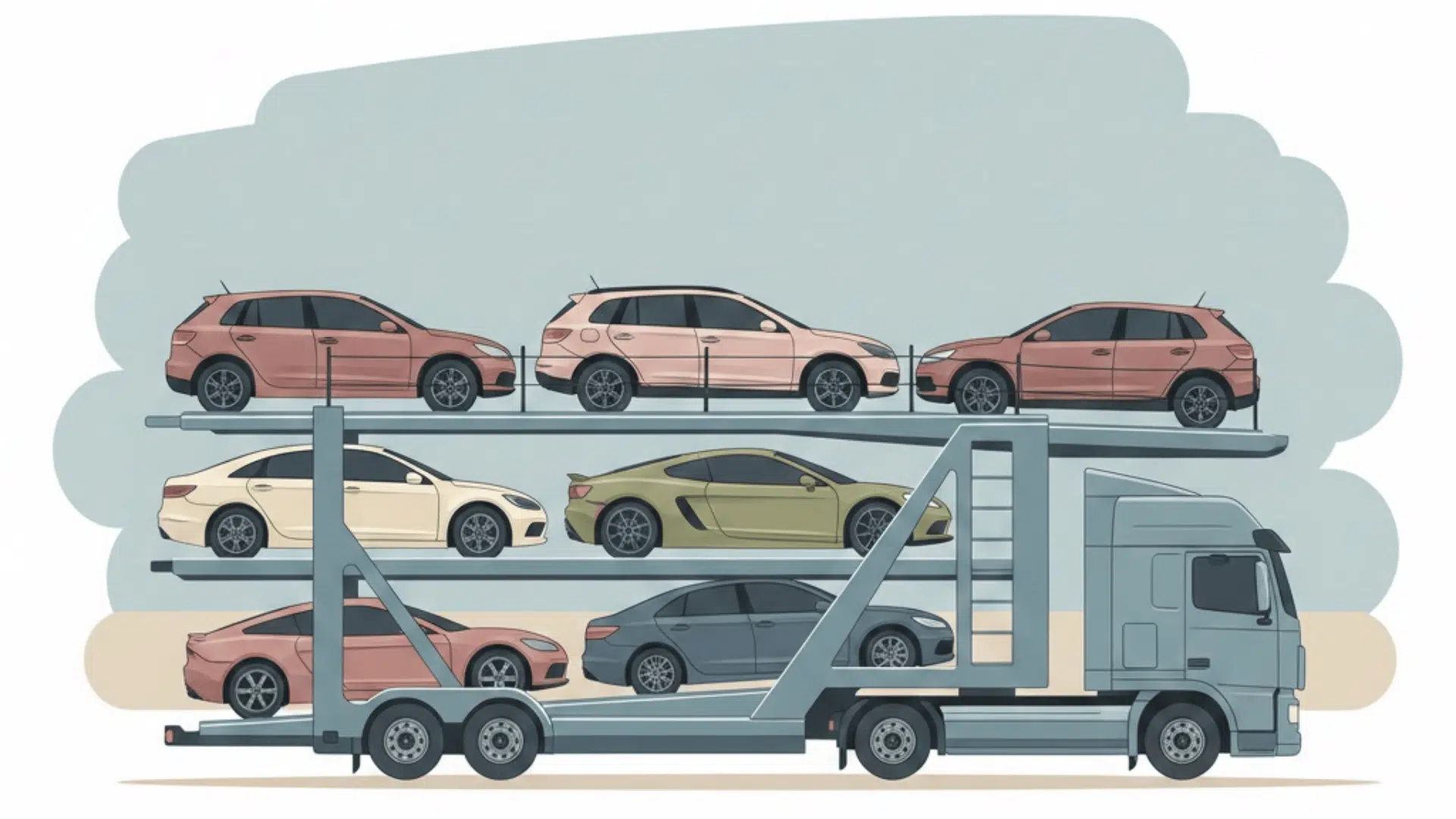
Pricing causes the most anxiety, mostly because people expect fixed numbers. Car shipping prices are closer to airline tickets than flat fees.
Average Cost Ranges
These are general ranges for standard open transport.
- For 1,000 to 1,500 miles, most shipments fall between $700 and $1,200.
- For 1,500 to 2,500 miles, the range is usually $1,000 to $1,800.
- For 2,500 miles or more, true cross country moves often land between $1,300 and $2,500.
These ranges assume a standard vehicle that runs and a common route. Specialty vehicles or tight schedules can push costs higher.
Cost per Mile Explained
Longer trips often cost less per mile . That sounds backwards, but it’s logical.
The hardest part of a shipment is loading, unloading, and route alignment. Once a truck is moving, each extra mile adds less cost.
A 300-mile trip still needs a full pickup and delivery process. A 2,500-mile trip spreads those fixed costs over a greater distance. That’s why short moves can feel expensive for what they cover, while long moves feel more reasonable per mile.
What Makes Your Quote Higher or Lower
Several factors change pricing in predictable ways.
- Vehicle size , because larger vehicles take more space and add weight. SUVs, trucks, and vans cost more than sedans.
- Operability matters because non-running cars need special equipment and extra time.
- Route demand means popular lanes have more competition among carriers. Rural or low-traffic routes cost more.
- Season affects pricing because summer, snowbird seasons, and college moves increase demand.
- Pickup flexibility matters because carriers favor loads that fit their timing. Tight windows reduce options and raise prices.
When multiple factors stack up, prices rise fast. When they balance out, quotes stay reasonable.
Cheapest Ways to Ship a Car Cross Country
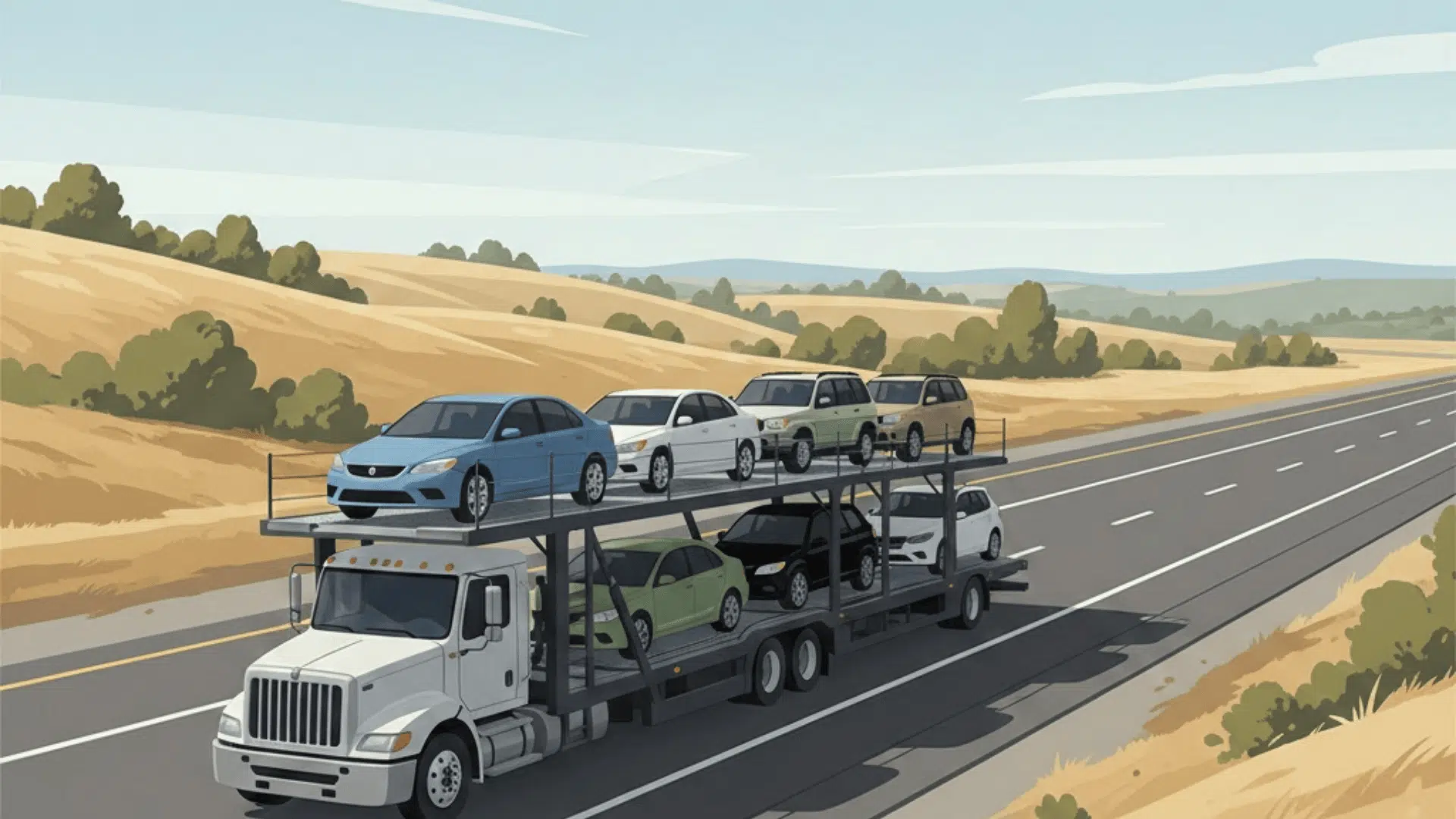
Cheapest does not always mean best. It means fewer protections and more patience.
1. Open Transport
Open transport is the default option for most people. Cars ride on open trailers exposed to weather and road debris.
This works well for daily drivers and newer vehicles. Typical savings compared to enclosed transport range from 30 to 60 percent. Availability is also much higher, which keeps prices stable.
Most cars shipped in the US move this way without issues.
2. Terminal-to-Terminal Shipping
Terminal shipping means dropping your car at a lot and picking it up at another lot.
This can lower costs because drivers avoid detours. The downside is inconvenience and limited terminal locations. You may still wait days for loading or unloading.
It can make sense if you live near a major hub and want to reduce costs, but it adds extra steps.
3. Flexible Pickup and Delivery Windows
Flexibility is one of the strongest pricing levers.
When carriers can choose pickup within a few days, they can match your car to an existing route. This lowers costs and speeds scheduling.
Tight windows force carriers to adjust routes, which raises prices. If saving money matters more than exact dates, flexibility pays off.
Open vs. Enclosed Transport
Choosing between open and enclosed transport is less about fear and more about context. Here’s a quick side-by-side view to make the differences easier to see at a glance:
| Feature | Open Transport | Enclosed Transport |
|---|---|---|
| Cost | Lower cost | Higher cost, often double or more |
| Availability | Very common and easy to book | Limited availability |
| Scheduling speed | Usually faster | Often slower |
| Exposure | Exposed to weather and road debris | Fully protected from weather and debris |
| Risk level | Minor cosmetic exposure possible | Lower exposure, but not zero risk |
| Typical use | Daily drivers, standard vehicles | Luxury, classic, or collector cars |
| Loading risk | Present | Still present despite enclosure |
Which option fits your car:
- Daily drivers usually do fine with open transport.
- Luxury or classic cars benefit from enclosed transport, especially if paint or trim is sensitive.
- Modified vehicles may need enclosed transport if ground clearance is low or parts sit outside standard dimensions.
The right choice depends on your car, your tolerance for exposure, and how much flexibility you have on cost and timing.
How Long Does Cross Country Car Shipping Take
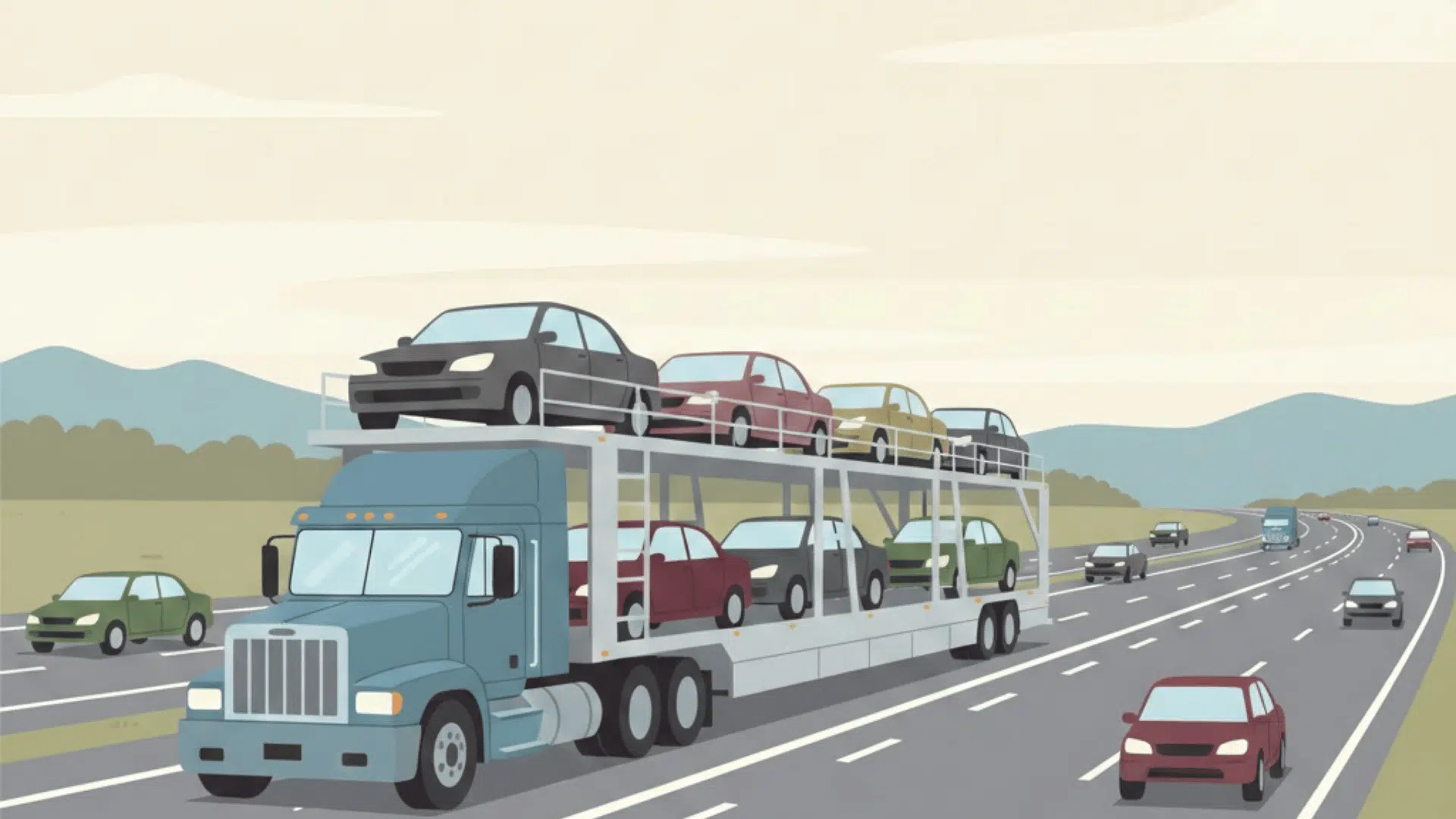
Time estimates are averages, not guarantees.
Average Transit Times
Most cross-country shipments take 7 to 14 days from pickup to delivery. This includes loading, transit, and scheduling stops.
The phrase “7 to 14 days” assumes normal conditions. It does not mean the truck drives straight through without pauses.
Common Reasons for Delays
- Weather can slow routes or shut down highways.
- Route changes happen when loads shift or drop off.
- Mechanical issues affect trucks the same way they affect personal vehicles.
Delays are usually logistical, not careless. You should definitely plan for buffer time to reduce stress.
How to Prepare Your Car for Shipping
Preparation is one of the few parts of this process you fully control. Doing it right doesn’t just protect the carrier. It protects you if questions come up later.
What to Do Before Pickup
Before the truck shows up, take a little time to get the car ready.
- Wash the exterior: A clean car makes existing scratches, dents, and chips easier to see and document.
- Take clear photos: Get wide shots and close-ups from all sides. Include the roof, bumpers, and wheels. These photos are your baseline.
- Leave about a quarter tank of fuel: Enough for loading and unloading, but not so much that it adds unnecessary weight.
What to Remove from The Vehicle
Anything not bolted down becomes your responsibility.
- Personal items: Clothing, tools, electronics, and boxes are usually not insured during transport.
- Loose accessories: Remove roof racks, spoilers, bike mounts, or anything that could shift or catch wind.
Carriers are paid to move the car itself. They are not inventorying or protecting what’s inside it.
Paperwork You’ll Need
The paperwork is simple, but it matters.
- Bill of Lading: This is the inspection report. It documents the car’s condition at pickup and again at delivery.
- Insurance confirmation: The broker or carrier should provide coverage details. Know the limits and deductibles before the car moves.
Taking these steps doesn’t guarantee perfection. It does give you clarity, proof, and leverage if something doesn’t line up later.
What Happens on Pickup and Delivery Day
Pickup and delivery are short, but they matter more than any other part of the process.
At pickup, the driver does a quick visual inspection and notes existing damage on the Bill of Lading. This creates a baseline for the car’s condition. If you can be there, it helps. If not, have someone you trust handle it.
At delivery, compare the car to the photos you took before shipping. Look at the same areas. If you see anything new, write it on the Bill of Lading before signing.
Report issues right away. Once paperwork is signed clean, it’s much harder to fix problems later.
Is It Cheaper to Drive or Ship Your Car?
This question comes up a lot, and the answer is rarely just about gas. This depends on more than fuel prices.
Driving looks cheaper at first, but the costs stack up. Fuel is only one part. Hotels, meals, time off work, and wear on the car all add up. Long drives also mean oil changes, tire wear, and mileage you can’t undo.
Shipping has a clearer price. You pay once, and most costs are upfront. There’s less wear on the car and less time lost to the road.
Shipping usually makes more sense when the distance is long, time is tight, or more than one vehicle needs to move. Driving can still work for shorter trips or when the drive itself is part of the plan.
How to Avoid Car Shipping Scams
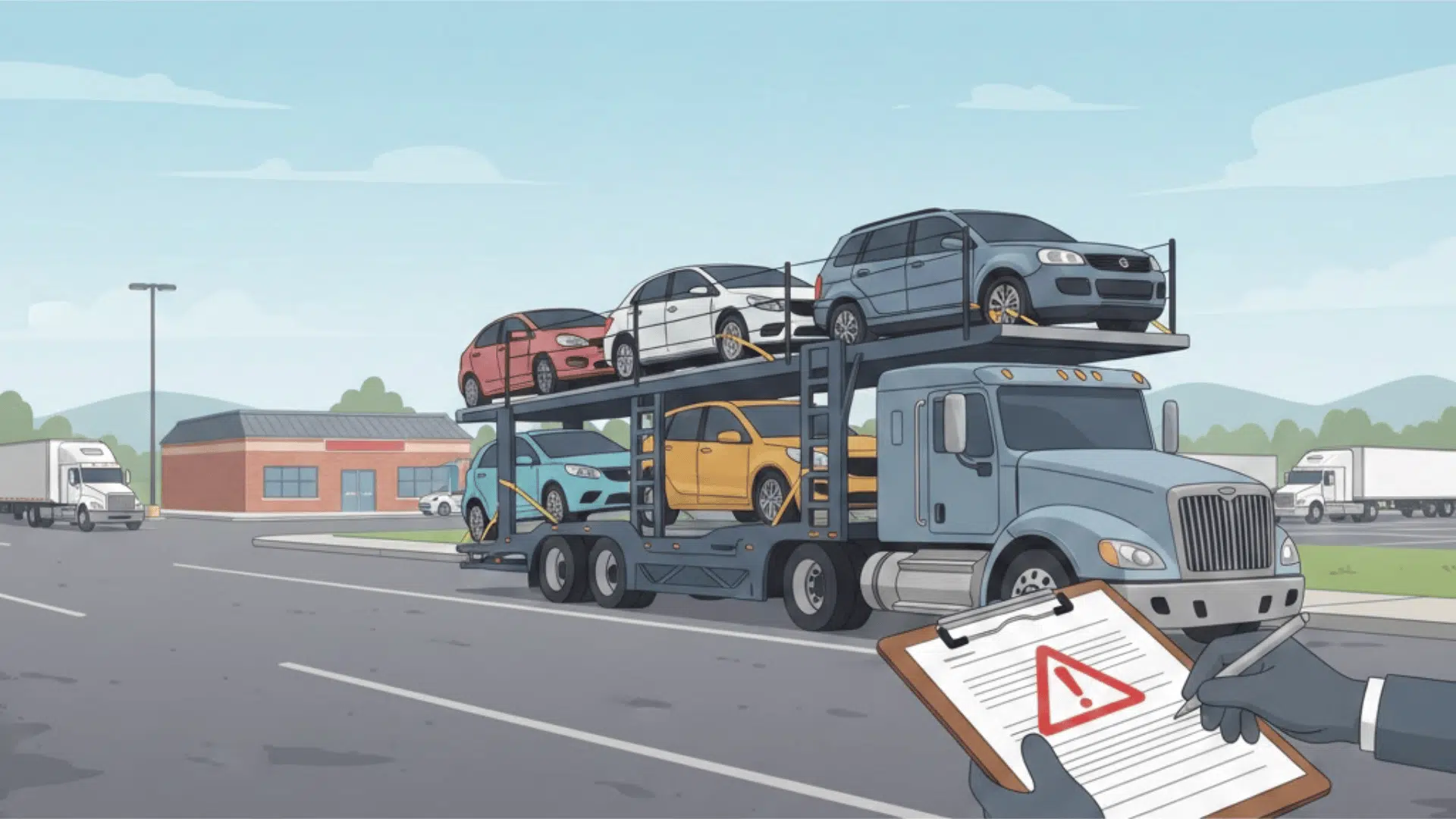
Most bad experiences don’t come from outright scams. They come from unclear expectations and rushed decisions. Still, there are a few warning signs worth slowing down for.
Red Flags to Watch For
Some signals should make you pause and ask more questions.
- Very low quotes: Prices far below the market usually mean the carrier won’t accept the job at that rate. This often leads to delays or last-minute price increases.
- No written contract: Verbal promises don’t hold much weight. You should always receive terms in writing before your car is picked up.
- Large upfront cash demands: Modest deposits are common. Requests for full payment in cash before pickup are not.
Questions to Ask Before Booking
Clear companies answer these without hesitation.
- Insurance coverage and limits: Ask what’s covered, how claims work, and what isn’t included.
- MC number: This confirms the company is registered and operating legally.
- Cancellation terms: Know when fees apply and how much notice is required.
When answers are direct and consistent, that’s usually a good sign. Confusion, pressure, or avoidance often points to problems later
Wrapping Up
By the time you finish planning a long-distance move, the goal isn’t finding the perfect option. It’s finding the right one for your needs.
When you understand pricing, timing, transport types, and preparation, the process stops feeling unpredictable.
Shipping a car cross-country becomes a series of tradeoffs you can weigh calmly instead of guessing through. Costs make more sense. Delays feel less personal. And decisions feel grounded instead of rushed.
Compare options, ask clear questions, and leave room for flexibility. When you do that, shipping a car cross-country becomes a planning task, not a source of constant worry.
Frequently Asked Questions
How much does it typically cost to ship a car cross-country?
Most standard shipments cost between $1,300 and $2,500. Price depends on distance, vehicle size, route demand, season, and how flexible your pickup and delivery dates are.
What is the cheapest way to transport a car across the country?
Open transport with flexible pickup and delivery windows is usually the cheapest option because it gives carriers more scheduling freedom.
Is it cheaper to drive or ship your car?
For long distances, shipping often costs less once fuel, lodging, time off work, and vehicle wear are factored in.
What is the best company to ship a car?
There’s no single best company. The right choice depends on your route, timing, budget, and how clearly the company communicates.
How long does shipping take?
Most cross-country shipments take 7 to 14 days, depending on distance, route efficiency, weather, and carrier availability.



















One Response
Can you please give me an email address or phone number to contact someone that can do a DOT previous employment verification. Thank you.