Solar power has been an option for some time, yet it’s still used in only a minority of households.
If you’ve yet to take the plunge, understanding the impact this tech has on both household usage and the broader grid is a helpful way of contextualizing how and why adoption is being catalyzed. Here’s the lowdown on the key points and their implications for consumers and power companies alike.
Why Solar Power Shifts the Way Homes Use Energy
Adding solar panels to a home does more than cut the electric bill; it changes when and how a household pulls energy from the grid. Because solar systems produce most of their output during sunny daytime hours, they reshape the daily rhythm of electricity use.
This shift affects everything from grid stability to the way utilities design their pricing. Studies like those from ScienceDirect show that solar equipped homes follow noticeably different load curves compared to traditional households.
Daytime Generation and Changing Load Curves
When panels are generating power, the home draws far less electricity from the grid. This creates a dip in midday demand, replacing what used to be one of the stronger usage periods. As a result, homes with solar tend to lean more on self generated energy instead of imported grid power.
How This Demand Shift Works
- Midday consumption relies more on solar output than grid supply.
- Evening demand becomes the new daily peak when solar production fades.
- Overnight loads generally remain unchanged.
According to reporting by PV Magazine, solar owners sometimes increase their consumption overall. This often happens when households become more energy confident or add high usage gear like EV chargers or heat pumps.
Matching Household Usage With Solar Production
Homes benefit most when their energy habits line up with the hours when panels are producing. That means running high draw appliances earlier in the day and reducing dependence on evening grid power. Aligning usage with production can also soften demand spikes that stress the grid during peak periods.
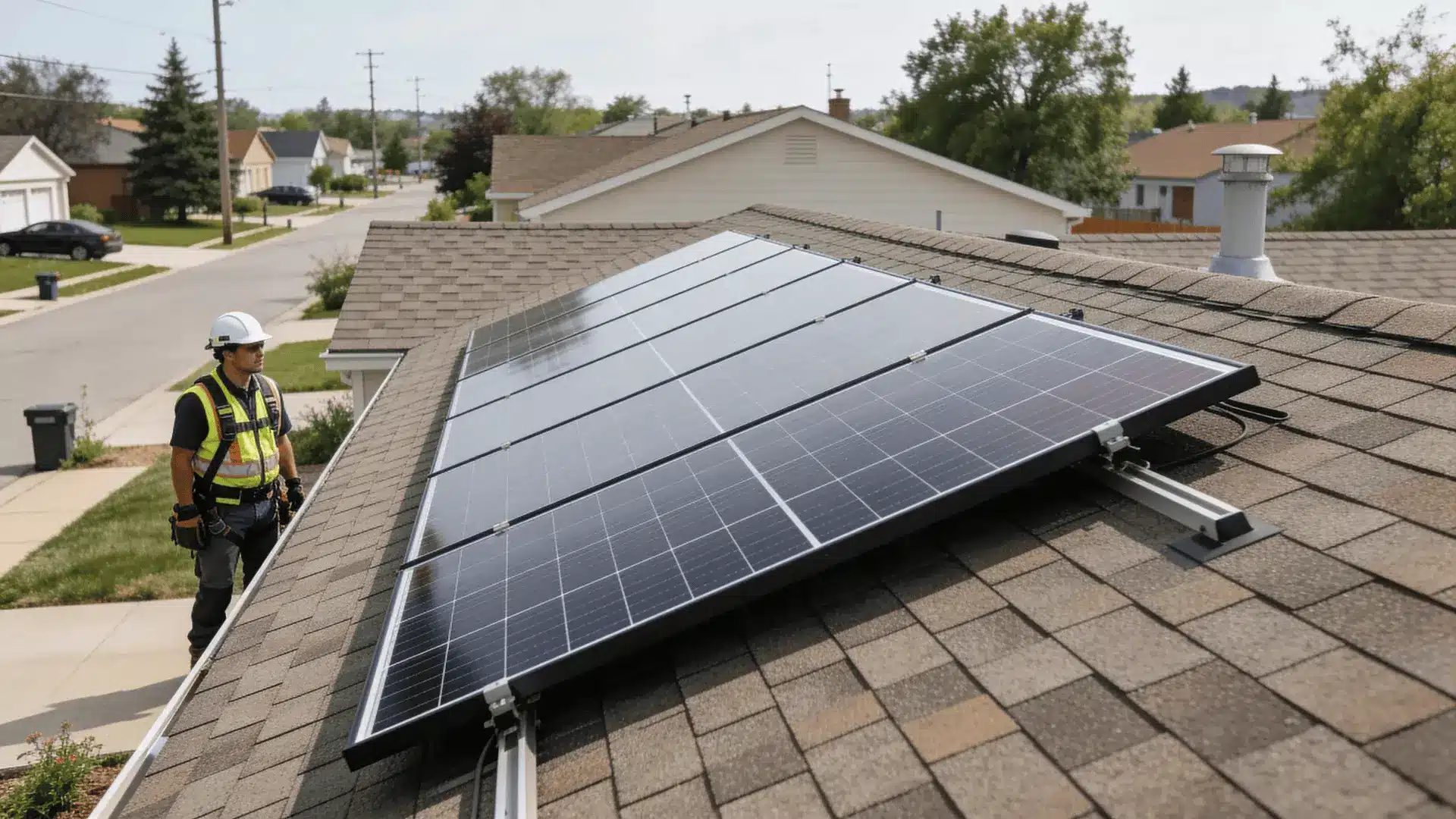
Achieving this can be challenging, but the good news is that a solar panel installation company can help owners design systems that better match their personal demand patterns. This includes evaluating roof orientation, inverter capacity, and whether a battery would reduce evening peaks. By planning around these patterns, households improve their overall self consumption while easing strain on the grid.
Why Batteries Amplify These Benefits
Battery storage keeps excess energy available after the sun goes down. This smooths the shift from solar generation to evening demand, which is often the most expensive time to buy grid electricity. Research in an MDPI analysis highlights how optimized PV battery sizing lowers peak grid demand and improves system stability across solar heavy neighborhoods.
There are drawbacks to wider adoption of battery storage, including concerns about the environmental impact of sourcing the minerals used to produce this tech. However, with improvements in recycling, there’s less reason for homeowners to worry about whether going green in this way has its issues.
The Bigger Picture for Utilities and the Grid
Solar powered homes create more dramatic midday demand dips, which can help utilities avoid overloading during the hottest hours of the day. However, the evening rebound is sharper without storage, so widespread adoption would push utilities to rethink their rate structures. Time-of-use pricing, demand charges, and net billing policies are all responses to these evolving patterns.
From a grid perspective, the goal is to keep demand predictable. Solar helps during the day but also introduces variability. Batteries and smarter appliances are becoming essential tools to balance supply and demand across neighborhoods with high solar penetration.
Also, at a time when energy bills are high, the wider rollout of solar can both reduce strain on the grid and keep costs down for households that embrace it. So it’s a positive step at the micro and macro levels.
Getting the Most From Home Solar
To get the full benefit of home solar power, owners should understand how their habits intersect with the system’s production cycle. Running appliances earlier in the day, considering battery storage, and designing systems that suit unique usage patterns all make a big difference. With that, households can push ahead with installation, guided by experts where possible.