Creating a home that feels authentic is about more than just buying a matching set of furniture from a single store. A space that looks collected over time tells a story through a mix of different eras and textures. This approach allows you to focus on quality and personal meaning rather than following fleeting trends.
Building this kind of environment requires patience and a steady eye for detail. This process helps you avoid the sterile look of a showroom and results in a sanctuary that feels uniquely yours. Take a look at these practical steps to help you curate a space that grows alongside your life and experiences.
1. Choose One Anchor Surface
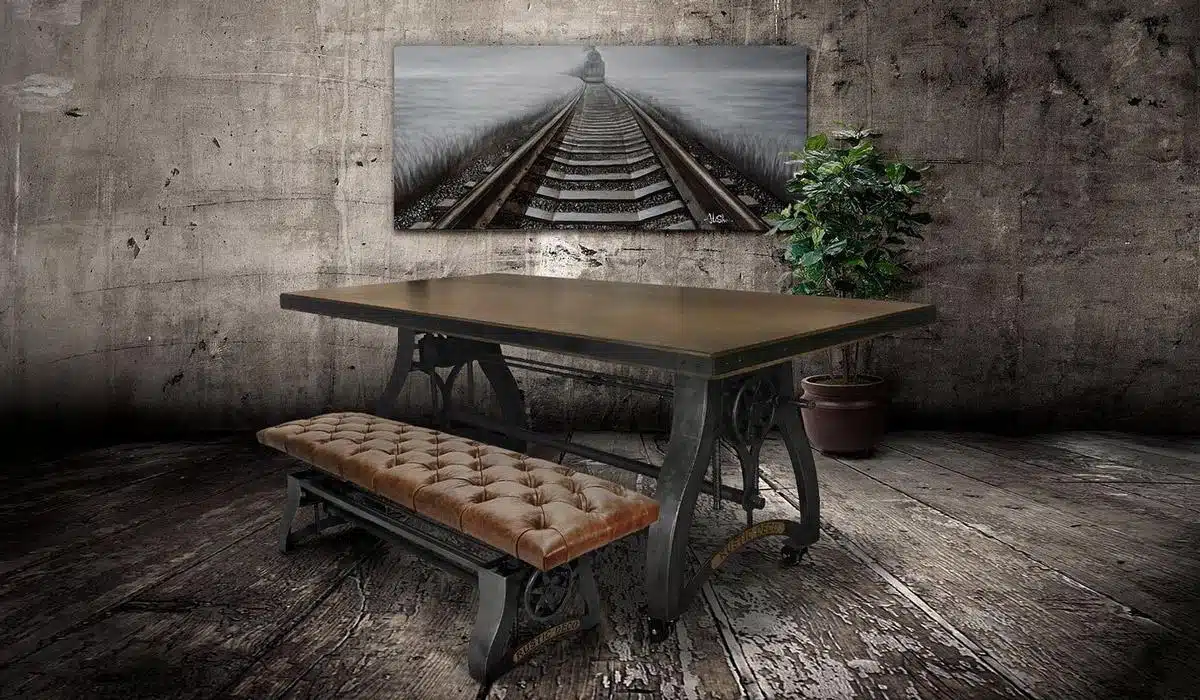
Start your room with a single piece of furniture that carries weight and history. This anchor surface acts as the foundation for your entire setup and prevents the space from feeling cluttered. When you pick one dominant item first, every other addition becomes a supporting detail rather than a distraction.
An industrial drafting table from Knox Deco works perfectly for this purpose because it offers a rugged texture that balances modern tech. The goal is to choose a surface with enough character to stand alone while remaining functional for daily use.
Set-Up Tips for Your Anchor Piece
- Prioritize Light: Position your table against a wall that catches plenty of natural sunlight. This creates an inviting atmosphere and has been shown to improve overall satisfaction in a workspace by 24%.
- Balance Your Seating: Choose a chair with a slim profile to keep the desk as the primary focal point. Visually light seating prevents the area from feeling cramped or heavy.
- Disguise Modern Tech: Hide messy charging cables and power strips inside vintage wire baskets tucked beneath the tabletop. This keeps your equipment organized without breaking the timeless aesthetic of the room.
Selecting a singular, high-quality foundation piece ensures your home setup feels intentional and grounded from the very beginning.
2. Add One Conversation Piece

Photo from Medieval Collectibles Instagram
ALT Text: Shield crest with gold lions and castles on wood background
Every collected room needs a singular element that breaks the mold and sparks curiosity. A conversation piece acts as a visual disruptor, pulling the eye away from standard furniture and toward something with a unique history or silhouette. This item should feel like a discovery rather than a catalog purchase.
Integrating something as bold as a suit of medieval armor from Medieval Collectibles provides an immediate sense of scale and narrative. Such a dramatic addition creates a bridge between different design eras and keeps your setup from looking too modern or predictable.
How to Style Your Statement Item
- Create Negative Space: Leave breathing room around your larger piece so it does not feel crowded. A clear perimeter allows the item to stand as a focal point.
- Contrast the Textures: Pair cold materials like steel or iron with softer elements. Placing a bold relic near a velvet curtain or a wooden bookshelf creates a sophisticated balance.
- Direct the Lighting: Use a dedicated floor lamp or a small spotlight to highlight the item after dark. Proper shadows add depth and emphasize the craftsmanship of your find.
A well-chosen statement piece ensures your setup feels like a curated gallery rather than a furniture showroom.
3. Keep the Surroundings Simple

Photo from Freepik
ALT Text: Wooden shelves with rustic decor next to round rattan mirror
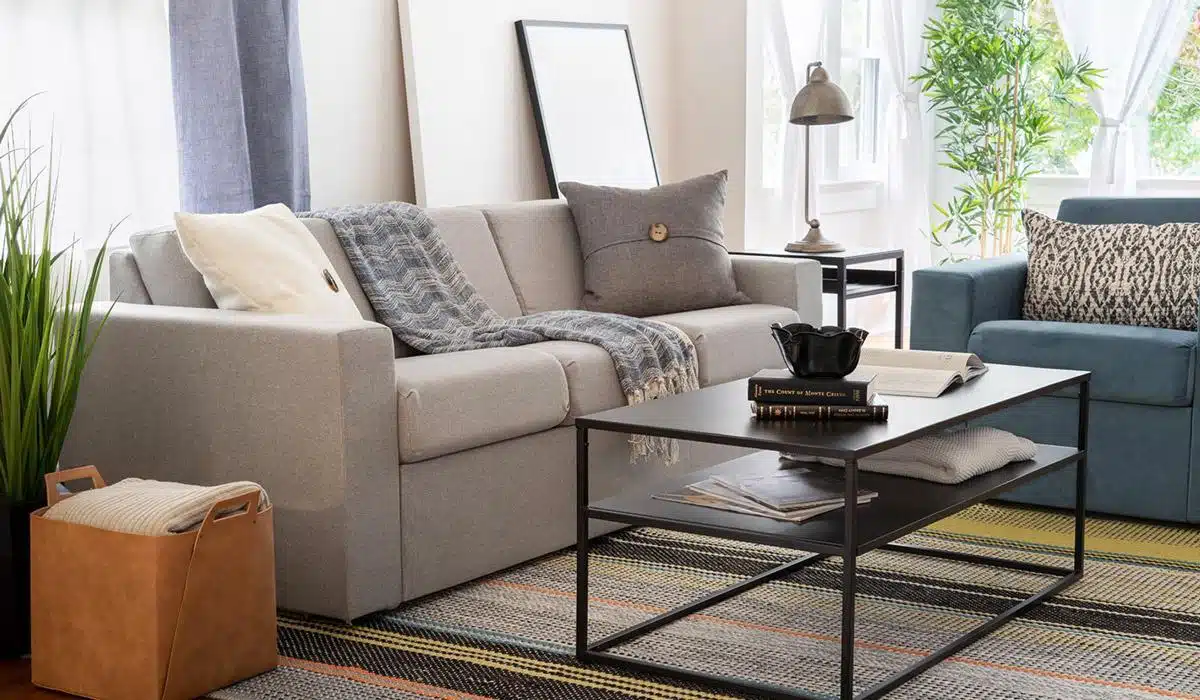
A collected home thrives on the balance between character pieces and quiet zones. If every corner competes for attention, the room becomes overwhelming rather than curated. By maintaining simple surroundings, you provide the necessary visual breathing room that allows your anchor surface and conversation pieces to stand out.
Focus on a neutral backdrop to let your unique finds speak for themselves. This doesn’t mean the room must be empty, but rather that every additional item should serve a functional or aesthetic purpose without adding noise.
Strategies for a Balanced Space
- Stick to a Cohesive Palette: Use a limited color scheme for your walls and large rugs. Neutral tones create a gallery-like atmosphere that highlights the textures of your vintage or industrial furniture.
- Limit Surface Clutter: Keep smaller decor items to a minimum on secondary surfaces. Grouping three objects of varying heights is more effective than spreading multiple small trinkets across the room.
- Utilize Negative Space: Leave at least one wall or corner relatively bare. This intentional emptiness draws the eye toward your focal points and prevents the setup from looking like a storage unit.
Mastering the art of restraint ensures that your home feels thoughtfully assembled instead of simply crowded.
Styling Extras (Optional but Impactful)
If there is room after the two anchors feel settled, subtle nods to tradition can be layered in. A linen seat pad with a pinstripe reminiscent of classic suiting fabric adds softness. A vintage banker’s lamp provides a glow that complements the sheen of metal accents.
Small tactile items can serve as functional desk curios. A brass bell or an antique ruler doubles as a paperweight, reinforcing the collected aesthetic. These additions should create interest without generating clutter.
The Path Forward
Generic desks and random knick-knacks rarely feel like a legacy worth keeping. Instead, curate a workspace that tells a story in two decisive strokes. Anchor your daily tasks on a character-rich drafting surface, then let a handcrafted conversation piece carry the narrative forward.
Keep the rest of the room restrained so those intentional choices can breathe. In doing so, you will create a vintage home office that feels personal and functional. Source your own anchor pieces today and build a space that looks like it took decades to gather.