Creating a weekend retreat does not require a massive budget or months of architectural planning. Many beginners feel overwhelmed by the idea of building a secondary space because they imagine complex construction projects.
In reality, you can establish a peaceful sanctuary by focusing on simple structures and intentional design. A successful retreat focuses on comfort and ease of maintenance rather than luxury or size. Learning these efficient techniques will save you time and help you gain the confidence to complete your project without unnecessary stress.
Read on to discover how you can start your own building journey and enjoy your first quiet morning in nature.
1. Anchor Your Space with a Single Focal Point
Beginners often struggle with the urge to fill every square inch of a new retreat. This usually leads to a cluttered environment that feels restless rather than restorative. Instead of spreading your budget and energy thin, focus on a single primary element to ground the entire project. This creates a clear center of gravity that naturally guides the eye and settles the mind.
Why One Focus Works
- Design Simplicity: A single centerpiece dictates the layout for everything else.
- Resource Management: You can prioritize high-quality materials for one area.
- Mental Clarity: Eliminating visual noise helps you transition into a relaxed state.
Selecting Your Anchor
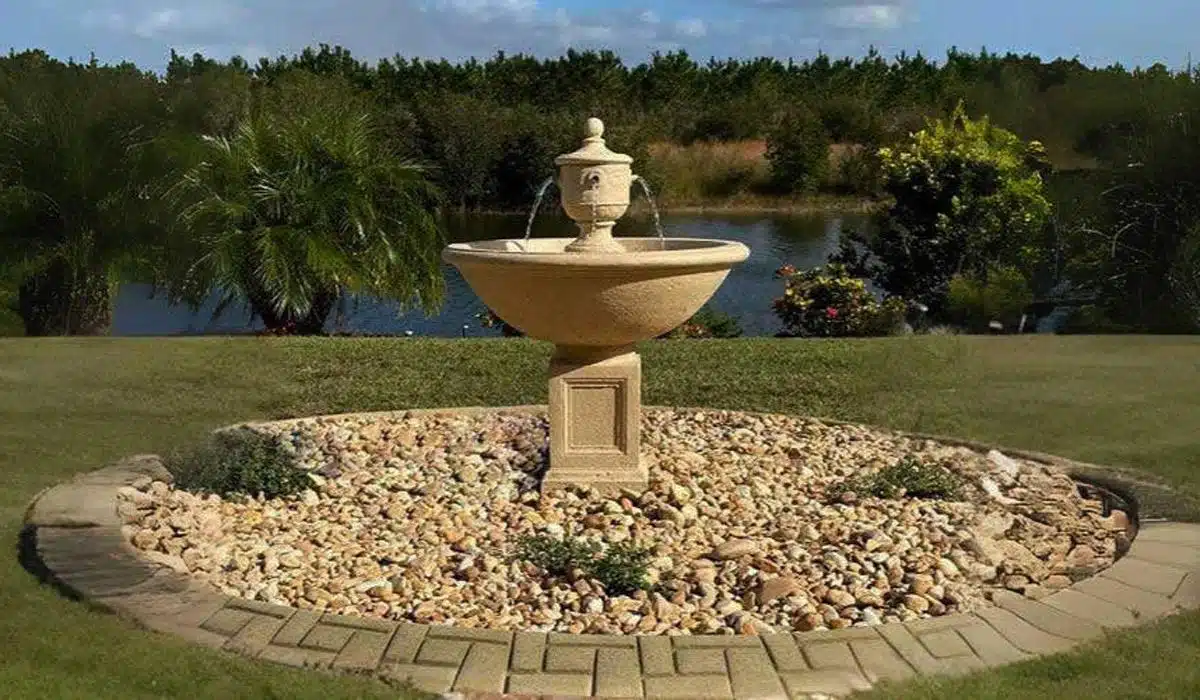
Your choice should align with the specific way you intend to use the space. If you are building a spot for quiet reflection or meditation, incorporating water features can be incredibly effective.
Integrating a feature like The Blissful Place’s luxurious fountain provides a consistent, gentle soundscape that effectively masks outside distractions. By placing it in a central or prominent corner, you establish a sensory boundary that separates your retreat from the noise of daily life.
Quick Setup Tips
- Clear a level three-foot radius to ensure the feature stands out.
- Use natural elements like river rocks or local slate to create a visual base.
- Keep the surrounding area open to maintain a sense of breathable space.
By centering your retreat around one intentional piece, you create an environment that feels professional and purposeful. This approach ensures that your getaway remains a place of ease rather than another DIY project that feels unfinished.
2. Swing Glider Bench

Photo from Freepik
ALT Text: Wooden bench swing overlooking blue water and a distant shoreline
A glider bench provides the rhythmic relaxation of a swing without the need for heavy overhead beams. Because it operates on a self-contained internal tracking system, you can place it on any flat surface, from a gravel patch to a finished wooden deck. This mobility makes it the perfect anchor for a retreat that might evolve.
Why Gliders Beat Traditional Swings
- Zero Structural Stress: No drilling into porch rafters or building massive A-frames.
- Compact Footprint: The back-and-forth motion stays within the frame of the bench.
- High Weight Capacity: Solid steel or hardwood bases offer more stability than chains.
Placement for Maximum Impact
Orientation is everything when you want to create a sense of escape. Position your bench to face the most natural view in your yard, such as a garden bed or a distant tree line. Angling the seat slightly away from your main house helps create a mental boundary between your chores and your downtime.
Setup and Care
- Level the Ground: Use four concrete pavers to prevent the legs from sinking.
- Lubricate the Pivot: Apply a dry silicone spray to the joints once a season.
- Add Weather Protection: Use a breathable cover during winter to prevent rust.
Adding a glider transforms a static seating area into a dynamic space that encourages you to slow down and stay longer.
3. Tighten Up Your Garage Workflow

Photo from HeavyLift Direct
ALT Text: Classic turquoise Chevrolet truck on a silver hydraulic car lift
A cluttered workspace is the biggest barrier to completing a weekend retreat project. When you spend half your time hunting for a specific wrench or clearing sawdust off a bench, momentum dies. Organizing your garage into functional zones ensures that every movement contributes to the build rather than fighting against the mess.
Map Your High-Traffic Zones
- The Assembly Hub: A clear central floor area for laying out large materials.
- The Tool Wall: Vertical storage for frequently used items like drills and levels.
- The Scrap Bin: A dedicated spot for offcuts to keep the floor walkable.
Optimize Vertical and Floor Space
Beginners often focus only on shelf space, but managing large components or heavy equipment is where most projects stall. Elevating your machinery or the project itself allows you to reclaim valuable square footage for assembly and finishing.
Integrating a tool like HeavyLift Direct’s garage lift makes it much easier to transition between mechanical work and woodworking by clearing the floor in seconds. This flexibility lets you move from framing a structure to inspecting a vehicle without needing a second workshop.
Maintenance Habits for Speed
- Five-Minute Sweep: Clear the floor at the end of every work session.
- Shadow Boarding: Outline your tools on the wall so missing items are obvious.
- Mobile Bases: Put heavy benches on locking casters to rethink your layout on the fly.
Streamlining these physical movements removes the friction from your building process. When your environment supports your pace, you can focus entirely on the craftsmanship of your retreat.
Build Your Retreat Today
Creating a personal sanctuary is about intentional choices rather than complex construction. By focusing on a single focal point, streamlining your workspace, and adding simple comfort features like lighting and seating, you can transform any outdoor area.
These manageable steps allow you to bypass the stress of a major renovation while still achieving a professional and inviting result.
- Focus on One Anchor: Start with a central feature to ground the design.
- Organize Your Workflow: Use a clean garage layout to save time and energy.
- Add Low-Effort Comfort: Incorporate string lights and gliders for instant atmosphere.
Taking these small actions today ensures you have a dedicated space to recharge by the weekend.