I get this question all the time: What size solar system do I need? The answer depends on more than just how big a home is.
Many people guess and end up buying too little or paying for more than they need.
This guide breaks the process into clear, simple steps that are easy to follow. It explains how to estimate solar system size using real numbers and common examples.
By the end, it’s much easier to understand how much solar is needed and what system size makes sense for different homes and energy goals.
Benefits of Using Solar Systems in Your Home
Solar power offers clear advantages beyond just clean energy.
- Lower electricity bills: Solar reduces how much power is needed from the grid each month.
- Protection from rising energy costs: Producing your own power helps avoid future rate increases.
- Clean and renewable energy: Solar power reduces reliance on fossil fuels and lowers carbon impact.
- Higher home value: Homes with solar systems are often more attractive to buyers.
- Energy independence: Solar gives more control over where electricity comes from.
Solar systems support long-term savings and sustainability. They offer a smart upgrade for homes planning ahead.
How Much Electricity Does Your Home Use?
The first step in figuring out what size solar system is needed is knowing how much electricity a home uses.
Solar systems are sized based on kilowatt-hours (kWh), not home size or number of rooms. This number is found on the electricity bill, usually listed as “kWh used.”
Looking at 12 months of bills is important because energy use changes with the seasons. Checking only one month can lead to under- or overestimating needs.
The more electricity used, the larger the solar system required. Getting this number right makes every other solar calculation much easier and more accurate.
What Size Solar System Do I Need Based on kWh?
This is where electricity usage turns into a real solar system size. The more kWh I use each month, the larger the system I’ll need to cover it.
Below is a simple estimate based on average U.S. sunlight and typical system losses. This gives a good starting point, not a final quote.
| Average Monthly Usage (kWh) | Estimated System Size (kW) | Approx. Number of Panels |
|---|---|---|
| 600–800 kWh | 4–5 kW | 10–13 panels |
| 900–1,100 kWh | 6–7 kW | 15–18 panels |
| 1,200–1,500 kWh | 8–10 kW | 20–25 panels |
| 1,600–2,000 kWh | 11–14 kW | 28–35 panels |
Actual results can change based on sunlight, roof space, and shade.
How Many Solar Panels Do You Need?
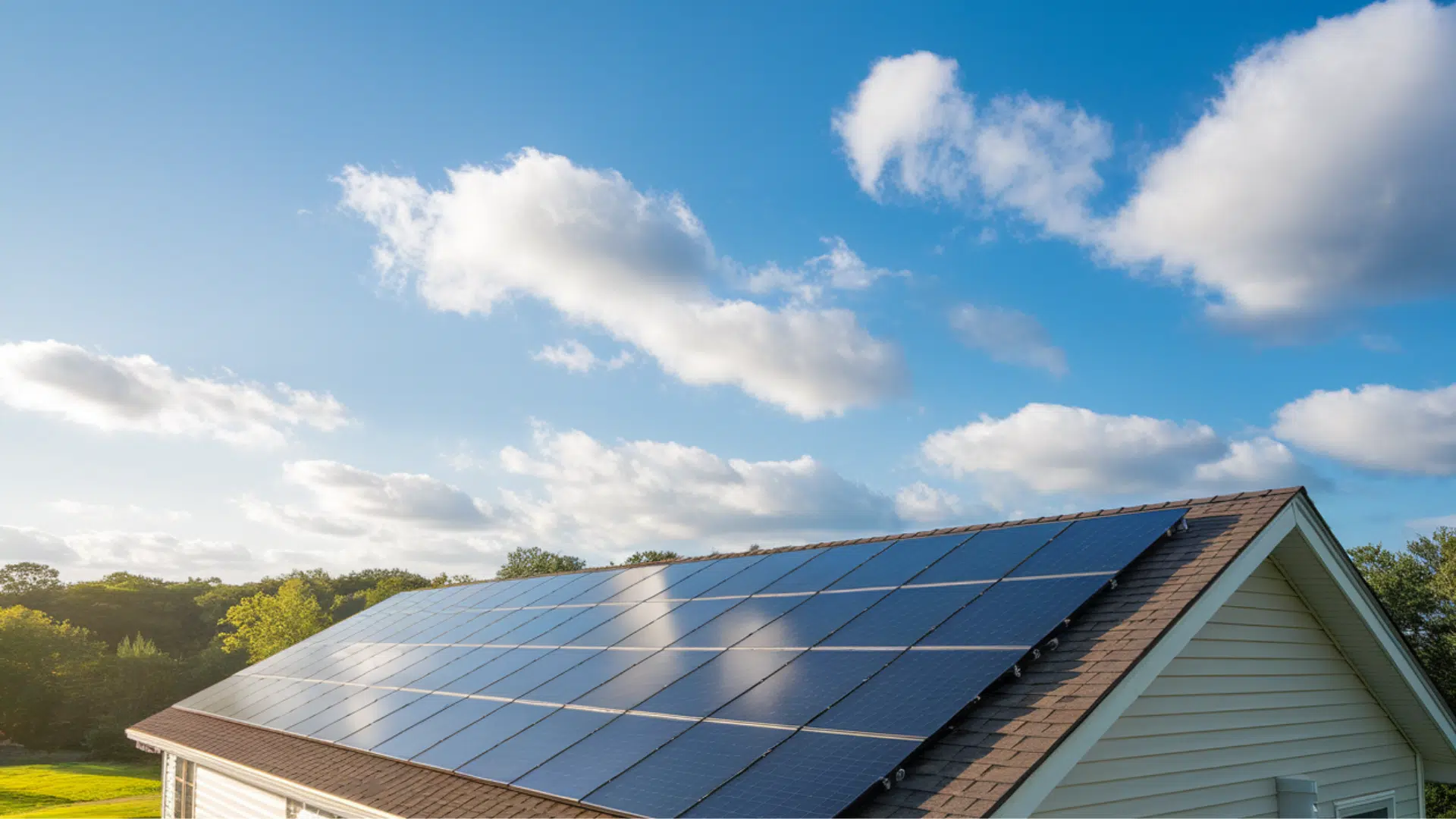
Once the system size is clear, the next question is how many panels that means.
Solar panels come in different power ratings, but many homes today use panels in the 350 to 400-watt range. The total number of panels depends on how much power each panel can produce.
To estimate panel count, the system size is converted into watts and divided by the panel wattage.
Formula: Number of Panels = System Size (Watts) ÷ Panel Wattage
Example:
6 kW × 1,000 = 6,000 watts
6,000 ÷ 400 = 15 solar panels
Roof space also matters. If the roof is small or shaded, fewer panels may fit, which can limit system size.
How Sunlight in Your Location Changes System Size
Solar panels make more power in places with strong, steady sunlight. Homes in sunny states need smaller systems than homes in cloudy areas.
- More sun hours = smaller system: Panels in sunny locations produce more power each day, so fewer panels are needed.
- Fewer sun hours = larger system: In areas with more clouds or shorter days, the system must be bigger to make the same energy.
- Seasonal changes matter: Winter usually means less sunlight, which lowers solar output.
- Roof direction and tilt help or hurt: South-facing roofs with good tilt collect more sunlight.
Sunlight is a big reason why two homes with the same usage can need different system sizes.
Solar System Size Examples for Common Homes
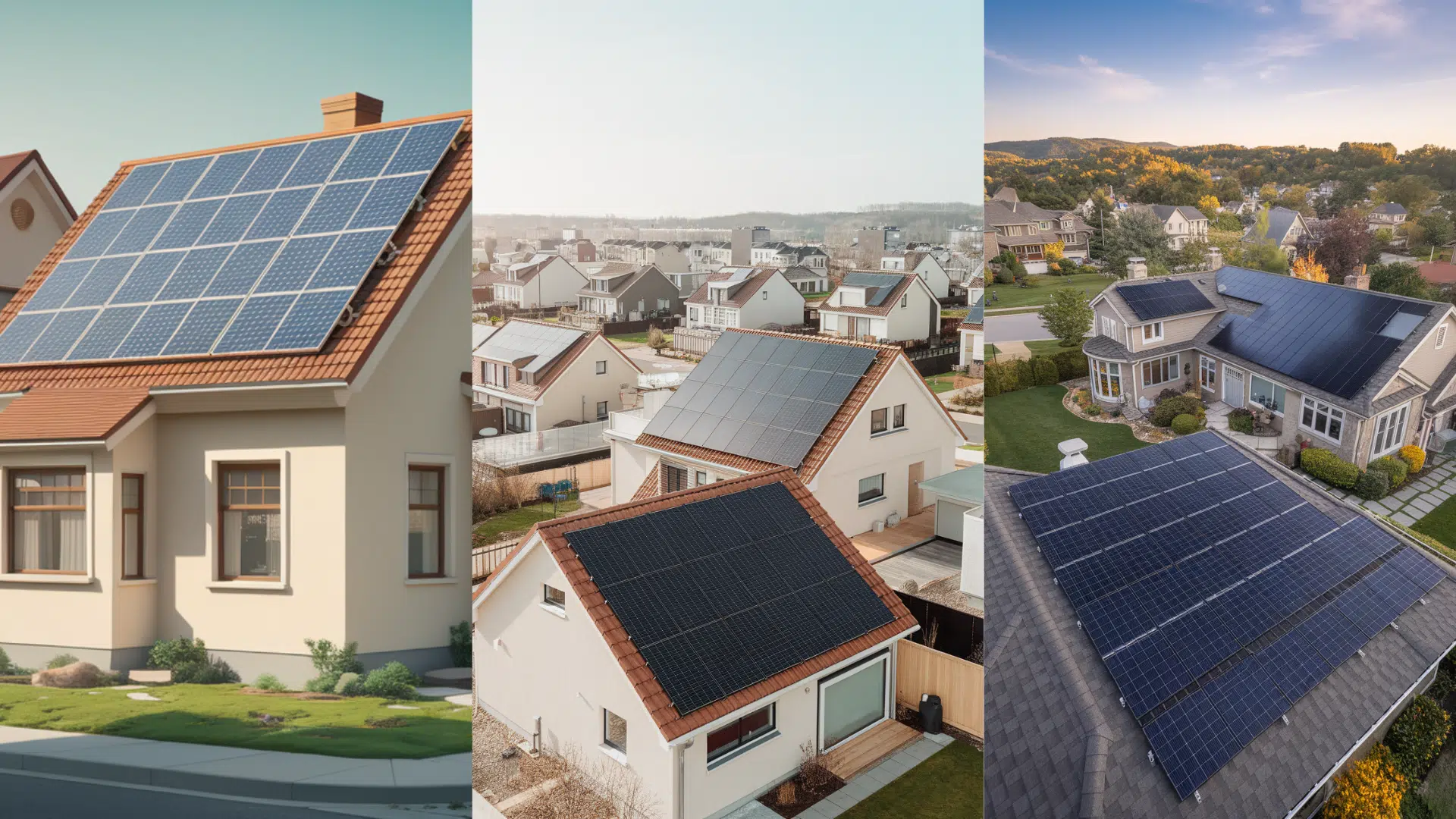
Real examples make it simpler to understand how solar sizing works in daily life.
Example 1: Small to Average Energy Use Home
Homes in this range often use electricity carefully and rely on efficient appliances. A smaller solar system can still cover a large part of the power needs. These systems usually fit well on limited roof space and cost less upfront.
They work well for apartments, townhomes, or smaller single-family homes. This setup is often chosen by homeowners starting with solar for the first time.
Example 2: Average Family Home
This is common for families running multiple appliances every day. The solar system size here balances energy savings and roof space.
It can cover most or all daily power needs when designed well. These homes often benefit from good roof layout and minimal shading. This is one of the most popular solar system sizes installed today.
Example 3: High Energy Use Home
Larger homes or homes with heavy energy use fall into this group. These systems are bigger and need more roof space to work well. They are often designed to handle multiple AC units or frequent appliance use.
Planning is important to avoid undersizing the system. These homeowners usually focus on long-term savings and full energy coverage.
Do Batteries, EVs, or Future Needs Change Solar Size?
Yes, these additions can change how big a solar system needs to be. Planning ahead helps avoid resizing or adding panels later.
| Future Need | How It Affects Solar Size | Why It Matters |
|---|---|---|
| Battery Storage | May need a larger system | Extra panels help keep the battery charged |
| Electric Vehicle | Increases energy use | EV charging adds daily power demand |
| Home Electrification | Raises total kWh use | Electric heaters and stoves use more power |
| Growing Family | Higher future usage | More people usually means more energy use |
Thinking ahead keeps the system ready for future changes. A slightly larger system now can save time and money later.
Quick Checklist to Size Your Solar System
This checklist helps pull everything together so you don’t miss anything important. It’s a fast way to feel prepared before talking to a solar installer.
- Gather electricity bills: Look at several months to understand average energy use.
- Decide your solar goal: Choose whether solar should cover part or most of the power needs.
- Check roof space and condition: Make sure there is enough room and the roof is in good shape.
- Think about future changes: Plan for EVs, batteries, or added appliances.
- Note shade and roof direction: These can affect how much power panels can make.
Conclusion
Choosing the right solar system size doesn’t have to feel confusing or stressful. Once energy use, sunlight, roof space, and future plans are clear, the right system becomes much easier to estimate.
Solar works best when it matches real needs instead of guesses. A well-sized system can lower bills, improve energy control, and avoid costly changes later.
If you want a more accurate estimate, I recommend gathering your recent electricity bills and your ZIP code.
Use that information to get a personalized solar size estimate or talk with a trusted solar professional to move forward with confidence.