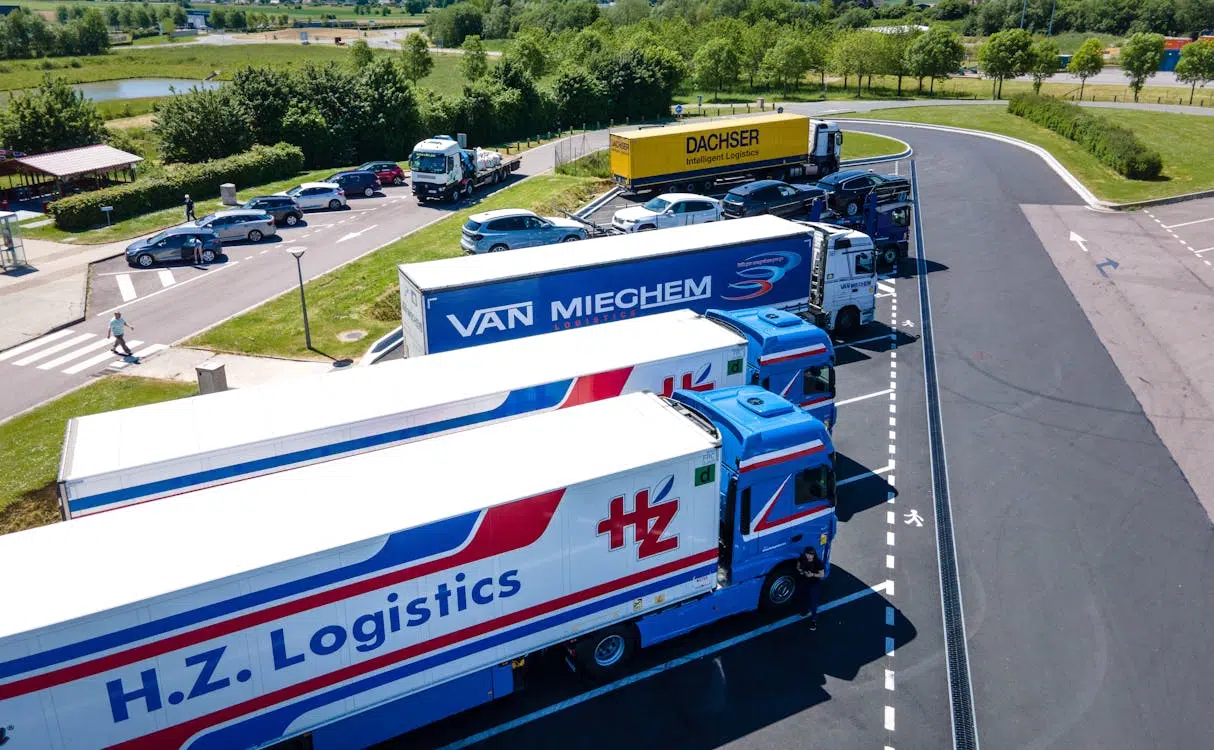
If you’ve ever driven past one and wondered what weigh stations are for, you’re not alone.
Most people assume they’re just roadside traps for trucks, built to catch someone doing something wrong. Others think they exist mainly to hand out fines, or that they operate randomly without a clear reason.
The reality is more practical than that. Weigh stations are part of a larger system designed to protect highways, bridges, and the people using them every day.
Today, I’ll clear all that up. Once you understand how truck weight affects both infrastructure and vehicle performance, their role starts to feel a lot more logical.
Let’s begin with the foundation.
What is a Weigh Station on the Highway?
A weigh station is a state-operated checkpoint placed along major highways. Its purpose is to monitor commercial vehicles, especially large trucks, to ensure they meet legal weight and safety requirements.
Passenger cars and small personal vehicles usually pass without stopping. These stations are built around commercial traffic because those vehicles carry heavy cargo and operate under a different set of rules than everyday drivers.
At a practical level, a weigh station serves three core functions:
- Verifies vehicle weight
- Performs safety inspections
- Checks required documents and permits
It helps to be clear about what it is not. A weigh station is not primarily a revenue checkpoint. Violations can lead to fines, but the main goal is prevention.
The system is meant to reduce damage and safety risks before they turn into breakdowns, crashes, or structural failures. It’s closer to a screening process than a trap.
Why Do Trucks Have Weight Limits in the First Place?
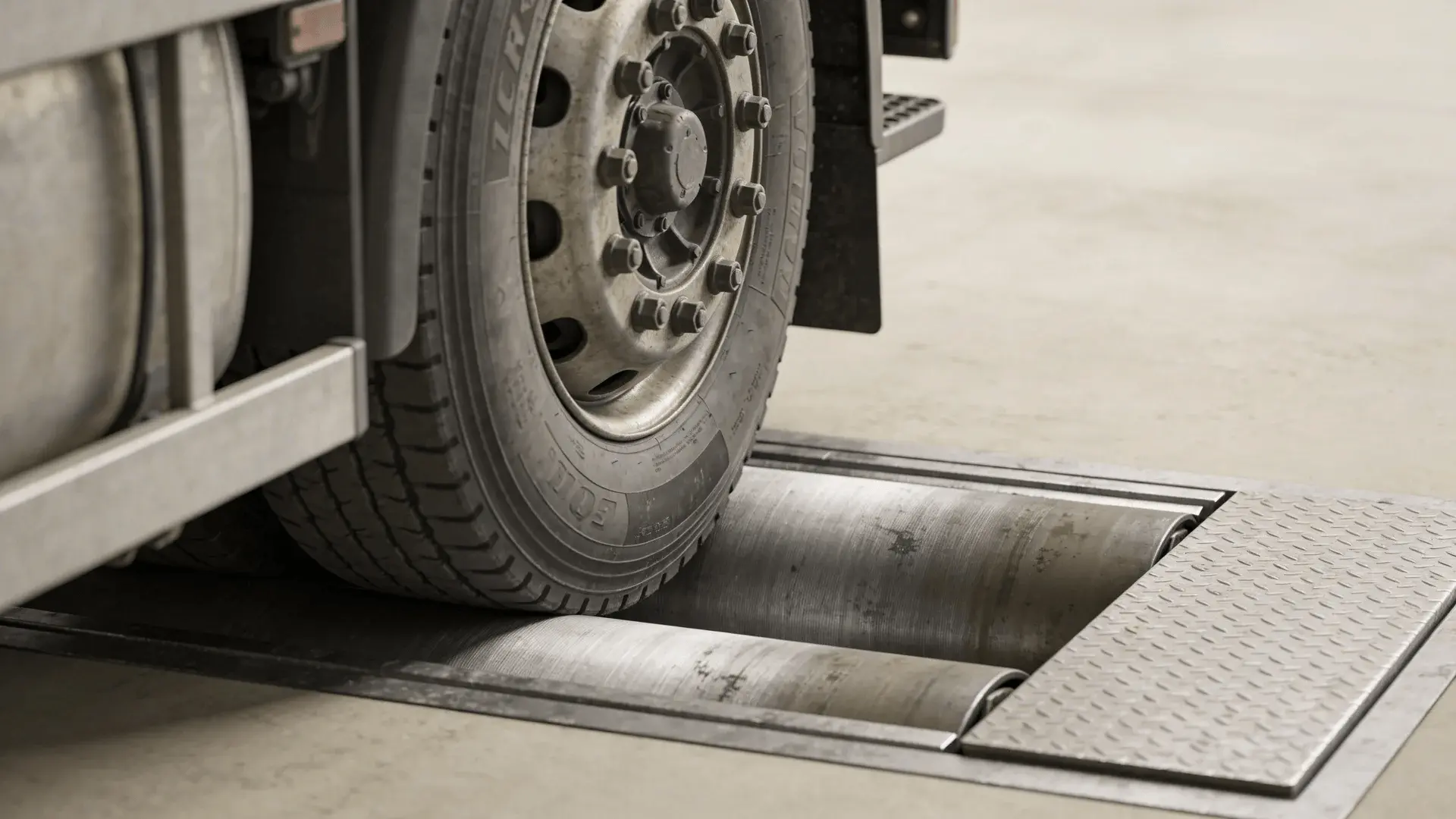
Roads and bridges are engineered to handle specific loads. When a heavy truck travels over pavement, the impact isn’t only about total weight. What matters just as much is how that weight is distributed across the vehicle.
There are two measurements that shape enforcement:
- Gross vehicle weight, which is the total weight of the truck and everything it carries
- Axle weight, which is the load placed on each individual axle
Axle weight is often the critical factor. A truck might fall within legal total weight but still violate limits if too much force rests on one axle. That concentrated pressure increases stress on the pavement beneath it.
The mechanism works like this:
Heavy axle load → increased pavement stress → faster cracking and structural fatigue.
Damage does not rise in a smooth, even line as weight increases. It rises sharply. A modest increase in axle load can create disproportionately higher wear on the road surface.
Bridges operate under similar principles. They are rated for certain load limits and repeated stress. Over time, excess weight accelerates fatigue in beams, joints, and support structures, even if nothing looks wrong from the outside.
There is also a cumulative effect. One overweight truck may not cause visible harm, but thousands of trips over months and years add up. Repairs happen sooner. Maintenance costs rise. The structure ages faster than intended.
A common assumption is that if a road can handle one heavy truck, it can handle any weight safely. Materials don’t behave that way.
Pavement and structural components deteriorate more quickly when loads exceed design limits, especially when the excess weight is concentrated rather than evenly distributed. Weight limits exist to manage that long-term strain.
How Overweight Trucks Increase Safety Risks
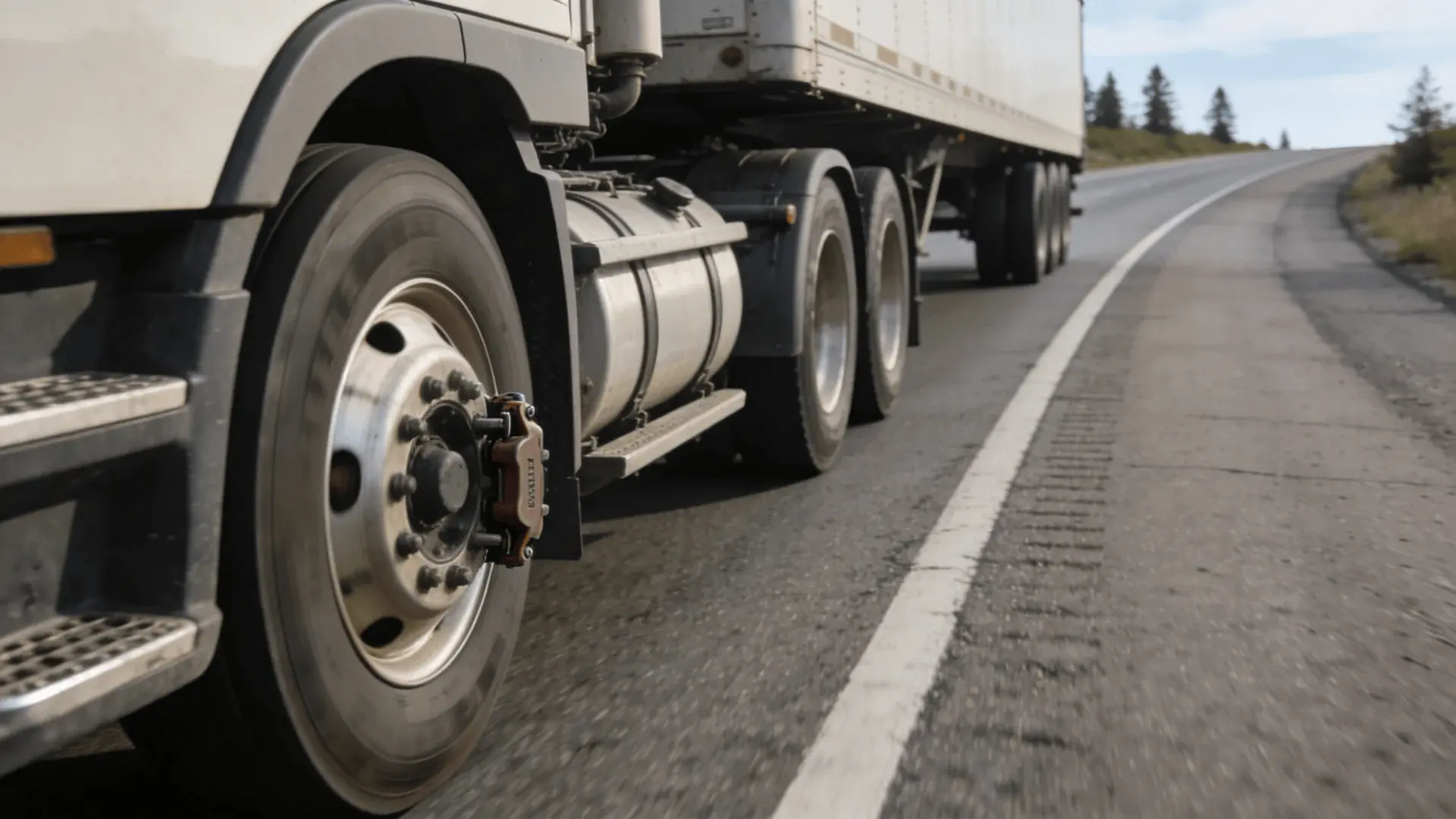
Infrastructure is only part of the picture. Safety is the other half. When a truck carries more weight than it was designed for, several mechanical stresses increase at the same time.
- Stopping distance: Heavier vehicles carry more momentum, so even when brakes work properly, they need more distance to slow down.
- Brake strain and heat: Braking creates heat, and extra weight increases that heat buildup. Too much heat reduces braking efficiency and can lead to brake failure in extreme cases.
- Tire overload risk: Every tire has a rated load capacity. When that limit is exceeded, internal stress rises and the chance of a blowout increases, especially at highway speeds.
- Cargo balance and rollover: Extra weight increases the force on straps and restraints. If weight is unevenly distributed, sudden turns or lane changes can raise rollover risk.
The chain looks like this: Overweight → greater momentum and system strain → higher mechanical stress → increased failure risk.
It’s easy to assume overweight trucks only damage roads. That leaves out how tightly vehicle systems are engineered around expected weight ranges. Exceed those limits and every component works harder than intended.
Risk also varies by condition. A slightly overloaded truck on flat terrain may show no immediate warning signs. The same truck descending a steep grade with hot brakes faces much higher danger. Terrain, temperature, and load distribution all shift the level of risk.
Weight enforcement keeps those variables within manageable bounds.
What Actually Happens at a Weigh Station?
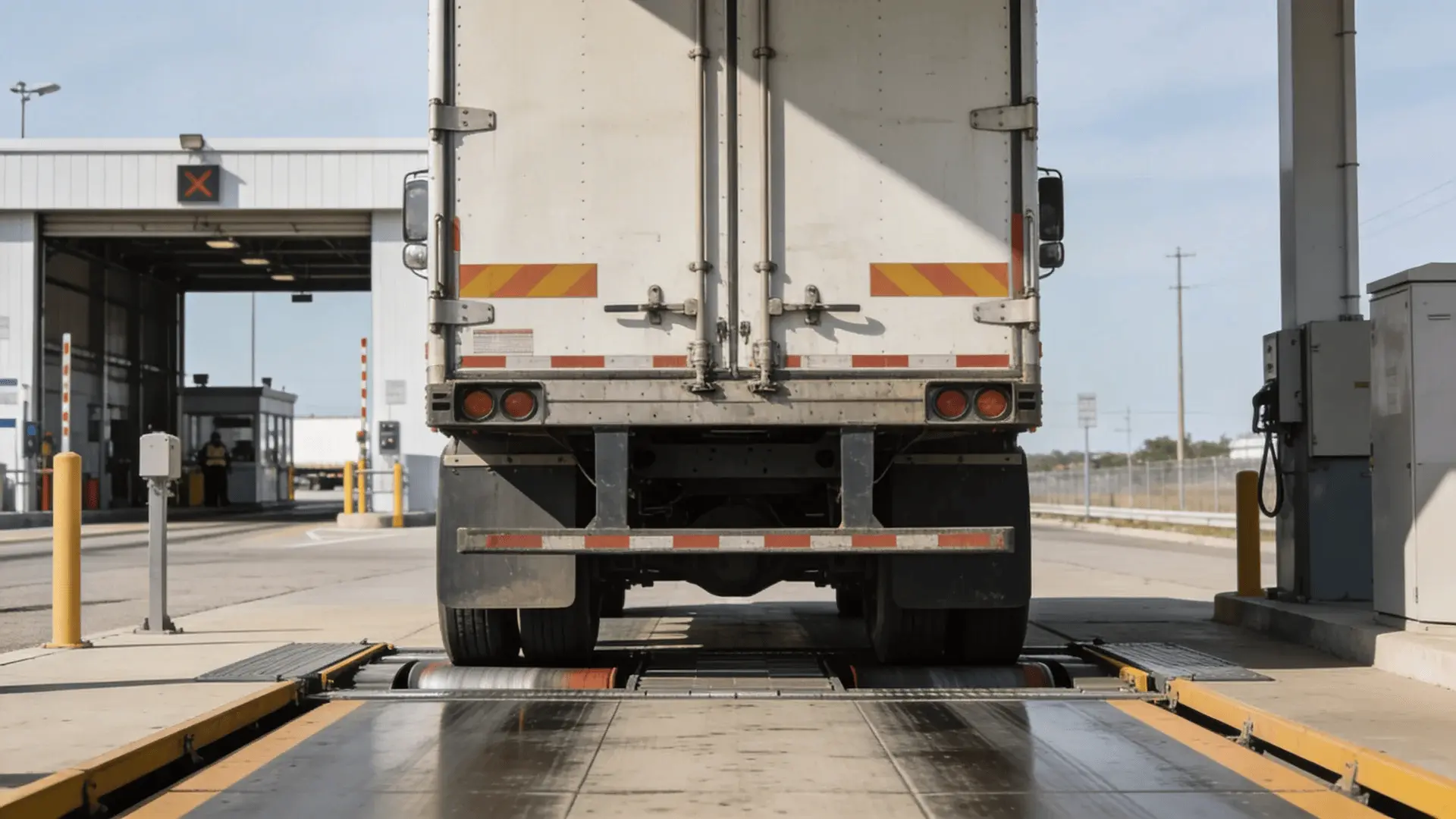
From the driver’s perspective, the process often looks routine. Behind the scenes, it follows a structured flow. Here’s a clear breakdown:
1. Initial Approach and Signage
Drivers see advance signs alerting them that a weigh station is ahead. Those signs instruct commercial vehicles whether they must enter.
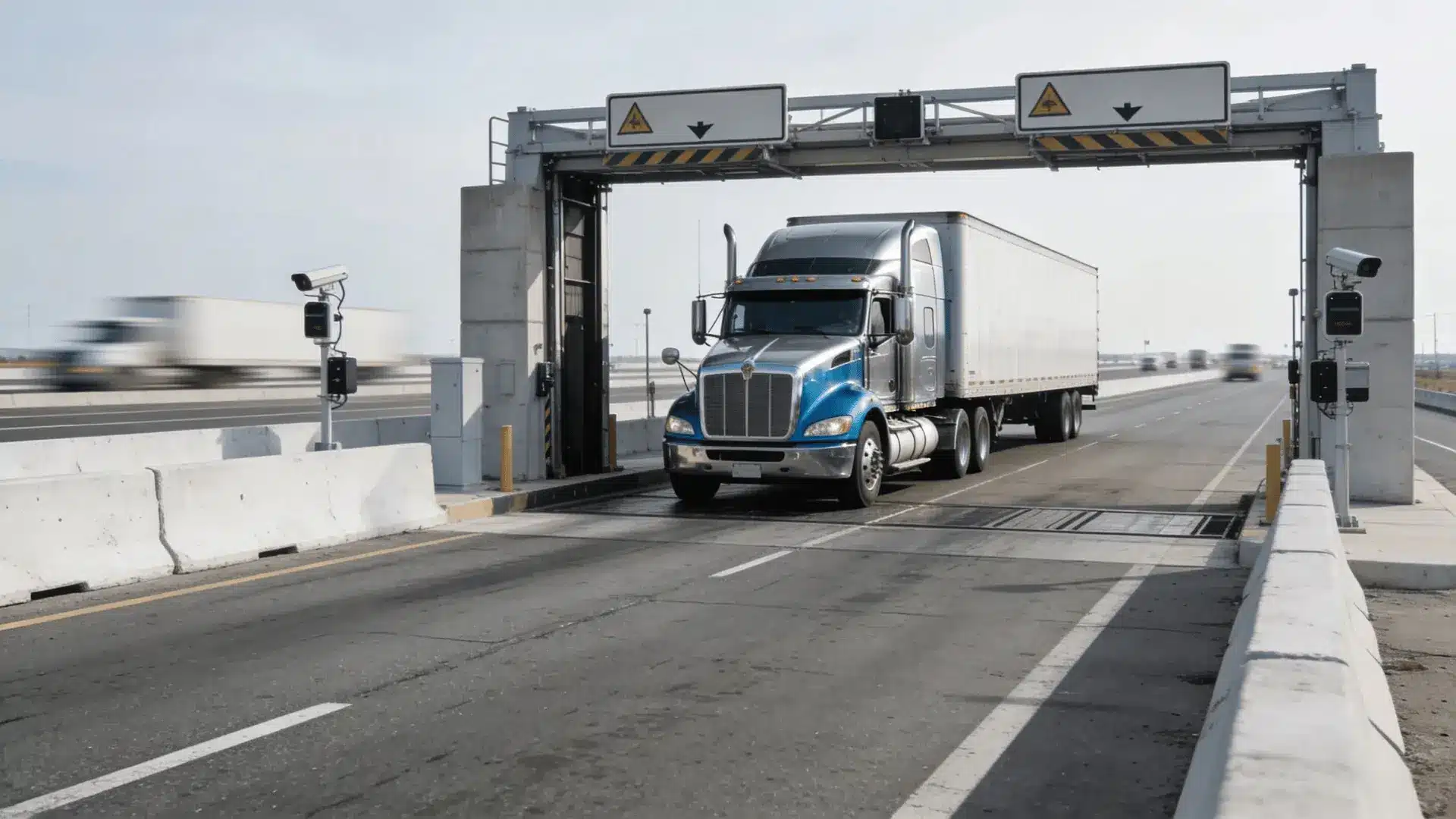
Some facilities use weigh-in-motion systems built into the roadway. These measure weight as trucks roll over them at controlled speeds. Others rely on static scales where trucks stop completely for measurement.
Not every truck pulls in every time. Instructions depend on signage, operating status, and current enforcement activity.
2. The Weighing Process
Once positioned on the scale, two measurements are taken:
- Total gross weight
- Axle-by-axle weight
Axle readings are especially important because uneven distribution can overload a specific axle even if the total weight appears legal.
If measurements fall within limits and nothing unusual appears, the driver may be cleared quickly. If readings raise concern, the truck can be directed to a secondary inspection area.
3. Secondary Inspection
Being sent to secondary inspection does not automatically mean a violation. It simply means a closer look.
Triggers may include:
- Weight exceeding limits
- Irregular axle distribution
- Random inspection selection
- Visible equipment concerns
Inspectors may review:
- Brakes
- Tires
- Lights
- Load securement
- Permits and registration
In practice, many vehicles are processed efficiently when they meet standards. Detailed inspections are selective and targeted. The system is built to screen traffic, not to delay every driver.
Which Vehicles are Required to Stop?
Not every large vehicle has to enter a weigh station. The requirement depends on how the vehicle is classified and how it’s being used.
- Commercial vehicles: Weigh stations primarily apply to vehicles used for business purposes to transport goods or passengers for compensation.
- Weight threshold reference: Many regulatory frameworks use a threshold around 10,000 pounds as part of determining whether a vehicle falls under commercial oversight.
- Large semi-trucks: These clearly meet commercial definitions and are typically required to stop when stations are open and signage directs them in.
- Box trucks and delivery vehicles: Smaller commercial trucks may also qualify, depending on their weight and how they are being used.
- Personal passenger vehicles: Standard cars and SUVs usually continue past weigh stations without stopping.
- Personal RVs and motorhomes: These often do not need to stop unless specifically directed by law enforcement.
- Officer discretion: If an officer signals a vehicle to enter, the driver is expected to comply, even if the vehicle would not normally be required to stop.
In short, the rule is based on commercial classification and vehicle use, not just size or appearance.
Why Enforcement Happens at Checkpoints Instead of Random Stops
It might seem simpler to weigh trucks wherever they are pulled over. In practice, that approach has limits.
Accurate truck scales are large, fixed installations that require proper foundations and regular calibration. They are engineered facilities, not portable roadside tools in most cases.
Checkpoints allow agencies to screen high volumes of traffic in a controlled environment. Instead of stopping trucks individually across miles of highway, vehicles enter a single facility designed specifically for weight and safety checks.
This structure supports:
- Efficient use of personnel and equipment
- Organized inspection flow
- Consistent data tracking and compliance monitoring
Centralized stations also make long-term oversight possible. Agencies can identify repeat violations, observe patterns, and maintain consistent enforcement standards over time.
While roadside enforcement does occur in some situations, it is less efficient and often less precise than using dedicated facilities.
Weigh stations exist because they provide accuracy, consistency, and scale in managing commercial traffic.
Wrapping Up
Weigh stations are structured checkpoints designed to manage heavy commercial traffic in a way that protects infrastructure and reduces mechanical risk.
Weight limits help slow the wear on roads and bridges. They also keep trucks operating within the limits their braking systems, tires, and frames were built to handle.
The next time you pass one, it won’t look like a mystery building on the shoulder. It’s part of a broader system working quietly to keep highways functional and safer for everyone using them.
Want to understand more about how roads and commercial vehicles work? Check out other guides on the website and keep exploring.