Relocating to a historic city can feel like stepping into a beautiful place that was never designed for modern life. Boston’s character comes from old streets, classic brick facades, and neighborhoods shaped long before today’s furniture sizes and delivery trucks. That charm is real, but it also creates friction on moving day. You can face tight lanes, strict curb rules, steep staircases, and interiors finished with materials that do not respond well to bumps, dragging, or rushed handling.
The smoothest relocations happen when the plan matches the reality of the city. Instead of treating the day like a simple load-and-go, experienced teams treat it like a controlled operation with backup options. That is why many residents lean on the Boston movers offers through established providers who understand how historic areas function and how to work within their limits without turning the day into a messy scramble.
Narrow Streets and Historic Road Patterns That Complicate Truck Access
Boston’s older neighborhoods can feel like they were built to challenge large vehicles. Tight corners, one-way streets, limited turning space, and streets that suddenly narrow near intersections can create situations where a truck cannot safely reach the front door. Even when the address is correct, the approach can be tricky, especially if delivery zones, bus stops, or emergency lanes are reduced where a vehicle can stop.
Experienced crews treat navigation as part of the move itself, not a quick drive between addresses. They plan an approach path, confirm workable staging zones, and choose a curb strategy that reduces risk. If a full-size truck is unrealistic for a particular block, they may use smaller vehicles or shuttle methods so the move continues without creating traffic backups, blocking neighbors, or forcing frantic reroutes that burn time and energy.
Parking Rules, Reserved Space, and the Reality of Curb Competition
In dense neighborhoods, curb space is not a convenience; it is a resource everyone competes for. Without a reserved loading area, the truck may end up far away, and every extra step turn into extra labor and faster fatigue. Boston’s signage can also be tricky, with restrictions that vary by street, time of day, and neighborhood. A spot that looks legal can become a ticket situation quickly when enforcement is active.
Professionals solve this by treating curb access as a key part of the schedule. They encourage clients to think about reservation timing, loading duration, and what the street realistically allows. They also plan the flow of loading so the crew works efficiently within the legal window. This protects the timeline and avoids wasted labor, because even the strongest team cannot stay efficient if everything must be carried farther than expected.
Tight Staircases, Sharp Turns, and Walk-Ups with No Mercy
Historic buildings often come with narrow stairwells, steep steps, low ceilings, and tight landings that challenge modern furniture. Even when an elevator exists, it may be small, slow, or restricted by management rules that limit when it can be used. A couch that looks “normal sized” in a showroom can feel oversized when it has to pivot around a tight turn with a handrail and a low ceiling working against you.
Professionals reduce this problem by measuring and planning before heavy lifting begins. They know when disassembly is the smarter choice, and they arrive prepared to remove legs, detach frames, and keep hardware organized for clean reassembly. They also protect stairs and walls with appropriate coverings, then rely on controlled movement and clear communication so large pieces glide through difficult angles instead of scraping, jolting, or damaging both the item and the building.
Fragile Interiors and Older Materials That Are Hard To Repair
Many older homes have plaster walls, ornate trim, aged hardwood, and vintage doors that look beautiful but do not forgive mistakes. A single impact can create cracks or dents that are difficult to patch, especially when the finish is old, and color matching is never perfect. Even light scuffing can stand out in a space where details were crafted with care and, in many cases, preserved for decades.

Professionals treat these interiors like preservation work. They lay floor runners along heavy-traffic paths, pad corners and railings, and protect door frames where furniture tends to catch. Just as important, they manage the flow so boxes do not pile up in narrow hallways and create bottlenecks. When pathways stay clear, the risk drops because nobody is forced to twist around clutter and accidentally clip walls or trim.
Building Management Rules, Insurance Requirements, and Narrow Move Windows
In historic districts, many properties are managed tightly, especially condos and multi-unit buildings. It is common to see requirements like proof of insurance, elevator reservations, specified move hours, and instructions for protecting hallways and lobbies. If these expectations are missed, a move can slow down fast or pause entirely while staff checks paperwork or enforce policies that were shared in advance.
Professionals handle this by coordinating with building staff early and structuring the schedule around those rules. They plan arrival times to match elevator slots, bring protective materials for shared spaces, and work efficiently inside the approved window. This matters because time restrictions change everything: when the move must be done by a certain hour, every delay becomes expensive and stressful, and organization becomes the difference between finishing smoothly and rushing at the end.
Low Clearances, Restricted Routes, and the Surprise Detour Problem
Historic cities often have infrastructure that creates vehicle limitations. Low clearances, restricted roadways, and tight approaches can turn an otherwise simple trip into a careful navigation exercise. The worst moment to discover a clearance issue is when the truck is already loaded, because detours add time, increase stress, and can push a schedule into a parking or elevator deadline.
Professionals avoid this by selecting routes with truck realities in mind and relying on drivers who understand local trouble spots. They also plan arrival timing carefully, since congestion can make even a short distance feel unpredictable. By reducing route surprises, they protect momentum, and momentum matters because fatigue builds quickly during long carries and stair runs, which is when accidents and damage are most likely.
Boston Weather and Seasonal Conditions That Change Everything
Weather is not background noise in the Northeast; it is a real factor that influences safety and protection needs. Rain makes stairs slippery and increases the chance of tracking moisture through hallways. Exterior steps become dangerous due to snow and ice, particularly in areas with steep entrances and older stone surfaces. During loading and unloading, heat and humidity can also have an impact on some items, especially upholstered items that absorb moisture?
Experts react with useful tools and pacing decisions. They provide additional coverings that keep floors drier and safer, traction aids, and weatherproof wrapping. Additionally, they plan the sequence so that delicate pieces move at the appropriate time and modify staging to prevent items from being left exposed for longer than necessary. In challenging situations, safety, protection, and consistency are more important than raw speed, so seasoned teams move with steady control rather than hurrying and risking slips.
Peak Moving Periods, Crowd Pressure, and the “Everyone Is Relocating” Effect
Boston has demand spikes that can feel intense, especially when lease cycles and student transitions overlap. During high-volume periods, neighborhoods can look like a coordinated shuffle, with multiple trucks, blocked curbs, and elevators booked back-to-back. On those days, even small delays can create chain reactions, because access becomes limited and the street outside becomes more chaotic than usual.
Professionals manage peak pressure through smarter scheduling and tighter logistics. They often recommend earlier starts, firm confirmations of curb access, and clear staging plans that keep hallways from clogging. They also assign roles so the workflow stays organized even when the outside scene is unpredictable. When the block feels hectic, a well-run crew becomes the stabilizing element that keeps the move from turning into a stressful, stop-and-start experience.
Heavy Lifting On Old Stairs and Why Technique Matters More Than Strength
Stairs in older buildings can be steep, uneven, and narrow, which raises both safety and property risks. Carrying a heavy dresser up a tight staircase is not only physically demanding, but it is also dangerous if the item shifts or if a step is worn down. A simple slip can cause injury, damage the banister, and derail the rest of the day’s plan, especially if the crew must stop to address damage or regroup.
Professionals protect people and property by using proven handling methods and appropriate equipment. They use straps, specialty dollies, and team coordination that keeps the weight controlled during turns and landings. This is also where professional movers in Boston residents hire stand out, because technique matters: controlled angles, clear commands and steady pacing prevent sudden shifts that lead to injuries and damaged interiors.
Packing For Heirlooms, Antique Pieces, and Items That Deserve Extra Respect
Historic homes often contain items that match the setting, including antique mirrors, solid wood furniture, artwork, china, and family pieces with deep sentimental value. These belongings can be heavy, delicate, or shaped in ways that do not pack neatly. Poor packing can cause internal stress cracks, chipped edges, or impact damage that you only notice after everything is already in the new space.
Professionals protect these items through structured packing and smart placement in the truck. They use protective materials that prevent shifting, reinforce weak points, and separate fragile pieces so they do not collide. They also load strategically, balancing weight and stabilizing the interior so movement during transit stays minimal. That attention to placement is a big reason heirlooms arrive intact, even when roads are uneven, and traffic patterns cause frequent stops.
Timing, Long Carries, and the Hidden Cost of Inefficient Flow
In historic neighborhoods, time gets lost in sneaky ways. If the truck cannot park close, every box becomes a long carry. If stairs are tight, each trip takes longer. If a building has a limited move window, you have to work within a strict schedule. When people underestimate these realities, they often feel blindsided by how quickly energy drops and how small delays start stacking into bigger problems.
Professionals reduce time loss by building the plan around efficiency. They stage items intentionally, keep labeling clear, load in the right sequence, and assign tasks so the flow stays consistent. Many also recommend using a local moving company in Boston, MA residents trust for dense neighborhoods, because local crews typically understand how to keep momentum in areas where access is tight, and timing is everything.
Conclusion
Moving in a historic city like Boston is a blend of planning, access management, and careful handling. Narrow streets, strict curb rules, older interiors, and steep staircases create real obstacles, but they are manageable when the move is treated like a coordinated process instead of a rushed scramble. The smoothest transitions come from measuring early, protecting surfaces, working within building rules, and using safe techniques for heavy pieces in tight spaces.
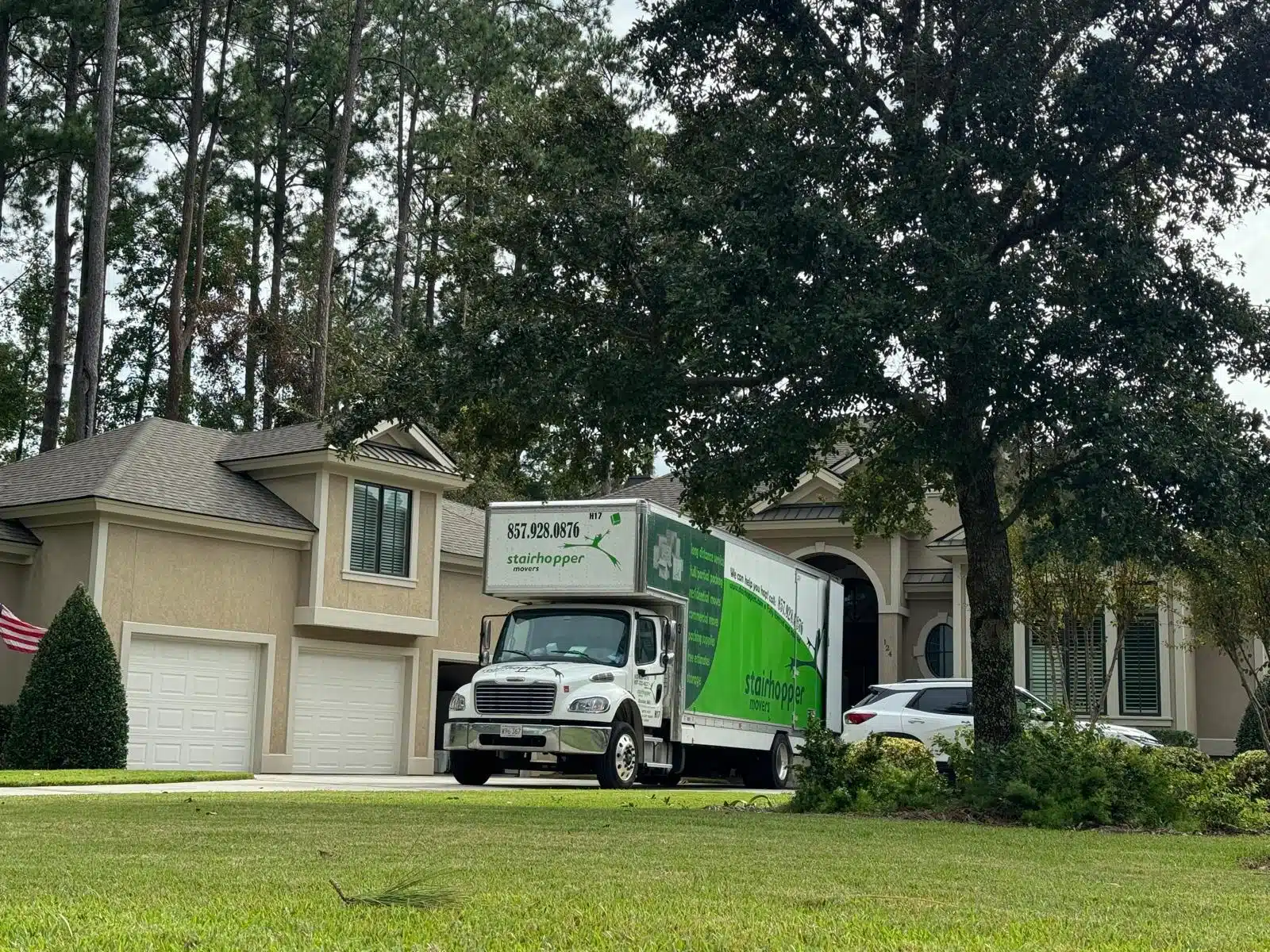
For anyone who wants experienced help with these historic-city realities, Stairhopper Movers is a strong option to consider. They are positioned to handle challenging staircases, dense neighborhoods, and the practical details that often decide whether a move feels controlled or stressful, and their team’s approach can help people transition into Boston-area homes with less disruption and fewer surprises.
Frequently Asked Questions
Question: Why do historic Boston neighborhoods make relocation harder?
Answer: Older neighborhoods combine narrow streets, limited curb access, and buildings with tight staircases. Those conditions increase carry distance and slow loading. Many interiors also include plaster, aged wood, and delicate trim that require extra protection. Planning and controlled handling matter more because quick improvisation often leads to delays or costly damage.
Question: Do people need parking reservations for a truck in Boston?
Answer: Often, yes, especially in dense areas with heavy competition for curb space. If the vehicle cannot park close, labor time increases, and schedules slip. Some streets have strict restrictions that make “finding a spot” unreliable. Securing access early reduces ticket risk and helps keep the day organized.
Question: How do professionals handle narrow stair turns with large furniture?
Answer: They assess fit first, and then choose the safest method before lifting. Disassembly is common, such as removing legs or detaching frames. Crews protect walls, rails, and steps, and then use controlled tilting and clear communication. This reduces scraping, prevents sudden shifts, and lowers the chance of damage.
Question: What protection is used for old floors and delicate trim?
Answer: Floor runners cover high-traffic paths, and padding is used on corners, rails, and door frames. Furniture is wrapped so sharp edges do not catch trim. A clean flow also matters because cluttered hallways increase bump risk. Protection works best when pathways stay clear, and movement stays organized.
Question: What building rules can affect a move in older condos or walk-ups?
Answer: Common requirements include insurance proof, elevator reservations, limited move hours, and protective coverings for lobbies and hallways. Some properties also specify where trucks may stage. Missing these rules can cause delays or disputes. Coordinating early keeps the move compliant and reduces last-minute interruptions.
Question: What if a truck cannot access the street near the property?
Answer: Crews may use smaller vehicles, shuttle loads from a nearby staging point, or choose a legal zone that reduces risk and distance. The key is planning for realistic access rather than forcing a large truck into a tight block. Smart staging protects timing and reduces disruption.
Question: How much does the weather affect moving in Boston?
Answer: The weather can change safety and protection needs quickly. Rain and ice increase slip risk and make floor protection more important. Moisture can also affect upholstered items if exposed for too long. Experienced teams use coverings, traction aids, and controlled pacing to keep people safe and reduce damage risk.
Question: Why can a short-distance move still take a full day in the city?
Answer: Time loss often comes from long carries, tight staircases, and limited loading windows. Each trip upstairs takes longer, and furniture may require disassembly. Parking challenges also add delay. The map distance may be short, but real access limits can make the workload much heavier.
Question: How should antiques or sentimental pieces be packed for transit?
Answer: Use strong boxes, internal padding, and wrapping that prevent shifting. Fragile pieces should be separated so they cannot collide. Heavy items should not sit on delicate ones. Careful placement in the truck reduces vibration and impact, which matters on uneven roads and during frequent stops.
Question: What steps help make a historic-city move more smoothly?
Answer: Measure large items, confirm curb access, and learn building requirements early. Clear pathways, label by room, and keep essentials separate. Plan realistic timing for stairs and carries. When the move is treated like a coordinated process, stress drops, and the day stays far more predictable.