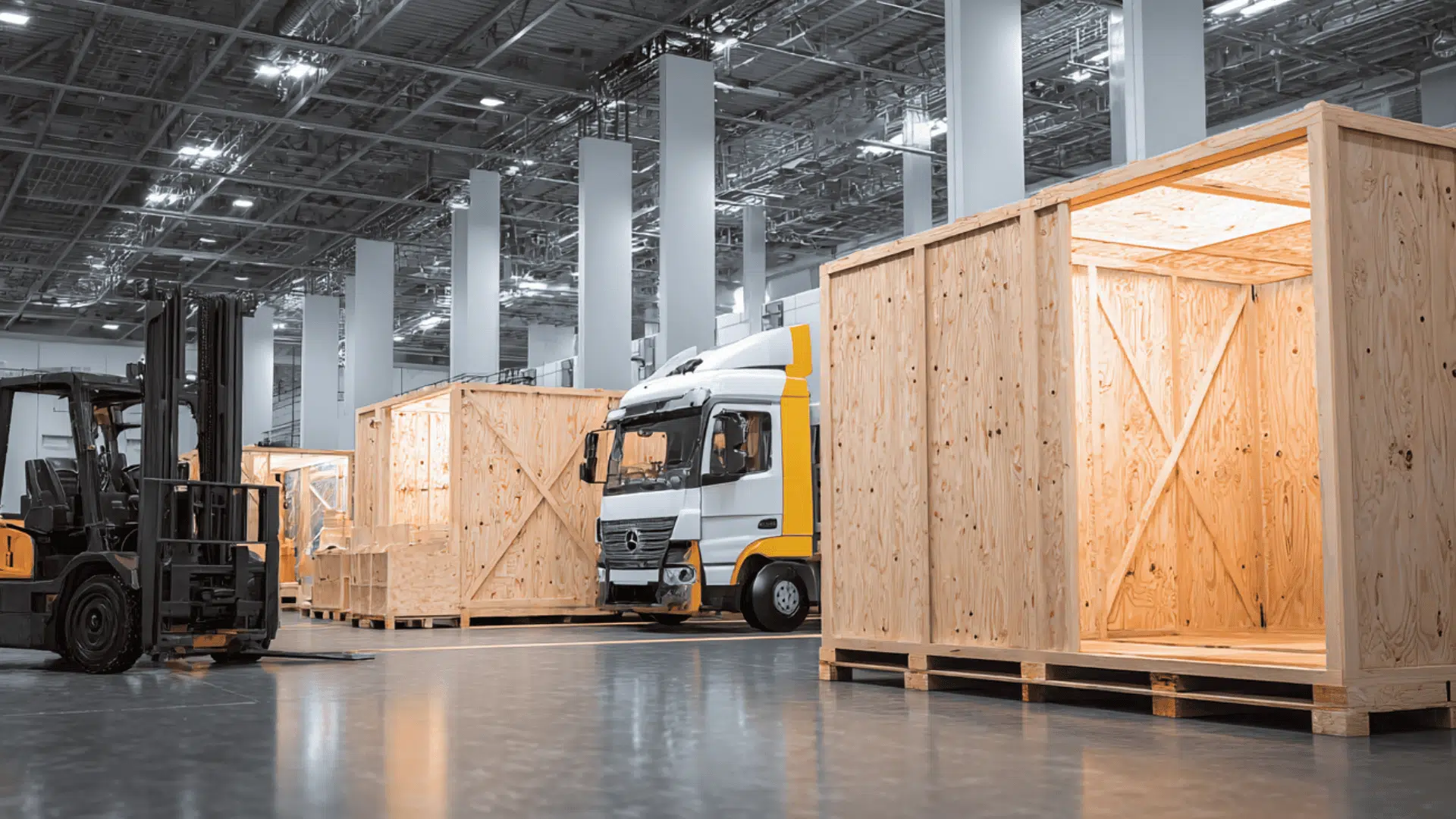
Heavy equipment transport represents one of the most complex segments of the logistics industry, requiring specialized knowledge of regulations, permits, and carrier selection. Whether you’re managing a construction site, agricultural operation, or industrial facility, understanding the fundamentals of machinery shipping can save significant time and cost while ensuring your valuable assets arrive safely.
The Growing Demand for Specialized Transport
The heavy equipment transport sector has evolved significantly over the past decade. With construction and infrastructure projects increasing nationwide, the need for reliable machinery shipping has become critical for project timelines and budgets. The global heavy equipment market continues to expand, driven by infrastructure development, mining operations, and agricultural mechanization. This growth has created corresponding demand for professional transport services capable of handling complex logistics challenges.
Modern construction projects often require equipment to move between multiple sites, sometimes across state lines or international borders. Agricultural operations face seasonal demands that require machinery repositioning. Industrial facilities undergo expansions and relocations that involve moving massive production equipment. Each scenario presents unique transport challenges that demand careful planning and execution.
Key Considerations Before Shipping
Before arranging transport for heavy machinery, several factors require careful attention:
Accurate Measurements: Precise dimensions and weight specifications determine trailer type, permit requirements, and route planning. Even small measurement errors can result in delays and additional costs. Measure your equipment’s height, width, length, and weight, including any attachments or accessories that will remain attached during transport. Document whether the equipment is operational, as this affects loading methods and transport options.
Equipment Preparation: Properly preparing machinery involves securing loose parts, disconnecting batteries, covering exhaust stacks, and ensuring all doors and attachments are fastened or removed as required. Remove or secure any detachable components that could shift during transport. Check hydraulic systems for leaks and ensure all fluid levels are appropriate. Clean the equipment thoroughly, as accumulated dirt can obscure inspection points and add unnecessary weight.
Permit Requirements: Equipment exceeding standard dimensions (typically over 8.5 feet wide or 13.5 feet tall) requires oversized load permits, which vary by state and route. Understanding these requirements early in the planning process prevents delays. Some states impose restrictions on oversized load travel during certain hours, days, or seasons. Holiday weekends and peak traffic periods often have additional restrictions that must be factored into scheduling.
Transport Methods Explained
Different machinery types require specific transport approaches. Flatbed trailers work well for standard-sized equipment, while step-deck and lowboy trailers accommodate taller machinery with lower ground clearance. Each trailer type offers distinct advantages depending on equipment specifications and route requirements.
Flatbed trailers provide the most straightforward loading and unloading process, with equipment driven or lifted directly onto the deck. Step-deck trailers feature a lower rear deck that accommodates taller loads while maintaining legal height limits. Lowboy trailers sit even closer to the ground, ideal for extremely tall equipment like cranes or drilling rigs.
For international shipments, methods like Roll-On/Roll-Off (RoRo) and Lift-On/Lift-Off (LoLo) offer distinct advantages depending on whether equipment is operational. RoRo shipping allows self-propelled machinery to be driven directly onto vessels, reducing handling complexity and potential damage. LoLo shipping uses cranes to lift non-operational or extremely heavy equipment onto ships, providing flexibility for equipment that cannot move under its own power.
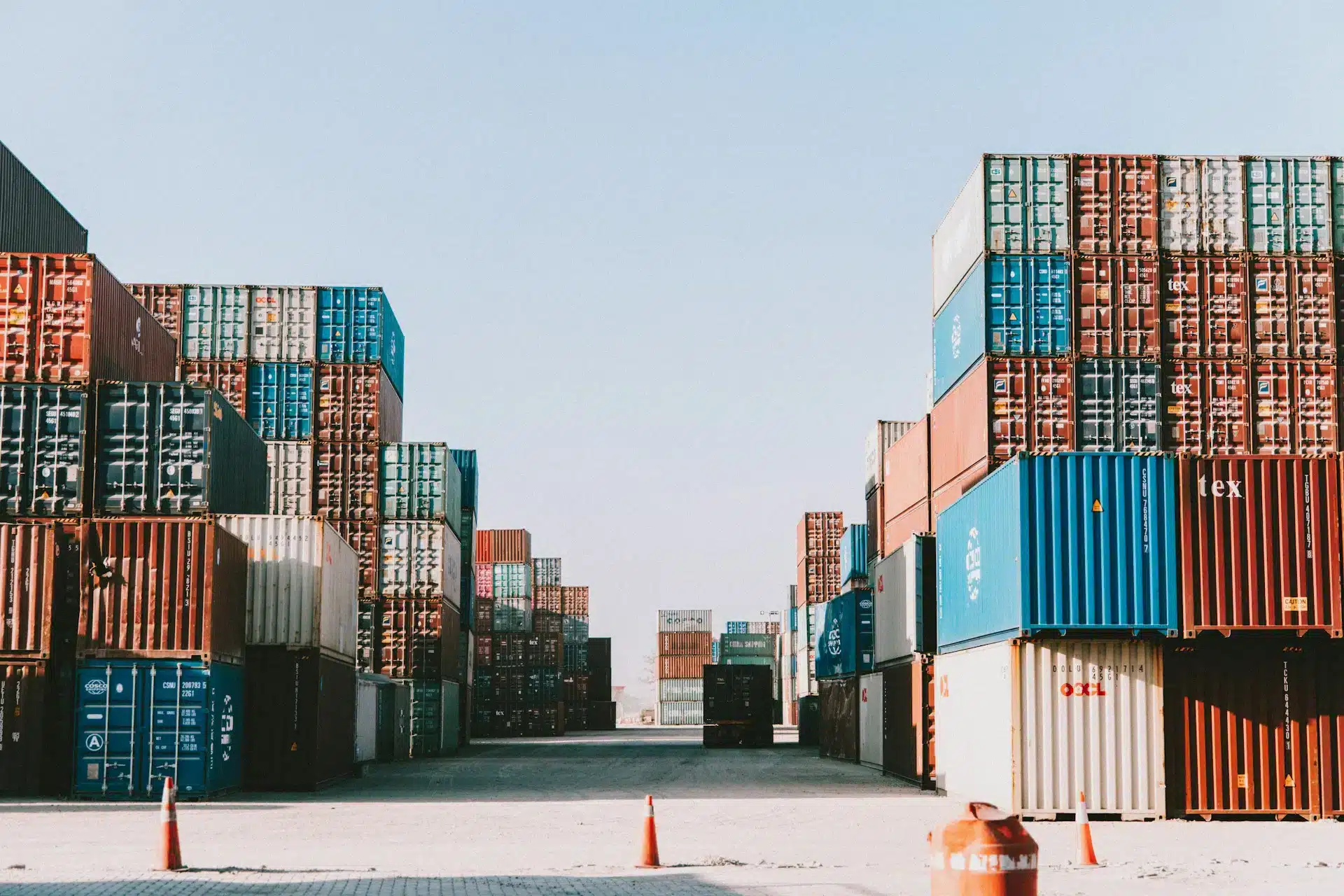
Container shipping offers another option for smaller equipment or components requiring weather protection. Flat rack containers provide open-air transport for oversized items that exceed standard container dimensions while still utilizing container ship infrastructure.
Insurance and Risk Management
Professional carriers maintain cargo and liability insurance as mandated by the Federal Motor Carrier Safety Administration. Understanding coverage limits and considering additional insurance for high-value machinery protects your investment throughout the transport process.
Standard carrier liability typically covers a specific dollar amount per pound of cargo, which may prove insufficient for expensive equipment. Supplemental insurance policies can bridge this gap, providing full replacement value coverage. Review your existing business insurance policies to determine what coverage may already apply to equipment in transit.
Document your equipment’s condition thoroughly before shipping. Detailed photographs from multiple angles, including close-ups of any existing damage, create a baseline for evaluating post-transport condition. This documentation proves invaluable should you need to file a damage claim.
Route Planning and Compliance
Successful heavy equipment transport requires advance coordination with local authorities, particularly for oversized loads. Route surveys identify potential obstacles like low bridges, narrow roads, or weight-restricted areas. Professional carriers conduct these surveys to verify that proposed routes can accommodate the load’s dimensions and weight.
Bridge clearances, power line heights, and road weight limits all factor into route selection. Some routes require temporary removal of traffic signals or street signs to accommodate tall loads. Urban areas present particular challenges with tight turns, overhead obstacles, and traffic congestion that complicate oversized load movement.
Some jurisdictions require pilot cars or restrict transport to specific hours. Pilot cars travel ahead of or behind oversized loads, warning other motorists and helping navigate complex intersections. Night transport may be mandated for certain routes to minimize traffic disruption, while other areas prohibit oversized loads during darkness for safety reasons.
State regulations vary considerably, and multi-state shipments must comply with each jurisdiction’s specific requirements. Working with carriers experienced in your intended route ensures proper permit acquisition and regulatory compliance across all relevant jurisdictions.
Cost Factors
Transport pricing typically ranges from $1.50 to $5.00 per mile, depending on distance, equipment size, and complexity. Shorter hauls cost more per mile due to fixed expenses like permits and loading time. Long-distance shipments benefit from economies of scale, with per-mile costs decreasing as total distance increases.
Additional factors affecting cost include fuel prices, seasonal demand fluctuations, and route complexity. Shipments requiring pilot cars, route surveys, or special permits incur additional expenses. Equipment requiring specialized loading equipment or techniques commands premium pricing.
Timing flexibility can reduce costs significantly. Carriers often offer better rates for shipments with flexible pickup and delivery windows, allowing them to optimize route planning and combine multiple loads efficiently.
For accurate budgeting, detailed quotes that account for all variables are essential. To get a quote for shipping heavy machinery at a1autotransport.com, provide complete equipment specifications and route details upfront.
Selecting a Reliable Carrier
Experience matters significantly in heavy equipment transport. Look for carriers with proven track records in your specific machinery type, proper licensing, adequate insurance coverage, and transparent communication throughout the shipping process.
Verify that carriers hold appropriate USDOT and Motor Carrier (MC) numbers, indicating federal operating authority. Check their safety ratings through the FMCSA’s Safety and Fitness Electronic Records system. Review customer testimonials and industry references to gauge reliability and service quality.
Ask potential carriers about their equipment inventory and whether they own or lease trailers. Carriers with diverse trailer fleets can match the optimal trailer type to your specific equipment. Inquire about their experience with your equipment type and the planned route.
Communication practices separate excellent carriers from mediocre ones. Reliable carriers provide regular updates throughout the transport process, respond promptly to inquiries, and maintain clear points of contact. Establish communication expectations upfront, including how often you’ll receive progress updates and who to contact with questions or concerns.
Preparing for Pickup and Delivery
Successful transport requires adequate preparation at both origin and destination sites. Ensure clear access for large trucks and trailers, removing obstacles and identifying potential challenges in advance. Verify that loading areas have sufficient space for carriers to maneuver safely.
Arrange for appropriate loading equipment if your carrier doesn’t provide it. Forklifts, cranes, or ramps may be necessary depending on equipment type and trailer configuration. Confirm whether loading assistance is included in your quote or represents an additional expense.
Plan for delays and communicate realistic timelines to stakeholders. Weather conditions, traffic, mechanical issues, or permit delays can affect schedules despite best planning efforts. Building buffer time into project schedules prevents complications when transport takes longer than anticipated.
Conclusion
Heavy equipment transport demands careful planning and partnership with experienced carriers who understand regulatory requirements and safe handling practices. By preparing equipment properly, securing necessary permits in advance, and working with qualified professionals, you can ensure your machinery arrives on schedule and in excellent condition.
Success in heavy equipment transport comes from attention to detail, clear communication, and realistic expectations. The investment in professional transport services protects valuable assets while allowing project managers to focus on core operational responsibilities rather than logistics complexities.
Additional Resources
For comprehensive information on cargo securement standards and heavy equipment transport regulations, visit the FMCSA Cargo Securement Rules page, which provides detailed federal requirements for securing heavy vehicles, equipment, and machinery during transport.