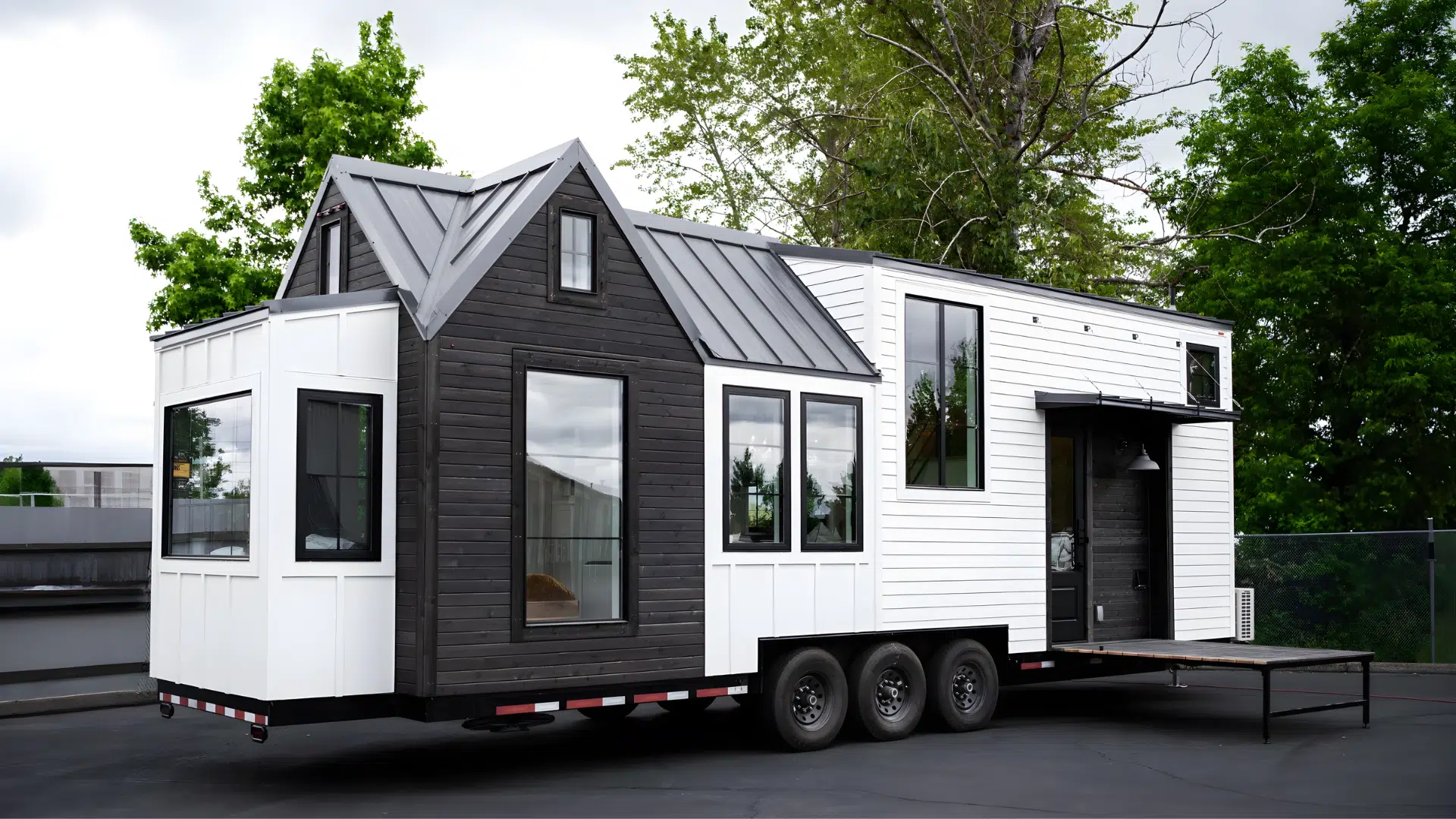
The idea of a tiny home on wheels has turned from a niche dream into a growing movement built on freedom, creativity, and choice.
Many people are now trading extra space for flexibility, financial balance, and a sense of control over where life takes them.
In this blog, I’ll share what makes these homes unique, the real costs behind building or buying one, and the key rules, designs, and lifestyle insights that make tiny living work in practice. Let’s start with the basics.
What is a Tiny Home on Wheels?
A tiny home on wheels is a small house built on a trailer so it can move wherever life takes you. It’s designed to offer the comfort of a full home in a compact, mobile space.
Most range from 16 to 30 feet long and about 8.5 feet wide, which keeps them legal to tow on the road. Inside, you’ll find a kitchen, bathroom, living area, and a cozy sleeping loft or nook.
Unlike RVs, these homes are made for everyday living with solid walls, insulation, and home-style finishes. They let you enjoy comfort, freedom, and simplicity all at once.
Why People Choose Tiny Living
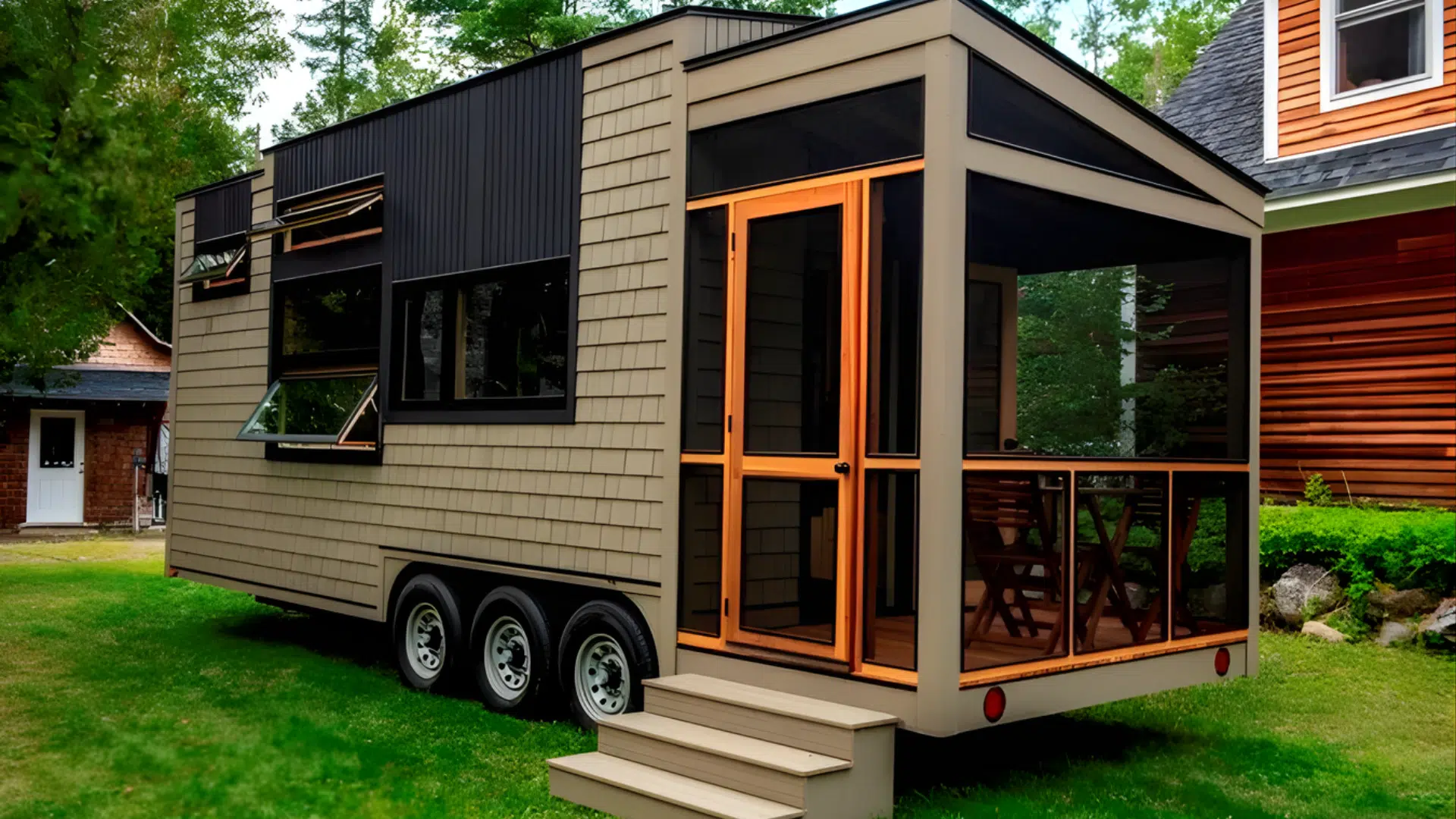
Living in these tiny homes attracts people looking for more control, less debt, and a simpler way to live. Here’s why this lifestyle works for so many:
- Financial freedom: Lower building costs, fewer bills, and simple upkeep help you save more and stress less.
- Practical solution: Escaping rent, long commutes, and high mortgages gives people a chance to live debt-free and travel freely.
- Flexibility and mobility: You can move anywhere without losing the comfort of home — it fits changing jobs, seasons, or goals.
- Sustainable choice: Smaller spaces mean less energy use and waste, creating a lighter impact on the planet.
- Simpler lifestyle: With less clutter and distraction, life feels calmer, and time goes to what truly matters.
- Personal independence: Living small encourages self-sufficiency and a sense of control over your daily choices.
These tiny home isn’t just a smaller house, it’s a practical, meaningful way to live with freedom, intention, and purpose.
Understand Legal Rules & Zoning
Before you buy or build a tiny home on wheels, it’s important to know how the law sees it. These rules decide where you can park, how you register it, and what safety standards it must meet.
DMV Registration and Classification
Most tiny homes on wheels are treated like RVs or park trailers. That means they need to be registered with the DMV, just like a vehicle. You’ll get a VIN number, a license plate, and yearly renewal paperwork.
This step helps protect your investment and makes it easier to insure or sell later.
National Standards (ANSI A119.5, CSA Z240)
Tiny homes built for the road must meet national safety codes.
In the U.S., builders usually follow the ANSI A119.5 park trailer standard. In Canada, they follow CSA Z240 RV.
These certifications prove that your home’s wiring, plumbing, and materials meet safe, road-ready standards. If you buy one, always check for these labels before signing anything.
Parking and Property Rules (Owner-Occupied Lots, RV Parks)
Finding a legal spot to live full-time can be tricky. Some cities let you park on private land, while others only allow it in RV parks or tiny home communities.
Many areas also require the main house on a property to be owner-occupied before adding a tiny home.
If you plan to move often, check local zoning codes first; every county handles them differently.
I’ve seen people get in trouble simply for not checking parking limits before they move in, so doing this early saves a lot of stress later.
How Much Does a Tiny Home on Wheels Cost?
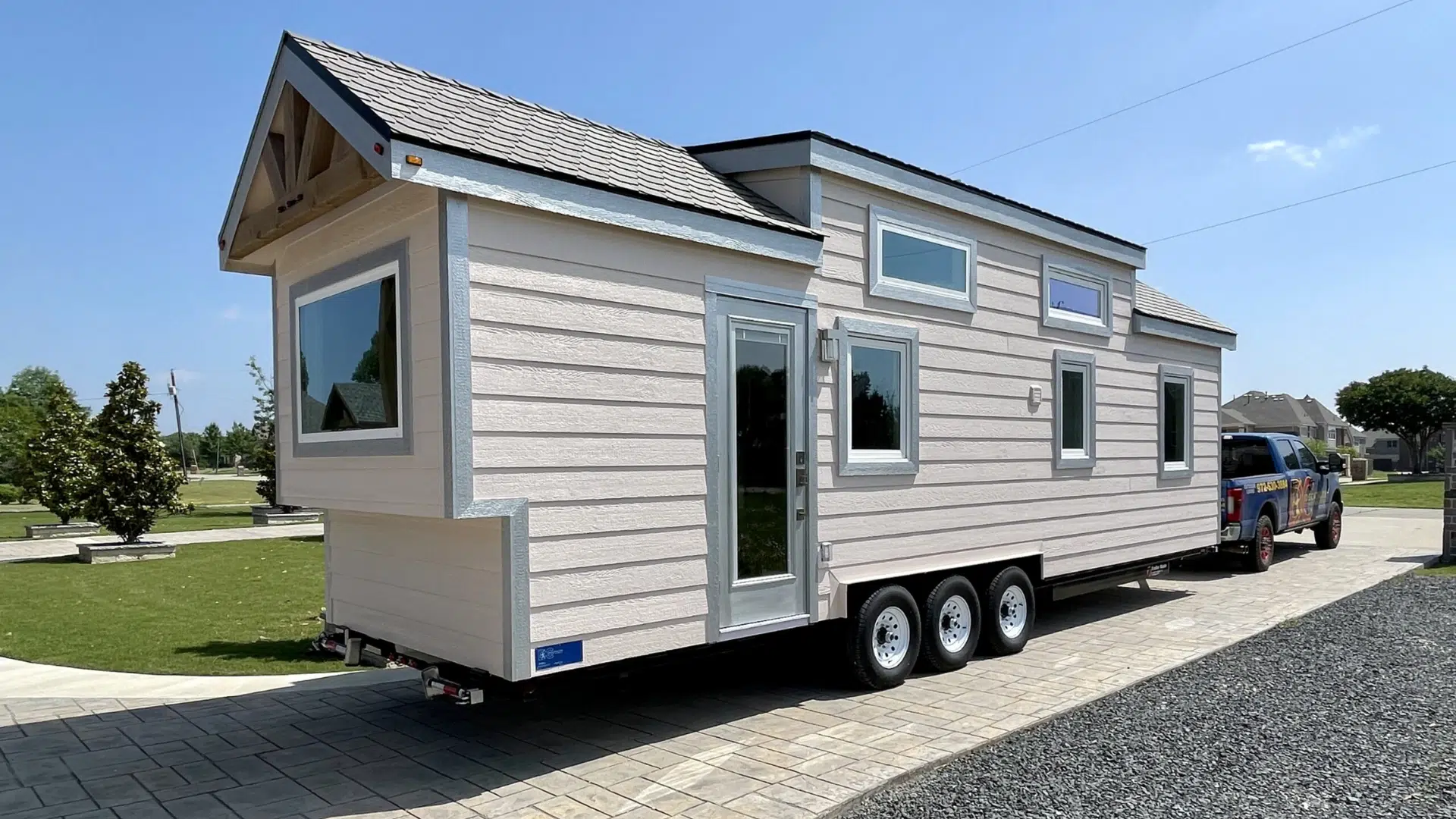
Let’s break down how much you’ll spend if you decide to live small and mobile.
Price Ranges: Diy vs. Custom Builds
If you build your own tiny home on wheels, you can expect to spend around $30,000 to $70,000, depending on how big you go and how much work you do yourself.
If you prefer a ready-to-move, professionally built model with high-end finishes and certifications, you’re looking at $140,000 to $250,000 or more.
Example Cost Breakdown (DIY 20-24 Ft)
Here’s a rough estimate for how your money might be used:
- Trailer and foundation: about 20–25% of your total budget
- Shell, insulation, walls: about 25–30%
- Windows, siding, roofing: about 10–15%
- Interior finishes and fixtures: about 20–25%
- Electrical, plumbing, off-grid options (solar, rainwater): about 10–15%
- Transport, hookups, land setup: expect an extra $5,000 to $25,000, depending on location and site work
Financing and Loan Options
Here are the ways people pay for their tiny homes:
RV-style loans: If your home meets road-ready and trailer standards, you might qualify for a loan similar to an RV. Rates can be reasonable, and terms can run fairly long.
Personal loans: If it doesn’t qualify as an RV or you build part-time, a personal loan is an option. Rates vary more, and you’ll often have shorter terms.
Builder-partner financing: Some builders offer payment plans or help you connect with lenders, great if you want a turnkey option.
Best Tiny Home Builders in the U.S.
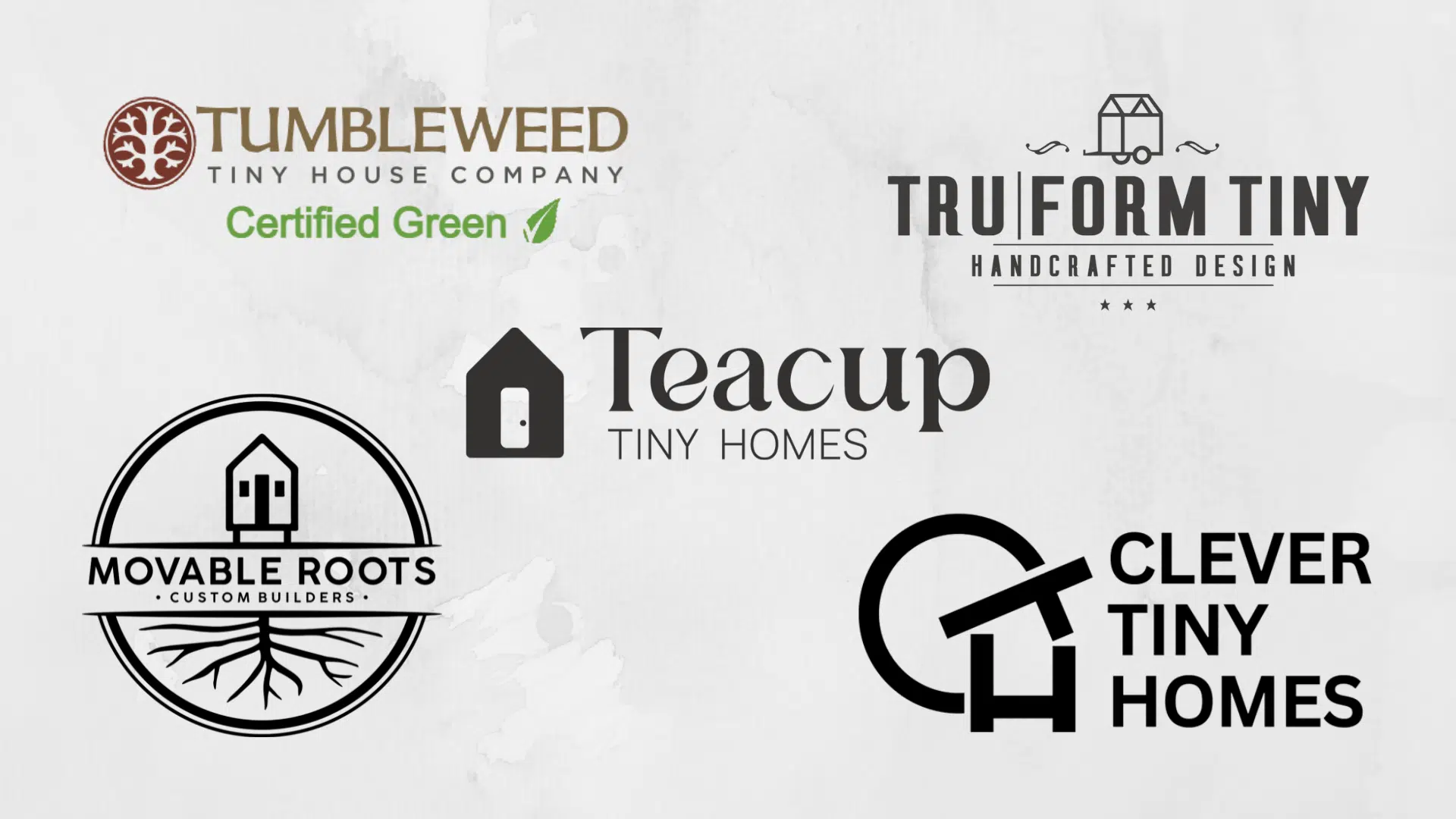
If you’re looking to buy instead of build from scratch, choosing the right builder is one of the smartest moves you can make.
Leading Companies
Tumbleweed Tiny House Company: A pioneer in the tiny-home world. Builds certified tiny homes on wheels with strong craftsmanship.
Tru Form Tiny: Offers luxury tiny homes, high customization, and strong quality standards.
Movable Roots: Focuses on custom tiny homes on wheels and park-models; built for performance and lifestyle.
Clever Tiny Homes: Modern designs, factory-built mobile tiny homes, with an emphasis on cost-effective quality.
Teacup Tiny Homes: Smaller footprint options, niche builds, for those who want minimal size but a full home feel.
What to Compare and How to Verify Builders
- Price and inclusions: Compare total costs and what’s covered: trailer, finishes, delivery, and hookups.
- Certifications: Check if the builder follows RV or park-trailer standards and has third-party safety inspections.
- Customization options: Look at floor plans, finishes, and upgrade choices to match your lifestyle.
- Warranty and service: Ask what’s covered and how long. Make sure they support repairs or fixes after delivery.
- Delivery and setup: Confirm if delivery, leveling, or site connection is included or billed separately.
- Visit or review builds: If possible, visit a model or factory, or ask for recent build photos or virtual tours.
- Read real reviews: Look for verified customer feedback and testimonials from trusted sites or communities.
Taking time to compare and verify upfront saves money, stress, and ensures your tiny home is safe, certified, and built to last.
Design & Construction Essentials
Building a tiny home on wheels starts with smart design and practical choices. Here’s how to make your home strong, efficient, and easy to live in:
1. Standard Sizes and Layouts
Most tiny homes range from 16 to 30 feet long and about 8.5 feet wide, which keeps them road-legal.
Inside, you’ll usually see a kitchen, bathroom, living space, and a loft for sleeping. The design depends on what you value most: space, storage, or comfort.
2. Trailer Types
The trailer is your foundation. You can choose a bumper-pull, gooseneck, or deck-between trailer.
Goosenecks add more headroom and storage, while bumper-pulls are easier to tow. Pick one that fits your travel and lifestyle needs.
3. Materials and Insulation
Most builders use wood or steel framing with spray foam or rigid insulation.
In my experience, spending more on good insulation makes the home quieter and more comfortable year-round. Use durable siding, strong roofing, and lightweight materials to keep towing simple.
4. Space-Saving Design
Every inch counts in a tiny home. Lofts make room for a full kitchen or workspace below. Foldable furniture, built-in storage, and stairs with drawers help keep things organized. Using light colors and tall windows makes even a small space feel open and calm.
5. Off-Grid Options
If you want more freedom, add solar panels, a rainwater system, or a composting toilet. These setups let you live comfortably in remote spots and lower your monthly costs.
I’ve seen people power everything from lights to mini-split heaters using small solar systems.
When you combine solid materials, smart design, and efficient systems, your tiny home becomes more than a small space; it becomes a fully functional home that moves with you.
Living Comfortably in a Tiny Home
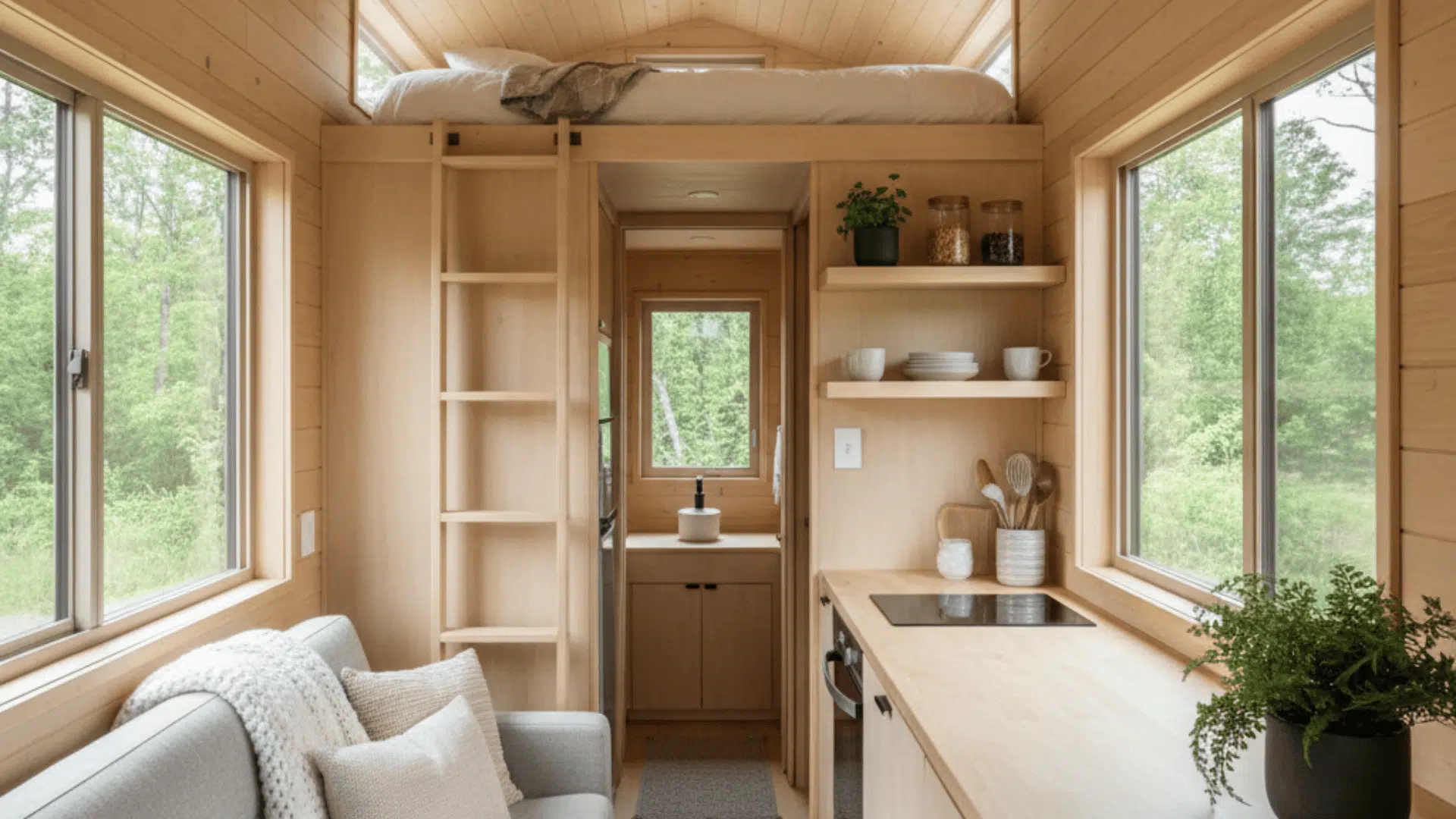
Living small doesn’t mean giving up comfort. Here’s what makes life smoother, simpler, and more enjoyable when your home’s on wheels:
Finding legal parking or communities: Check local zoning rules before parking. Many cities allow tiny homes only in RV parks or dedicated communities. Private land works too, as long as utilities and stay limits meet local codes.
Heating, cooling, and water systems: Compact heat pumps, small AC units, and good insulation keep your home comfortable. You can hook up to city water or go off-grid with solar power, rainwater, and composting toilets.
Decor and organization ideas: Use furniture that folds, stacks, or stores items inside. Keep colours light, add large windows, and use vertical shelving to open up the space.
Maintenance and insurance tips: Inspect your trailer, roof, and plumbing often. Get insurance that covers mobile dwellings or RVs, and keep your build records for easier resale or claims.
With the right setup and habits, living in a tiny home feels cozy, efficient, and surprisingly freeing.
Build or Buy: Which Fits Your Values?
When choosing this home, the first big decision is whether to build it yourself or buy one already made. Each option fits different needs and values.
Building your own gives you control over design and cost. It can save money but takes time, effort, and basic construction skills. Many enjoy the hands-on process and the pride of creating something personal.
Buying is faster and less stressful. Builders manage permits, wiring, and setup, so you can move in quickly. It costs more but offers peace of mind and professional quality.
The best choice depends on what you value more: creativity and effort, or comfort and convenience.
What People Say About Living Tiny
“I built my own tiny home for around $8,000 using tools I already had. Some days I still can’t believe I did it, but it’s the best decision I’ve ever made.” – u/greenthumbbuilder, Reddit
“You can travel more with your home on wheels, and you end up spending more quality time with the people you live with. Less space actually brought us closer.” – u/minimalmoves, Reddit
“After struggling to find a rental that felt right, I finally got a custom tiny home built. It’s cozy, personal, and gives me freedom I never had before.” – u/roadwaydreamer, Reddit
Most people agree that tiny living takes patience and adjustment, but the rewards often outweigh the limits. It’s a lifestyle built on purpose, creativity, and freedom.
Conclusion
Living in a tiny home on wheels is more than just downsizing; it’s redefining how you live, spend, and connect with your surroundings. It teaches you to value function over excess and simplicity over stress.
With careful planning, the right builder, and smart design choices, this lifestyle can offer comfort, independence, and financial balance all in one small, movable space.
If you’ve been dreaming about a simpler way to live, now’s the time to take the first step, look at local zoning rules, set a budget, and start designing your ideal tiny home on wheels today.