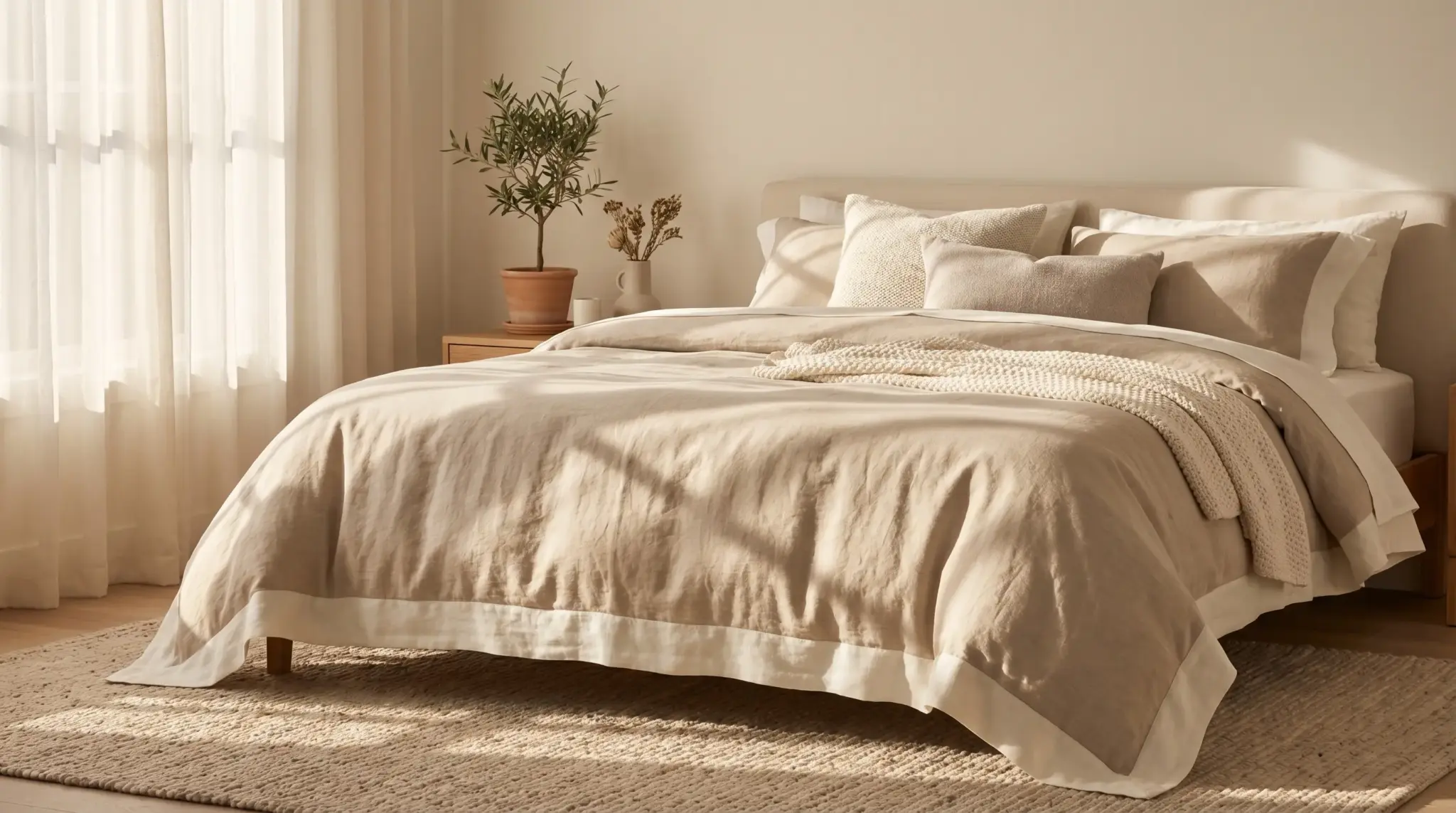
For years, interiors leaned toward minimalism; clean lines, muted palettes, and stripped-back spaces designed more for visual impact than lived experience. But homes are no longer just aesthetic statements; they have become sanctuaries. And at the heart of this evolution is a renewed appreciation for comfort.
Soft furnishings, once considered finishing touches, are now central to how we design and experience our homes. From layered textiles to tactile surfaces, the modern interior is increasingly defined not just by how it looks, but by how it feels.
A Cultural Shift Toward Comfort
The resurgence of soft furnishings reflects a broader cultural movement. As lifestyles have become more home-centric, the expectation of our living spaces has changed. Comfort is no longer optional; it is essential.
Interior designers frequently point to a growing desire for emotional connection within the home. As one expert notes, soft textures create a “soft landing” that encourages relaxation and a sense of ease.
This aligns with wider research into comfort itself. Psychologists define comfort as a state that enhances both physical ease and emotional well-being, highlighting its importance in everyday environments.
In this context, soft furnishings (cushions, curtains, rugs, and throws) serve a deeper purpose. They are not just decorative elements; they actively contribute to how a space supports rest, recovery, and wellbeing.
Personalisation and the Rise of Individual Style
Another reason for the renewed focus on soft furnishings is the growing demand for personalisation. Homeowners increasingly want spaces that reflect their identity rather than follow rigid design rules.
Textiles offer one of the easiest and most effective ways to achieve this. They can be changed seasonally, adapted to trends, or curated to reflect personal taste.
The market has responded accordingly. Consumers are now seeking furnishings that are both functional and expressive, with customisation and individuality driving innovation in home textiles.
Even small updates, such as new curtains, reupholstered furniture, or updated cushions, can dramatically shift the tone of a room without requiring a full redesign. This accessibility makes soft furnishings a powerful tool for everyday design.
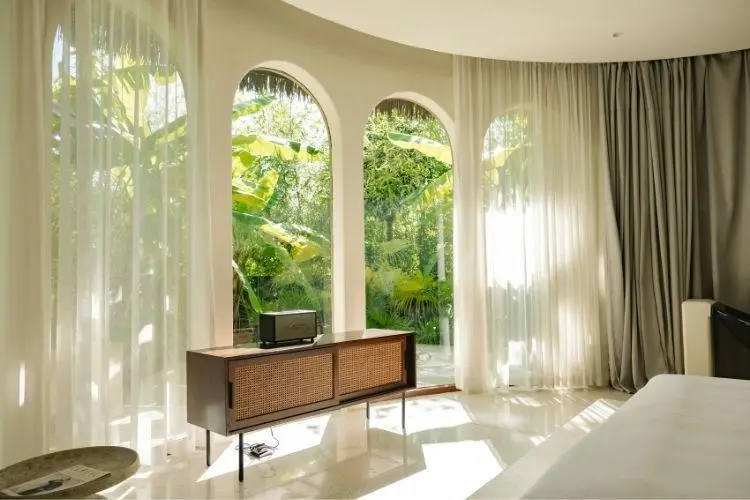
For those exploring options, elements like ready-made curtains can offer both convenience and style, especially when sourced from trusted suppliers such as Terrys Fabrics, helping to ensure durability and aesthetic impact while layering textures within a space.
The Sensory Power of Textiles
At the core of this movement is the sensory experience of fabric. Unlike hard surfaces, textiles engage multiple senses at once: touch, sight, and even sound.
Research into interior design shows that fabrics can significantly influence the atmosphere of a space by enhancing tactile comfort, regulating acoustics, and contributing to visual harmony.
This is why materials such as velvet, wool, linen, and boucle have become so prominent. Their appeal lies not only in their aesthetic richness but in their ability to soften a room both physically and psychologically.
Soft furnishings also play a practical role:
- Acoustic comfort: Fabrics absorb sound, reducing echo and creating calmer environments
- Thermal comfort: Textiles help insulate spaces, making them feel warmer and more inviting
- Visual warmth: Layered textures prevent interiors from feeling flat or sterile
From Minimalism to Layered Living
Minimalist interiors once dominated design conversations, but they often lacked the warmth needed for everyday living. Today, a more layered approach is taking its place.
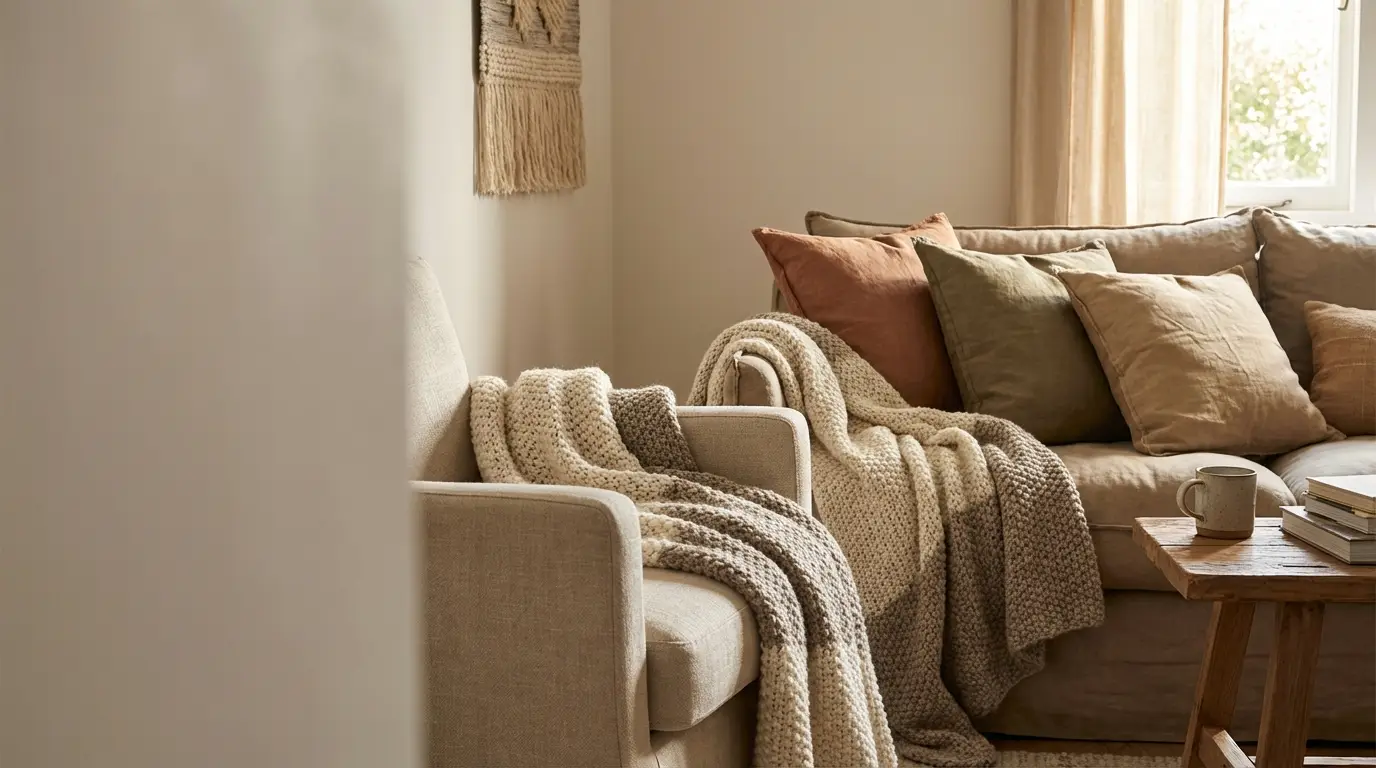
Layering, or combining different fabrics, textures, and patterns, is now seen as key to creating depth and personality within a space. This shift toward “textural layering” is one of the defining interior trends, adding both visual and tactile richness.
Rather than a single statement piece, rooms are built through layers:
- A soft rug grounding the space
- Curtains framing natural light
- Cushions adding colour and comfort
- Throws introducing warmth and informality
This approach reflects a move away from perfection toward something more relaxed and lived-in. Homes are being designed to evolve, not remain static.
Comfort Meets Sustainability
Comfort today is increasingly tied to consciousness. As environmental awareness grows, so too does the demand for sustainable materials.
Natural fibres, such as cotton, wool, linen, and hemp, are gaining popularity not only for their tactile qualities but for their reduced environmental impact.
Designers are embracing this intersection of comfort and sustainability. Eco-friendly textiles are now seen as a way to create interiors that nurture both personal well-being and the planet.
As one source highlights, soft, sustainable fabrics help “transform homes into havens of comfort and elegance” while aligning with modern values.
This dual focus, comfort and responsibility, has helped elevate soft furnishings from decorative extras to essential design elements.
The Role of Technology and Innovation
While tradition plays a role in the return of soft furnishings, innovation is equally important. Advances in textile technology are redefining what fabrics can do.
From temperature-regulating materials to smart textiles that integrate with home systems, fabrics are becoming more responsive to human needs.
At the same time, there is a renewed appreciation for craftsmanship. Handwoven textiles and artisanal techniques are being celebrated for the authenticity and character they bring to interiors.
This blend of innovation and tradition reflects a broader design philosophy: comfort is not just about softness, but about creating spaces that adapt to and support modern life.
Designing for Emotional Wellbeing
Perhaps the most compelling reason behind the return of soft furnishings is their impact on emotional wellbeing.
Spaces that incorporate varied textures and soft materials tend to feel more welcoming and less clinical. Designers often warn that relying too heavily on hard materials can make interiors feel cold or uninviting, whereas textiles introduce balance and warmth.
There is also a psychological dimension to softness. Soft textures are associated with safety, relaxation, and comfort; qualities that are increasingly valued in fast-paced, digitally driven lifestyles.
Conclusion
The return of comfort in interior design marks a significant shift in how we think about our homes. No longer purely visual environments, they are now spaces designed to support wellbeing, express individuality, and adapt to everyday life.
Soft furnishings sit at the centre of this transformation. Through texture, warmth, and versatility, they bring depth and humanity back into our interiors.
As trends continue to evolve, one thing is clear: comfort is not a passing phase. It is a fundamental design principle; one that places people, not just aesthetics, at the heart of the home.