If your living room feels more “tight squeeze” than “cozy retreat,” you’re not alone. Many of us deal with small spaces that never seem to fit the furniture we love.
But here’s the good news: a smart layout can change everything. With a few thoughtful tweaks, you can make even the smallest room feel open, balanced, and stylish.
In this guide, you’ll be going to learn some of the best small living room layout ideas that make every inch count, from clever furniture placement to simple design tricks that bring light, flow, and comfort into your space.
Get ready to see how small changes can create a big impact and make your living room feel truly like home.
How to Plan a Small Living Room Furniture Layout
Before you start moving furniture, get to know your room. A few simple steps can help you plan better and avoid mistakes:
- Measure smartly: Note your room’s length and width. Mark where the doors, windows, and outlets are. These details guide your layout and prevent blocked pathways or plugs.
- Spot the focal point: Find the main feature that catches the eye, maybe a TV wall, fireplace, or large window. Arrange your main furniture so it faces or frames for a natural flow.
- Define how you use it: Think about what happens here most: watching movies, reading, hosting guests, or a mix of all. Your main activity should guide how you arrange everything.
Taking a few minutes to understand your space helps you design a layout that feels open, balanced, and made for real life.
The Best Small Living Room Layout Ideas
Small living rooms can still feel open, stylish, and comfortable when planned right. These layout ideas help you use every inch wisely, making your space look bigger and work better for daily life.
Space-Saving Layouts for Everyday Living
A small living room doesn’t mean you have to compromise on comfort or style. With the right layout, you can make your space feel bigger, brighter, and more functional. Here are a few smart setups that help you do just that:
1. Sofa Against the Wall Layout
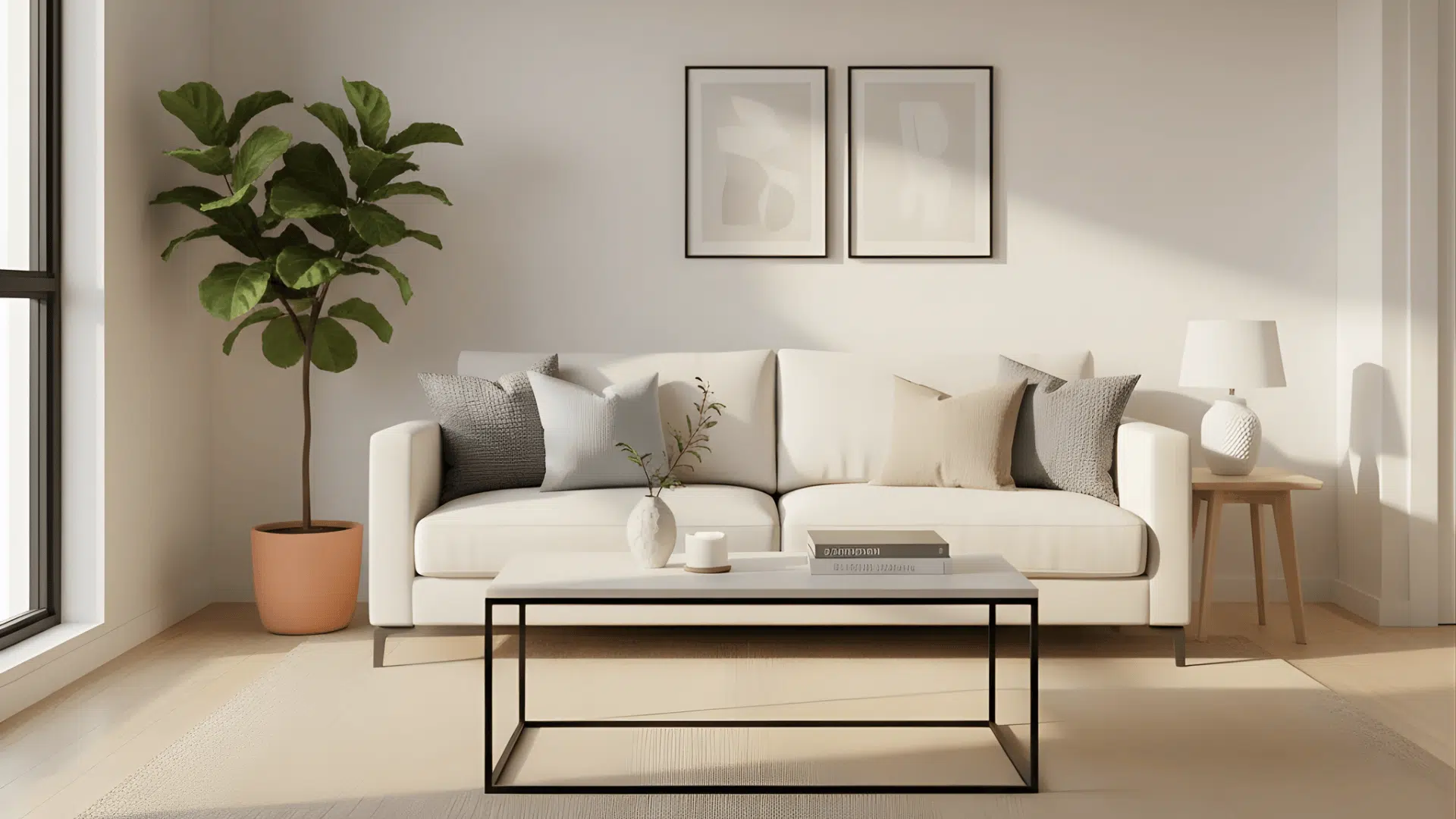
This layout works best in long or narrow rooms with limited floor space. By placing the sofa against the longest wall, you instantly open up the center of the room and make it feel wider.
It also helps create a natural walkway that keeps movement easy and uninterrupted. To avoid a boxed-in look, use a slim coffee table and add lightweight chairs that can be moved around easily.
This setup feels open, simple, and perfect for everyday living.
2. Floating Furniture Layout
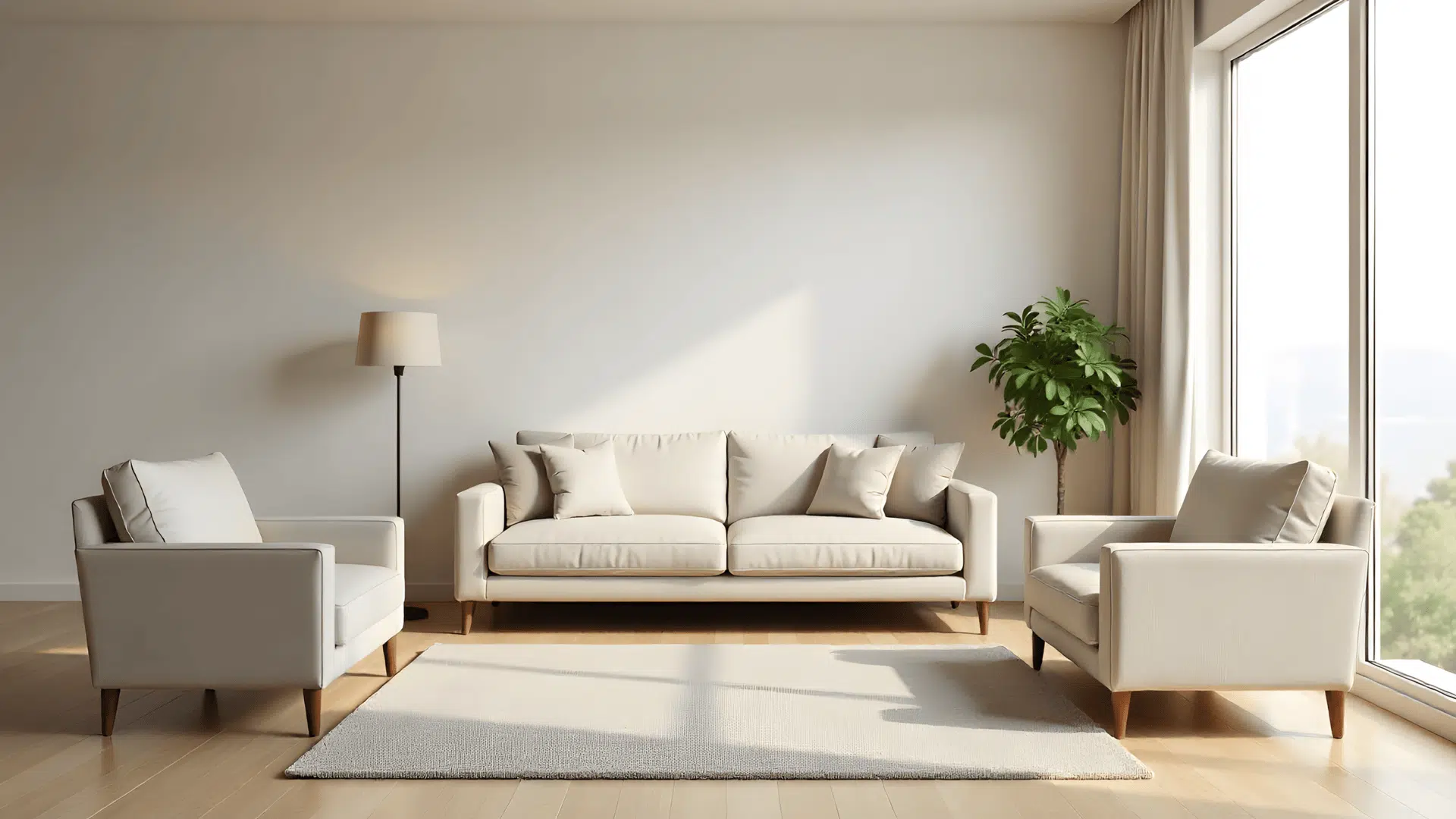
A floating layout creates balance and makes a small room look intentional rather than cramped. Instead of pushing every piece of furniture against the walls, bring your sofa and chairs slightly forward to add depth.
This small gap makes the space feel airier and allows for better airflow and light. Anchor the setup with a rug to define the seating zone and make everything feel connected. It’s a great way to give even a tiny room a designer-style finish.
3. Minimalist Layout
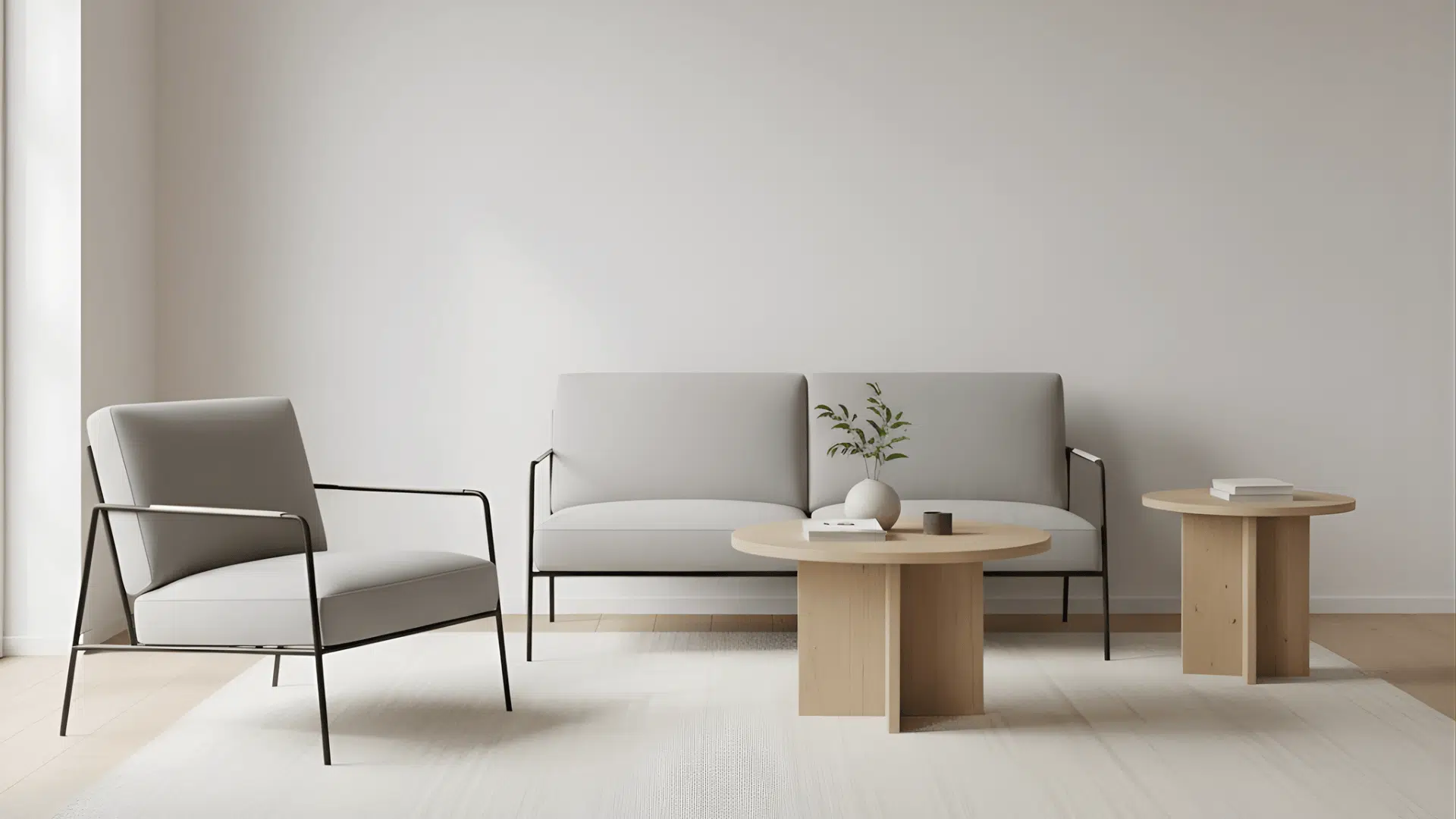
A minimalist layout focuses on simplicity and breathing room. Use only the pieces you really need: a slim sofa, a small table, and at most one or two chairs.
Stick to light or neutral colors and choose furniture with legs to keep the room looking open. Instead of heavy decor, add soft textures through cushions, throws, or rugs for warmth and comfort.
This layout keeps the space uncluttered and peaceful while still feeling cozy and inviting.
4. Modular Furniture Setup
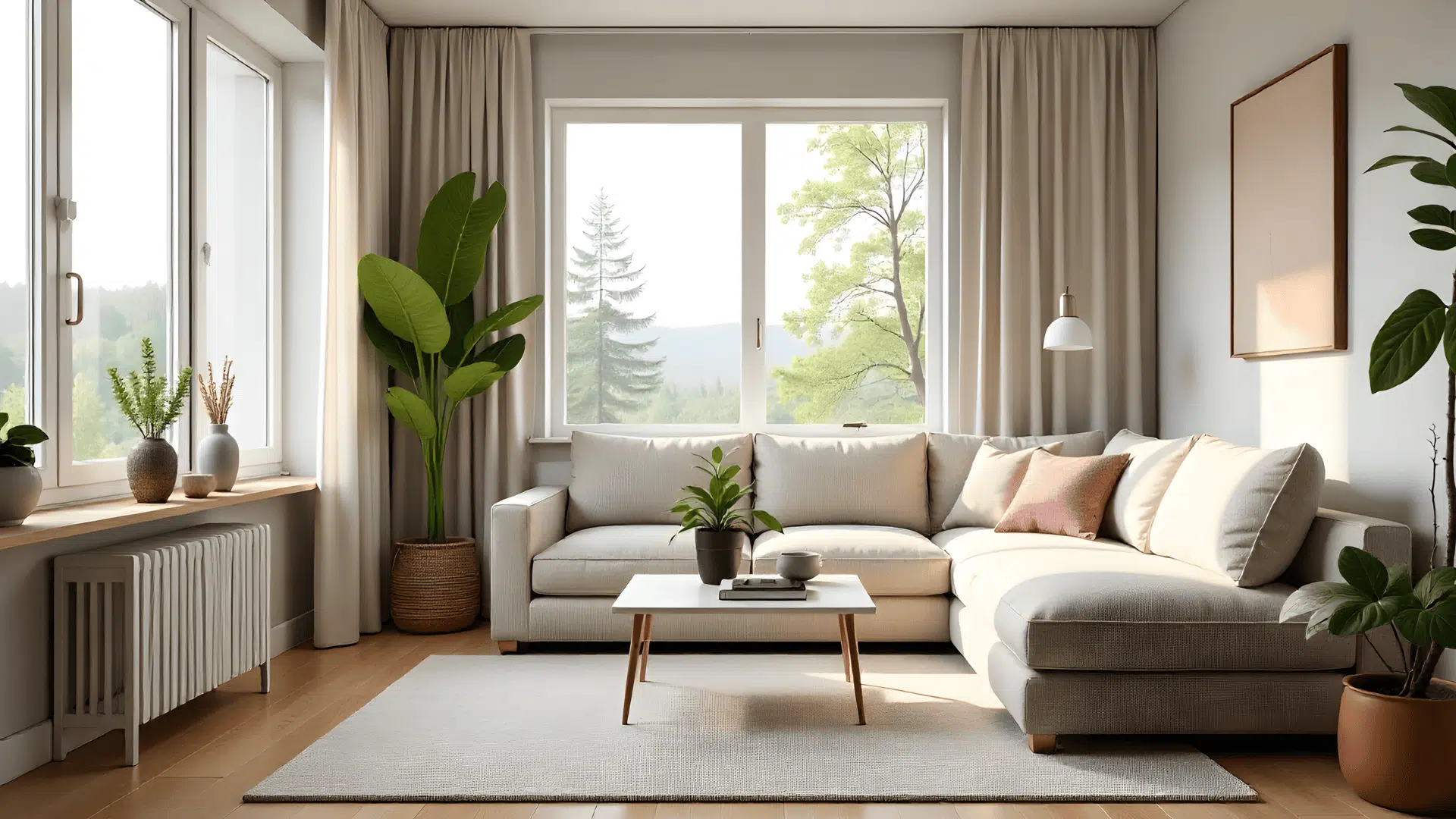
If you like flexibility or live in a multipurpose space, a modular setup is your best choice. Modular or sectional furniture can be rearranged easily to fit your needs, whether you’re having a movie night or hosting guests.
A compact sectional placed in a corner saves room while providing plenty of seating. You can also move pieces around to change the layout at any time with little effort.
This layout gives your small space the versatility of a larger living room.
5. Built-In Storage Layout
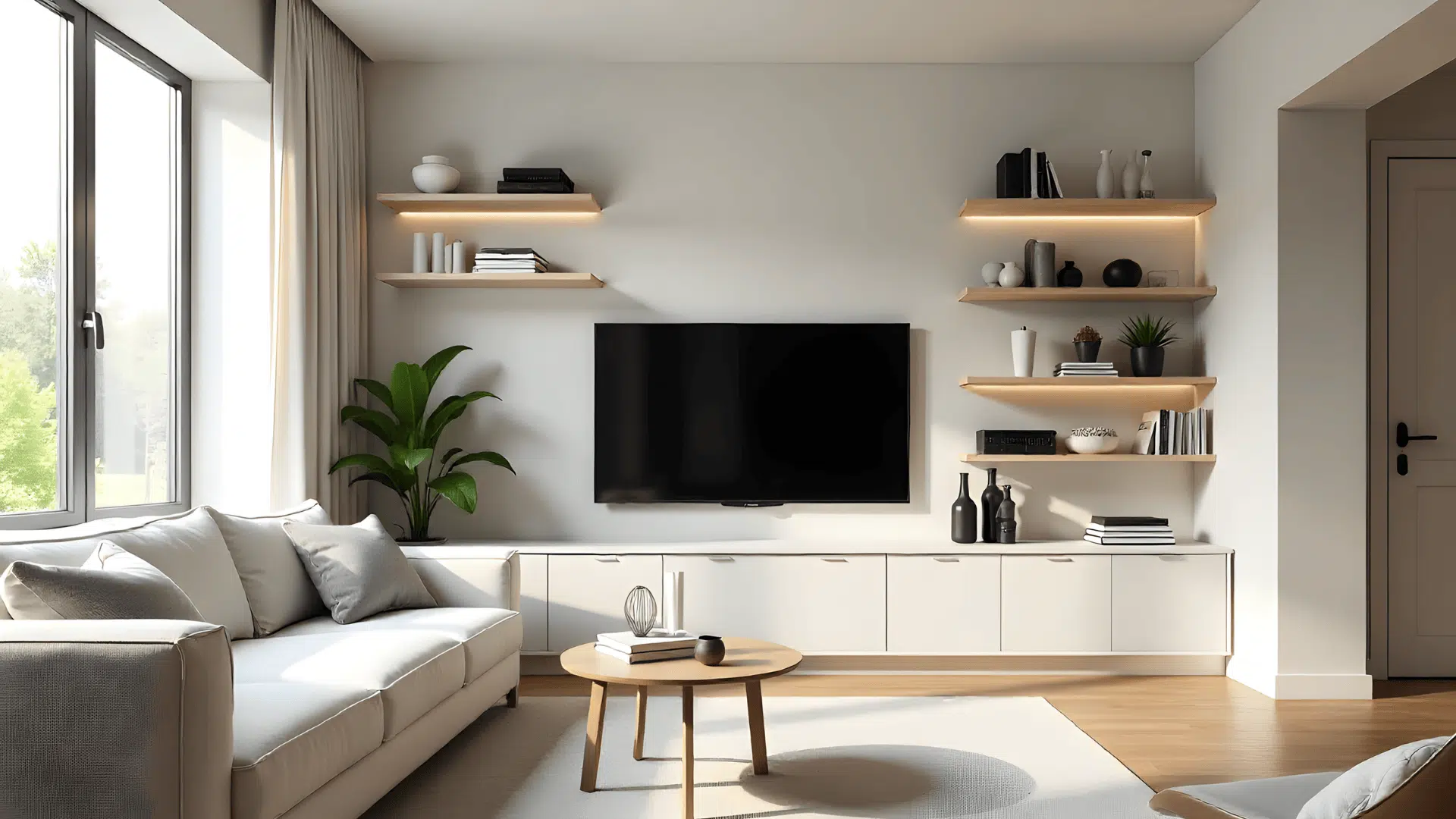
This layout is perfect if you want to save space while keeping things organized. Built-in cabinets, wall shelves, or storage benches help reduce clutter and free up the floor.
You can use them to store books, decor, or even electronics while maintaining a clean look. Floating units or wall-mounted shelves draw the eye upward, making the room appear taller and more spacious.
It’s a smart setup for small homes that need both function and style without sacrificing comfort.
Corner & Sectional Layouts That Maximize Every Inch
Corners often go unused, but with the right setup, they can become the most functional and comfortable parts of your living room. These layouts help you use every inch of space while keeping the room cozy and balanced:
6. L-Shaped Corner Arrangement
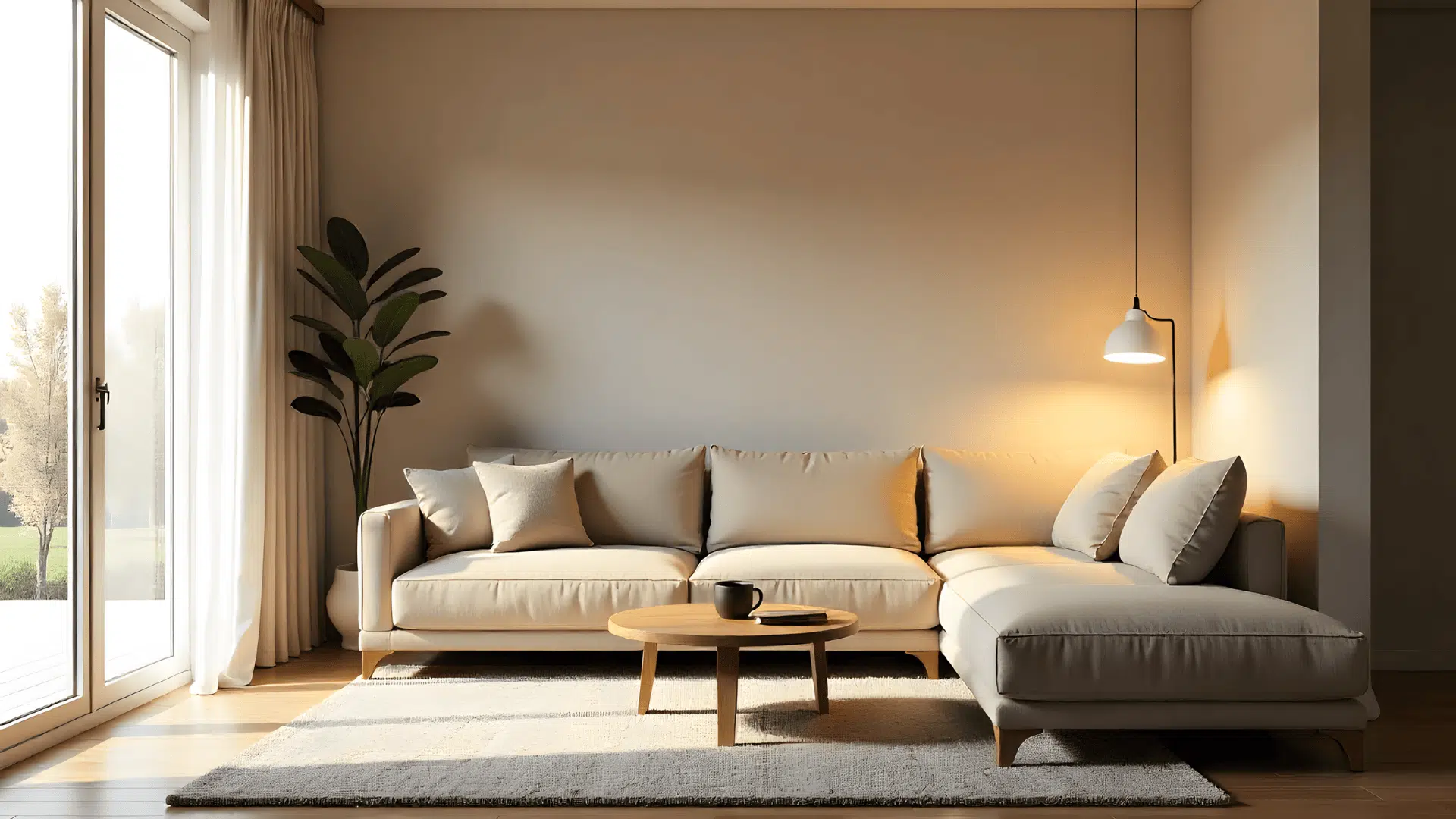
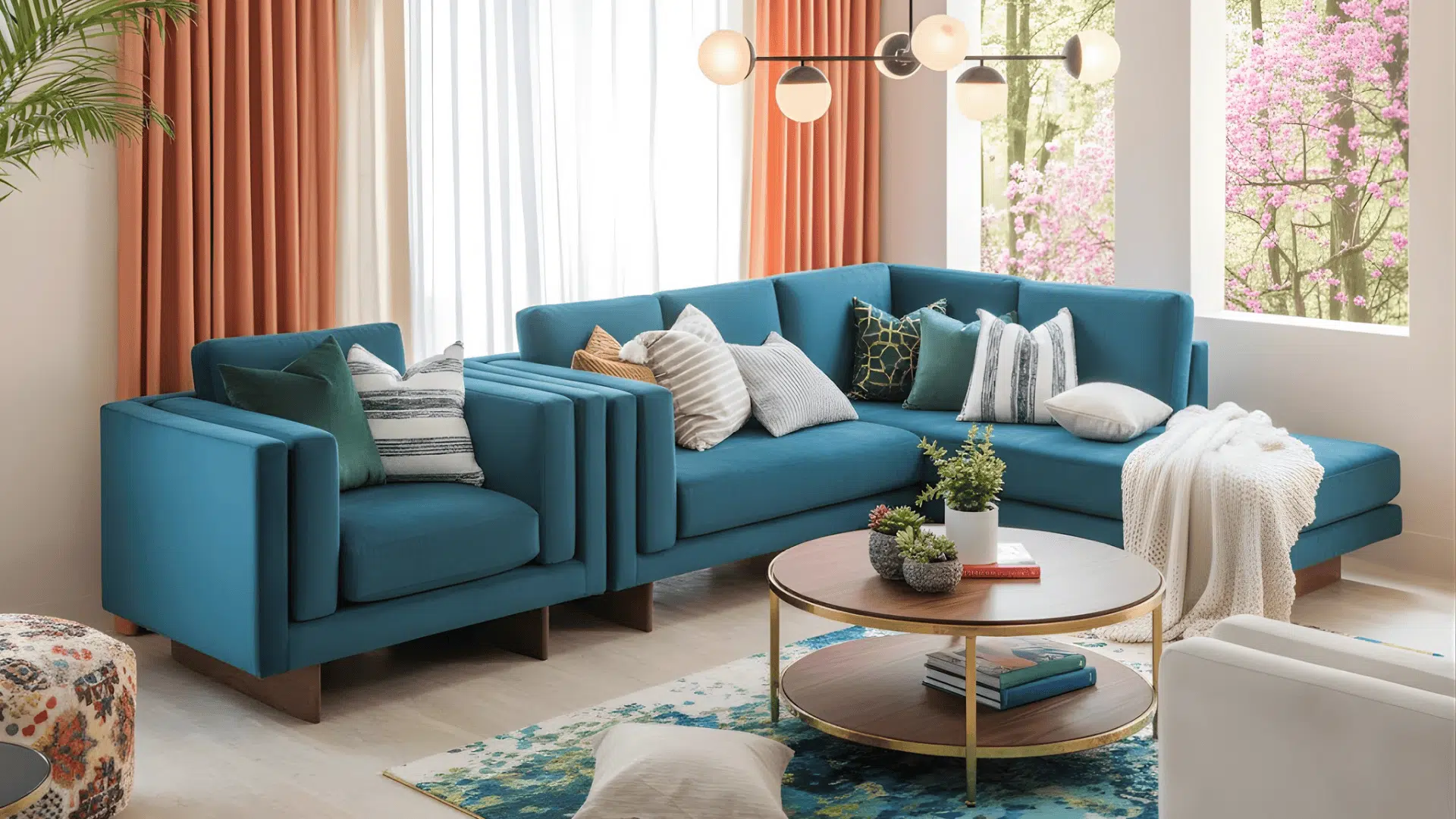
An L-shaped sectional fits perfectly in a corner and instantly defines your seating area. It creates a natural boundary while leaving the center open for easy movement.
This layout works well in square or slightly narrow rooms because it balances the visual weight without feeling crowded.
Add a rug beneath the sectional to anchor the setup and a floor lamp in the corner for warmth and height. It’s both practical and inviting.
7. Sectional + Round Table Layout
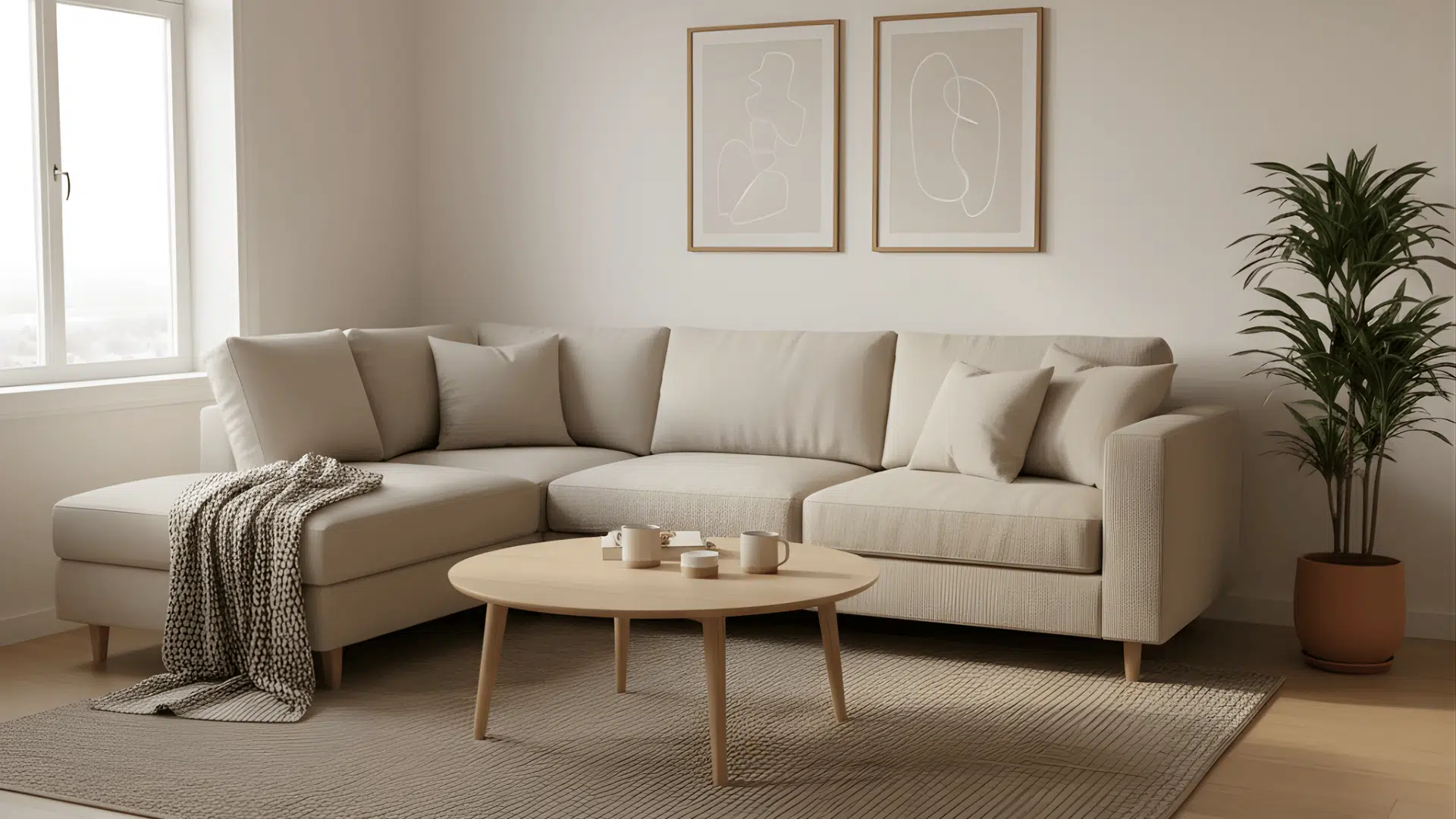
Pairing a sectional with a round coffee table makes small spaces feel more open. The curved edges allow smoother movement and reduce the feeling of tight corners.
It also adds softness to the straight lines of the sofa. This setup works great for rooms with limited space between furniture pieces.
A small rug under the table can define the area, while nesting tables or poufs can be added for extra flexibility when you need more surfaces.
8. Awkward Corner Fix
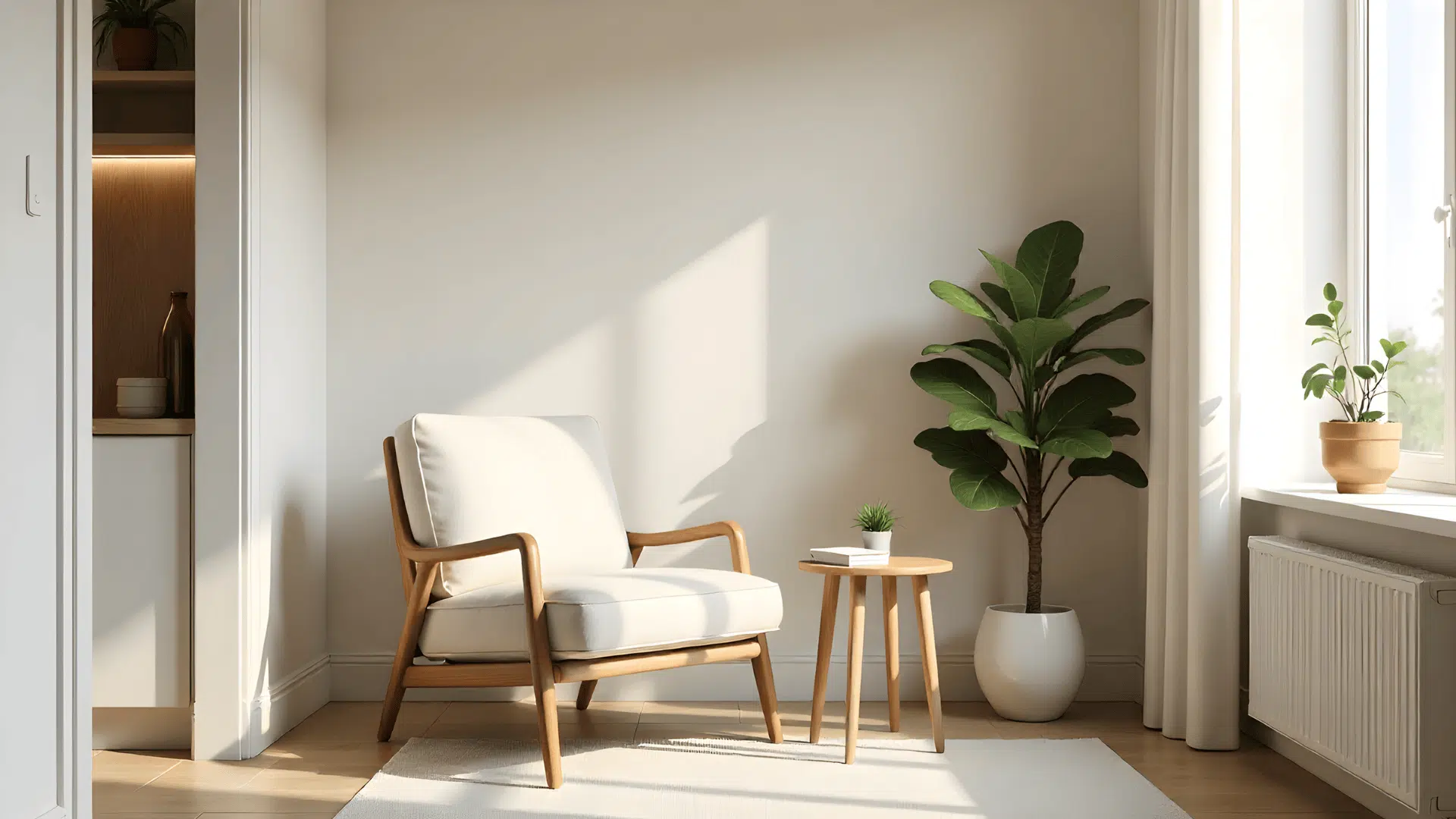
Odd corners can feel wasted, but the right furniture turns them into cozy, useful spots. Try placing a curved chair, corner shelving, or even a small round side table to fill the space naturally.
Curved shapes soften harsh angles and make the room feel more connected. You can also add a plant or lamp to draw the eye and make the corner feel intentional.
This approach helps every inch of your living room serve a purpose.
9. Window Seat or Built-In Bench Layout
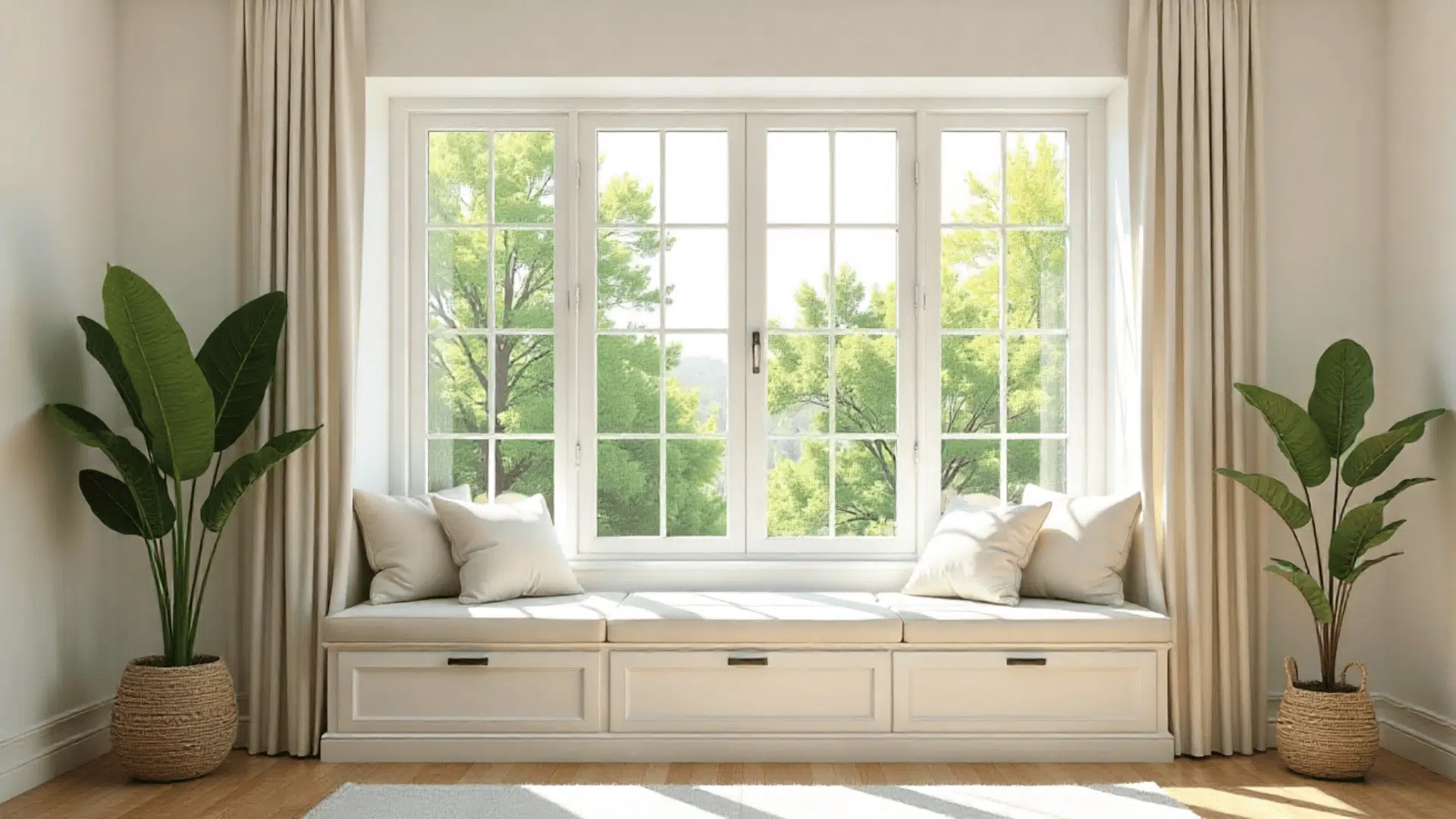
A built-in bench or window seat adds both style and function to a small living room. It creates extra seating without taking up floor space and offers hidden storage underneath for blankets or books.
Place soft cushions and pillows on top to make it a relaxing reading nook. This setup works especially well below large windows or unused wall sections.
It maximizes vertical and horizontal space while adding a cozy, lived-in feel to your room.
Layouts for Awkward or Narrow Spaces
Long or uneven rooms can be tricky to furnish, but the right layout can turn awkward angles into comfortable, stylish spaces. These ideas help you balance proportions and make the most of every corner:
10. Narrow Room Solution
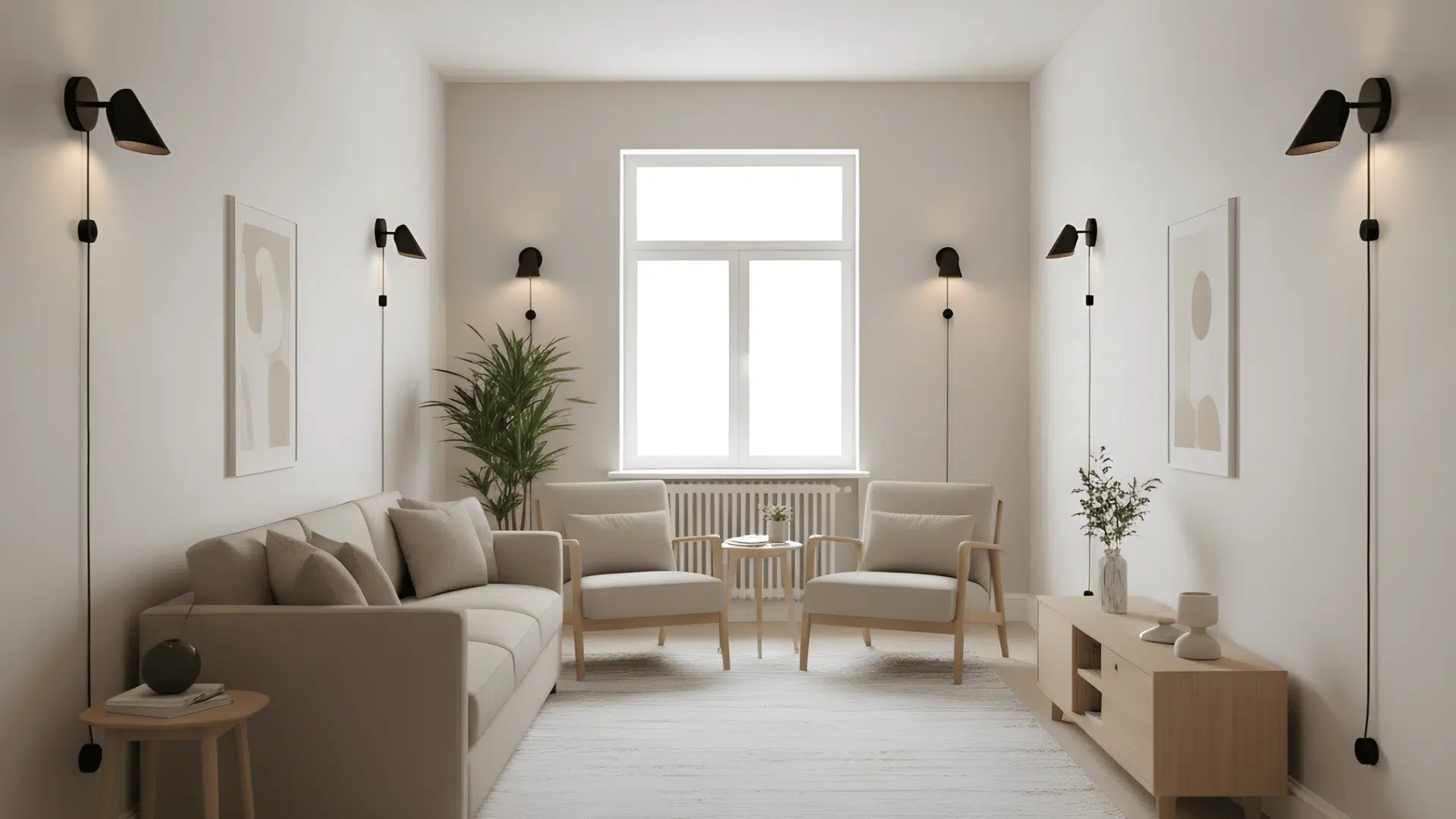
A narrow living room often feels like a hallway, but you can fix that with furniture placement. Break up the space by positioning a sofa and chairs perpendicular to the room’s length.
This creates a natural pause point and divides the area into zones. A long, slim rug helps tie everything together while guiding the eye through the room.
Add wall-mounted lighting instead of floor lamps to keep the walkway open and easy to move through.
11. Diagonal Furniture Placement
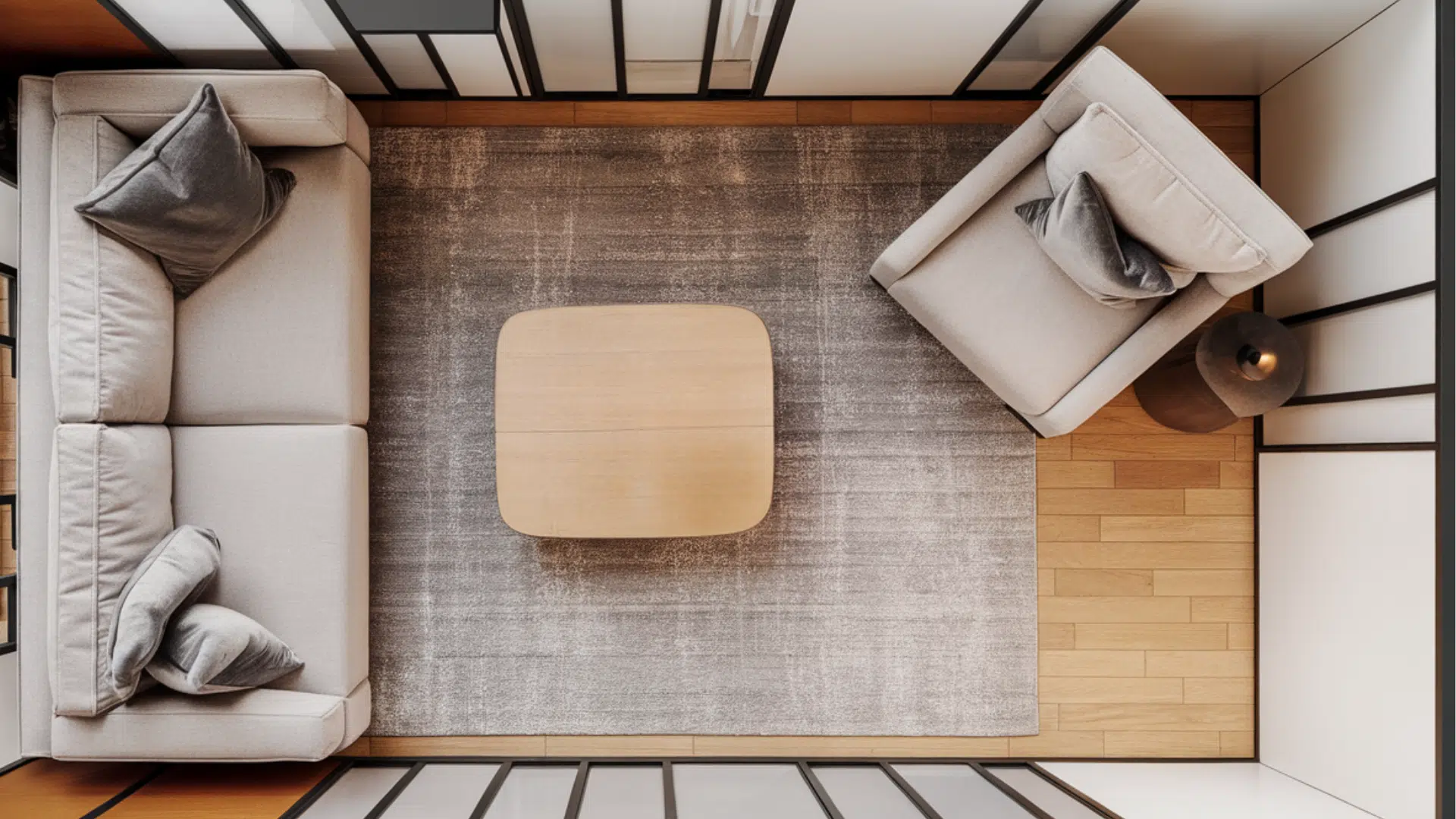
Placing your main furniture at an angle instantly changes how a small room feels. Angling the sofa toward a corner adds movement and makes tight spaces look wider and more dynamic.
It draws the eye diagonally across the room, creating depth and breaking up boxy lines. You can also position a rug under the angled pieces to anchor the layout.
This design works especially well in square rooms that need a bit of visual interest and flow.
12. Symmetrical Layout
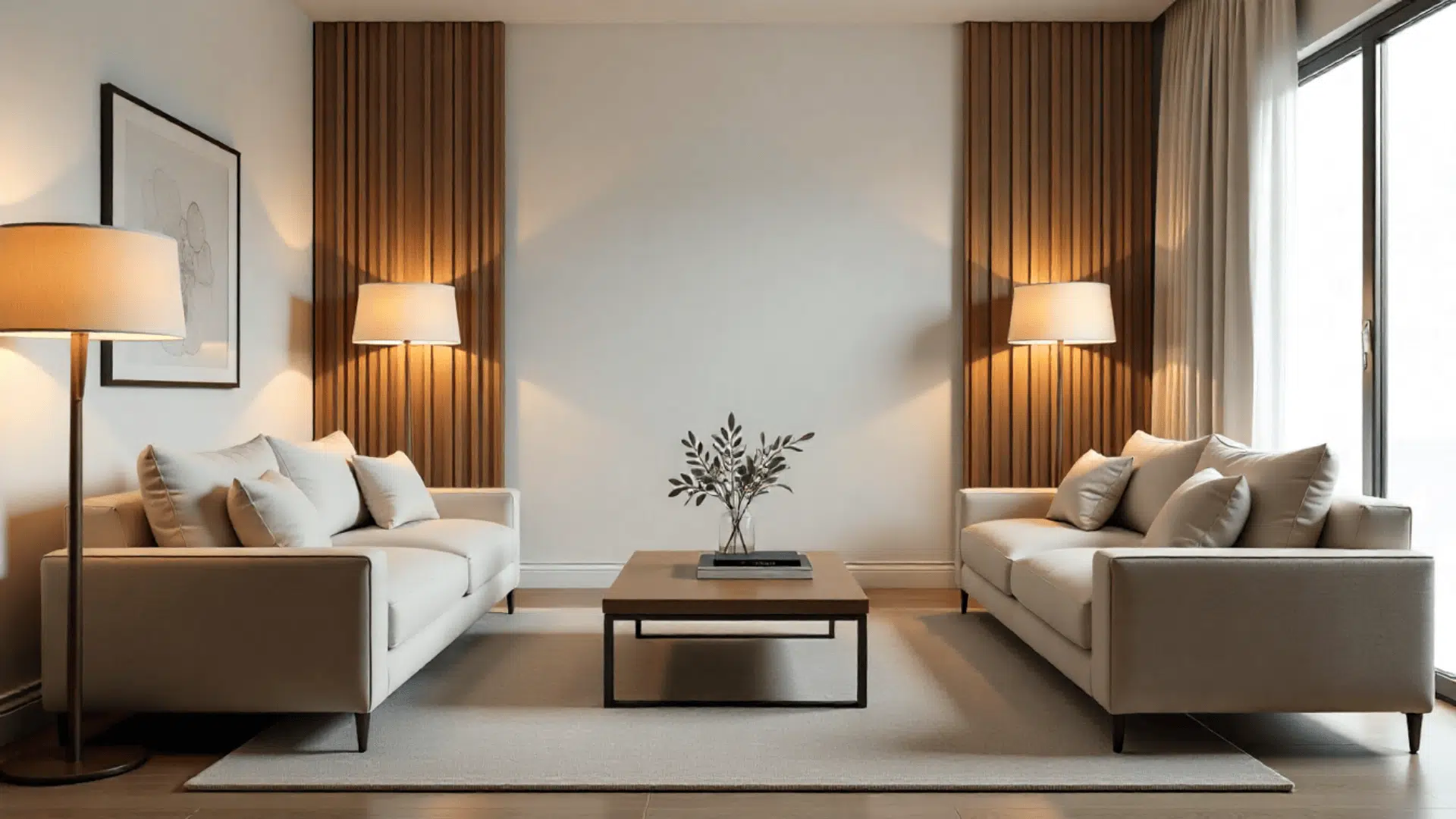
A symmetrical layout creates calm and balance in small square rooms. Place two matching sofas or armchairs facing each other across a central table or rug.
This arrangement encourages conversation and keeps the focus on the conversation. It also helps distribute visual weight evenly, making the space feel larger and more organized.
Add matching lamps or artwork on each side to enhance the symmetry and complete the polished look without making the room feel too formal.
13. Conversation-Circle Layout
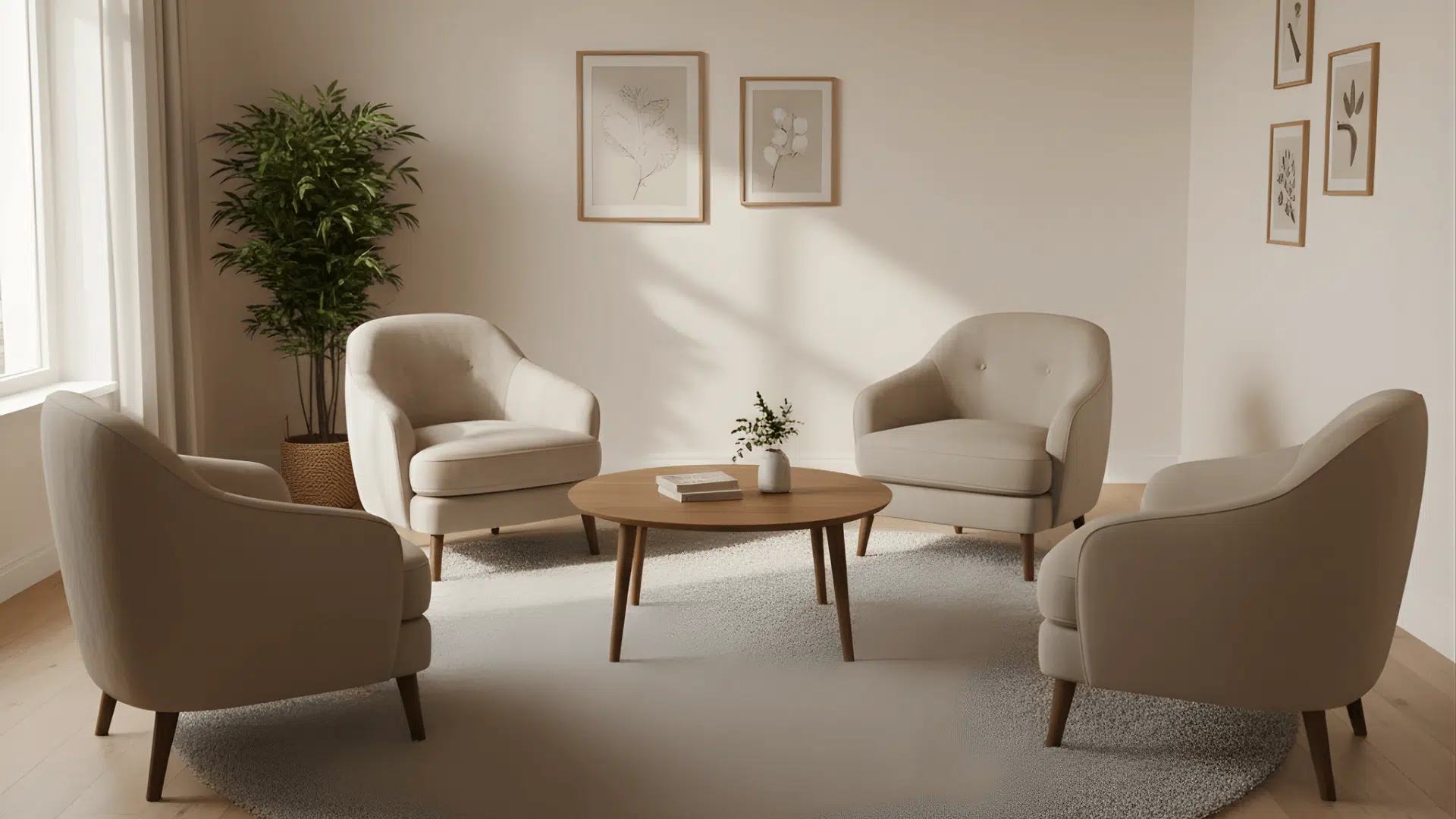
A circular seating layout is great for small spaces meant for gathering and relaxing. Arrange chairs and a small sofa around a round coffee table to create an inviting, social setup.
This shape naturally keeps everyone at an equal distance and encourages easy conversation. It also improves flow because there are no sharp corners or blocked paths.
You can use lightweight furniture that’s easy to move, letting you open up the circle whenever you need extra floor space.
Multi-Functional & Open-Concept Layouts
Open-concept spaces and multi-use rooms need layouts that define zones without making the space feel crowded. These ideas help you combine function and flow while keeping your living area flexible and inviting:
14. Open-Plan Living Layout
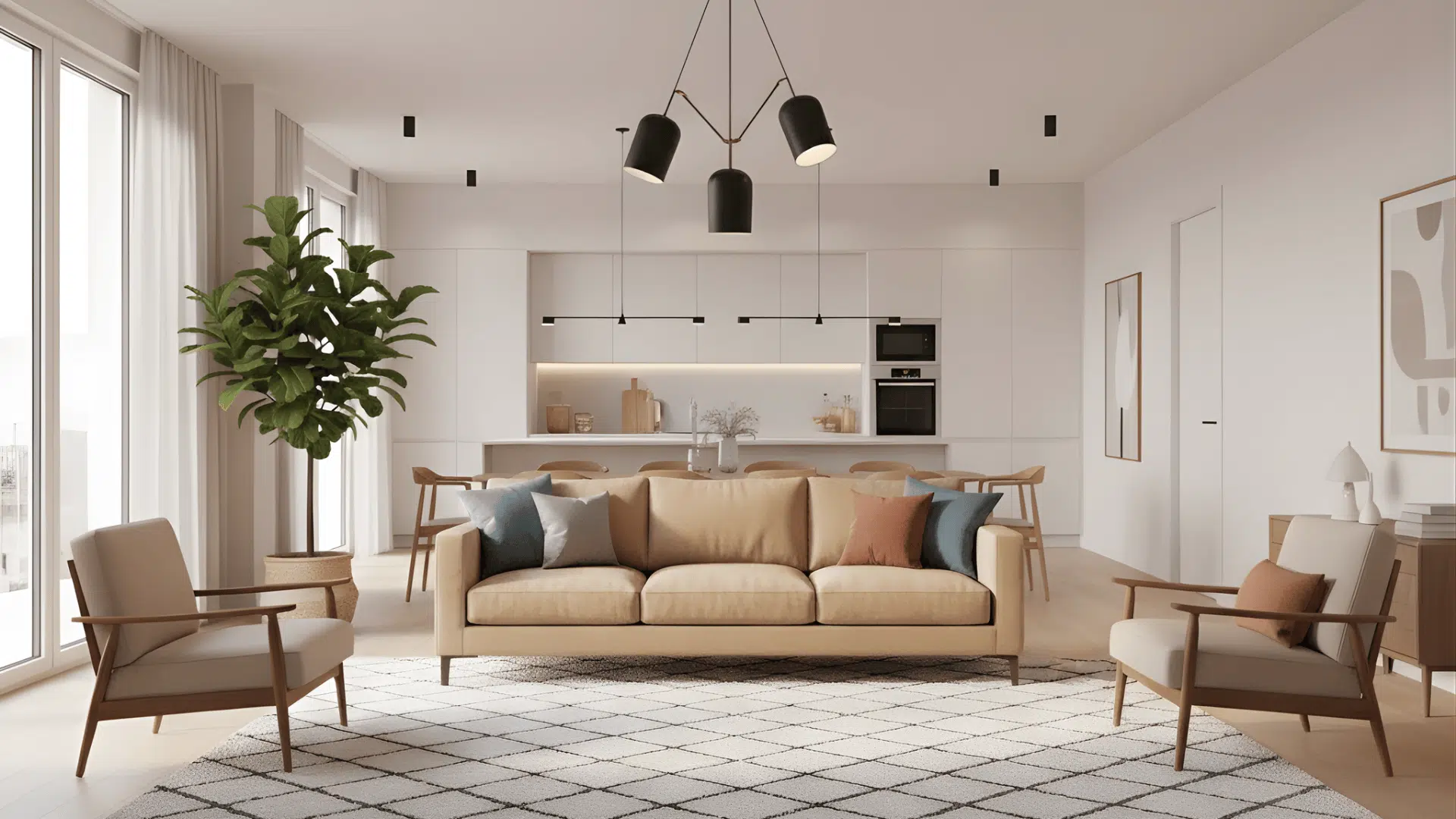
In an open-plan room, the key is to define areas without adding walls. Use rugs or furniture placement to mark your living zone while keeping sightlines open.
A sofa facing away from the dining or kitchen area can create a natural divide. Add lighting, such as floor lamps or pendant lights, to define vertical spaces.
This approach helps the whole area feel connected yet organized, giving structure to open spaces without losing their airy feel.
15. Dual-Function Layout
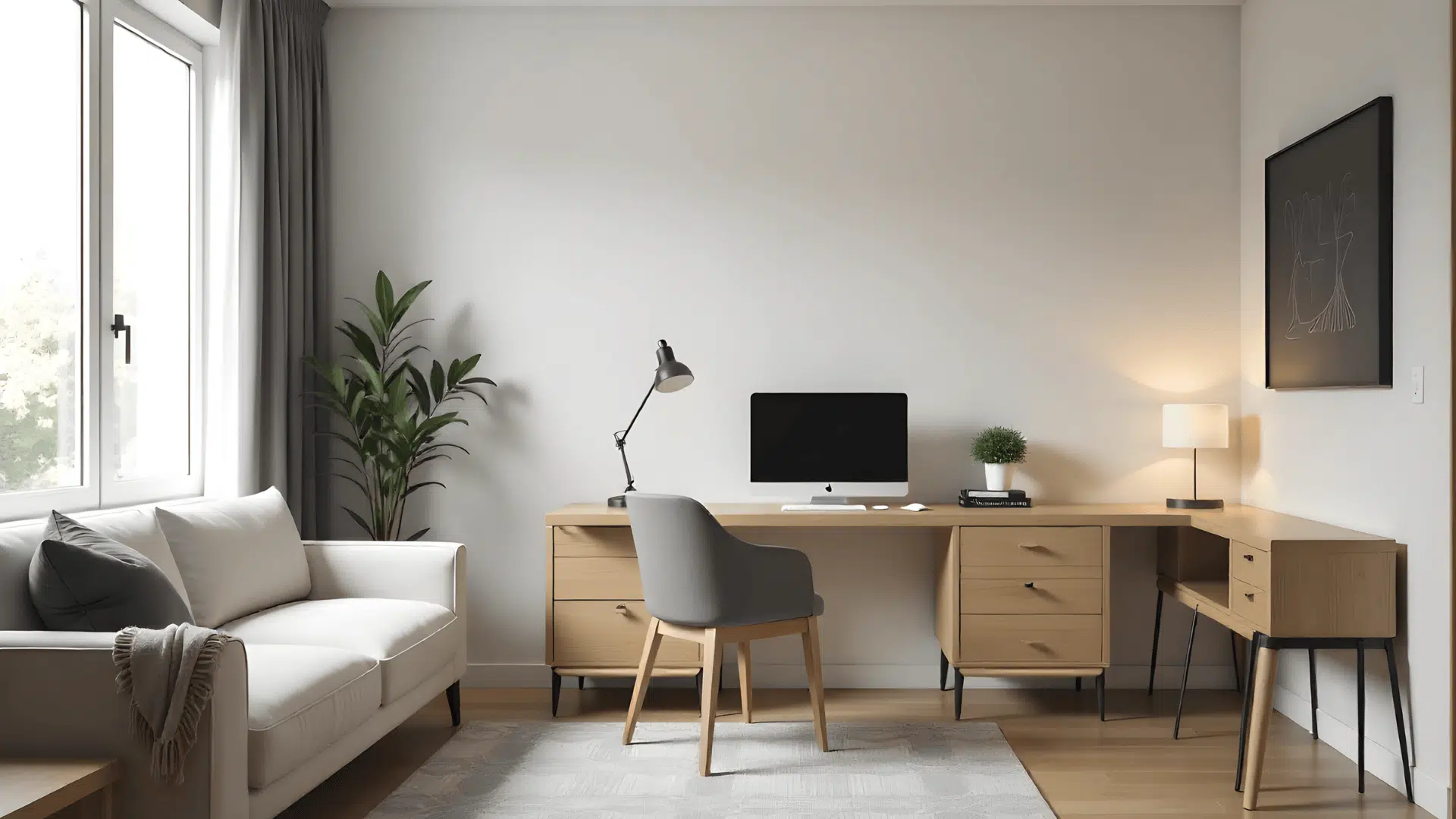
Small living rooms often have to do double duty, and this layout makes it easy. Combine your living space with a home office or dining area by using smart zoning and flexible furniture.
A console table can work as both a desk and a divider behind your sofa. Choose pieces that fold, stack, or roll away when not in use.
This setup keeps your home tidy and functional, especially if you need one room to serve multiple purposes.
16. Studio-Style Layout
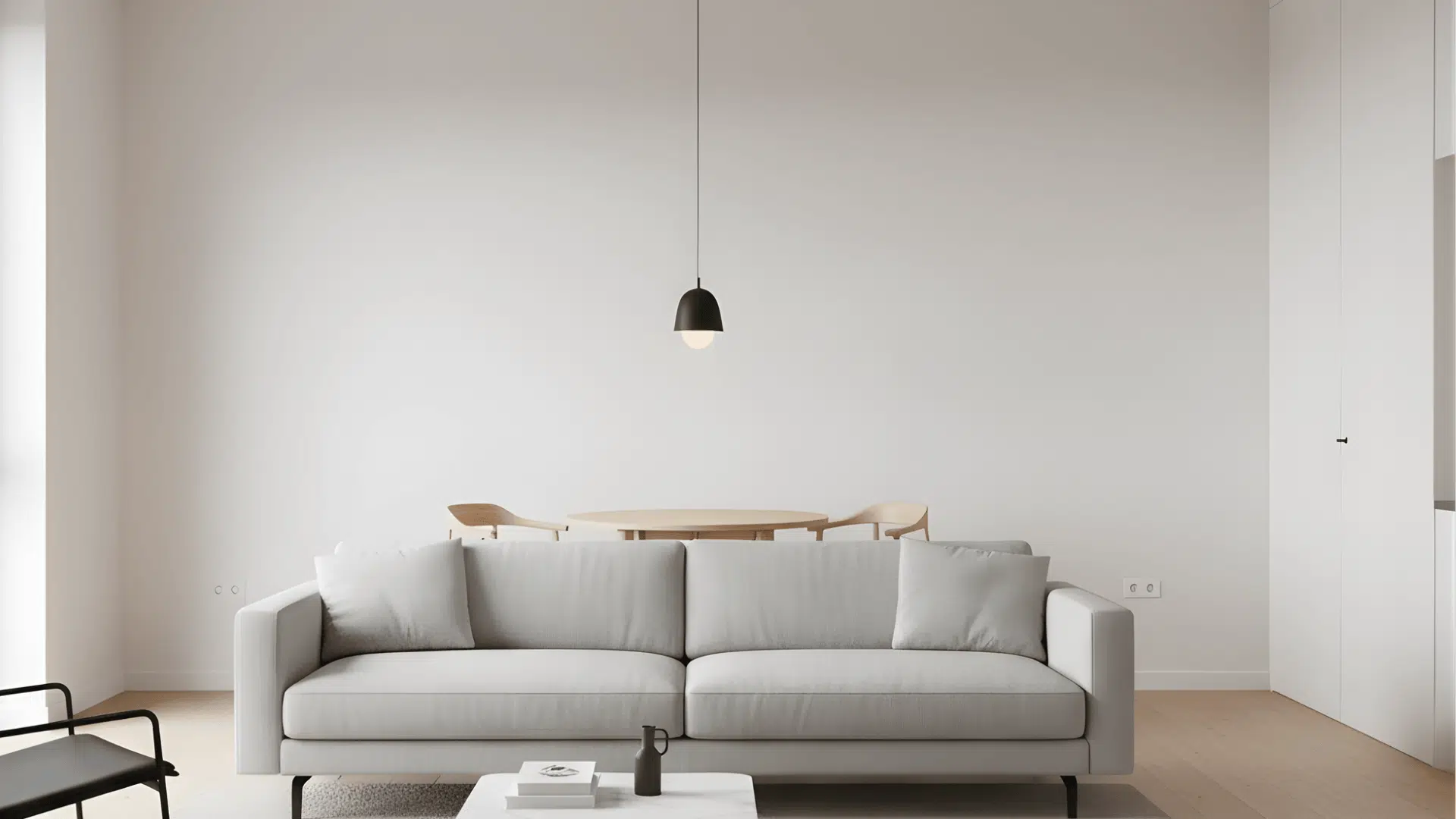
For studio apartments or compact open spaces, this layout helps create a sense of separation without walls.
Float furniture pieces, such as a sofa or shelving unit, to subtly divide zones while maintaining flow. A rug under the living area and pendant lighting over the dining spot help define each section.
Stick to a consistent color palette across zones to keep the look unified. This simple setup makes a small space feel structured yet open and comfortable.
Focal Point & Lighting-Based Layouts
A strong focal point and good lighting can completely change how a small living room feels. These layouts help you highlight what matters most while keeping the space bright, open, and balanced:
17. TV Wall Focus Layout
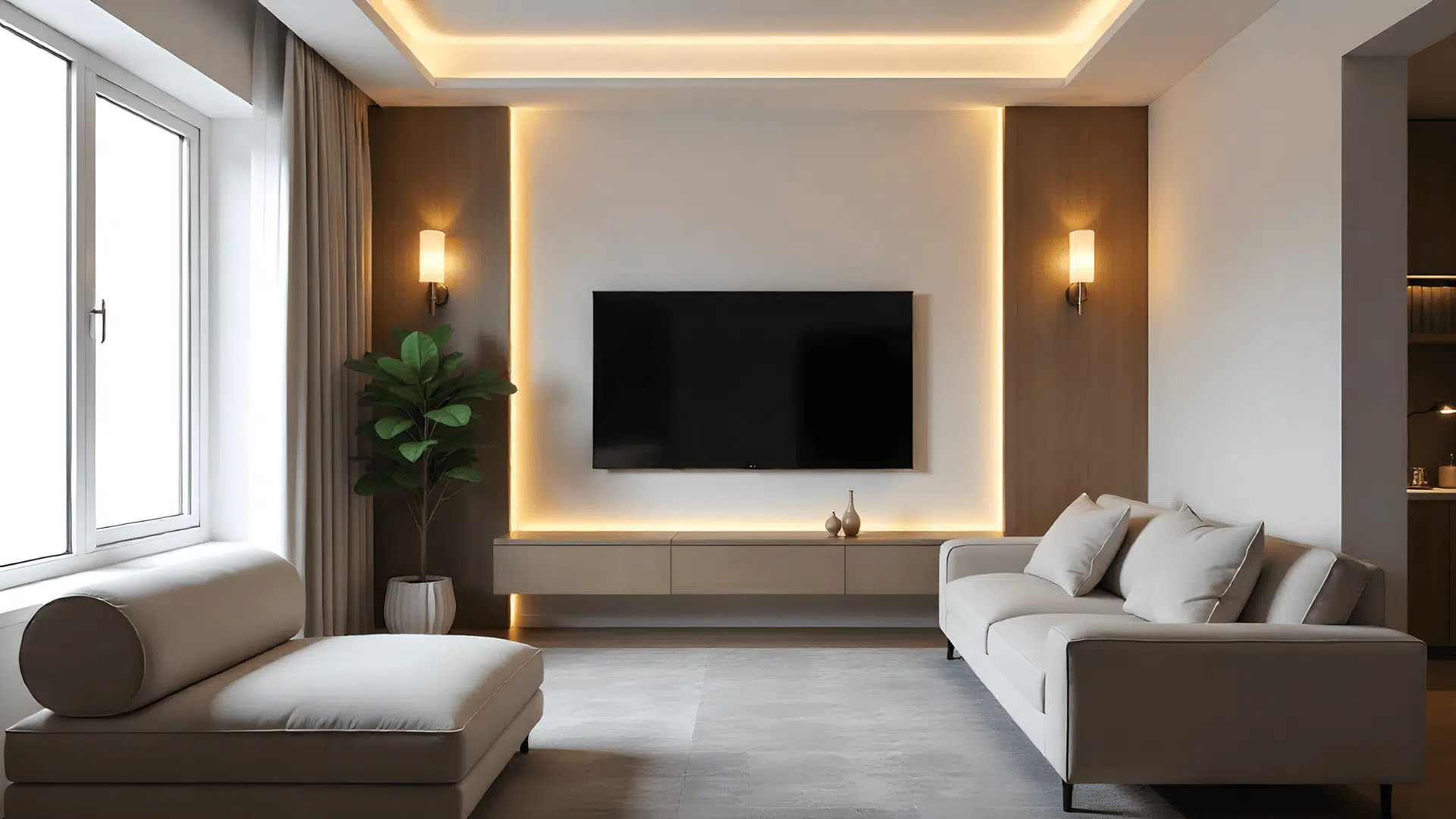
Mounting the TV on the wall instantly saves floor space and gives the room a cleaner look. Use a slim media console or floating shelf underneath to keep cables hidden and clutter minimal.
Place the sofa directly across for the best viewing angle, and add slim side chairs or nesting tables for flexibility.
Soft wall lighting or sconces on each side of the TV create balance while keeping the focus neat and centered.
18. Window-Focused Layout
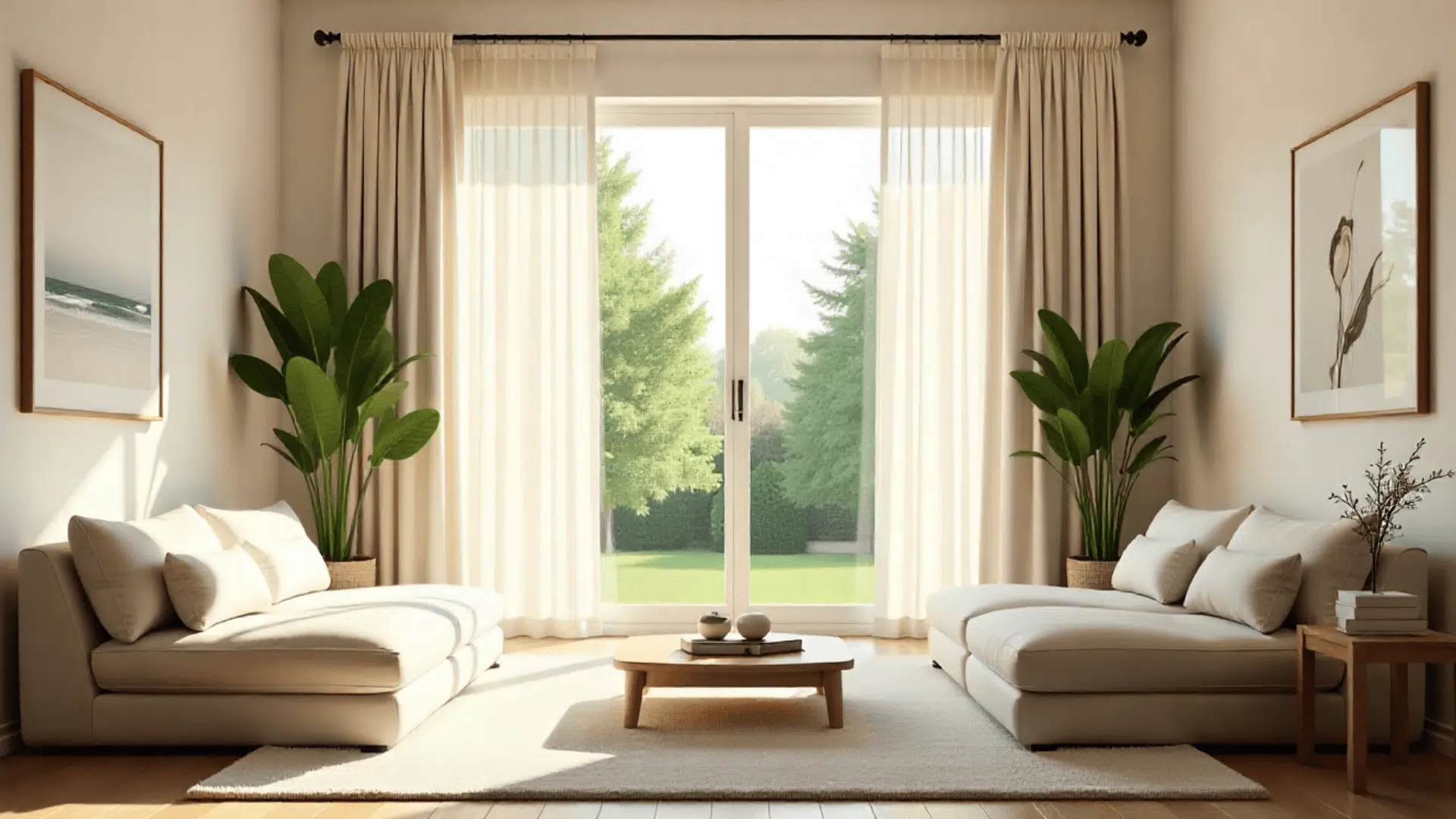
This layout uses natural light as the centerpiece of your living room. Arrange seating to face or frame the largest window so daylight and outdoor views become part of the design.
Use light curtains or blinds that let sunlight in without glare. A sofa under the window works well if the sill is high enough, while side chairs angled toward the view add comfort. This setup brings in warmth, depth, and an instant feeling of openness.
19. Sofa + Accent Chair Combo
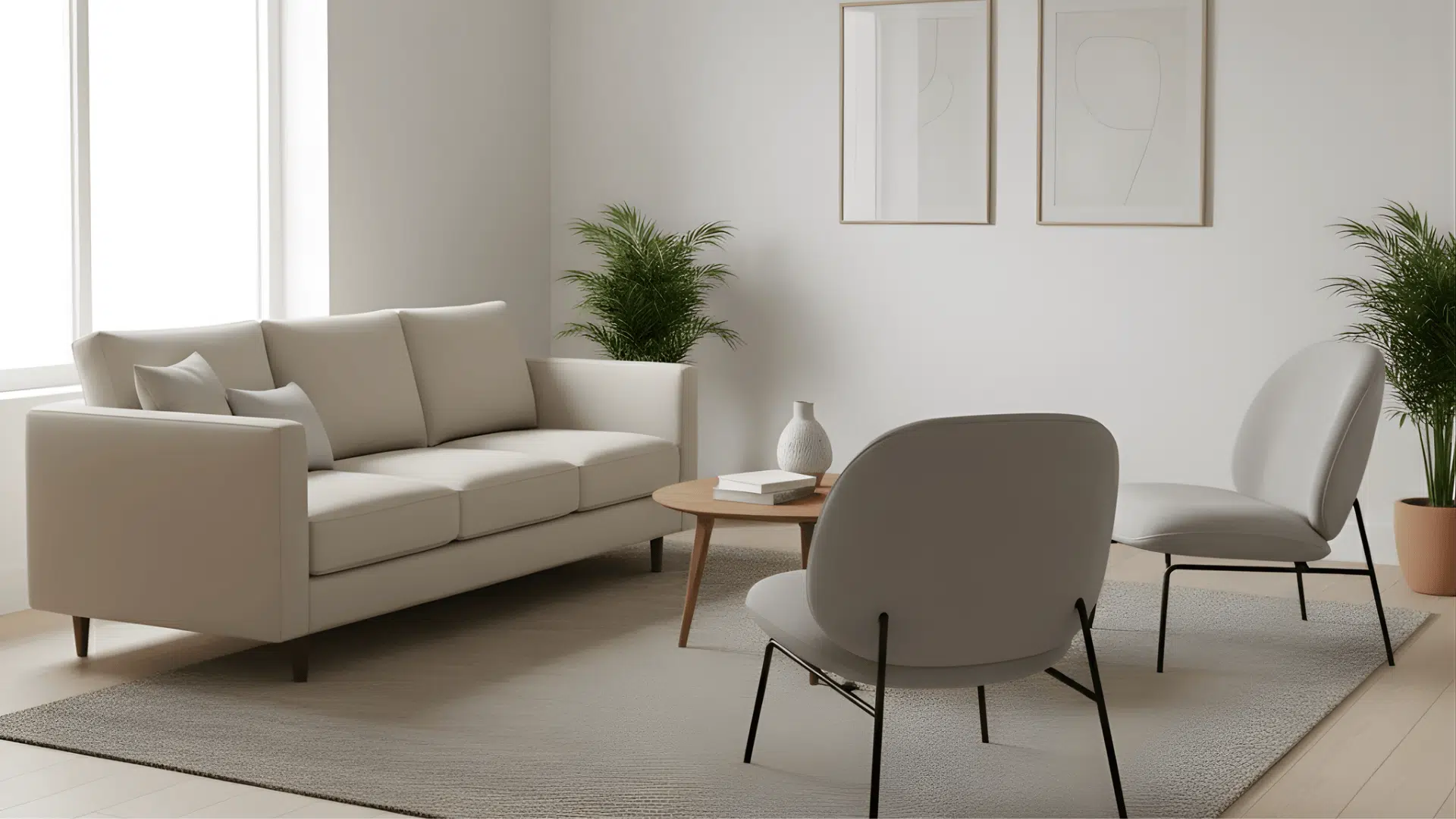
Pairing a main sofa with two light accent chairs is one of the most flexible setups for small living rooms. It keeps seating comfortable while allowing easy movement and reconfiguration.
Choose chairs with open frames or legs to keep the space visually light. Position them at an angle around a small coffee table to encourage conversation and create balance.
This simple combo adapts well to any layout, from square to open-plan, while keeping the room airy and inviting.
No matter your room shape or size, the right layout can completely change how it feels and functions. Try a few of these ideas, mix what works best, and create a setup that truly fits your lifestyle.
Smart Furniture Placement for Small Living Rooms
A good layout can make a small living room feel open and easy to move around. Use these simple principles and rules to guide your setup:
- Choose smaller pieces: Go for furniture that fits your scale. Skip bulky sofas or oversized tables that crowd the room.
- Keep sightlines open: Pick sofas and chairs with legs so you can see under them. Avoid heavy furniture near windows to keep the space light and airy.
- Use your walls wisely: Add shelves, tall cabinets, or wall-mounted units to free up floor space.
- Create simple zones: Even in a small room, visually separate areas. You can have a seating corner and a small reading spot without clutter.
- Mind the traffic flow: Leave 30–36 inches of space between main pieces so people can move easily.
- Face the focal point: Arrange your main seating toward the TV, fireplace, or window; whichever draws attention first.
- Float furniture when you can: Don’t push everything against the walls. Pull the sofa out a little to make the space feel more intentional.
- Balance the visual weight: If you have a large sofa, pair it with lighter chairs or open-frame pieces to keep the room balanced.
- Lighten the look: Mirrors, soft colors, and furniture that does double duty, like ottomans or nesting tables, help make the room feel larger.
These rules work together to make your small living room look open, balanced, and welcoming without losing comfort.
Final Thoughts
Designing a small living room doesn’t have to feel limiting; it’s about making smart choices that reflect how you actually live.
You’ve just seen some of the best small living room layout ideas, from clever furniture placement to cozy corner setups and light-filled designs.
Whether you rearrange a corner, float your sofa, or add built-in storage, even the smallest changes can make a big difference.
So grab a tape measure, trust your instincts, and start shaping a layout that fits your life perfectly; one small, smart step at a time!