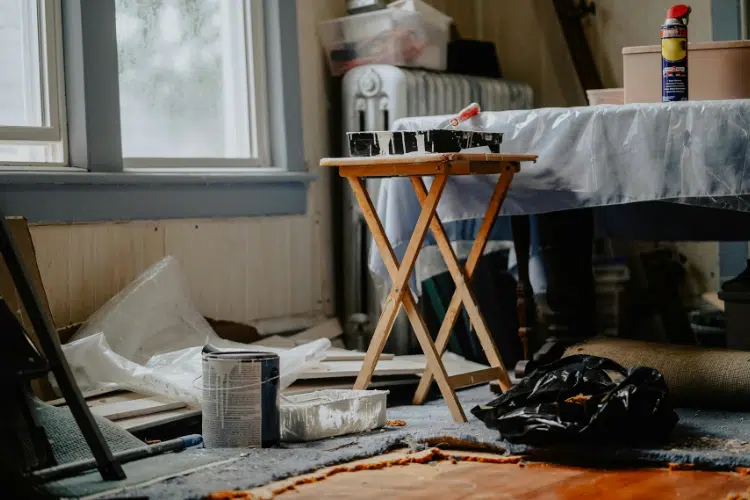
Owning a home brings pride, comfort, and a long list of responsibilities. Many homeowners think maintenance means large projects or costly upgrades. In practice, steady attention to small details does more to protect a house than big renovations done once in a while. Minor issues tend to grow quietly. A loose screw, a slow drip, or a tiny crack can turn into damage that costs far more to repair.
This article focuses on simple fixes that fit into regular routines. These tasks take little time, need basic tools, and pay off over the long term. With steady care, a home stays safer, more efficient, and easier to manage.
Why Should You Do Small Fixes?
Small problems rarely stay small. Water finds weak spots, air slips through gaps, and movement loosens parts over time. When these signs go unnoticed, damage spreads behind walls, under floors, or into structural areas.
Routine maintenance keeps systems working as intended. It also protects property value and reduces surprise repair bills. Homes that receive steady care age better and stay more comfortable year-round. A short monthly walkthrough often reveals issues long before they turn serious.
Tighten What Is Loose: Doors, Cabinets, and Fixtures
Loose parts are easy to miss and simple to correct. Door hinges, cabinet handles, towel bars, and stair railings loosen with daily use. A screwdriver or drill usually solves the issue in minutes.
Squeaky doors often need hinge pins cleaned and lightly oiled. Cabinet screws that no longer grip can be replaced with slightly longer ones. For wood that has worn down, a wooden toothpick and a drop of glue restore holding strength. These small actions prevent alignment problems and reduce wear on surrounding materials.
Safety Gear and Electrical Checks
Safety checks belong on every home maintenance list. Smoke and carbon monoxide alarms should be tested monthly, with batteries replaced once a year. Working alarms save lives and give peace of mind.
Electrical outlets and switches also deserve attention. Loose outlets, cracked covers, or burn marks signal trouble. Replacing a damaged outlet early reduces fire risk and keeps wiring stable.
For homeowners who weld or work with metal at home, proper eye protection matters. Auto-darkening welding lenses help protect vision and support safe work habits, and products from Ridge Products Welding offer reliable options suited for both home workshops and professional environments.
Plumbing: Stop Leaks Before They Spread
Water damage ranks among the most expensive home repairs, yet many plumbing problems start small. A slow drip under a sink or moisture around a toilet base signals trouble. Regular checks under sinks and behind appliances reveal early signs.
Worn washers, loose fittings, and aging supply lines often cause minor leaks. These parts cost little and install quickly. Showerheads clogged by mineral buildup benefit from a vinegar soak, which restores flow and reduces strain on pipes. Early attention prevents mold growth and damage to cabinets or flooring.
Gutters and Roof Care
Gutters guide water away from the home. When clogged, they overflow and send water toward the foundation or siding. Cleaning gutters twice a year keeps water flowing as intended. After clearing debris, running water through downspouts confirms proper drainage.
Roof inspections also help. Shingles that curl, crack, or lift invite leaks. Replacing a few damaged shingles early avoids interior ceiling and wall repairs later. These tasks require care and proper safety steps, though many homeowners handle basic inspections from the ground or a ladder.
Sealing Gaps and Managing Drafts
Air leaks waste energy and invite moisture and pests. Gaps around windows, doors, and utility lines are common entry points. Caulking visible cracks and adding weatherstripping improves indoor comfort and reduces heating and cooling costs.
Outlet and switch plates on exterior walls also allow air movement. Foam gaskets placed behind these covers block drafts and improve efficiency. These fixes cost little and deliver noticeable results during temperature extremes.
Paint Touch-Ups and Trim Maintenance
Paint protects surfaces from moisture and wear. Peeling or chipped paint exposes wood and invites rot. Small touch-ups stop damage before replacement becomes necessary.
Scraping loose paint, sanding edges, and applying primer keeps surfaces sealed. For minor wood damage, fillers or trim replacement solve the issue. Well-maintained paint and trim support both appearance and durability.
Flooring and Interior Surfaces
Loose floorboards and cracked tiles often start as minor annoyances. Left alone, they become safety hazards and allow moisture below the surface. Refastening a board or filling a small tile chip preserves the subfloor and prevents larger repairs.
Interior walls also show early signs of trouble. Small cracks around doors and windows may reflect settling. Monitoring these areas over time helps identify patterns that may need professional review.
HVAC and Appliance Maintenance
Heating and cooling systems benefit from steady care. Dirty filters force systems to work harder and shorten equipment life. Replacing filters on schedule supports airflow and indoor air quality.
Appliances show early warning signs as well. Dryers that take longer to dry clothes may have clogged vents. Refrigerators that cycle often may need coil cleaning. These tasks improve performance and reduce fire risk.
Foundation and Basement Awareness
Basements and crawl spaces reveal much about a home’s condition. Damp smells, water stains, or small wall cracks point to drainage or moisture issues. Keeping downspouts directed away from the foundation and grading soil to slope outward reduces water pressure on walls.
Small cracks can be sealed with appropriate repair products. Tracking changes over time helps determine whether further action is needed.
Knowing When to Call a Professional
Many small fixes suit a homeowner’s skill set. Others require licensed expertise. Electrical rewiring, major plumbing repairs, and structural issues call for trained professionals. Recognizing limits protects safety and prevents costly mistakes.
Timely professional help often costs less than delayed action. Early assessment keeps problems contained and protects the home’s long-term health.
Conclusion
Small fixes form the backbone of smart home care. A few minutes spent tightening, sealing, cleaning, or replacing worn parts prevents damage that grows quietly over time. These habits protect comfort, safety, and property value.
A simple routine and basic tools go a long way. By staying attentive to early signs, homeowners avoid major disruptions and enjoy a house that works as it should, year after year.