Kitchen and bathroom remodels demand more attention than any other areas of the home. These spaces concentrate the highest level of daily use, technical complexity, and long-term wear.
From kitchen cabinetry layouts, worktops, appliances, plumbing lines, and ventilation to bathroom waterproofing, fixture placement, storage solutions, and moisture control, every decision carries functional consequences.
Approaching kitchen and bathroom remodeling purely as a visual upgrade often leads to layouts that look good but fail over time.
Remodeling with function, flow, and longevity in mind ensures these spaces not only meet today’s lifestyle needs, but continue to perform efficiently, comfortably, and reliably for years to come.
Why Kitchens and Bathrooms Require a Different Remodeling Mindset
Unlike living rooms or bedrooms, kitchens and bathrooms are highly technical environments. They combine water, electricity, heat, ventilation, and constant movement within compact footprints.
Effective remodeling must balance:
- Practical workflow and accessibility
- Durability under daily use
- Ease of cleaning and maintenance
- Long-term adaptability
When these factors are overlooked, even high-end finishes can feel inconvenient or deteriorate prematurely.
Function First: Designing for Real Daily Use
Kitchens: Workflow Over Decoration
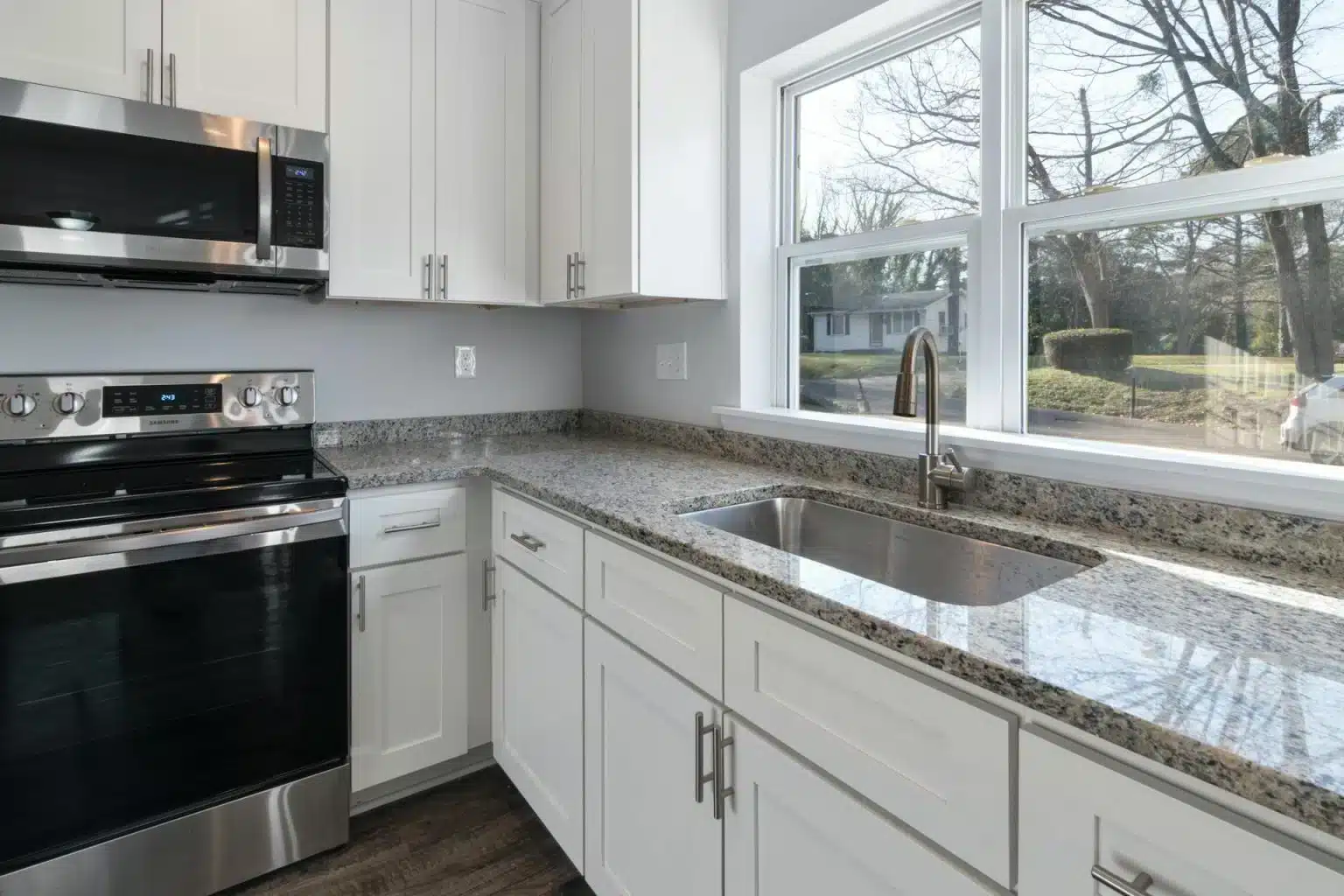
In kitchen remodeling, function begins with how the space is used throughout the day. Layout decisions should prioritise efficient movement between preparation, cooking, cleaning, and storage zones.
Key functional considerations include:
- Logical placement of sinks, cooktops, and appliances
- Adequate counter space where work actually happens
- Storage designed for everyday items, not just display
- Durable surfaces that withstand heat, spills, and impact
A kitchen that supports daily routines reduces friction, saves time, and remains comfortable under heavy use.
Bathrooms: Comfort, Safety, and Practicality
Bathrooms demand a different functional focus. Layouts must account for moisture, privacy, and ease of use—often in limited space.
Function-driven bathroom remodeling considers:
- Clear circulation and door swing
- Proper spacing around fixtures
- Slip-resistant flooring and safe transitions
- Storage that keeps surfaces uncluttered
These decisions directly influence comfort, safety, and long-term usability.
Flow: How Movement Shapes Better Spaces
Flow refers to how people move through a space and how intuitively it responds to that movement. Poor flow creates congestion, awkward turns, and underused areas—issues that become more noticeable over time.
Kitchen Flow
Good kitchen flow allows multiple activities to happen without interference. This is especially important in open-plan homes or shared households.
Effective flow design includes:
- Clear walkways that don’t cut through work zones
- Appliance placement that avoids door conflicts
- Island or peninsula designs that support movement rather than block it
When flow is right, the kitchen feels effortless rather than crowded.
Bathroom Flow
In bathrooms, flow is about efficiency and comfort in tight quarters. Smooth transitions between shower, vanity, and storage zones reduce visual and physical clutter.
Thoughtful flow planning helps:
- Make small bathrooms feel more spacious
- Reduce water splash and moisture buildup
- Improve daily routines without sacrificing design
Longevity: Designing Beyond Trends
Longevity is often overlooked during remodeling, yet it has the greatest impact on long-term satisfaction and cost.
Materials That Age Well
Kitchens and bathrooms benefit from materials chosen for performance rather than short-term trends.
Longevity-focused selections include:
- Moisture-resistant cabinetry and finishes
- Durable worktops that tolerate heat and wear
- Quality fixtures designed for repeated use
- Flooring that resists water damage and staining
Well-chosen materials maintain their appearance and function even as styles evolve.
Adaptability Over Time
A remodel should anticipate change—whether it’s a growing family, aging in place, or shifting lifestyle needs.
Designing for longevity means:
- Flexible storage solutions
- Accessible layouts that can adapt without major renovation
- Neutral foundations that allow easy visual updates
This approach extends the life of the remodel and reduces future disruption.
Plumbing, Ventilation, and Hidden Systems
Behind every successful kitchen or bathroom remodel is careful planning of systems that are rarely visible but critically important.
These include:
- Proper plumbing layouts that reduce future maintenance issues
- Ventilation systems that manage humidity and odours
- Electrical planning that supports modern appliances and lighting
Ignoring these elements often leads to costly corrections later. Remodeling with longevity in mind means addressing these systems thoroughly from the start.
Balancing Design with Performance
A functional, long-lasting remodel does not require sacrificing aesthetics. The most successful kitchens and bathrooms integrate design and performance seamlessly.
This balance is achieved by:
- Letting layout guide visual decisions
- Choosing finishes that support daily habits
- Avoiding overly complex designs that increase maintenance
When design supports function, spaces feel refined without becoming fragile.
Common Remodeling Mistakes to Avoid
Many remodeling issues stem from prioritising appearance over usability. Common mistakes include:
- Insufficient storage planning
- Poor lighting placement
- Overly tight layouts that restrict movement
- Trend-driven material choices without durability consideration
Avoiding these mistakes requires stepping back and evaluating how the space will perform five, ten, or fifteen years down the line.
Remodeling as a Long-Term Investment
Kitchens and bathrooms are not just design projects—they are long-term investments in comfort, efficiency, and property value. Remodels that focus on function, flow, and longevity consistently deliver better outcomes, fewer regrets, and higher satisfaction.
Rather than chasing trends, successful remodeling prioritises how spaces work, how they feel to use, and how they hold up over time.
Designing Spaces That Last
Remodeling kitchens and bathrooms with function, flow, and longevity in mind creates spaces that support daily life rather than complicate it. Thoughtful layouts, durable materials, and well-planned systems ensure these high-use areas remain reliable, comfortable, and visually relevant for years to come.
When design decisions are guided by real use and long-term performance, kitchens and bathrooms stop being renovation projects—and become well-designed foundations for everyday living.