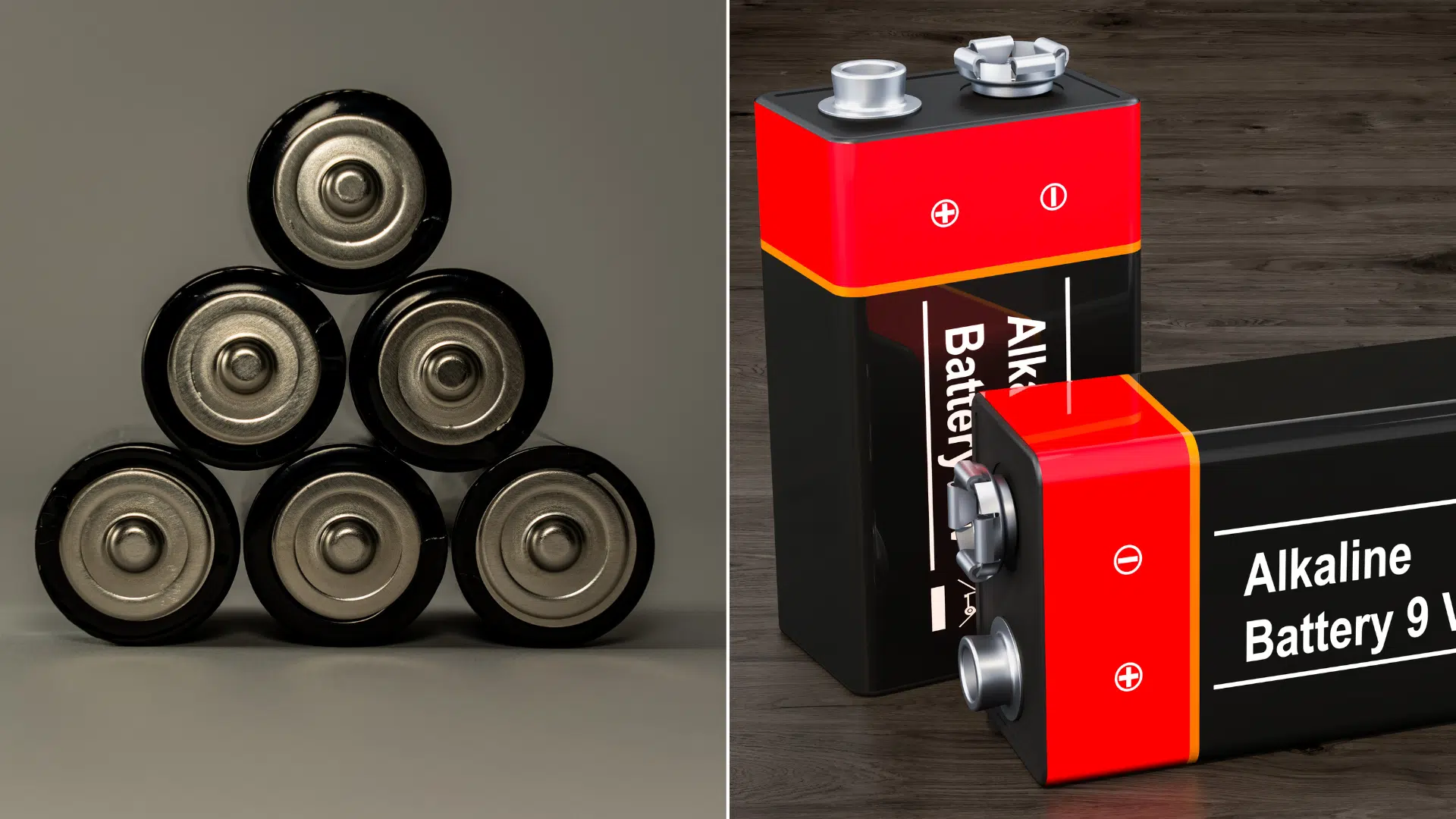
Choosing between lithium and alkaline batteries can feel confusing, especially when every device seems to need something different.
I’ve run into this problem many times, and it usually leads to standing in the battery aisle, wondering what actually works best.
In this guide, I’ll break down the differences in plain language so you don’t waste money or drain power too quickly.
By the end, you’ll know exactly which battery type fits your needs and why it matters.
Battery Basics: What Alkaline and Lithium Actually Are
Alkaline batteries are everyday disposable batteries that use a mix of zinc and manganese dioxide to create power.
They’re the classic AA and AAA batteries most people keep in kitchen drawers. Their chemistry is designed to produce steady energy for common household devices.
Lithium batteries are a different type of disposable battery that uses lithium-based materials to create power. They’re built to deliver energy in a more efficient way and come in shapes like AA, AAA, and small coin cells.
Their chemistry allows them to hold power for long periods, making them useful in devices that rely on long-lasting energy.
Lithium vs. Alkaline: Key Differences
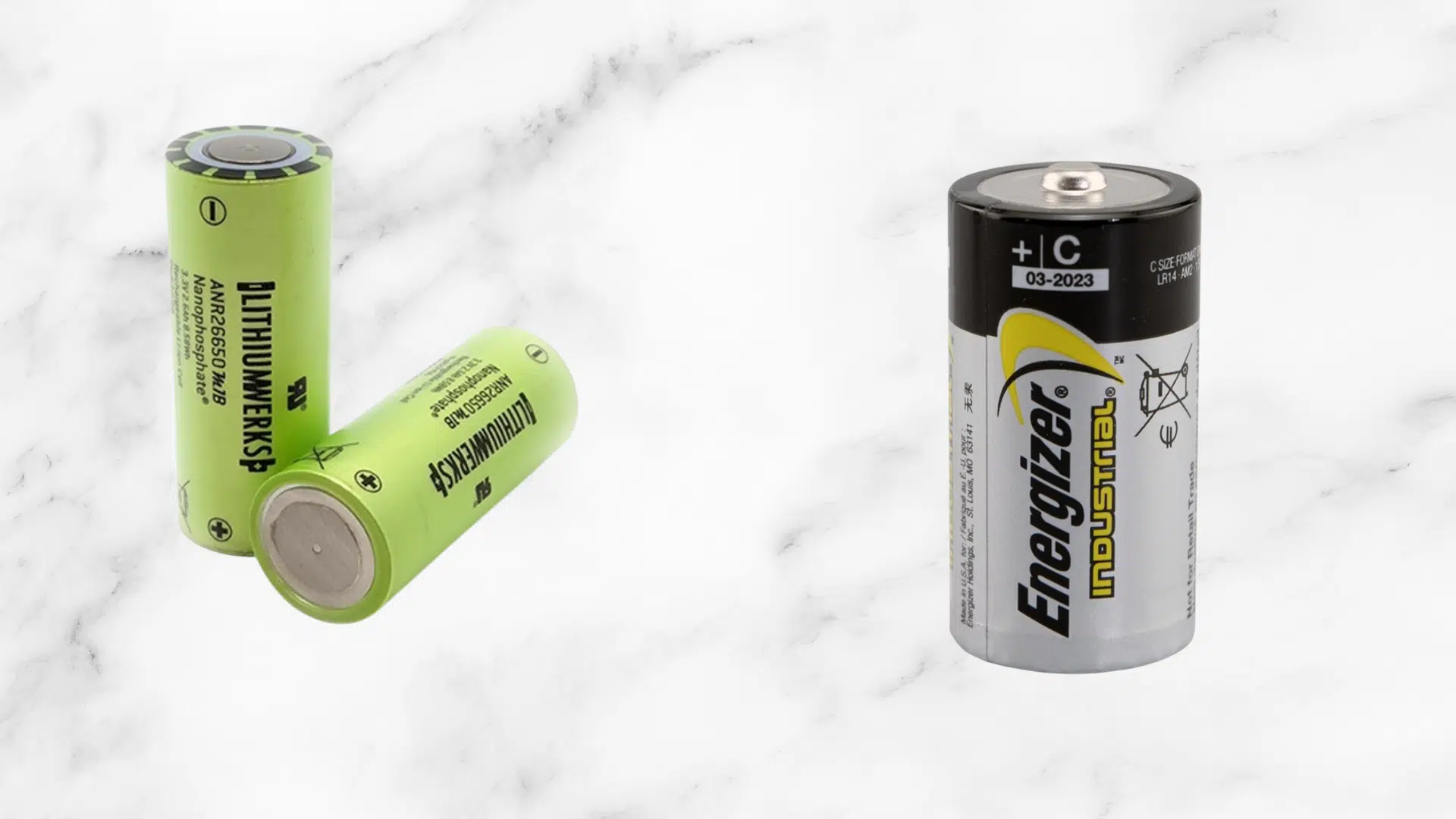
Choosing between lithium and alkaline batteries comes down to how they’re built and how they behave in real devices.
1. Voltage and Power Delivery
Lithium batteries give a steady level of power from start to finish. They hold their voltage well, which helps devices run smoothly without losing strength too quickly.
Alkaline batteries slowly drop in power as they’re used. This can make some devices feel weaker over time, especially if they need steady energy.
2. Weight and Design
Lithium batteries are lighter because of the materials used inside them. This makes them easier to carry in gear you use outdoors or for long periods.
Alkaline batteries are slightly heavier, but the weight doesn’t matter much in simple home devices. Their basic design works well for everyday use.
3. Shelf Life and Storage
Lithium batteries can stay charged for many years without being used. They’re great for items that sit in storage, like emergency kits or backup flashlights.
Alkaline batteries lose charge more quickly over time. They’re still reliable, but they’re better for devices you use and replace batteries in more often.
4. Temperature and Leak Risk
Lithium batteries work well in both hot and cold temperatures, making them a strong choice for outdoor gear. They’re also less likely to leak, even after long periods of use.
Alkaline batteries don’t handle extreme temperatures as well and can lose power quickly in the cold. They are more likely to leak if left in devices for too long.
Cost: Upfront Price vs. Cost Per Hour
Batteries can look cheap or expensive depending on how often you use them.
| Battery Type | Typical Price Range (AA) | Upfront Cost | Cost Per Hour | Short Description |
|---|---|---|---|---|
| Alkaline | $0.30–$0.80 per battery | Low | Higher in high-drain devices | Good for light use but drains faster when devices need more power. |
| Lithium | $2.00–$3.50 per battery | High | Lower, especially in high-drain devices | Lasts much longer, stays steady, and gives better long-term value in demanding gear. |
Even though lithium batteries cost more upfront, they often save money in devices that burn through power quickly. Alkaline is still the better deal for simple, low-drain gadgets.
Which Battery for Which Device?
Different devices drain power at different speeds, so choosing the right battery can save you time and money.
When to Choose Lithium Batteries
- Great for cameras, flashes, and filming gear
- Best for outdoor devices used in cold weather
- Ideal for security cameras and smart sensors
- Good for flashlights, headlamps, and camping gear
- Useful for emergency kits that sit unused for long periods
- Better for high-drain toys or gadgets used daily
When to Choose Alkaline Batteries
- Perfect for TV remotes and wall clocks
- Works well for basic toys that aren’t used often
- Good for small household electronics
- Ideal for simple sensors and budget-friendly devices
- Great when you want a low upfront cost
- Best for low-drain gadgets that don’t need steady high power
Safety, Disposal, and Environmental Impact
Keeping batteries safe and disposing of them the right way is just as important as choosing the right type.
Lithium batteries should never be thrown in regular trash because they can spark or leak, so it’s best to take them to a battery recycling center.
Alkaline batteries are a bit easier to dispose of, but recycling is still the cleaner choice.
No matter the type, keeping batteries out of heat, storing them properly, and recycling them helps reduce waste and protects the environment.
Conclusion
Choosing between lithium and alkaline batteries doesn’t have to feel confusing. Once you understand how each one works, it becomes much easier to match the right battery to your device.
Lithium is the better pick for high-drain, outdoor, or long-term use, while alkaline fits everyday gadgets that don’t need a lot of power.
Both have their place – you just need to think about how often you use the device and how long you want the battery to last.
Now that you know the key differences, take a moment to check the batteries in your most-used devices. A small change can save you money, reduce waste, and keep your gadgets running smoothly.