Have you recently moved into a new rental? Do you have a specific and unique design style in mind for your space? If so, then it’s essential to know exactly what design and decor aspects will be allowed in your new rental. It’s crucial to know that there’s no one-size-fits-all approach to this, as each rental agreement will differ, based on what the homeowner will allow.
This post takes a quick look at the general interior design aspects that you can consider. Keep in mind that the goal is always to find non-permanent and non-damaging modifications. These often include painting in neutral colours, opting for loose or non-permanent rugs and carpets, and using safer, less invasive hanging solutions for artwork and photos. Here’s what you should consider.
Painting or Wallpaper
One of the number one things you may want to do when you move into a new space is paint the walls. This is especially the case if you’re keen on adding a statement wall for art or your photo collection.
Most landlords will allow this, provided that the walls are returned to a neutral color before moving out. Wallpaper options are usually forbidden because of the intense process of removal, but you may be allowed to opt for peel-and-stick options.
Making Holes in the Walls
Whether you prefer a cluttered Bohemian decor look or you prefer a minimalist approach, chances are that you’ll want to hang art, mirrors, or photos on your walls. Most landlords will allow this, but may ask you to refrain from using large anchors or nails that cause excessive holes in the walls.
In this instance, consider opting for command strips or modern picture hanging rails to avoid excessive nails all over the walls. Be sure to fill holes before moving out. It’s essential to plan for repairs and restorations close to the end of your lease.
Replacing Fixtures and Tapware
If you think that your new rental has old or dated tapware, light fixtures, or cabinet handles, the bad news here is that you might not be able to do anything about it. This is because this falls into the category of permanent repairs.
Speak to your landlord about replacing these and deducting the cost from one month’s rent. It’s essential to get these types of arrangements in writing.
Changing the Flooring
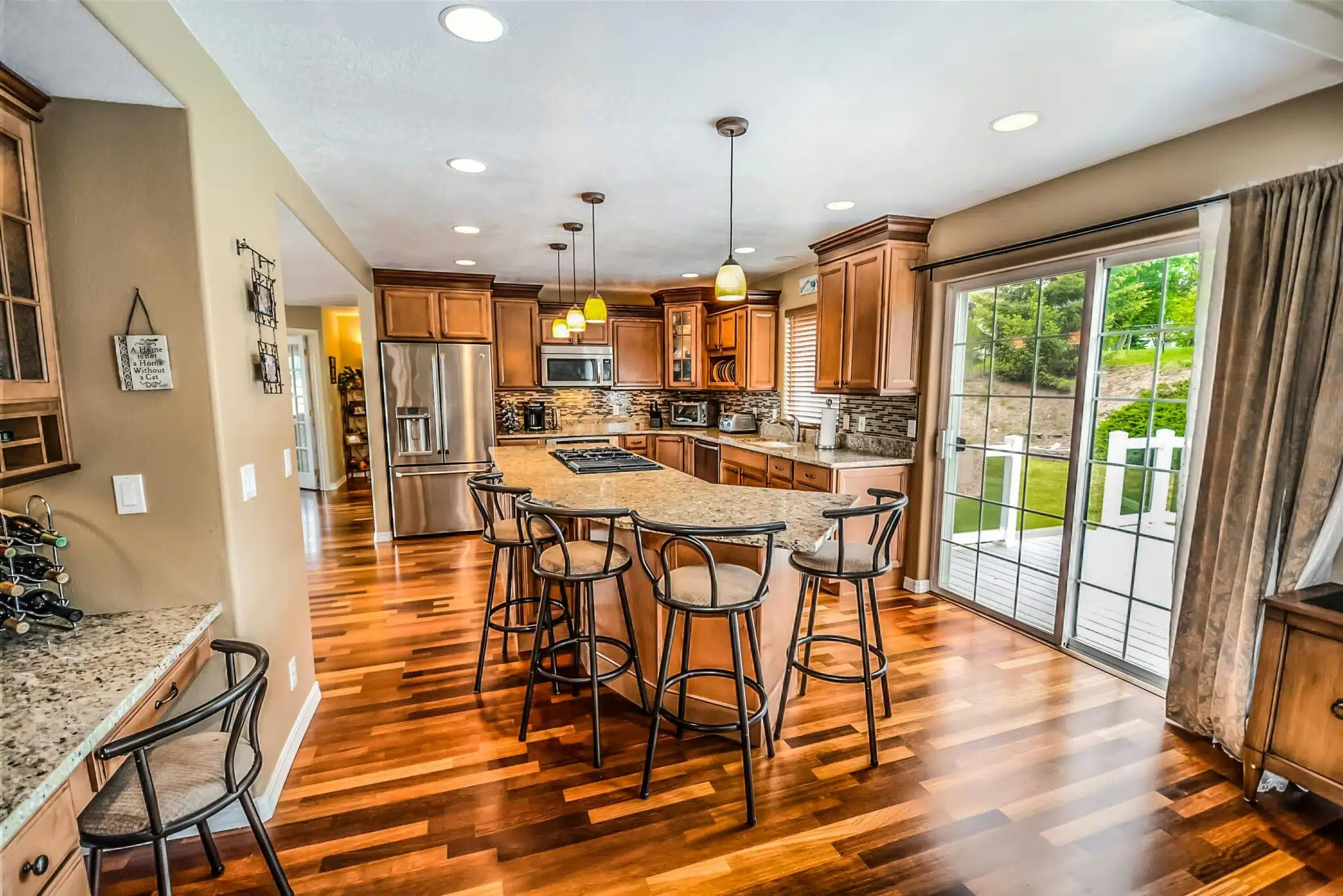
It’s no secret that some rentals have damaged or dated flooring. Keep in mind that replacing carpets and flooring is often not allowed either. In this instance, you can invest in loose rugs or carpets to enhance your space. Not only are loose carpets or wool rugs easier to remove when you leave, but they can also be easily changed when damaged or removed when no longer needed. Check the condition of the floors before signing your lease.
Invest in Quality Renter’s Insurance
Whether you’re renting for the first time or you’re moving to a larger space to accommodate a growing family, the number one aspect you should focus on is finding quality renters’ insurance. This begins with a comprehensive review of what will be covered by renters insurance and also understanding how it will benefit you.
At its core, renters insurance covers you and your personal property against factors such as theft, vandalism, and even fire. Opting for quality renters’ insurance, such as the option from Lemonade, will give you peace of mind that you’re covered for a host of eventualities.
Here’s what a quality renters insurance from Lemonade will cover:
- Personal property: This aspect ensures that your personal property is covered against various damages, such as fire or theft.
- Temporary living expenses: If an event at your rental, such as a fire, causes you to have to find temporary living arrangements, these additional living expenses will be covered within the stipulated criteria.
- Liability and medical bills: This covers any legal or medical bills for anyone who gets injured on your rental property.
When reviewing renters insurance options, it’s essential to know that not everything will be covered under standard premiums. This means it’s always recommended that you review the list of exactly what’s covered. Some good news here is that insurers such as Lemonade also offer extra coverage that offers broader protection to suit your specific needs.
Final Thoughts
Moving into your first or next rental space doesn’t mean you have to live in a gloomy space where you can’t showcase your quirky design style. In addition to studying the fine print of your lease agreement, be sure to speak to your landlord about what’s allowed.
A huge positive here is that most hardware stores and home improvement centers offer a wide range of non-permanent solutions that will easily enable you to create a cosy and comfortable home.