Think about how much time you spend at home. To start with, you sleep there for around 7 or 8 hours every night, give or take. You probably eat one or two meals a day there, too. And most likely spend some time chilling out, studying or even working. Because of that, your home has a big influence on how you feel in general.
One thing people often overlook at home when it comes to how they feel is their furniture. It’s easy to see it as just stuff you put in a room. But the truth is, it can affect your mood more than you realise.
In fact, the way furniture looks, feels, and works can make a space feel calm or stressful. It can also help you relax or make you feel uncomfortable without you even knowing why. When furniture is well-designed and thoughtfully placed in your home, it quietly influences how you live and how you feel. Here is how your choices can do that.
How Does Your Home Environment Influence Your Emotional Well-Being?
Your brain is always reacting to what’s around you. This includes everything from light and noise to space and comfort. All of which send signals to your mind.
Furniture is part of that environment. Therefore, if a room feels crowded or awkward, your body tends to stay a bit tense. Likewise, if it feels open and comfortable, it becomes much easier to relax. That is why furniture and mental health are so connected. Because a home that feels supportive helps your brain switch off when it needs to.
That said, emotional well-being at home doesn’t come from one big thing. It comes from feelings like sitting comfortably, moving through rooms without stress or immediately being in a settled state when you walk through the door.
What is The Connection Between Furniture Design and Mood?
Furniture design and mood are inextricably linked through simple things like shape, stability, and ease of use. For example, furniture with soft edges tends to feel safer and more relaxed. By contrast, heavy, solid pieces can make a space feel grounded. Conversely, furniture that feels wobbly or awkward can create low-level stress.
In some environments, furniture is carefully designed to support a person’s emotional safety. This is where elements like anti-ligature furniture come in. These designs have been created with aspects such as safety, stability, and calmness in mind. While they’re usually used in care settings, the ideas behind them show how powerful furniture design can be when it puts people first.
At home, the same thinking applies. Furniture that feels safe and easy to use helps your body relax. When your body relaxes, your mood often follows.
Why Physical Ease is Good For Your Emotional Health
Style is important when it comes to furniture in your home. But it also needs to be comfortable. The latter is actually very important for your mental wellness because when your body feels uncomfortable, your brain doesn’t rest. Instead, it stays alert. Over time, that can make you feel tired or irritated.
Chairs that properly support your back will help your muscles relax. Similarly, a sofa that feels good to sit on should make it easier to unwind. Even the height of a table can affect how comfortable your living space feels.
At the end of the day, discomfort can be distracting. However, comfort sends a signal to your brain that you’re okay where you are. That’s why comfort should always come first when choosing furniture. Especially in spaces where you spend a lot of time.
How Does Colour, Texture, and Materials Influence How a Space Feels?
Colour and texture can have a big influence on a room’s mood. For instance, soft colours often feel calming. But loud colours can feel energetic yet overwhelming when used too much. Texture can also play a part because soft fabrics tend to feel cosy and welcoming, while hard, shiny surfaces can feel a bit cold.
Mindful furniture design principles look at how materials make people feel. They often incorporate natural materials like timber and fabric, which are known to create a warmth that makes a space feel lived-in and comfortable.
At the end of the day, calming home interiors don’t necessarily need to be boring. Essentially, they just need balance. That is because when colours and textures work together, a room feels easier to be in.
How Do You Create Calm Through Layout and Flow?
The way furniture is placed in a room usually affects how calm it feels. For example, if it’s hard to walk through a space, your body won’t relax as much as it would if movement were easier.
Sometimes, the best way to create a relaxing home environment is to make simple layout changes to your floorplan. This can be anything from clear walkways to ensuring there is enough space between furniture. Essentially, anything that helps to create a good flow.
How to Design Emotionally Supportive Spaces Room by Room
In any home, different rooms serve different purposes. So, they need different types of furniture to help them perform at their optimal level.
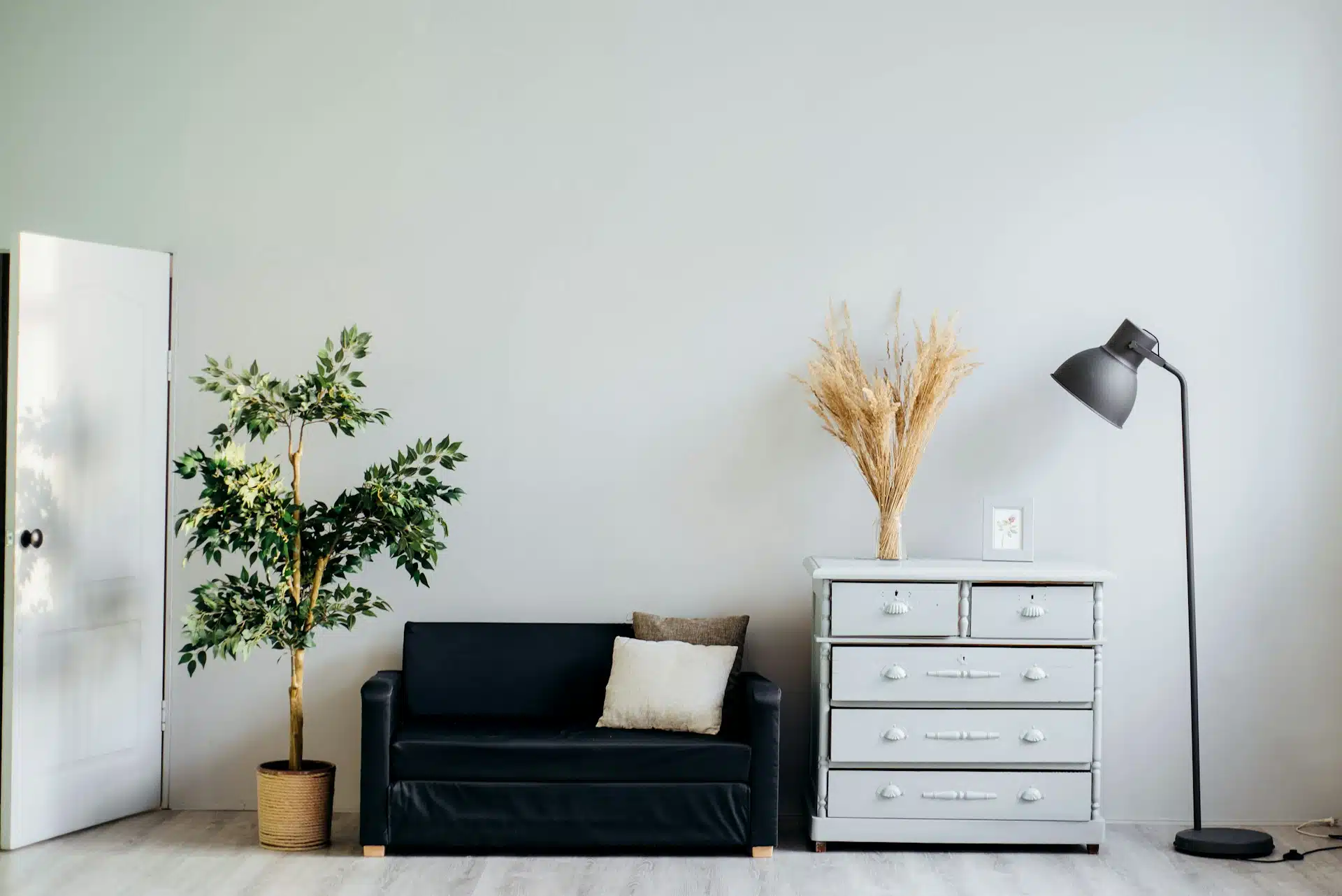
For instance, living rooms work best when the seating arrangement is designed to encourage conversation and relaxation. That is because furniture that faces each other naturally makes people feel more connected.
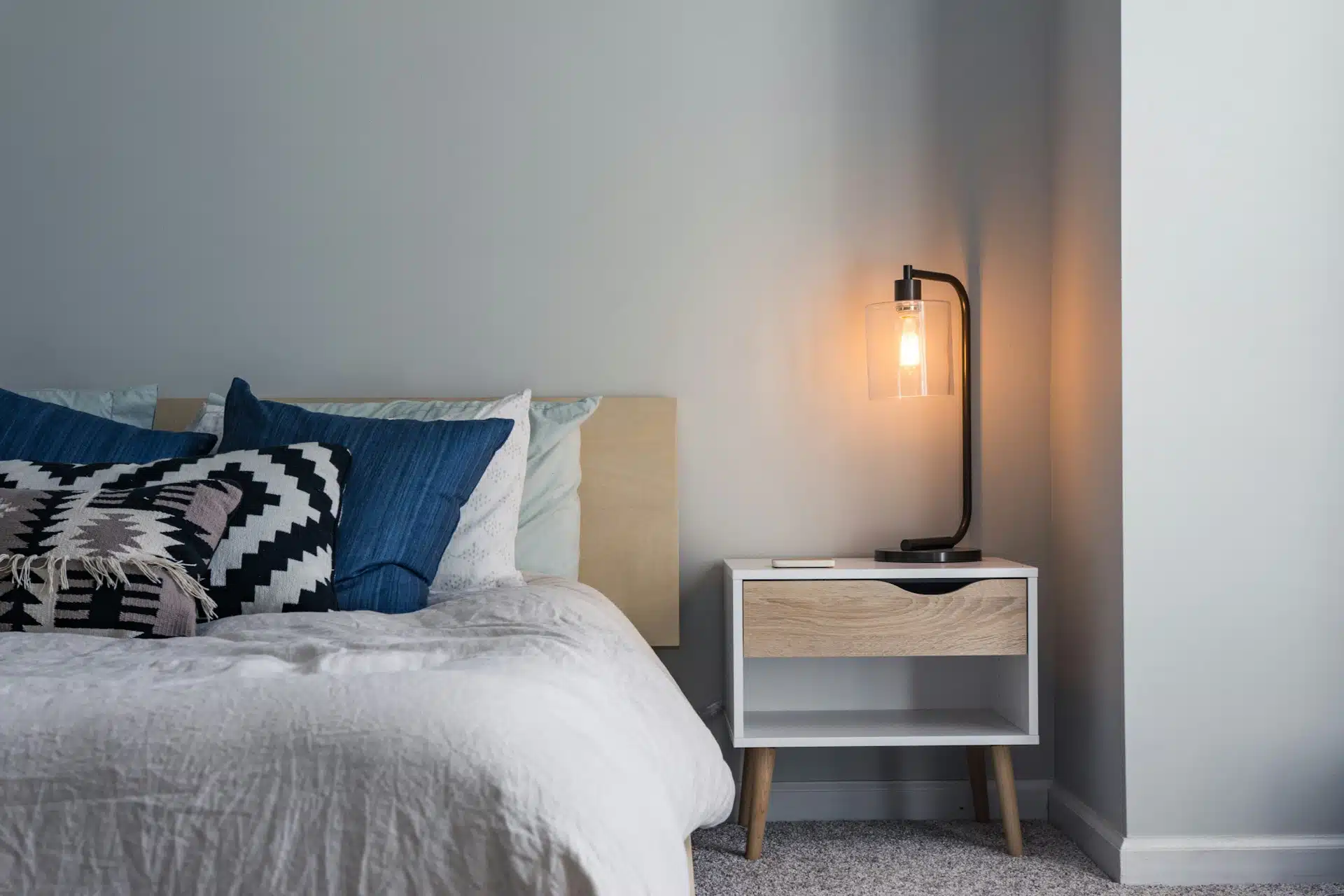
Likewise, bedrooms should feel calm and uncluttered, as this will give you the best opportunity to get good sleep and enjoy the benefits of doing so. Home offices, too, need furniture that helps you to concentrate and be productive. It is amazing what a difference having a comfortable chair and a desk at the right height can make when working or studying.