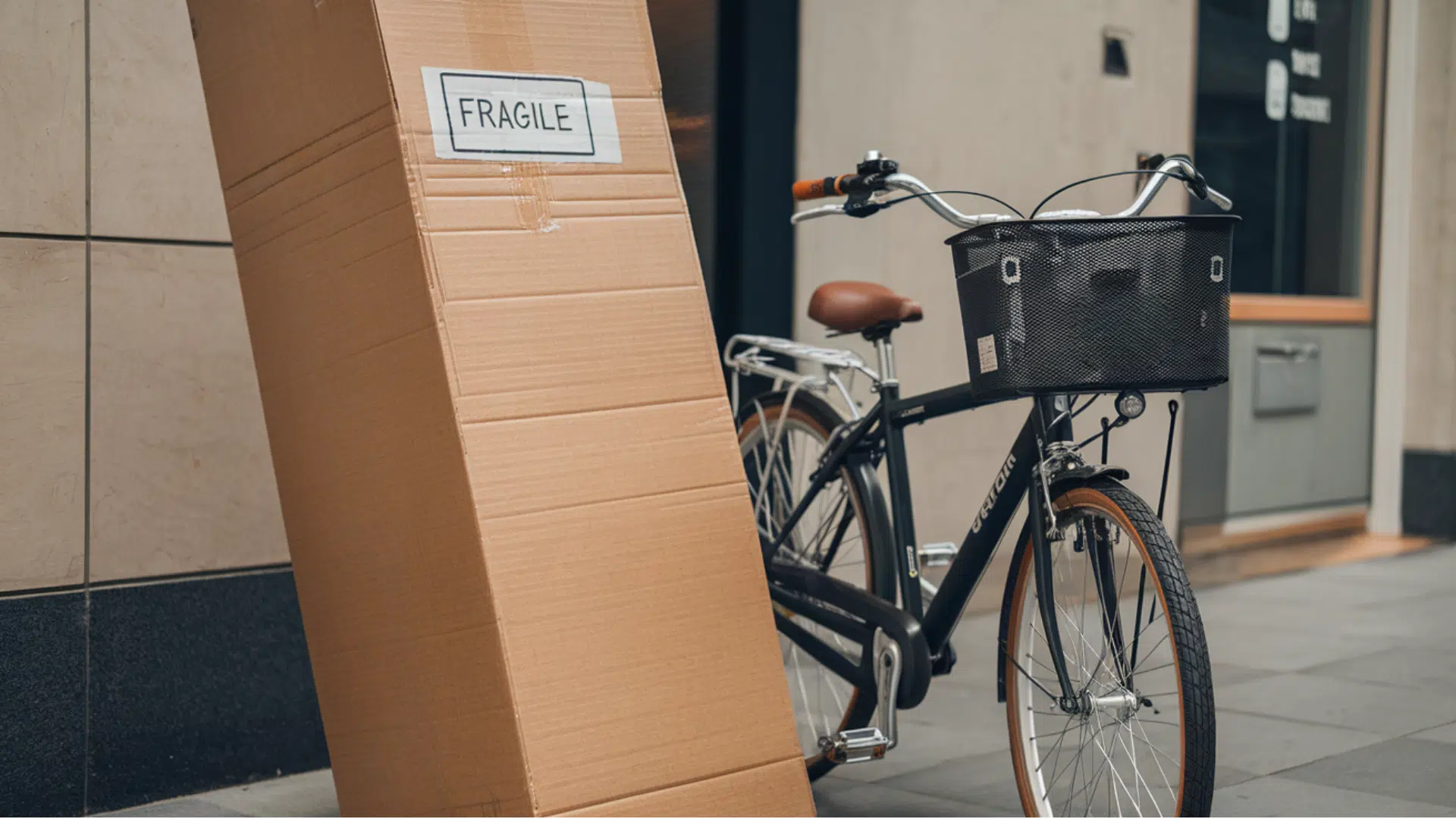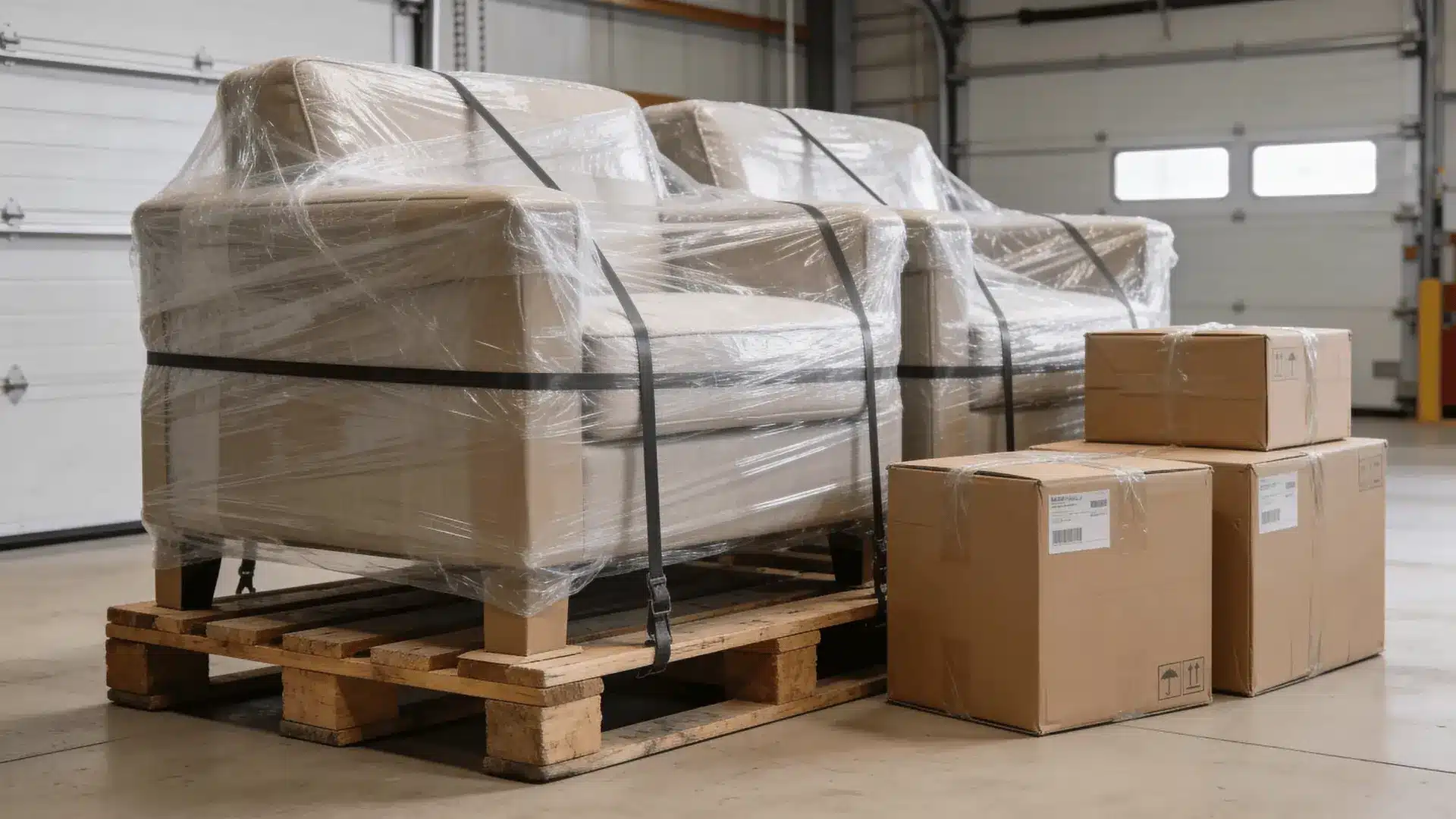
Shipping furniture sounds simple until you actually try to do it. Many people assume it works like sending a regular package: wrap it, put a label on it, and hand it to a carrier.
But furniture behaves differently during shipping. It is bulky, fragile in ways that are not obvious, and surprisingly expensive to transport if you make small mistakes.
I’ve seen many cases where damage or high costs came from poor preparation rather than the carrier itself. Shipping networks handle thousands of items every day, and furniture that isn’t prepared properly often fails at joints, corners, or weak surfaces during normal handling.
Once you understand how the shipping process actually works, the job becomes much easier. In this guide, I’ll explain how to ship furniture step by step and why each step matters.
How to Ship Furniture in 6 Steps
Shipping furniture becomes much simpler when you follow a clear sequence. Skipping a part usually creates problems later, whether that means inaccurate quotes or damage during transport.
Step 1: Measure and Evaluate the Furniture
Start by measuring the furniture accurately. You need the height, width, depth, and weight.
Shipping companies do not charge only by weight. Large items are often priced using dimensional weight, which means the size of the package can increase the cost even if the furniture itself is relatively light.
For example, a wooden chair might weigh only 20 pounds, but if it takes up a large box, the carrier treats it as if it were much heavier.
Evaluating the furniture also helps determine how fragile it is. A solid hardwood table can tolerate some pressure during transport. Upholstered chairs or antique pieces, on the other hand, often require much more protection.
Understanding the size and structure early prevents surprises when you start requesting quotes.
Step 2: Choose the Right Shipping Method
Once you know the size and weight, you can choose the shipping method. That decision affects cost, safety, and the way the item will be handled along the route.
Small furniture pieces may travel through parcel carriers. Larger pieces move through freight networks. Valuable furniture sometimes requires specialized transport.
The key is simply matching the furniture with the system designed to move it.
Step 3: Disassemble and Prepare the Piece
Many furniture items have removable parts. Table legs, bed frames, shelves, and handles can usually be taken off with simple tools.
Disassembling reduces stress on joints during transport. When furniture moves in a truck, vibration and small impacts happen constantly. Long legs or protruding parts act like levers, and even small vibrations can place strong force on the joints where those parts connect.
Removing these pieces reduces that leverage and lowers the risk of breakage.
Step 4: Pack and protect the furniture
Proper packing is one of the most important steps in the entire process.
Furniture moves through several handling stages during shipping. It may be lifted, stacked, and transferred between vehicles along the way. Protection must account for impacts, compression, and surface damage.
Moving blankets, foam, bubble wrap, and corner protectors all help prevent those problems.
Step 5: Get Quotes and Book the Shipment
Once the furniture is measured and prepared, you can begin requesting shipping quotes.
Shipping platforms and carriers calculate prices based on size, weight, distance, and service level. Accurate measurements at this stage prevent unexpected charges later.
Compare quotes carefully. A lower price may involve slower transit or more handling along the route.
Step 6: Label, Insure, and Ship
Before the shipment leaves, label the package clearly and add insurance if the furniture has significant value.
Insurance matters because carrier liability is often limited. If the furniture is damaged and the declared value is low, reimbursement may not cover the full loss.
Clear labeling and documentation also reduce the chance of routing mistakes.
Choose the Right Shipping Method for Your Furniture
Shipping furniture safely depends heavily on choosing the correct transport method. Each shipping system is built for a particular size and weight range.
1. Parcel shipping (FedEx or UPS) for small furniture
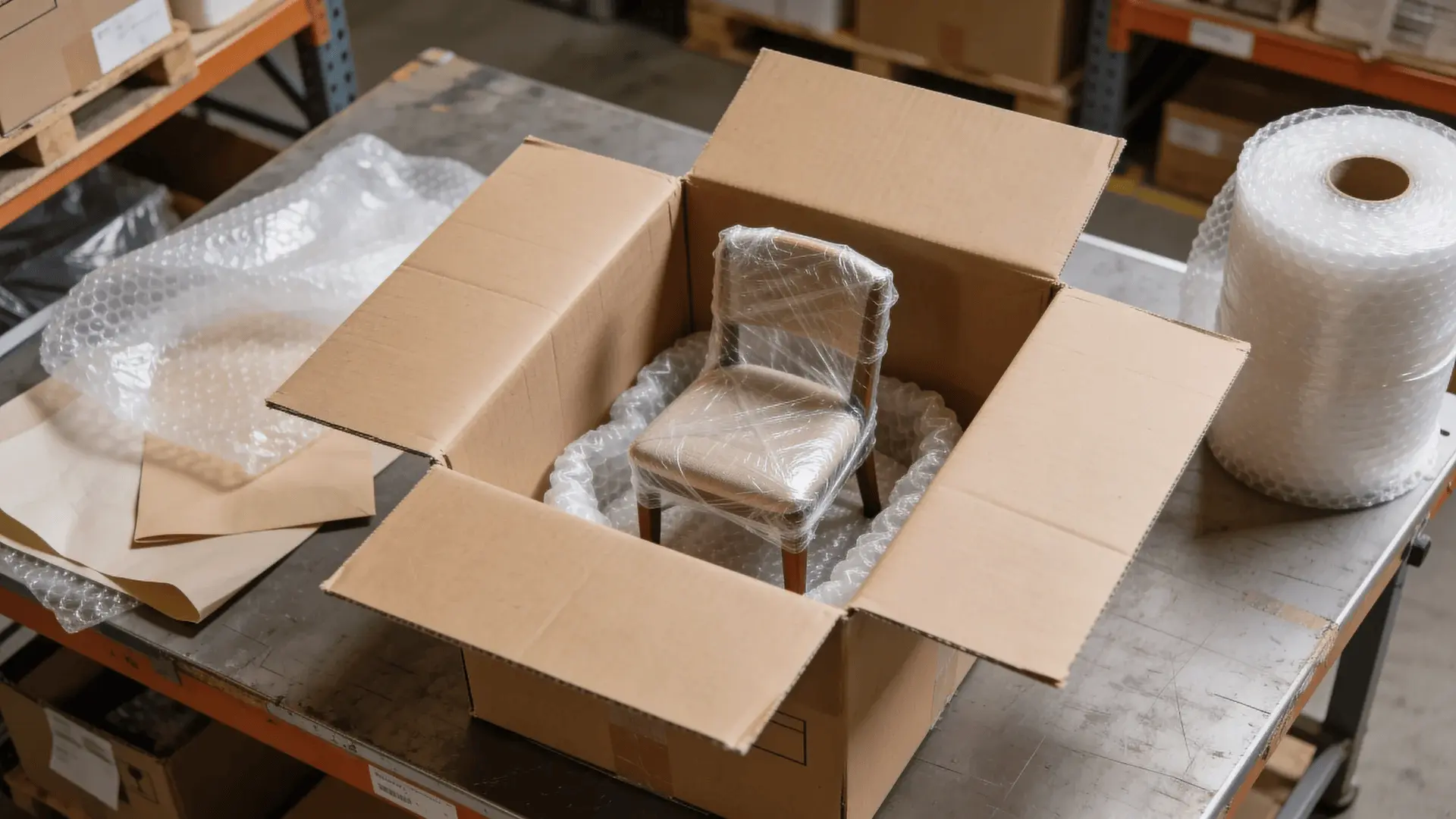
Parcel carriers work best for smaller furniture items.
Examples include:
- chairs
- nightstands
- small desks
- stools
Parcel networks handle millions of packages using automated sorting systems and conveyor belts. Packages move quickly through facilities and distribution centers.
That speed is efficient, but it introduces impact risk. Items may drop short distances or bump into other packages as they move through the system. For that reason, strong packaging and corner protection are especially important.
If the item fits within parcel size limits, this option is usually the simplest and fastest.
2. LTL Freight Shipping for Large or Heavy Furniture
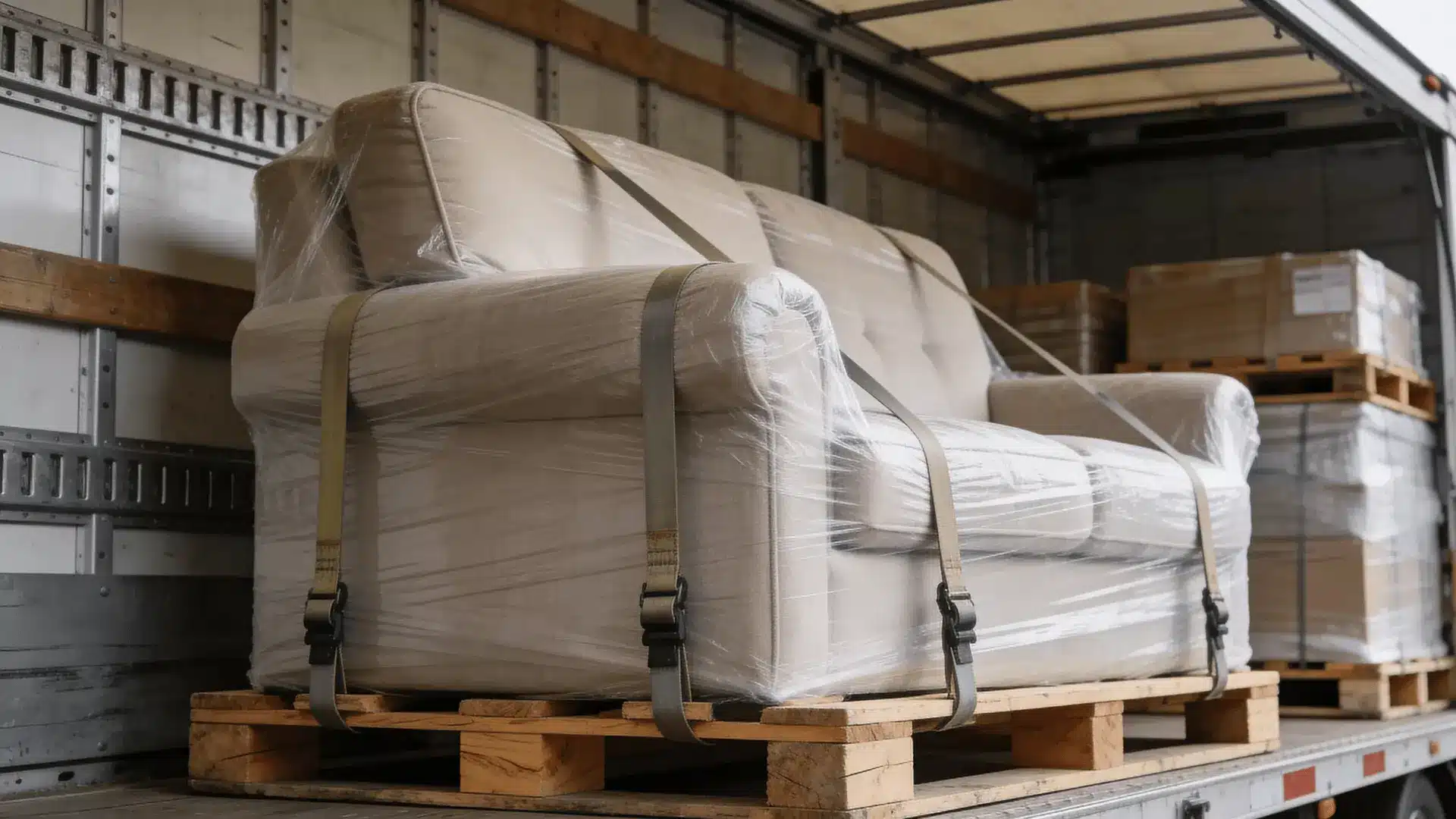
LTL stands for “less-than-truckload.” This system transports larger items that cannot move through parcel networks.
Freight shipments travel on pallets and are typically moved using forklifts. Several shipments share the same truck, which spreads the transportation cost across multiple customers.
The main difference from parcel shipping is stacking pressure. Freight items may have other pallets placed near them or above them. Furniture that cannot tolerate compression must be reinforced or crated.
Large tables, couches, and dressers commonly travel through LTL freight.
3. White-Glove or Specialty Transport for Fragile or Valuable Pieces
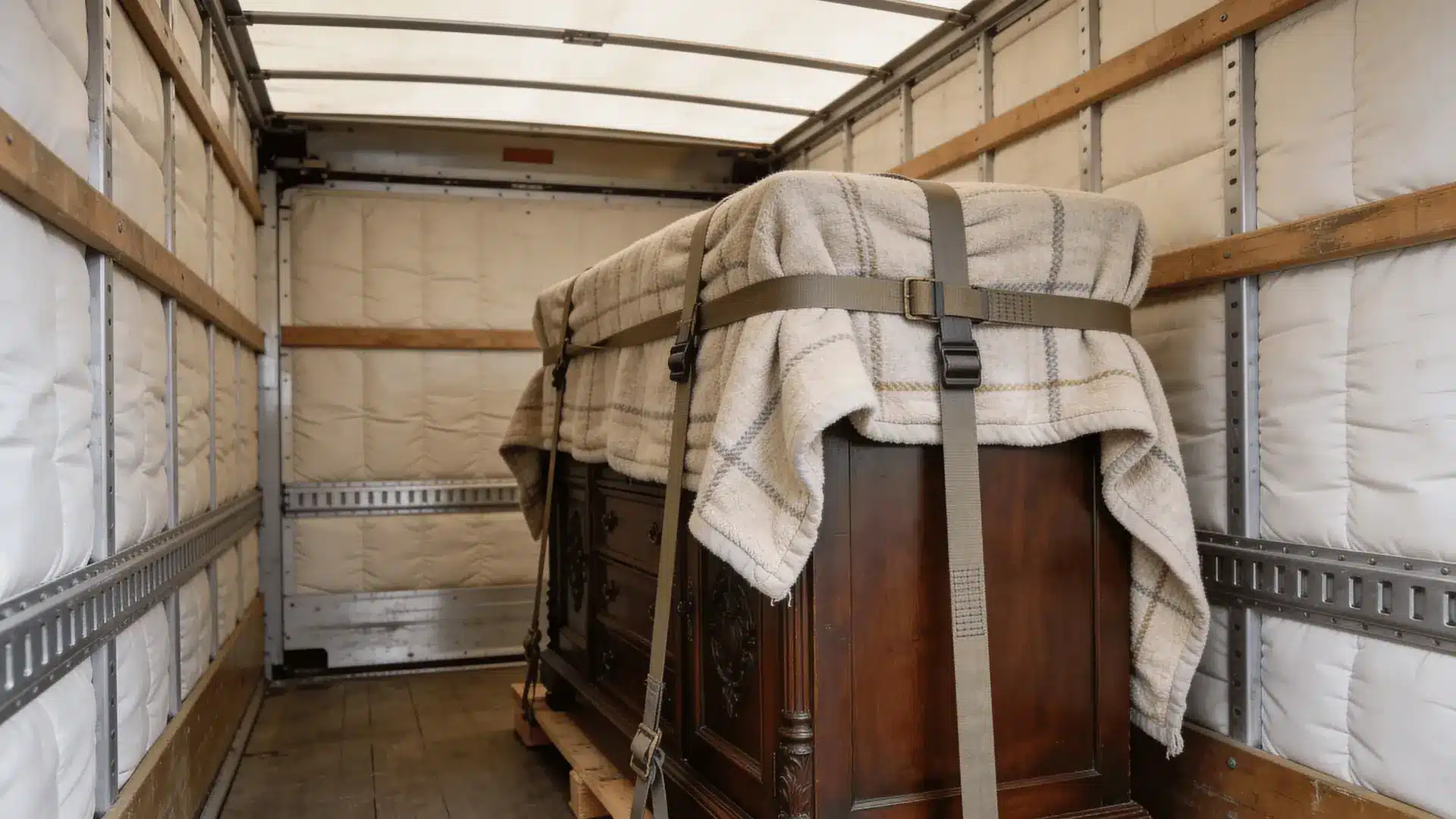
Some furniture requires more careful handling than standard shipping allows. White-glove services rely on trained movers who handle the furniture manually.
These services may include blanket wrapping, inside delivery, and even placement in the destination room. Antique furniture, high-end pieces, and delicate finishes often benefit from this approach.
Although it costs more, it reduces handling risk and usually provides better accountability during transport.
What It Costs to Ship Furniture (and the Cheapest Options)
Furniture shipping prices can vary widely. Two pieces that look similar in size may cost very different amounts to transport. Understanding the cost structure helps avoid surprises.
Typical Shipping Price Ranges
Small furniture pieces shipped through parcel carriers may cost roughly $50 to $200, depending on the distance.
Medium pieces, such as chairs or small tables, shipped across the country may cost between $150 and $400.
Large freight shipments like couches or dressers often range from $300 to $1000or more.
Distance, size, weight, and service level all influence the final price.
Why Large Furniture Becomes Expensive to Ship
The biggest driver of cost is usually size rather than weight.
Carriers organize space inside trucks very carefully. A bulky item may take up the space that could otherwise hold several smaller packages. Even if the furniture is light, its dimensions raise the shipping price.
This is one reason breaking furniture down into smaller pieces can lower the cost dramatically.
When Freight is Cheaper than Parcel Carriers
Parcel shipping works well until an item approaches the carrier’s size limits.
Once those limits are exceeded, oversized package fees are added. These fees can increase the shipping price quickly.
At that point, freight shipping often becomes cheaper. Freight systems are built to carry large items, so oversized penalties usually do not apply.
Measure and Prepare Furniture Before Shipping
Preparation determines how smoothly the rest of the shipping process goes. Inaccurate measurements or rushed preparation can lead to damage or unexpected charges.
How to Measure Furniture Correctly
Measure the furniture at its widest points. Shipping quotes depend on these numbers, so accuracy is important.
Include protruding parts such as arms, legs, or decorative details. If the item will be boxed, measure the final packed dimensions rather than the furniture alone.
When Disassembling Furniture Prevents Damage
Furniture joints often fail during shipping because of leverage forces.
When a table leg sticks out, that leg acts like a lever. Even a small impact can place strong pressure on the joint where it attaches to the table.
Disassembling removes that leverage. Detached pieces can then be wrapped separately and packed tightly. This often prevents cracks and structural damage.
Preparing Fragile Surfaces and Removable Parts
Protect surfaces before wrapping. Glass panels, polished wood, and delicate finishes scratch easily during transport.
Start with soft padding and then add a protective wrap.
Small parts such as screws, bolts, and brackets should be placed in labeled bags. Attach them securely to the furniture or store them in a clearly marked container.
How to Pack Furniture so It Arrives without Damage
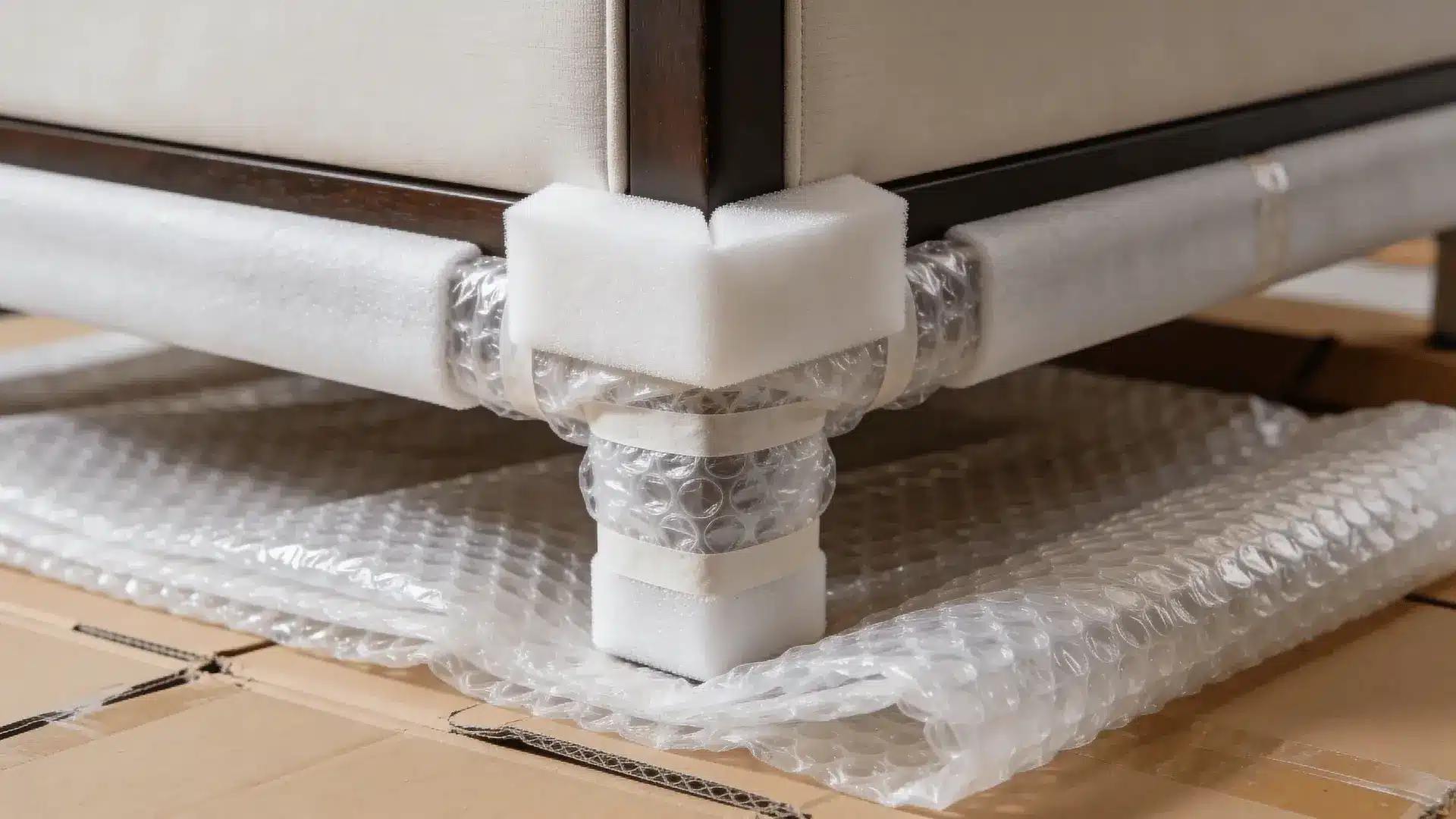
Packing furniture correctly requires understanding where damage usually occurs. Furniture rarely breaks in the center of flat surfaces. Most damage appears at edges, corners, joints, and legs.
1. Protecting Surfaces and Upholstery
Begin with soft protective layers. Moving blankets, foam sheets, or bubble wrap help absorb small impacts and prevent scratches.
Upholstered furniture should also be wrapped to protect fabric from moisture and dirt. Plastic stretch wrap can hold those protective layers in place.
2. Reinforcing Corners and Structural Weak Points
Corners experience the most impact during shipping. When furniture is lifted or placed onto a truck, the corners are often the first parts to make contact.
Reinforcing these areas with foam corners or thick padding reduces the risk of damage. Edges and legs also need extra protection because they carry most of the structural stress.
3. When to Box or Crate Furniture
Some furniture pieces should be boxed or crated.
Boxes protect items during parcel shipping by preventing direct contact with other packages. Crates provide rigid protection for fragile or valuable pieces.
Crating becomes especially useful when furniture must withstand stacking pressure during freight transport.
Why Furniture Gets Damaged During Shipping (and how Preparation Prevents It)
Furniture damage usually happens because of normal forces during transport. When you understand these forces, it becomes clear why proper preparation makes such a difference.
- Vibration – Trucks create constant vibration over long distances. Loose joints, long legs, and weak connection points can slowly loosen or crack under that repeated motion.
- Compression – During freight shipping, other pallets and cargo may sit nearby or above the shipment. Furniture must be strong enough to handle downward pressure without bending or collapsing.
- Impact – Corners and edges often take the first hit when items are lifted, shifted, or set down. Even short drops or quick placements can cause dents or splits.
Most shipping damage comes from these three forces. Preparation works because it directly reduces leverage stress, cushions surfaces, and reinforces the points that absorb the most pressure.
How to Arrange Pickup, Label, and Send the Shipment
Once the furniture is packed and ready, the final step is arranging the shipment. This stage is mostly about organization and accuracy. Small mistakes here can cause delays or lost items.
Step 1: Request and Compare Shipping Quotes
Start by entering the furniture dimensions, weight, pickup location, and destination into shipping platforms or carrier websites. Some services may request photos to better understand the item.
Compare more than just price. Look at transit time, insurance options, and service type. A lower price may mean slower delivery or more handling stops.
Step 2: Confirm the Shipping Method and Book the Carrier
Once you choose the best option, complete the booking process. Make sure all measurements and addresses are correct before finalizing.
Errors in dimensions or weight can lead to extra charges or delays.
Step 3: Schedule Pickup or Plan Drop-Off
Some carriers offer home pickup, while others require you to bring the shipment to a terminal.
If using pickup service, confirm the date and time window. Freight carriers often provide specific pickup windows, so plan accordingly. Scheduling in advance helps prevent last-minute problems.
Step 4: Prepare and Attach Shipping Labels
Print or write labels clearly and securely attach them to each package.
Include the destination address, contact information, and any required shipment numbers. If shipping multiple pieces, number them clearly so they stay grouped together.
Step 5: Review Documentation Before Shipment Leaves
Double-check that all paperwork matches the shipment details. Confirm that the correct service level and declared value are listed.
Accurate documentation reduces the chance of lost, delayed, or misrouted shipments.
Following these steps keeps the final stage of shipping organized and reduces the risk of avoidable issues.
Wrapping Up
Learning how to ship furniture becomes easier when you understand the forces involved and follow a structured process. Measuring correctly, choosing the right shipping method, and preparing the piece carefully make the biggest difference.
Most damage occurs when furniture is not prepared for vibration, impacts, or stacking pressure. Simple steps like disassembling parts and reinforcing corners can prevent many of these issues.
Costs also become more predictable when dimensions are accurate and the shipping method matches the size of the furniture.
With the right preparation and packing, shipping furniture can be safe, manageable, and far less stressful than many people expect.
Frequently Asked Questions
What is the cheapest way to ship furniture?
The cheapest option depends on size. Small pieces often ship most cheaply through parcel carriers, while larger items may cost less when sent through shared freight shipments.
Can you ship furniture with USPS?
USPS has strict size and weight limits. Very small furniture pieces may qualify, but most furniture exceeds their maximum package dimensions.
What is the best way to ship one piece of furniture?
The best method depends on size and value. Small pieces can ship through parcel carriers, while larger or fragile furniture is usually safer through freight or white-glove services.
How do you ship small furniture pieces?
Small furniture items should be wrapped with protective padding, placed in a sturdy box, and reinforced at the corners before being shipped through a parcel carrier.