Selling property always comes down to first impressions. A potential buyer might fall for your house within minutes, or walk away because of small things that seem insignificant. The difference between a quick sale at a good price and months of waiting often hides in details that owners don’t always notice.
The real estate market worldwide shows a clear trend: people are willing to pay more for homes that don’t need immediate investment. Even cosmetic improvements can add 10-15% to a property’s value, sometimes even more. You don’t have to do a major renovation or replace all the plumbing — a few smart moves are usually enough.
Your Lawn as Your Home’s Business Card
Let’s be honest, the first thing people notice isn’t the kitchen or the bathroom. It’s the yard. An uneven lawn, ragged edges, or grass that looks torn rather than cut instantly dulls the whole picture.
To make a strong first impression, the lawn needs to look level and clean. Sometimes that doesn’t mean mowing more often, but mowing better. Simply replacing worn blades on your mower can make a visible difference. Sharp options like John Deere mower blades give grass a clean, even cut. This helps the yard look cared for with far less effort. If the grass is turning yellow or growing unevenly, consider aerating the soil and adding fertilizer. Scotts Miracle-Gro has long proven that proper care can transform even a troubled lawn within a few weeks.
Beyond the grass itself, take care of walkways and flower beds. Mulching garden beds with bark or decorative stone instantly adds neatness. It’s inexpensive but changes the overall perception. If you have large trees, make sure they’re not casting too much shade on the house — natural light inside rooms is valued far more than dense shade.
Painting: Freshness That Costs Pennies
Walls that haven’t been painted in years give themselves away instantly. While repainting a room can be done in a day or two, this step often gets ignored, even though it gives the biggest bang for your buck.
Neutral shades work best. Zillow has repeatedly shown in their research that homes with a neutral palette sell faster and for more money than those with walls painted in bright or unusual colors.
Don’t forget about exterior painting. A facade that’s lost its freshness can be updated even partially — repaint windows, doors, gutters. This doesn’t require big budgets but dramatically changes the overall appearance. If there are wooden elements, make sure they’re treated with protective coating — rotting wood immediately lowers the property’s value in a buyer’s eyes.
Lighting: The Detail That Changes Everything
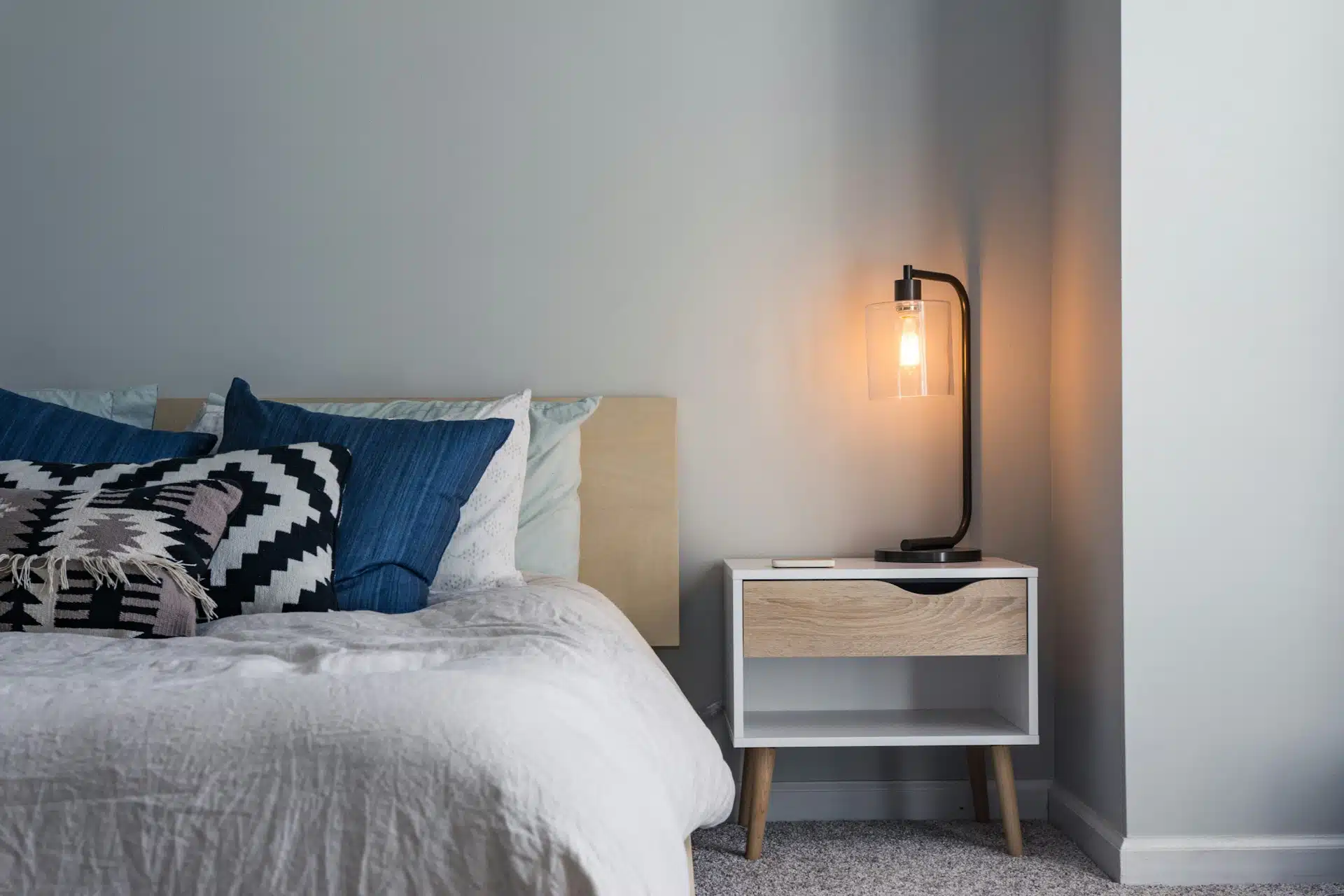
Start by replacing old fixtures. Bad lighting can ruin an otherwise decent room. Too dark, too yellow, too sharp — it all creates the wrong mood. Basic LED lights are an easy fix and don’t cost much. Ceiling lights open the room up a bit. A floor lamp stuck in the corner helps it feel less empty.
Daylight often gets blocked for no good reason. Heavy curtains, dark blinds, layers of fabric that were popular years ago. Lighter window coverings let the room breathe. Clean windows help more than people expect, even if no one mentions them out loud. It seems like a small thing, but dirty glass darkens a room by 20-30%. Washing windows inside and out should be mandatory before showings.
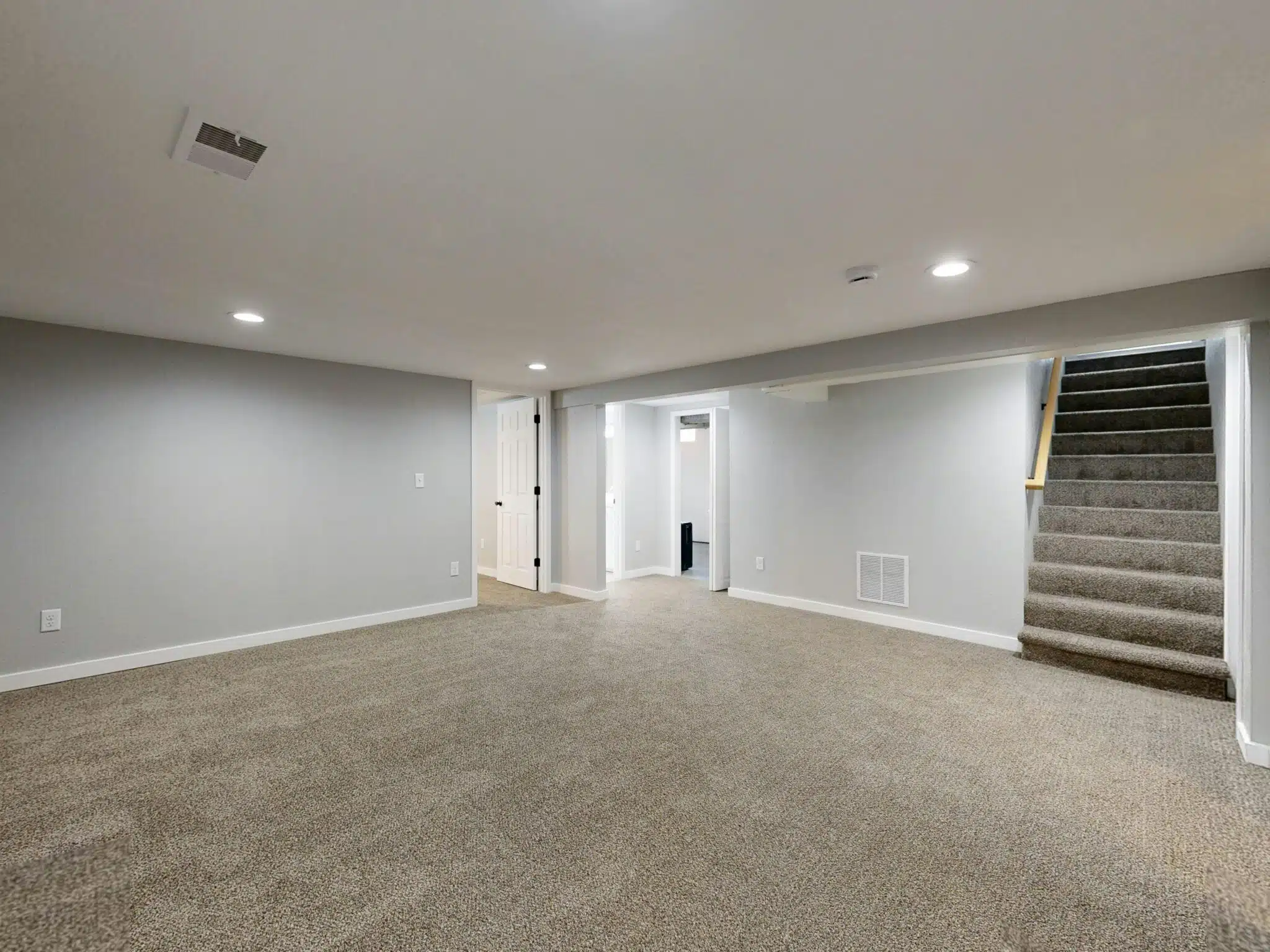
Add light where it’s lacking. Basements, hallways, closets — these areas often remain half-dark. Installing a few additional light sources doesn’t cost much but makes a house far more comfortable to perceive.
Small Details That Catch the Eye
Potential buyers notice more than you’d think. Cracks in tiles, rusty faucets, squeaky doors — all this signals possible hidden problems. Even if there aren’t any problems, such details reduce trust and give reason to negotiate.
Plumbing deserves special attention. Replacing old faucets with modern Grohe or Hansgrohe models is inexpensive but changes the impression of a bathroom or kitchen. If bathroom tiles have darkened in the grout lines, use special cleaning products or even re-grout — it’s a few hours of work, but the result is impressive.
Doors and windows must work flawlessly. If something sticks, squeaks, or doesn’t close tightly — fix it. These are basic things that create a feeling that the house is in good condition. Hardware matters too: old handles can be replaced with new metal options, and this instantly modernizes the interior.
Kitchen and Bathroom: Areas Where You Can’t Cut Corners
Most buyers think they’re being rational. They compare square footage, count bedrooms, check the price. But the real decision usually happens much faster — often in the kitchen, and almost always in the bathroom.
These are the rooms where people imagine their everyday life. Cooking dinner after work. Getting ready in the morning. If something feels off here, they rarely try to justify it. They just move on.
Buyers notice wear, even when they don’t say anything. Scratches on a countertop, dull surfaces, old fixtures — all of it adds up. Most of these things aren’t serious problems, but they suggest the home hasn’t been looked after. Simple fixes usually go a long way. Sanding, cleaning, restoring instead of replacing.
Bathrooms are especially unforgiving. Grimy grout, stiff faucets, or a shower that feels loose can turn people off fast. When everything looks solid and clean, the room feels safer and newer.
Smells and Atmosphere
Smell is one of the fastest deal-breakers — and most people won’t even realize it’s the reason. Old carpet, damp air, pet odors: the reaction is instant and subconscious. A home should smell neutral and fresh, nothing more.
Before any showing, open the windows — even in spaces people rarely see, like basements or attics. Skip heavy fragrances. Fresh air, a few flowers, or a barely noticeable clean scent works best. If you have pets, remove visible traces for the day. Not because pets are a problem, but because buyers need to imagine their life there, not yours.
Comfort matters just as much. A cool house on a warm day, a cozy one in winter — it puts people at ease without them thinking about it. Soft background music can help too, but only if it stays in the background. When the atmosphere feels calm and effortless, buyers stop analyzing — and start picturing themselves staying.
When to Turn to Professionals
Some things are better left to professionals. Electrical work, complex plumbing, and structural fixes are areas where mistakes quickly turn into delays or lower offers. Hiring a skilled specialist isn’t an extra cost — it’s a way to remove doubt and protect the final price.
Staging doesn’t magically sell a house, but it does remove friction. Empty rooms confuse people. Overfilled rooms distract them. Good staging sits somewhere in the middle and quietly shows how the space can be used. Even where staging isn’t common, it often helps a listing stand out without being obvious about it.
The same goes for photography. Most buyers first see your home online, scrolling fast. Clean, well-lit professional photos stop that scroll and bring more serious interest than phone snapshots ever could.
Bottom Line: Investments That Work
Preparing a house for sale isn’t an expense — it’s an investment in the future result. Even if you put a few thousand dollars into cosmetic improvements, they’ll return double through a higher sale price and speed of the deal. The main thing is understanding priorities and not spending money on things that don’t give a tangible effect.
Lawn, painting, lighting — these three directions give maximum results with minimal costs. Add attention to details, cleanliness, and a pleasant atmosphere during showings, and your house becomes far more attractive to buyers. The real estate market is competitive, but proper preparation gives a noticeable advantage.