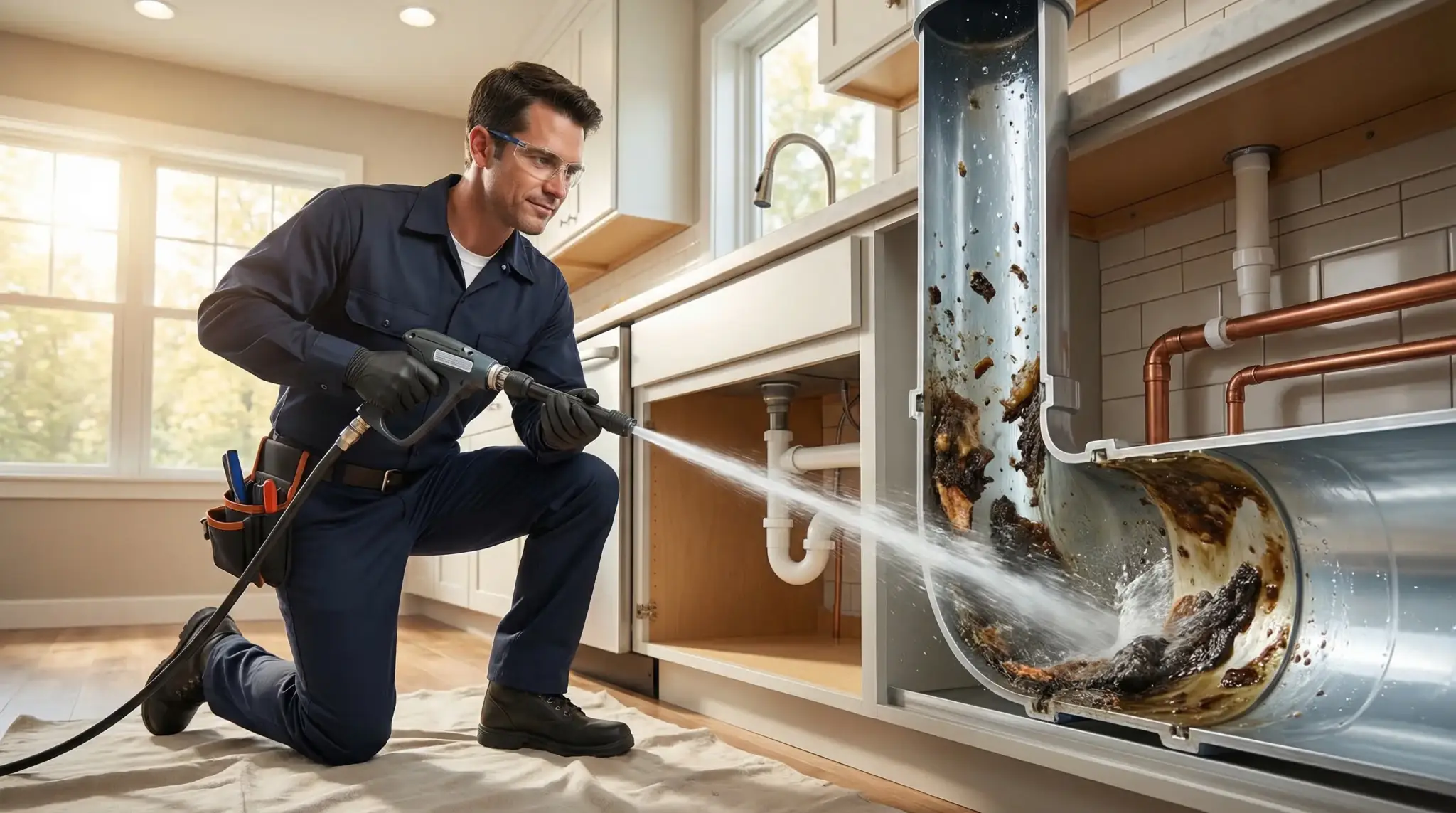
Discovering a leak or a burst pipe in your home can be unsettling, highlighting the importance of having a reliable plumber on call. Recent statistics indicate that an average plumber’s service call costs homeowners between $175 to $450. Ensuring you hire a competent and trustworthy professional is not only about immediate service but also about long-term satisfaction and cost efficiency.
Finding the right plumber requires due diligence and understanding what differentiates a quality service provider from the rest. In this article, we’ll guide you through the crucial aspects to consider, ensuring that you make an informed decision for all your plumbing needs.
Assessing Credentials and Experience for Quality Plumbing Services

When searching for a plumber, the first step is to verify their credentials. A licensed plumber has met industry standards, which often include both knowledge-based and practical exams. Beyond legality, licensure is a testament to a plumber’s commitment to their craft and adherence to building codes.
Experience is another critical indicator of a plumber’s ability to handle diverse scenarios. Plumbers with several years of hands-on experience are more likely to diagnose issues accurately and provide efficient solutions. They have encountered a wide range of plumbing problems and know the most effective ways to fix them.
plumber near meIt’s advisable to ask for proof of licensure and inquire about the plumber’s experience in the field. A reputable professional won’t hesitate to share this information. Furthermore, consider looking into any specialties they may have, such as working with tankless water heaters or advanced piping techniques, to ensure they’re well-suited for your specific plumbing project.
Identifying Signs of Professionalism in Plumbers
Professionalism is a key trait to look for in a plumber. This spans punctuality, respectful communication, and a tidy appearance. A professional plumber will respect your time and property, ensuring minimal disruption to your daily routine.
Customer service is another hallmark of professionalism. Check online reviews and testimonials to gauge previous customers’ experiences. Positive feedback is a strong indicator that the plumber provides not only technical expertise but also a high level of service.
Take the time to observe their interactions with you, from the initial call to the in-home assessment. A plumber who listens carefully to your concerns, explains procedures clearly, and provides transparent billing practices is more likely to deliver the professional service you deserve.
Questions to Ask Before Hiring a Local Plumber
Before you decide on a plumber, prepare a list of questions to ask. Inquiring about their approach to warranties and guarantees can provide insights into their work ethic and confidence in their skills. A reliable plumber should stand behind their work and assure their services meet your expectations.
It’s also important to ask about their availability for emergency services. Plumbing issues can arise unexpectedly, and knowing that your plumber can provide quick fixes in a crisis is essential. Verify their typical response times and any additional charges for off-hour services.
Lastly, question potential plumbers about the parts and materials they use. High-quality materials are crucial for the longevity and efficiency of plumbing repairs. A trustworthy plumber will be transparent about their choice of materials and their impact on price and performance.
How to Compare Plumbing Service Estimates Effectively

Once you’ve narrowed down your list of potential plumbers, comparing estimates is the next step. Detailed quotes should be comprehensive, with line items explaining labor and material costs. A clear and itemized estimate prevents misunderstandings and unexpected expenses later on.
While it’s tempting to choose the lowest bid, it’s crucial to consider the value over cost. Some plumbers may offer lower estimates by cutting corners or using inferior materials. Analyze the cost-benefit ratio and remember that investing in higher quality may save you money on future repairs.
Determine if the estimates are fixed or based on time and materials, which can lead to varying final costs. It’s also valuable to understand their payment structure—whether they require a deposit, accept installments, or prefer full payment after completion. Such clarity will help you budget for the plumbing work comfortably.
Overall, choosing the right plumber is a balance of expertise, professionalism, and value. With the guidance provided, homeowners can confidently assess a plumber’s credentials, discern their level of professionalism, ask the right questions, and compare service estimates effectively. When you take the time to do your homework, you’ll likely find a plumbing professional who will meet—and possibly exceed—your expectations.