Home design is no longer a mere matter of aesthetics; it is a reflection of the changes, priorities, and challenges of contemporary life. It’s undeniable—trends in home design are shaping how we live, interact, and even how we relax in our personal spaces. By understanding these trends, you’ll soon realize how they influence every aspect of domestic life.
Open Spaces for Open Minds
Open-plan living has transcended passing fashion to become a staple in today’s homes. The concept originated from the idea of integrating family spaces to foster better connections. This design eliminates unnecessary walls, merging kitchen, living, and dining areas into a singular communal space. Such designs enable an atmosphere conducive to interaction, especially for families or individuals who enjoy hosting gatherings. Walls have a way of fragmenting, not just physically but emotionally, and open spaces dissolve such barriers.
Large windows complement open spaces by inviting natural light in, enhancing the sense of openness and airiness. This shift towards more light-filled areas has been associated with increased mood and energy levels. Utilizing varied textures, from sleek metals to rustic woods, can also help create a dynamic yet cohesive aesthetic that fosters warmth and unity.
Dark Kitchens: The Rise of Covert Cooking
It might be surprising, but kitchens are increasingly getting tucked away. No longer the heart of open-plan spaces, the idea of a hidden or “dark” kitchen is gaining traction. These kitchens, often concealed behind pivoting panels, allow the dining area to remain streamlined and clean. Such designs offer the luxury to entertain without the visual commotion of cooking mess. The rise of dark kitchens fulfills the craving for tidiness in shared spaces.
The flexibility in kitchen placement allows more freedom in home design, providing a clean slate for unique arrangements. Whether integrating a breakfast nook or opening space for a home library, thoughtful planning ensures culinary spaces are functional yet aesthetically pleasing.
For those looking to enhance functionality without sacrificing style, consulting with custom kitchen remodeling experts like Superior Stone and Cabinet in Phoenix, AZ can provide innovative solutions. By optimizing layout and integrating space-saving features, these experts can transform ordinary kitchens into adaptable multi-functional spaces.
Multi-Functional Spaces: The Hybrid Approach
Every square foot counts, especially for urban dwellers who grapple with limited space. Enter the multi-functional space—the answer to square-foot efficiency. Think home offices that double up as guest rooms or living spaces, cleverly transitioning into work nooks. Flexibility in furniture and spatial allocation are essential components. Convertible furniture, such as fold-up desks and retractable beds, epitomizes resourcefulness. This is about maximizing utility without compromising on comfort.
Multifunctionality extends to technology integrations within the home. Imagine mirrors that transform into screens or adjustable lighting that adapts to various activities. These innovations ensure rooms are adaptable yet functional, creating conditions where different lifestyles can thrive seamlessly.
Biophilic Design: A Breath of Fresh Air
Nature is slowly creeping back into our homes, not through our windows but through our designs. Biophilic design emphasizes the inclusion of natural elements within indoor environments. Expect ceilings adorned with mounted plants or full walls dedicated to cascading ivy. This trend is grounded in the belief that nature is the antidote to stress. Everything from the texture of stones incorporated in walls to the rhythm of wooden beams calls to our innate connection with the natural world.
The inclusion of indoor gardens or living walls extends beyond aesthetics. There is substantial evidence suggesting that such elements can purify the air, reduce pollutants, and promote overall health. A home that breathes remains an ultimate sanctuary.
Sustainability: The New Standard
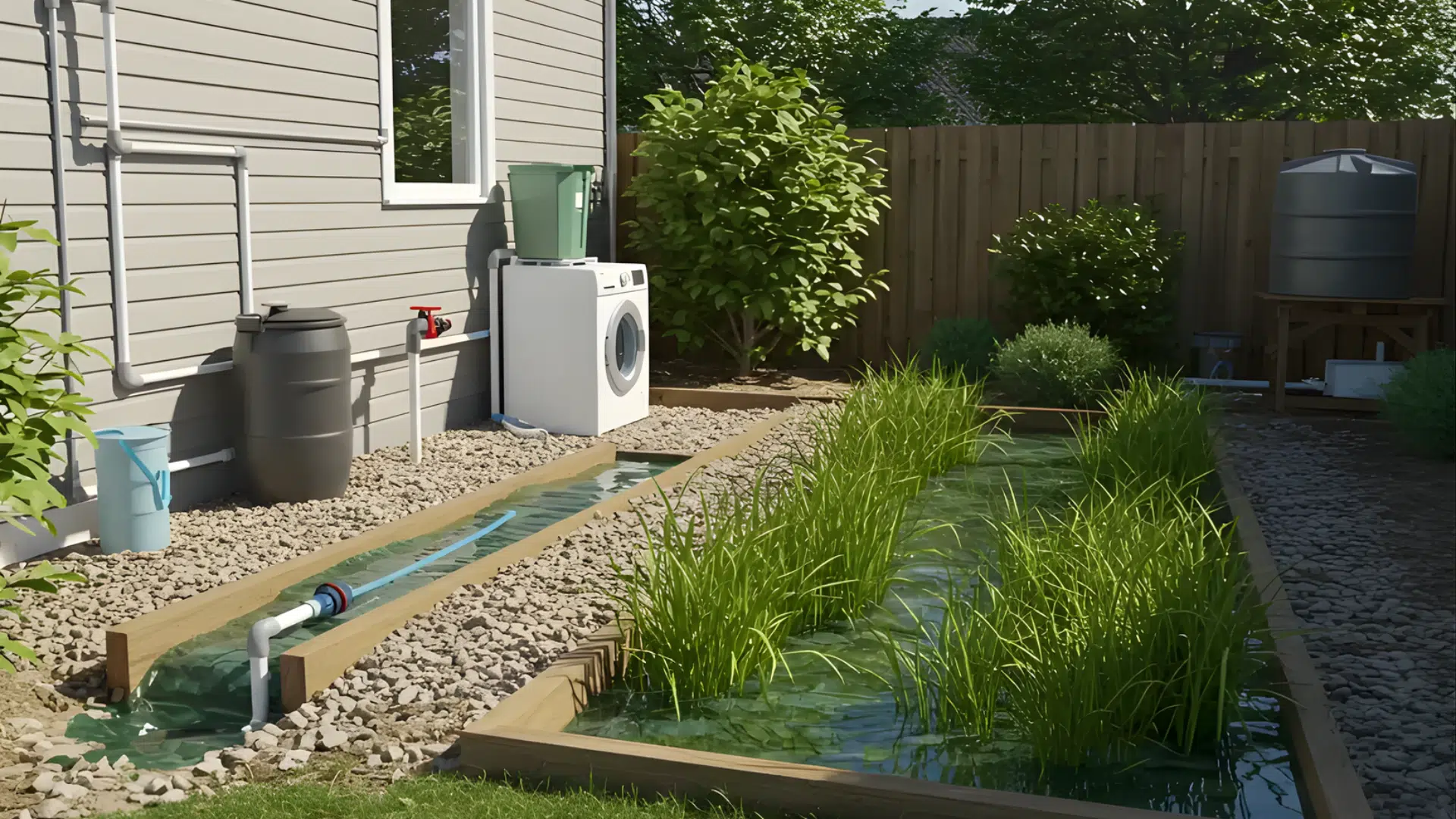
Sustainability is not merely a nod to the eco-warriors among us. It is a crucial aspect of contemporary home design. The insistence on green building materials, energy-efficient appliances, and sustainable construction methods indicates a paradigm shift in design ethos. Sustainability is embedded in everything, from the roofs that harvest rainwater to solar panels dotting our skylines. It dictates a responsibility to our planet that many homeowners willingly embrace.
Reclaimed wood, recycled glass, and innovative materials derived from waste are increasingly finding their way into homes. These elements do more than reduce carbon footprints; they offer unique textures and character that standard materials cannot replicate. With this ethos, sustainability doesn’t just become a design principle but a lifestyle choice, promoting a harmonious existence within the ecosystem.
Personalization: More Than Just Décor
Homeowners are infusing their personal story into every nook and cranny. This isn’t about merely picking the right decorative pieces but about evoking a sense of identity and meaning. Personalization evolves to include bespoke furniture, customized art pieces, and curated collections that narrate individual tales. As design steers toward the personal, each home becomes a testament to the owner’s narrative—unique, vivid, and warm.
Beyond aesthetics, personalized design impacts how homeowners feel connected to their space. The choice of color palettes, textures, and curated themes breathes life and energy into rooms, setting a mood and tone that resonates with the occupants’ personalities.
Conclusion
Design trends are less about what is fashionable and more about how they improve lives. Whether it’s through creating engaging open spaces, reconnecting with nature, or adopting sustainable practices, these trends are reshaping homes into reflections of a conscious lifestyle. As we’ve peeled back the layers, it’s clear that home design is no longer a translation of aesthetic whims but a powerful agent of change in how we perceive and define our living spaces.