Window screens usually fail in small ways. They loosen first. They tilt. Corners stop sitting flush. Most homeowners don’t notice until the screen falls out or won’t stay put.
In many cases, the screen material itself isn’t the issue. The problem is the hardware. Clips bend. Frames shift slightly. Tension changes with heat, cold, and regular use. When those parts wear down, the screen follows.
Longevity depends less on patching mesh and more on how the screen is held in place.
How Screens Wear Down
Screens deal with constant movement. Wind presses against them. Windows open and close. Screens get removed for cleaning and put back in slightly differently each time.
Over time, this leads to:
- clips losing tension
- frames pulling out of square
- mesh sagging unevenly
- metal parts corroding
These changes happen slowly. By the time a screen won’t stay seated, the damage has usually been building for a while.
What Expert Repair Actually Involves
Proper screen repair isn’t just about replacing torn mesh. It’s about restoring fit.
A skilled repair focuses on how the screen sits in the frame. Alignment matters. So does spacing.
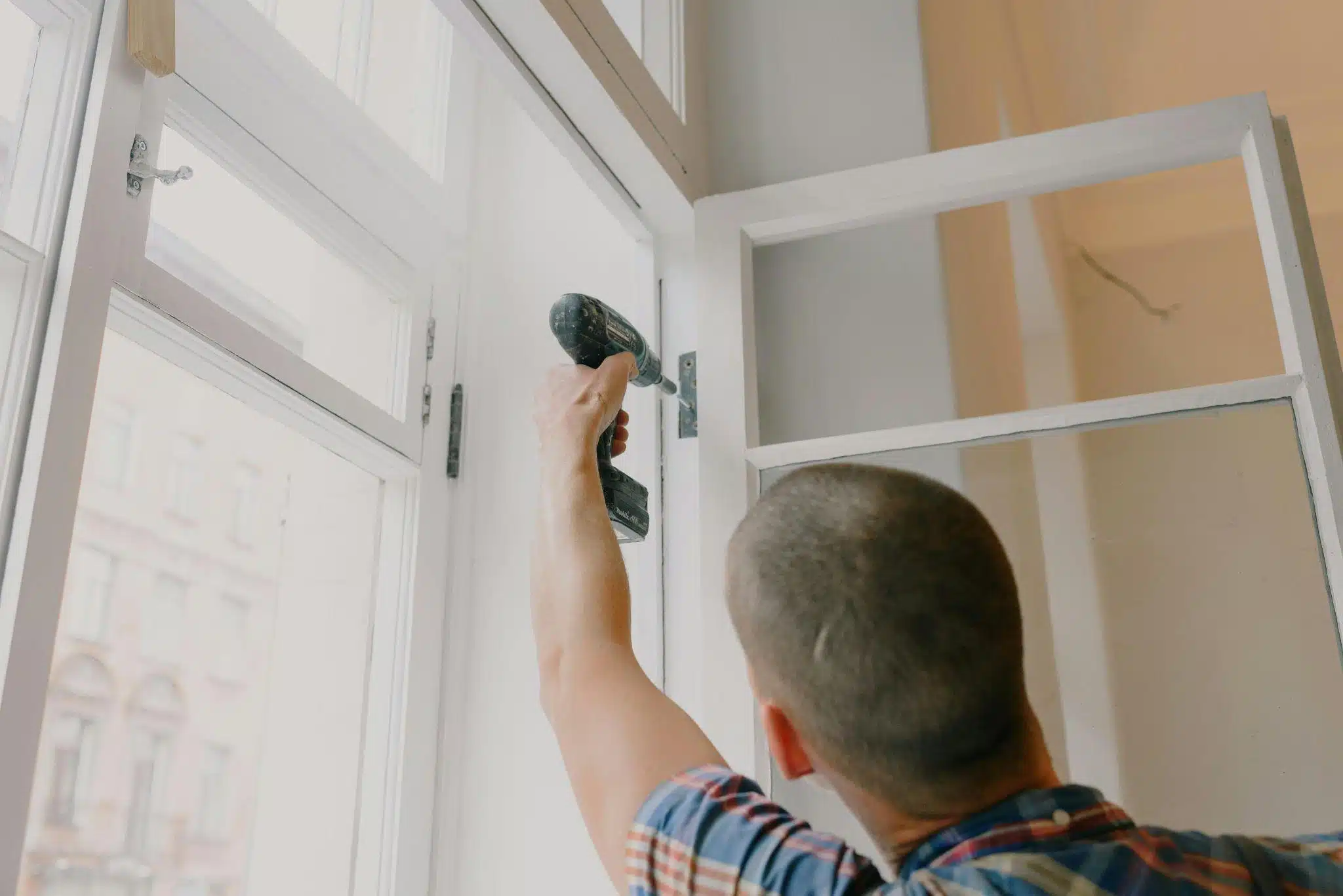
Technicians look at where pressure is uneven and which parts are doing too much work, including whether window screen clips are holding the frame securely.
Worn clips are replaced instead of bent back into shape. Frames are adjusted instead of forced. This keeps tension balanced and reduces repeat issues.
Why Clip Quality Makes a Difference
Screen clips are small, but they take a lot of stress. They hold the screen in place while allowing just enough movement for expansion and contraction, which matters when you regularly clean your windows and apply pressure to the frame.
Cheap clips fatigue quickly. They bend. They loosen. Once that happens, the screen starts shifting with every breeze.
Higher-quality window screen clips hold tension longer. They resist corrosion. They fit properly without stressing the frame. Replacing clips before they fail helps keep the entire screen stable.
Simple Maintenance That Helps
Good hardware lasts longer when it’s treated properly.
A few habits make a difference:
- removing screens gently instead of prying
- cleaning clips when washing screens
- checking for looseness once a year
- reinstalling screens without pressing on the mesh
None of this is complicated. It just prevents small problems from becoming larger ones.
Knowing When to Replace Parts
Not every screen can be saved. If frames are warped or clips no longer seat securely, repair only goes so far. In some cases, this is also a sign that it may be time to replace windows in your home rather than continue investing in short-term fixes.
In those cases, replacing hardware makes more sense than repeated fixes. Better parts reduce movement, improve fit, and extend the screen’s usable life.
Screens last longest when they’re supported correctly, especially in climates with wide seasonal temperature swings.
Why Proactive Maintenance Matters
Weather plays a role too. Heat causes frames to expand. Cold makes materials contract. Over time, that movement puts extra stress on clips and corners. If hardware isn’t designed to handle those shifts, screens loosen faster.
This is why timing matters. Replacing clips during routine maintenance, rather than after failure, helps screens stay seated through seasonal changes. It also reduces strain on the frame itself. Small adjustments made early tend to hold up better than larger repairs made later.
Screens don’t need constant attention. They just need support before problems become obvious.