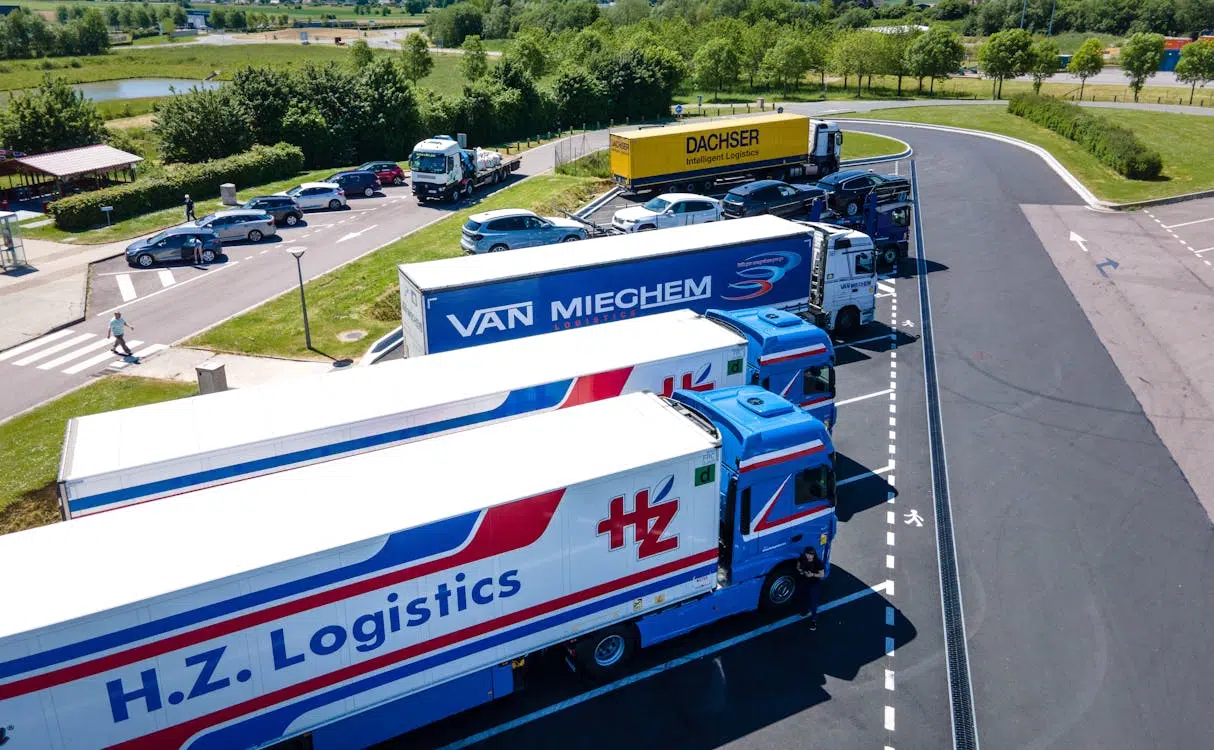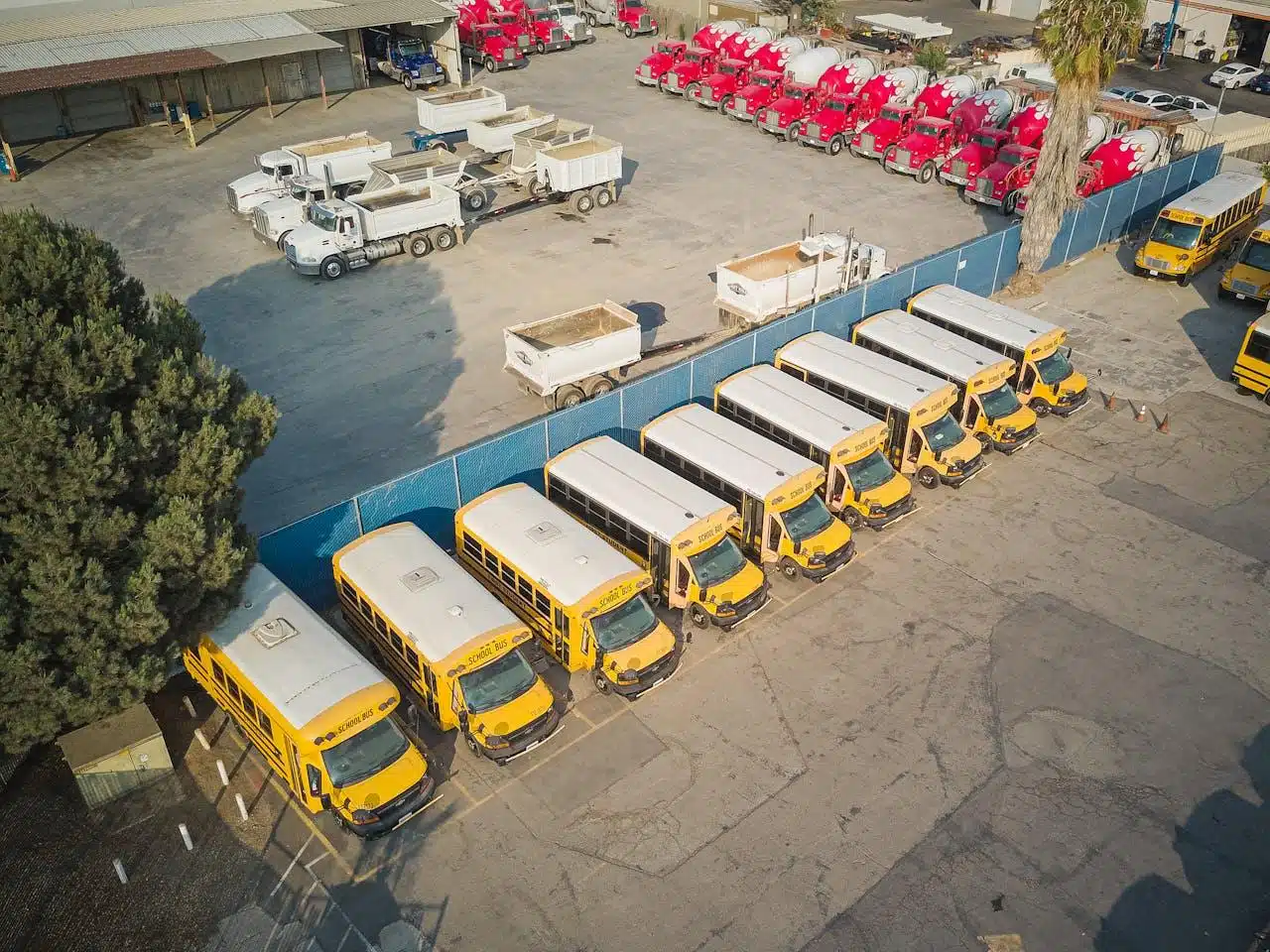
If your jobsite has a parking area, even a temporary one, you probably already know it’s one of the least controlled parts of the operation.
The reason the parking lot can be risky and unpredictable is simple. Well, it’s a multitude of reasons, but they’re all pretty obvious: crews come and go at odd hours, delivery drivers rotate daily, and personal vehicles, forklifts, and materials sit in the open, often with minimal supervision. That mix alone explains why parking areas consistently rank among the most common locations for property crime.
And construction sites don’t get a pass from that reality. In many cases, they amplify it. Here’s why and what you can do to improve parking security (spoiler: it does have to do with the cameras).
Why Parking Lots Attract Problems On Active Jobsites
Parking lots are tricky because they have to be open and accessible, but that openness itself often puts them outside the scope of standard site security controls. What construction parking lot do you know of has the same level of planning or oversight as perimeter fencing or secured storage areas? Maybe one, if that.
But this is important because according to the National Institute of Justice, crime is prevalent in parking areas, especially where visibility is limited and accountability is unclear. For construction, the risk goes beyond stolen catalytic converters or broken windows. There is a variety of potential issues: a single disputed accident claim between vehicles (involving attorney fees for auto accident), a worker injury with no visual record, a delivery that “never arrived” but shows up later as a line item dispute. These things happen more often than many businesses realize, and while cameras don’t prevent every incident, they change the outcome of almost all of them. And that’s the point.
Prefab And Modular Sites Raise The Stakes
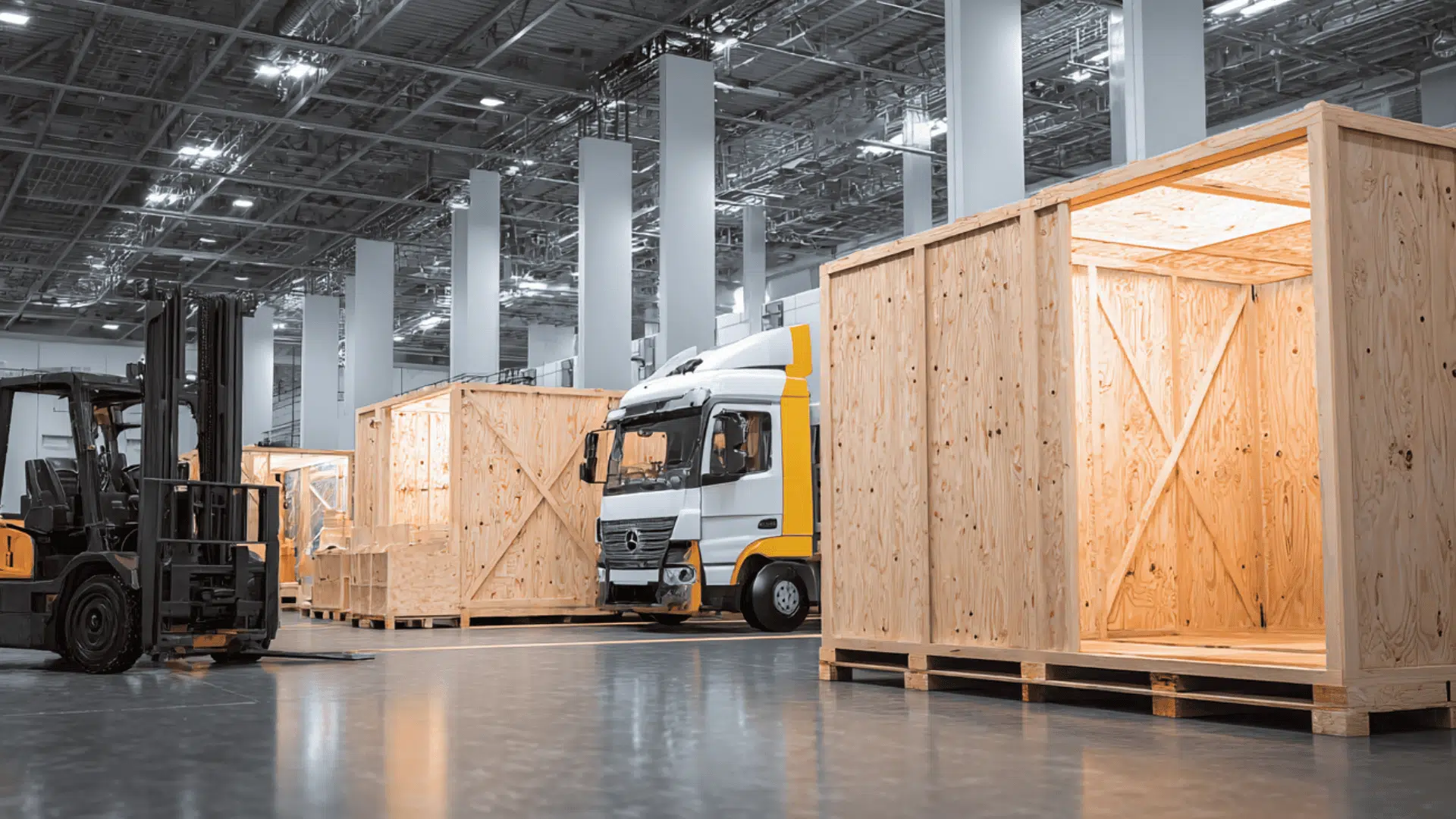
Prefab and modular projects not only move faster, but they concentrate value in smaller footprints. Temporary parking becomes a shared zone for crews, subcontractors, inspectors, and freight carriers. All that density increases friction.
Theft shows up early, often during off-hours when materials wait for installation. Vandalism follows predictable patterns around unsecured access points. And accident claims appear when multiple employers overlap in the same lot. Without footage, responsibility stays murky. With footage, it doesn’t (and insurers notice).
Fixed Cameras Vs. PTZ: What Actually Works Onsite
Source: Pexels
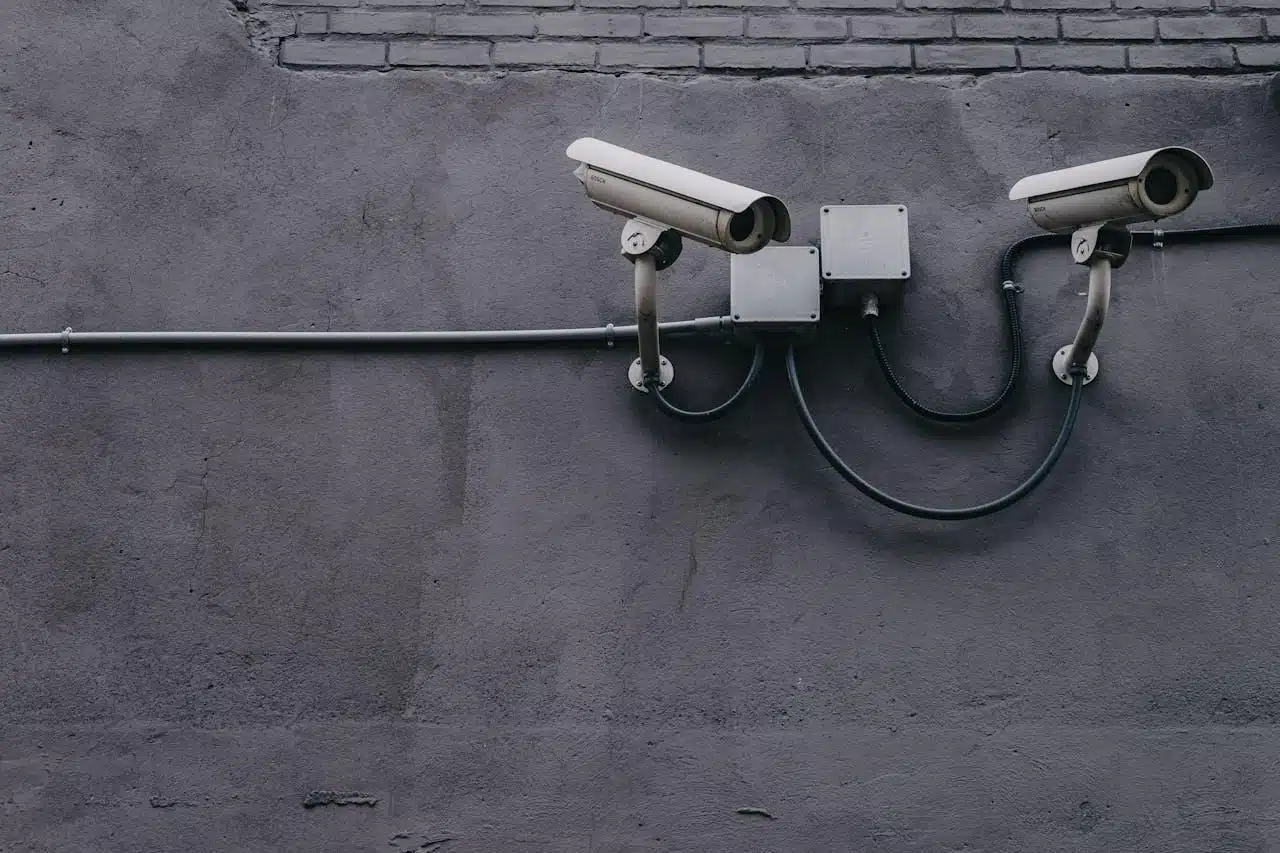
Fixed cameras handle consistent coverage well. They work best for known choke points like entrances, pedestrian crossings, and equipment rows. Their strength lies in continuity and clarity.
PTZ cameras serve a different purpose. They let security teams track movement in real time, zoom into incidents, and adapt coverage as the site evolves. That flexibility is everything on construction projects where layouts change weekly. But PTZ systems do require active monitoring to deliver value, so they work best when paired with remote viewing or scheduled patrol checks.
The best thing you can do is combine both. Fixed cameras establish the baseline record, and PTZ fills the gaps when activity spikes or conditions change.
LPR Cameras And Gate Control Aren’t Just For Finished Facilities
License Plate Recognition (LPR) often gets overlooked on construction sites. But that’s a miss. Temporary gates and access points still benefit from automated logging of vehicles entering and exiting. LPR systems reduce tailgating, simplify contractor verification, and provide a clean audit trail when disputes arise.
Integrated entry control also supports staging areas where deliveries queue or equipment gets transferred. When tied into camera footage, access logs move from “helpful” to “decisive.”
Solar Mobile Towers Solve The Power Problem
Permanent infrastructure rarely exists early in a project. This is where solar-powered mobile camera towers can be helpful. They deploy quickly, operate independently, and reposition as the site expands.
These units work particularly well for large prefab yards or overflow parking where trenching power lines makes no sense. And because they act as visible deterrents, they often reduce incidents without a single clip ever getting reviewed.
Placement Matters More Than Camera Count
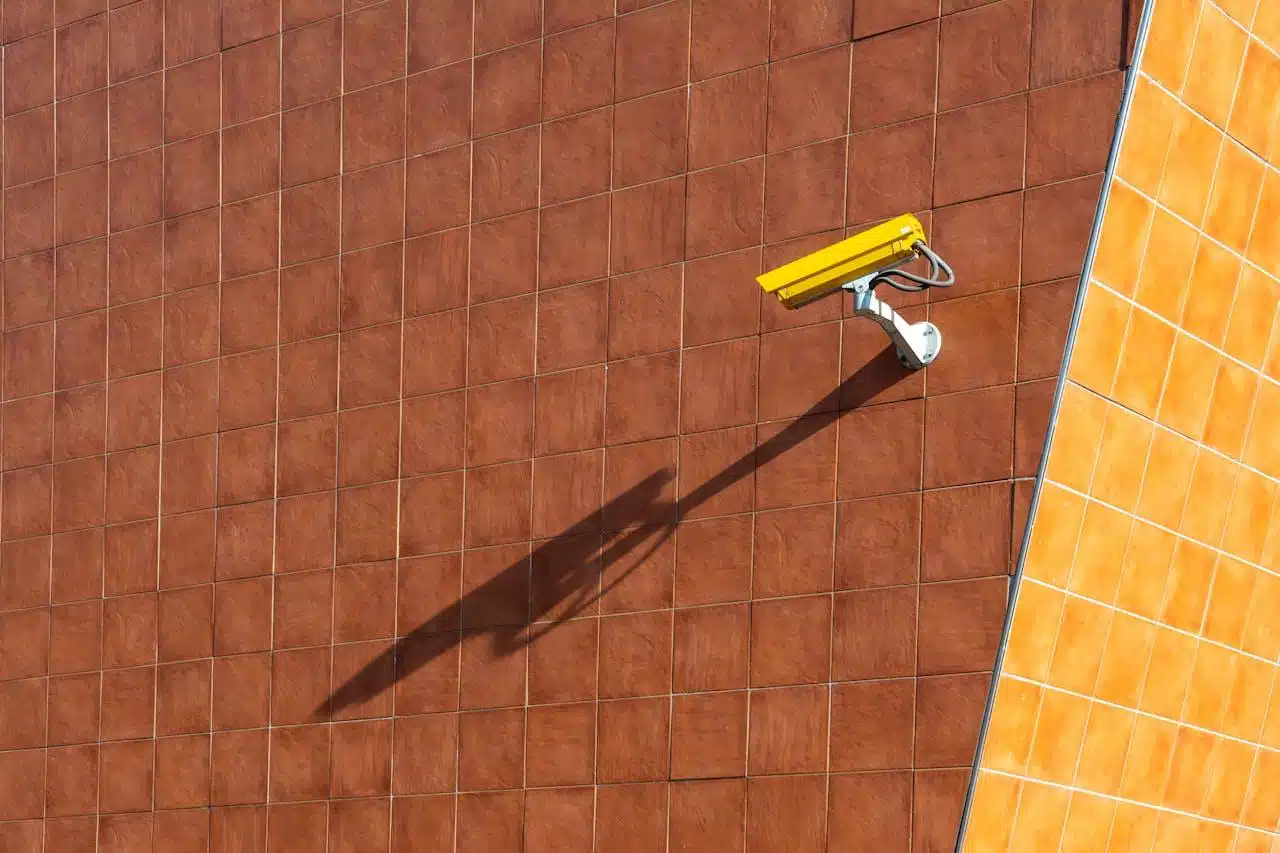
Source: Pexels
What’s important to understand is that randomly throwing cameras at a site doesn’t solve anything on its own. The coverage needs to be able to catch behavior patterns.
This is why you need effective parking lot protection and to partner with reputable providers. A good example is Mammoth Security; they not only sell excellent equipment, but also offer free on-site security assessment.
Here’s a solid plan: cover entrances first, then vehicle lanes. Then move to pedestrian paths where workers cross traffic. Staging areas deserve special attention, especially where materials sit overnight.
Integrated solutions that combine cameras, access control, and remote monitoring are best because they reduce blind spots and administrative guesswork.
Signage, Privacy, And Documentation Protect You Too
Clear signage does more than deter misconduct. It establishes notice, which supports compliance with privacy expectations and strengthens the evidentiary value of footage. Most disputes hinge not on whether an incident occurred, but on whether monitoring was disclosed and handled properly.
Documentation matters just as much. So, retention policies, incident tagging, access logs. Insurers increasingly expect organized video evidence, not scrambled clips pulled weeks later. Sites that treat camera video like a recordkeeping system resolve claims faster and with less friction.
Cameras Don’t Replace Supervision; They Reshape Accountability
No camera replaces a competent site manager. But cameras do something supervision alone can’t: they create an objective record that doesn’t forget details or pick sides. It’s an important addition that changes how claims unfold, how disputes settle, and how risk gets priced.
So, secure your construction site parking lot intelligently, and you’ll turn it into a more controlled environment. You’ll also protect your business and your workers.